Whether a Mastiff Needs Pre Anesthetic Bloodwork
The thought of your gentle giant going under anesthesia for any procedure, big or small, can be incredibly nerve-wracking. We all want the best for our Mastiffs, and seeing them vulnerable on the vet's table is a fear many of us share. This guide aims to clear up some of the confusion and anxiety around pre-anesthetic bloodwork for Mastiffs, helping you understand why it's such a crucial step in ensuring your big dog's safety and well-being before surgery or sedation.
The Critical Role of Pre-Anesthetic Bloodwork for Mastiffs
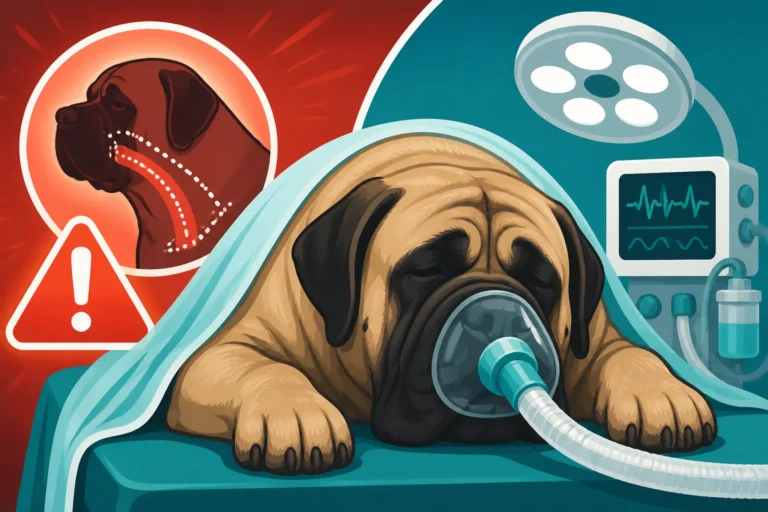
When your beloved Mastiff needs any procedure that requires sedation or full anesthesia, from a routine dental cleaning to an emergency surgery, your veterinarian will likely recommend pre-anesthetic bloodwork. For a breed as unique and massive as the Mastiff, this isn't just a suggestion; it's a vital diagnostic tool that provides a critical snapshot of your dog's internal health. These tests reveal essential information that a physical exam alone simply cannot, helping to identify potential hidden risks that could complicate anesthesia and recovery.
Uncovering Hidden Health Issues
It's a common misconception that if a Mastiff looks healthy and acts normally, there couldn't possibly be anything wrong internally. Unfortunately, many serious health conditions, particularly those affecting the liver and kidneys, don't show obvious external symptoms until they are quite advanced. Your Mastiff might be eating, playing, and acting like their usual happy self, while their organs are silently struggling. Pre-anesthetic bloodwork can flag these issues early, giving your vet the chance to adjust the anesthetic protocol, administer supportive care, or even postpone the procedure until the underlying condition can be managed.
Think about a scenario where your senior Mastiff, at seven years old, needs a mass removed. He's a bit slower these days, but still enjoys his walks and eats well. Without bloodwork, the vet might not know that his kidney values are slightly elevated, indicating a mild kidney insufficiency. Administering certain anesthetic drugs could further stress his kidneys, leading to complications. With the bloodwork results in hand, however, the vet can choose kidney-friendly anesthetics, increase intravenous fluid support during and after surgery, and monitor his kidney function closely, significantly reducing the risk. This proactive approach is essential for a breed with a Six to Ten Years Is What a Mastiff Gets lifespan, where every year counts, especially as they get older.
Tailoring Anesthetic Protocols to Your Mastiff's Needs
Mastiffs are not small dogs. Their sheer size, unique physiology, and propensity for certain breed-specific health concerns mean that a "one-size-fits-all" approach to anesthesia simply won't work. The results of pre-anesthetic bloodwork allow your veterinarian to meticulously tailor the anesthetic plan to your Mastiff's individual health profile. This customization is key to minimizing risks and ensuring the smoothest possible procedure.
For instance, certain anesthetic drugs are primarily metabolized by the liver, while others are excreted by the kidneys. If your Mastiff's bloodwork reveals elevated liver enzymes, indicating potential liver stress or disease, your vet can select alternative medications that put less strain on the liver. Similarly, if there's any indication of dehydration or electrolyte imbalance, fluids can be started before the procedure to stabilize your dog. This careful planning helps mitigate the inherent challenges, making the procedure much safer. It's not just about How Much Anesthetic a Two Hundred Pound Mastiff Takes; it's about which anesthetic, and how it's administered.
What Pre-Anesthetic Bloodwork Actually Reveals
Pre-anesthetic bloodwork typically consists of two main panels: a Complete Blood Count (CBC) and a Chemistry Panel. Sometimes, additional tests may be recommended based on your Mastiff's age, health history, or the specific procedure. Understanding what these tests look for can empower you as an owner to ask informed questions and feel more confident about your Mastiff's care.
The Complete Blood Count (CBC)
The CBC provides vital information about the different cells circulating in your Mastiff's blood. It's like taking a census of his red blood cells, white blood cells, and platelets. Each component plays a critical role in overall health and anesthetic safety.
- Red Blood Cells (RBCs): These cells are responsible for carrying oxygen throughout the body. A low red blood cell count (anemia) can indicate that your Mastiff isn't getting enough oxygen to his tissues, which is a significant concern during anesthesia when blood pressure can drop. Conversely, a very high RBC count might point to dehydration. Imagine your Mastiff, Stella, is scheduled for a minor lump removal. Her CBC shows she's mildly anemic. This alerts the vet to possible blood loss during surgery or an underlying condition that needs investigation, allowing them to prepare for potential blood transfusions or adjust the surgical plan.
- White Blood Cells (WBCs): White blood cells are the body's immune soldiers, fighting off infection and inflammation. An elevated WBC count could signal an active infection, which might need to be treated before surgery to prevent complications. A very low count could indicate a compromised immune system, making your Mastiff more susceptible to post-surgical infections. Discovering an infection beforehand means your Mastiff can receive antibiotics, allowing the body to heal before the added stress of a procedure.
- Platelets: These tiny cells are crucial for blood clotting. A low platelet count (thrombocytopenia) means your Mastiff might be at a higher risk of excessive bleeding during surgery or developing dangerous internal bleeding afterward. Knowing this beforehand allows the surgical team to take extra precautions, such as having clotting agents on hand or even postponing the surgery if the count is critically low. This information is especially important for Why Anesthesia Is Riskier in a Mastiff in general, where any complication can be magnified by their size.
The Chemistry Panel
The chemistry panel, often referred to as a blood chemistry profile or serum chemistry, evaluates organ function and electrolyte balance. This is where we get crucial insights into how your Mastiff's liver, kidneys, and other internal systems are functioning.
| Test Category | Key Indicators (Examples) | What It Reveals | Implications for Anesthesia |
|---|---|---|---|
| Kidney Function | BUN, Creatinine | Measures how effectively the kidneys are filtering waste products from the blood. Elevated levels can indicate kidney disease, dehydration, or urinary obstruction. | Impacts anesthetic drug excretion and overall fluid balance. Requires careful choice of drugs, fluid support, and post-operative monitoring to protect kidney health. |
| Liver Function | ALT, ALP, Bilirubin | Assesses liver health and its ability to process toxins and produce essential proteins. Abnormal levels can signal liver damage, disease, or issues with bile flow. | Affects the metabolism of many anesthetic agents. May necessitate different drug choices, lower doses, and extended recovery monitoring. The liver also plays a role in clotting, so severe dysfunction could impact bleeding risk. |
| Blood Glucose | Glucose | Measures blood sugar levels. High levels can indicate diabetes, while low levels (hypoglycemia) can be dangerous, especially in puppies or those with certain conditions, leading to weakness, seizures, or coma. | Anesthetic stress can cause glucose fluctuations. Close monitoring is needed, and adjustments to feeding or insulin (if diabetic) may be necessary to maintain stable blood sugar. |
| Electrolytes | Sodium, Potassium, Chloride | These minerals are essential for nerve function, muscle contraction, and maintaining proper hydration and pH balance. Imbalances can be caused by dehydration, vomiting, diarrhea, or kidney disease. | Severe electrolyte imbalances can lead to heart arrhythmias, muscle weakness, and other complications under anesthesia. Correction with IV fluids is often required before proceeding. |
| Proteins | Albumin, Total Protein | Indicates hydration status, liver and kidney function, and overall nutritional status. Low albumin can affect drug binding and wound healing, while high levels might suggest dehydration. | Low protein levels, particularly albumin, can reduce the effectiveness of certain drugs, impact fluid balance, and hinder recovery. It can also be a sign of significant underlying disease that needs addressing prior to elective procedures. |
Let's consider Duke, your large male Mastiff, who is going in for a prophylactic gastropexy—a common procedure given the breed's high risk of Bloat in the Deepest Chest of Any Breed: the Mastiff. His chemistry panel comes back showing slightly elevated liver enzymes. While it might not be a full-blown liver disease, it's enough for your vet to pause and investigate further. They might recommend additional diagnostics like a bile acid test or a liver ultrasound. If an issue is found, perhaps the gastropexy is postponed until his liver function can be optimized, preventing a potentially life-threatening complication during surgery. This detailed information allows for proactive intervention, not reactive crisis management.
Making Informed Decisions for Your Mastiff's Safety
As a Mastiff owner, you're already used to making special considerations for your giant companion. Deciding whether to proceed with pre-anesthetic bloodwork is another one of those important choices. While it might seem like an added expense, especially when you consider The Mastiff's Short Life Buys the Biggest Bills, the peace of mind and the enhanced safety it provides for your dog are truly priceless.
Discussing the Risks and Benefits with Your Veterinarian
Your veterinarian is your best partner in navigating these decisions. They have the medical expertise and understand the nuances of Mastiff health. Don't hesitate to sit down with them and discuss their recommendations thoroughly. Ask questions like:
- "Given my Mastiff's age and health history, what specific risks are we looking to mitigate with this bloodwork?"
- "Are there any specific breed-related concerns that make this even more important for a Mastiff?" (The answer is almost always yes, given their size and various predispositions, such as certain cardiac conditions like Whether a Mastiff Gets Dilated Cardiomyopathy which might not be apparent on a general exam).
- "What would happen if we skipped the bloodwork, and there was an undetected issue?"
A good veterinarian will explain the pros and cons clearly, making sure you understand why they are recommending it. They can also explain how they calculate anesthetic dosages, which for a Mastiff, is often Why a Mastiff Is Dosed by Lean Weight and Not Scale Weight rather than just scale weight to avoid over-dosing. Remember, while costs are a factor, compromising on crucial diagnostics for a large breed like a Mastiff can lead to far more expensive and heartbreaking complications down the line.
Considering the Cost and Insurance Options
Let's be realistic: veterinary care for a Mastiff is never inexpensive. From the daily food bill to preventatives that often fall into the highest weight categories, What a Mastiff's Weight Does to Every Line on the Vet Invoice. Pre-anesthetic bloodwork is an additional expense, but it's a relatively small one compared to the cost of treating an anesthetic complication or a full-blown organ crisis. Many routine procedures for Mastiffs, like dental cleanings, or even certain surgeries, are significantly safer when these baselines are established.
This is where pet insurance can really shine. Companies like Healthy Paws often cover diagnostic tests like pre-anesthetic bloodwork when they are part of a covered illness or injury treatment plan. While routine wellness exams and preventive diagnostics might not always be covered, if the bloodwork is deemed medically necessary prior to a covered surgery (for example, to remove a cancerous mass, or repair a serious injury), your Healthy Paws policy could help offset a significant portion of the cost. It's always a good idea to check your specific policy details or speak with a Healthy Paws representative to understand what is covered. Investing in pet insurance, especially for a large breed prone to a myriad of health issues, can provide immense financial relief when unexpected medical needs arise.
Alternatives and When to Postpone
In some rare emergency situations, such as a Mastiff coming in with The First Sign a Mastiff Is Bloating where immediate surgery is required to save their life, there simply isn't time for comprehensive pre-anesthetic bloodwork. In these critical instances, your vet will perform the most abbreviated essential tests possible and proceed with what's necessary, accepting a higher level of risk to save your dog's life. However, these are exceptions, not the rule.
For elective procedures, or even urgent but not immediately life-threatening ones, postponing a procedure based on concerning bloodwork results can be the smartest decision you make. If your Mastiff's bloodwork reveals a significant issue, your vet might recommend additional diagnostic steps, such as an ultrasound, urinalysis, or even a referral to a specialist to get to the bottom of it. Addressing the underlying problem first, perhaps with medication or dietary changes, can turn a high-risk anesthetic situation into a much safer one. This dedication to foundational health checks is an investment in your Mastiff's longevity and quality of life. The care doesn't stop once the procedure is over; don't forget What Post Surgical Monitoring Costs on a Mastiff as well, which can be critical for recovery.
Ultimately, the decision to proceed with pre-anesthetic bloodwork is about minimizing avoidable risks for your beloved Mastiff. Their massive size and unique physiology mean we have to be extra vigilant in their care, and these simple tests offer invaluable insights that can truly make a difference in their safety and recovery.
Disclaimer
This article is for general informational purposes only and does not constitute professional advice. Laws, prices and regulations vary by location and change over time. Consult a qualified professional for guidance on your specific situation.