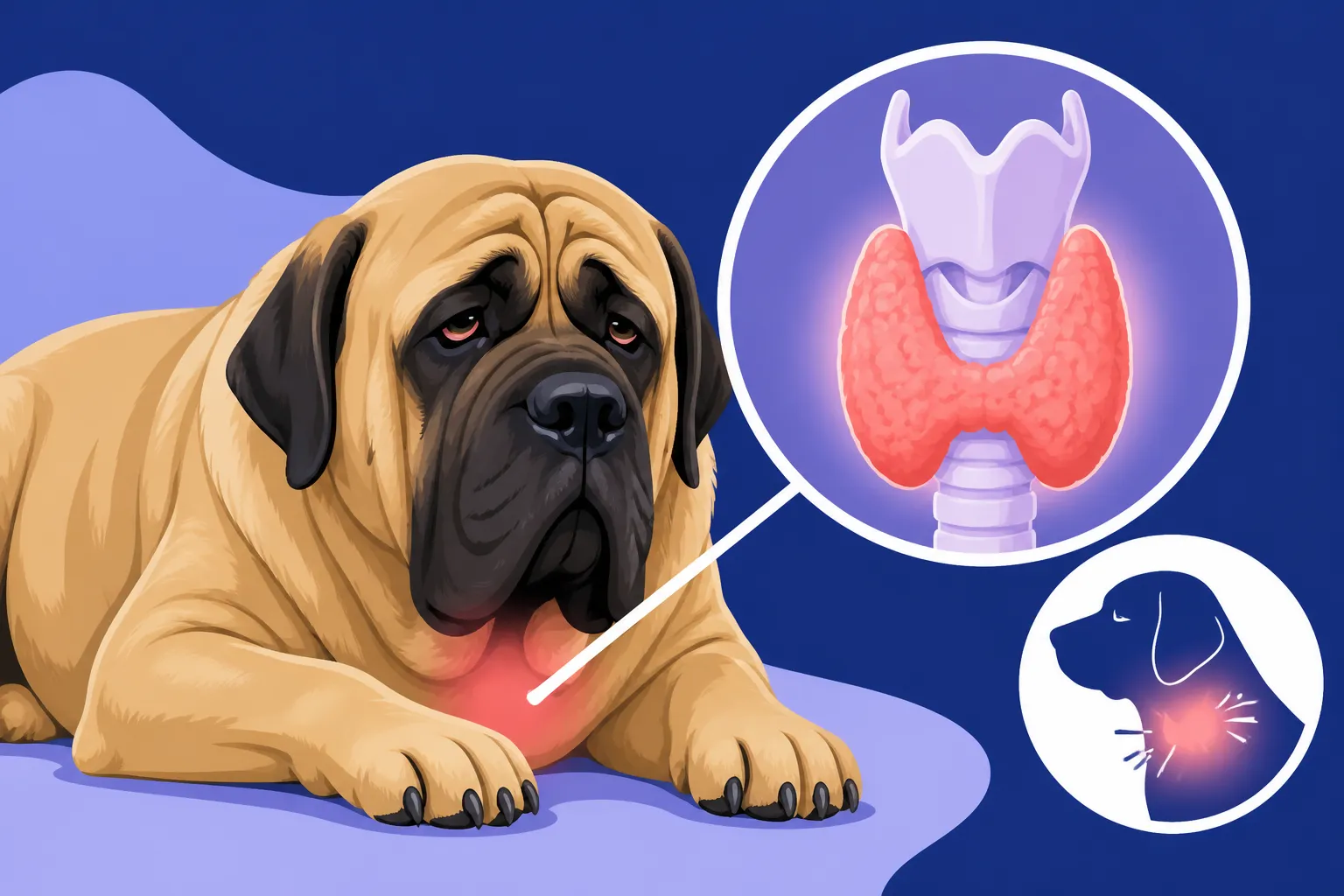
Hypothyroidism in a Mastiff
It’s incredibly disheartening when you start to notice subtle shifts in your beloved Mastiff's demeanor or appearance, often dismissing them at first as just part of getting older or "being a big dog." But when those changes persist – a certain sluggishness, a dull coat, or an unexpected weight gain – it can lead to frustrating questions and a gnawing worry. This guide aims to shed light on hypothyroidism in Mastiffs, helping you understand the signs, the diagnostic process, and how to manage this common endocrine disorder to ensure your gentle giant maintains the best possible quality of life.
Understanding Hypothyroidism in Mastiffs
Hypothyroidism is an endocrine disorder where the thyroid gland, located in the neck, doesn't produce enough thyroid hormones. These hormones are critical for regulating metabolism in almost every cell in the body. When they're in short supply, it's like the body's internal thermostat and engine both slow down, leading to a cascade of symptoms that can affect everything from energy levels to skin health. For a Mastiff, a breed already known for its calm demeanor and lower energy requirements, these subtle shifts can be particularly easy to overlook.
Why Mastiffs Are Prone to Thyroid Issues
While any dog can develop hypothyroidism, certain breeds, including Mastiffs, are known to have a higher predisposition, often due to genetic factors. The most common cause in dogs is called autoimmune thyroiditis, or lymphocytic thyroiditis. This is where the dog's own immune system mistakenly attacks and destroys the thyroid gland over time. Imagine your body's defense system, which is supposed to protect you, suddenly turning against one of its vital organs – it's a slow, insidious process that can take years to manifest noticeable symptoms. Another, less common, cause is idiopathic thyroid atrophy, where the thyroid gland simply wastes away for no apparent reason.
Because of this predisposition, responsible breeders often screen their Mastiffs for thyroid health as part of a comprehensive health panel before breeding. However, even with the best intentions and clear parents, the genetic component can be complex, and a Mastiff can still develop the condition. It’s not a reflection of poor care, but rather a factor of their unique breed biology.
How Thyroid Hormones Affect a Mastiff's Body
Thyroid hormones are powerful, influencing nearly every physiological process. They control metabolic rate, which dictates how quickly your dog burns calories and converts food into energy. They also play a role in heart function, body temperature regulation, skin and coat health, muscle strength, and even nerve function.
When a Mastiff has insufficient thyroid hormones, every one of these systems can be impacted. Think of it like trying to run a grand old steam train on very little coal – everything becomes sluggish, inefficient, and eventually, some parts may start to break down. This widespread effect is why hypothyroidism can present with such a varied and sometimes puzzling array of symptoms, making it hard to pinpoint without veterinary expertise. Understanding these underlying mechanisms helps us appreciate why timely diagnosis and treatment are so crucial for your Mastiff's overall well-being and their Six to Ten Years Is What a Mastiff Gets.
Recognizing the Subtle Signs of Hypothyroidism in Your Mastiff
The signs of hypothyroidism can be incredibly subtle, especially in a Mastiff who might already be perceived as "lazy" or "sleepy" due to their impressive size and calm nature. It's often not one dramatic symptom but a collection of small, persistent changes that gradually add up, making you wonder if something isn't quite right. Trust your gut if you feel like your Mastiff is "off."
Behavioral and Energy Changes That Might Be Overlooked
One of the first things you might notice is a general slowing down. Your normally relaxed Mastiff might become even more lethargic than usual, showing less interest in walks, play, or even greetings at the door. They might sleep more, seem duller, or even appear mentally sluggish, perhaps not reacting as quickly to commands or their environment. It’s easy to think, "Oh, they're just getting older," especially as you start Caring for a Mastiff Past Five, but significant changes in energy or mental sharpness warrant investigation. They might also seem less tolerant of cold, seeking out warmer spots in the house or shivering more easily, even indoors. Owners sometimes report a shift in temperament too, with some hypothyroid dogs becoming a bit more anxious or irritable.
Consider a Mastiff who used to love their leisurely stroll around the block, but now often stops and seems reluctant to continue, or perhaps seems winded easily. This isn't just a sign of age; it could be their metabolism telling you it's struggling.
Physical Manifestations on Skin and Coat
The skin and coat often bear the most obvious (though still often dismissed) hallmarks of hypothyroidism. You might notice:
- Dull, Dry, or Brittle Coat: The once lustrous Mastiff coat might become dry, coarse, and lack its healthy sheen.
- Excessive Shedding: While Mastiffs do shed, an increase or a patchy pattern might indicate an issue.
- Hair Loss (Alopecia): This is often symmetrical, starting on the trunk, flanks, and tail, and typically spares the head and limbs. Sometimes, it manifests as a "rat tail" or "bald tail" where the hair on the tail thins dramatically.
- Thickened, Darkened Skin: The skin, particularly in areas of hair loss, can become thickened, leathery, and develop hyperpigmentation (darkening).
- Recurrent Skin Infections: Because thyroid hormones are crucial for healthy skin barrier function, hypothyroid Mastiffs are more susceptible to bacterial skin infections (pyoderma) or yeast infections, sometimes mimicking Whether a Mastiff Gets Skin Fold Infections. These infections can lead to itching, redness, and a characteristic musty odor.
- Weight Gain: Despite no change in diet or exercise, your Mastiff might start putting on weight. This isn't just fat; it can also be a puffy appearance due to fluid retention (myxedema), especially noticeable on the face, giving them a tragic, almost swollen look.
It's crucial not to simply attribute these signs to allergies or old age. If you're seeing a combination of these symptoms, it's time to talk to your vet about thyroid testing.
Other Less Common or Advanced Symptoms
In more advanced or severe cases, other symptoms can emerge:
- Neuromuscular Problems: Weakness, stumbling, or even paralysis in rare instances, due to nerve or muscle dysfunction.
- Reproductive Issues: In unspayed females, infertility, irregular heat cycles, or failure to conceive can occur.
- Cardiac Problems: A slow heart rate (bradycardia) can sometimes be noted, though it's less common as a primary symptom.
- Facial Expression Changes: The "tragic" or "puffy" facial expression, due to myxedema, can be a striking feature in some cases.
Because many of these symptoms can overlap with other conditions, a thorough veterinary examination and diagnostic testing are essential to get an accurate picture of what's going on with your gentle giant.
Diagnosing and Treating Hypothyroidism
When you bring your Mastiff to the vet with concerns about potential hypothyroidism, don't be surprised if your veterinarian wants to rule out other common conditions first. Many symptoms are non-specific, and a good vet will always consider the full clinical picture.
The Diagnostic Journey: From Suspicion to Confirmation
The diagnostic process typically begins with a thorough physical examination and a discussion of your Mastiff's history and symptoms. Your vet might notice some of the classic signs, like a dull coat, weight gain, or a slow heart rate.
The cornerstone of diagnosis is blood testing. However, it's not always as simple as a single test. The primary tests include:
- Total T4 (Thyroxine): This measures the total amount of thyroid hormone circulating in the blood. A low T4 is a red flag, but it can also be low due to other non-thyroidal illnesses (known as "euthyroid sick syndrome") or certain medications.
- Free T4 (by equilibrium dialysis, or fT4ED): This measures the biologically active, unbound portion of the T4 hormone. It's considered more accurate than total T4 and is less affected by non-thyroidal factors.
- Canine TSH (Thyroid-Stimulating Hormone): TSH is produced by the pituitary gland and tells the thyroid to make more hormones. If the thyroid isn't working, the pituitary often works overtime, leading to a high TSH level. A combination of low fT4ED and high TSH is usually diagnostic for primary hypothyroidism.
- Thyroid Autoantibodies (TgAA): These tests look for antibodies that attack the thyroid gland, confirming an autoimmune cause. While not always needed for diagnosis, they can be helpful.
It’s important to note that interpretation of these tests can be tricky, especially in giant breeds. Normal ranges for thyroid hormones can sometimes vary slightly between different labs or even appear lower in healthy large breeds. Your vet will combine the blood test results with your Mastiff's clinical signs to reach a definitive diagnosis. Sometimes, repeat testing or consulting with an internal medicine specialist might be recommended for challenging cases. This investment in thorough diagnosis is critical, as misdiagnosis can lead to unnecessary treatment or delayed identification of the actual problem.
Lifelong Medication and Monitoring
Once hypothyroidism is diagnosed, the good news is that it's a very manageable condition. Treatment involves lifelong daily oral administration of a synthetic thyroid hormone called levothyroxine (L-thyroxine). This medication effectively replaces the hormones your Mastiff's thyroid gland isn't producing.
The initial dosage is carefully calculated, often based on your Mastiff's lean body weight. Remember, Why a Mastiff Is Dosed by Lean Weight and Not Scale Weight is crucial for accurate medication, especially with their substantial bulk. It’s not uncommon for the dose to be adjusted based on follow-up blood tests. Typically, a recheck blood test is performed about 4-8 weeks after starting medication, and then periodically (every 6-12 months) once stable, to ensure the dose is optimal. It's vital to give the medication consistently, usually once or twice a day, exactly as prescribed by your veterinarian. Missing doses or inconsistent timing can hinder effective management.
You should start to see improvements within a few weeks, with increased energy and mental alertness often being the first changes. Skin and coat improvements might take longer, sometimes several months, as the body needs time to grow new hair and heal skin issues. If you have pet insurance, a good policy like those offered by Healthy Paws can be incredibly helpful in covering the costs of these ongoing medications and follow-up blood tests, which can quickly add up over your Mastiff's lifetime.
Living with a Hypothyroid Mastiff
A diagnosis of hypothyroidism can feel daunting, but it's important to remember that with proper management, your Mastiff can lead a full, active, and happy life. It truly is a testament to the power of modern veterinary medicine that a condition that once caused so much suffering is now so effectively controlled.
What to Expect Post-Diagnosis and Long-Term Care
After starting levothyroxine, you'll likely notice your Mastiff regaining their spark. Their energy levels should improve, they might be more engaged, and their cold intolerance should decrease. The dull, dry coat will gradually be replaced by a healthier, shinier one, and any skin infections should clear up more easily. Weight gain that was due to metabolic slowing should stabilize, and it might even be easier for them to maintain a healthy weight. This is important, as keeping your Mastiff lean is critical for preventing stress on their joints, which are already vulnerable in this giant breed.
Long-term care primarily revolves around consistent medication administration and regular veterinary check-ups for blood monitoring. These check-ups are usually once or twice a year, or if you notice any return of symptoms. Your vet will draw blood to measure their T4 levels and ensure the medication dosage is still appropriate. Remember, your Mastiff’s needs can change as they age, requiring occasional dose adjustments.
The financial aspect of lifelong medication and veterinary visits is a real consideration. Having a pet insurance plan, such as Healthy Paws, can greatly alleviate the burden of these recurring expenses, ensuring you can always provide the necessary care without financial strain. It means you don't have to compromise on medication or recommended blood tests, securing the best possible health outcome for your Mastiff.
Potential Complications and When to Seek Veterinary Attention
While treatment is usually straightforward, there are a few things to keep in mind:
- Underdosing/Overdosing: If your Mastiff's symptoms return or don't fully resolve, their dose might be too low. Conversely, if they become unusually restless, pant excessively, or experience significant weight loss, the dose might be too high. Both warrant a visit to the vet for re-evaluation.
- Interactions with Other Medications: Always inform your veterinarian about all medications, supplements, or herbal remedies your Mastiff is taking, as some can interfere with thyroid hormone absorption or metabolism.
- Myxedema Coma: This is a rare, life-threatening complication of severe, untreated, or poorly managed hypothyroidism. It's an emergency characterized by profound weakness, mental dullness, hypothermia, and a very slow heart rate. While rare, it underscores the importance of consistent treatment.
If you ever notice a sudden downturn in your Mastiff's condition, or if any previous symptoms return despite medication, don't hesitate to contact your veterinarian. Early intervention is always best. Understanding and diligently managing your Mastiff's hypothyroidism means they can continue to be the gentle, loving companion you cherish, enjoying their life to the fullest. For an old Mastiff, this continued vigilance is especially critical to ensure their comfort and dignity in their golden years, supporting their overall Caring for a Mastiff Past Five.
| Symptom Category | Common Hypothyroidism Signs in Mastiffs | What It Might Be Mistaken For | Why Testing is Important |
|---|---|---|---|
| Energy/Behavior | Lethargy, increased sleeping, cold intolerance, mental dullness | "Getting old," laziness, arthritis, depression | Untreated, it impacts quality of life; easily managed. |
| Skin/Coat | Dull, dry coat, excessive shedding, hair loss (symmetrical), thickened skin, recurrent infections | Allergies, diet deficiency, fleas, other skin conditions | Improves skin health and prevents chronic infections. |
| Weight | Unexplained weight gain, puffy face ("tragic expression") | Overfeeding, lack of exercise | Metabolic issue; diet changes alone may not resolve it. |
| Other | Slow heart rate, muscle weakness, reproductive issues | Other cardiac issues, neurological problems | Early diagnosis prevents progression of serious symptoms. |
The Role of Diet and Supplements
While medication is the cornerstone of treatment, supporting your hypothyroid Mastiff with a high-quality diet is always a good idea. Focus on a well-balanced, complete commercial dog food appropriate for large breeds. Some owners inquire about supplements, but generally, specific thyroid-support supplements are not necessary if your Mastiff is on appropriate levothyroxine medication. In fact, some "thyroid support" supplements can contain ingredients that interfere with absorption of levothyroxine, so always discuss any additions with your vet. Ensuring your Mastiff maintains a lean body condition is paramount, as How Much an Adult Mastiff Eats by Weight Each Day and how they convert that into energy is greatly impacted by their thyroid function. Overweight Mastiffs face increased risks for joint issues, heart strain, and a shortened lifespan, so managing their weight carefully, especially with a slower metabolism, is incredibly important.
Disclaimer
This article is intended for informational purposes only and does not constitute veterinary advice. Always consult with a qualified veterinarian for any health concerns or before making any decisions about your Mastiff's care.