Whether a Mastiff Survives Bloat Surgery
The terrifying moment you realize your beloved Mastiff is acting strangely, pacing, retching fruitlessly, and showing signs of discomfort can send any giant breed owner into a panic. The fear of bloat, or Gastric Dilatation-Volvulus (GDV), is a constant shadow for many of us, and the thought of emergency surgery brings a wave of questions, particularly about whether our gentle giants can truly make it through. This guide aims to shed light on the survival rates and factors involved when a Mastiff undergoes bloat surgery.
Understanding Bloat in Mastiffs: A Race Against Time
Bloat isn't just an upset stomach; it's a rapidly progressing, life-threatening condition that, if left untreated, is almost always fatal. For Mastiff owners, understanding this enemy is the first step in being prepared.
What Exactly Is Gastric Dilatation-Volvulus GDV?
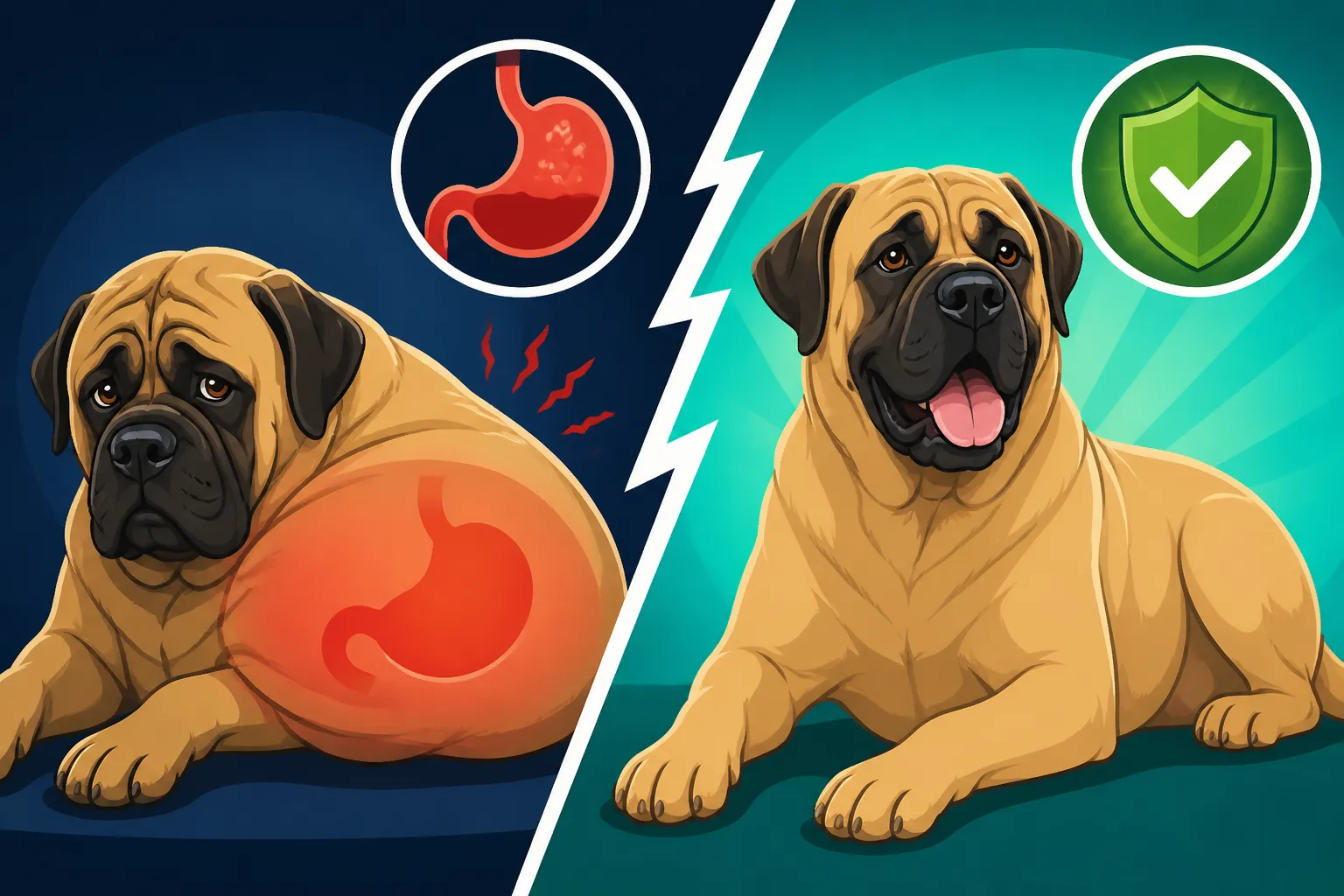
Gastric Dilatation-Volvulus, or GDV, is a complex and devastating condition where a dog's stomach fills with gas, food, or fluid (dilatation) and then twists upon itself (volvulus). When the stomach twists, both the entrance and exit are pinched shut, trapping the contents and gases. This twisting also cuts off blood supply to the stomach, leading to tissue death, and can affect other vital organs like the spleen. The rapidly expanding stomach can press on the diaphragm, making it hard for your Mastiff to breathe, and it can also interfere with blood flow back to the heart, leading to shock. It’s a cascading series of events that can deteriorate incredibly quickly, demanding immediate veterinary attention.
Why Mastiffs Face a Higher Risk
Mastiffs, along with other deep-chested, large, and giant breeds, are disproportionately susceptible to bloat. Their unique anatomy, characterized by a deep and narrow chest cavity, creates more space for the stomach to shift and twist. While the exact cause isn't fully understood, several factors are thought to contribute, including eating one large meal a day, eating rapidly, stress, and even genetic predisposition. It's a cruel irony that such majestic, calm dogs are at such high risk for this swift and brutal condition. This is why knowing about Bloat in the Deepest Chest of Any Breed: the Mastiff is so crucial for every owner.
The Race Against the Clock: Recognizing Symptoms
Time is the most critical factor when it comes to bloat. The sooner you recognize the signs and get your Mastiff to an emergency veterinarian, the better their chances of survival. Early symptoms can be subtle but quickly escalate. Look for restlessness, pacing, an anxious or distressed expression, and unproductive retching or gagging (where they try to vomit but nothing comes up). You might notice your Mastiff drooling excessively or pawing at their mouth. As the condition progresses, the abdomen may become visibly distended or swollen, especially on the left side, and feel hard to the touch. Your Mastiff might have pale gums, rapid breathing, and an elevated heart rate as they go into shock. Don't delay; if you suspect bloat, every minute counts. Understanding The First Sign a Mastiff Is Bloating can literally save your dog's life.
The Surgical Intervention for Bloat
Once bloat is suspected or diagnosed, surgery becomes the primary course of action. This isn't a routine procedure; it's an emergency intervention designed to untwist the stomach and prevent future occurrences.
Emergency Surgery: What Happens
When your Mastiff arrives at the emergency clinic with suspected GDV, the veterinary team will immediately begin stabilization measures. This typically involves administering intravenous fluids to combat shock, pain medication, and often inserting a tube into the stomach to relieve some of the gas pressure if possible. Once your Mastiff is stable enough, they will be rushed into surgery. The surgeon's primary goal is to manually derotate (untwist) the stomach and assess the extent of the damage. Parts of the stomach wall that have suffered irreversible tissue death due to lack of blood flow may need to be removed. This part of the surgery is complex and requires skilled hands, as significant portions of the stomach wall dying can severely complicate recovery.
The Gastropexy Procedure: A Lifesaving Staple
Beyond untwisting the stomach, a crucial part of bloat surgery is a procedure called gastropexy. This involves surgically attaching the stomach to the abdominal wall, usually on the right side. This attachment prevents the stomach from twisting again in the future. While a gastropexy doesn't prevent the stomach from filling with gas (dilatation), it does prevent the deadly volvulus component, which is the twisting. For Mastiffs, given their high risk, a prophylactic gastropexy can also be performed as a preventive measure, often at the time of neutering or spaying. This is a topic many owners consider, asking When a Mastiff's Gastropexy Should Be Done to reduce future risks. Even with a gastropexy, a Mastiff can still experience bloat symptoms, but the stomach won't twist. Knowing Whether a Gastropexied Mastiff Can Still Bloat helps manage expectations.
Pre- and Post-Operative Care: More Than Just the Knife
The success of bloat surgery isn't solely dependent on the procedure itself; it hinges heavily on the comprehensive care your Mastiff receives before and after the operation. Pre-operative stabilization, as mentioned, is vital for improving surgical outcomes. Post-operatively, your Mastiff will require intensive monitoring in the veterinary ICU for several days. This includes continuous assessment of their heart rhythm (cardiac arrhythmias are common complications), blood pressure, pain levels, and hydration. They'll likely be on intravenous fluids, antibiotics, and pain management. Feeding will be gradually reintroduced, often with small, frequent meals of easily digestible food. This period of critical care is just as important as the surgery in determining survival and successful recovery, and the commitment to this level of care is substantial both emotionally and financially.
Survival Rates and Prognosis Factors
The question on every owner's mind is, "Will my Mastiff survive bloat surgery?" The answer, while not a simple yes or no, often leans towards cautious optimism, especially with prompt action.
Overall Survival Statistics for GDV Surgery
General statistics for GDV surgery survival rates typically range from 75% to 85%, meaning a significant majority of dogs who receive prompt surgical intervention do survive the immediate crisis. However, this is an average across all breeds, and specific factors can influence a Mastiff's individual prognosis. The biggest factors are directly tied to how quickly the condition is diagnosed and treated. The longer the stomach has been twisted, the greater the damage to the stomach tissue, and the higher the risk of complications such as sepsis, peritonitis, or organ failure. Knowing How Long a Bloating Mastiff Has Before Surgery really drives home the urgency.
Factors Influencing a Mastiff's Outcome
Several key elements play a significant role in determining a Mastiff's chances of survival and subsequent recovery:
- Time to Treatment: This is paramount. Dogs treated within a few hours of symptom onset have a much better prognosis than those where treatment is delayed.
- Presence of Stomach Tissue Necrosis: If parts of the stomach wall have died due to lack of blood supply, those portions must be removed. The more tissue that needs to be removed, the more complicated the surgery and the higher the risk of post-operative complications like leakage or infection.
- Spleen Involvement: The spleen often twists along with the stomach or becomes severely compromised. If the spleen is damaged beyond repair, it may need to be removed (splenectomy), which adds another layer of complexity and risk to the surgery.
- Cardiac Arrhythmias: Heart rhythm abnormalities are common both before and after GDV surgery. These can be serious and sometimes fatal, requiring aggressive medical management.
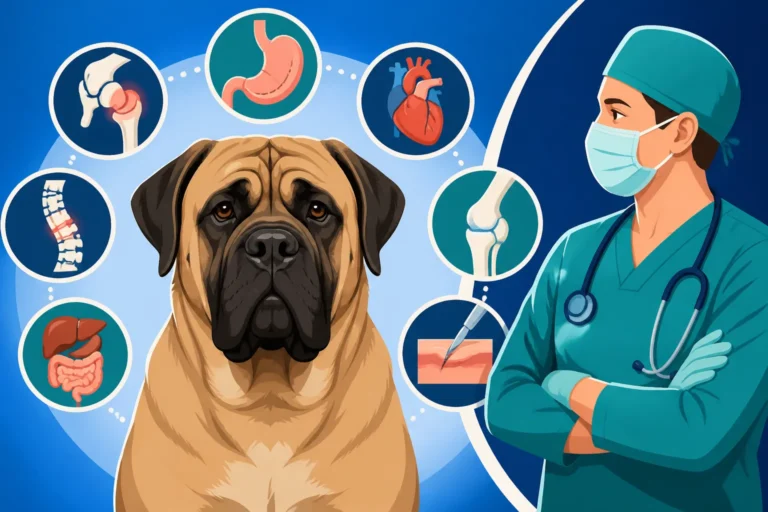
- Overall Health of the Mastiff: A younger, healthier Mastiff with no underlying health conditions generally copes better with the stress of surgery and recovery than an older dog with pre-existing issues. Their sheer size and weight also mean Why Anesthesia Is Riskier in a Mastiff, and precise dosing based on Why a Mastiff Is Dosed by Lean Weight and Not Scale Weight is critical.
- Experience of the Surgical Team: Given the complexity of the surgery and the critical post-operative care, having an experienced veterinary surgeon and a dedicated critical care team significantly improves outcomes.
Here’s a simplified look at how some of these factors might influence survival:
| Factor | Impact on Survival |
|---|---|
| Time to Veterinary Care | Critical: Faster = Higher survival |
| Stomach Tissue Damage (Necrosis) | Major: Extensive damage = Lower survival |
| Spleen Involvement | Significant: Splenectomy increases risk |
| Pre-existing Health Issues | Moderate: Compromised health = Lower survival |
| Post-op Arrhythmias | High: Can be fatal if not managed |
| Concurrent Diseases | Moderate: Increases overall risk |
The Importance of Early Intervention
The consistent message from every veterinary professional is the undeniable importance of early intervention. As a Mastiff owner, being vigilant for the signs of bloat and reacting immediately is the single most impactful action you can take to ensure your dog's survival. Do not "wait and see" if symptoms resolve; assume the worst and seek emergency veterinary care immediately. Many emergency clinics are equipped to handle such a crisis, and some might even have specialist surgeons on call for these types of emergencies.
Long-Term Recovery and Quality of Life After Surgery
Surviving the surgery is a huge hurdle, but the journey doesn't end there. The long-term recovery and ensuring a good quality of life for your Mastiff are equally important.
Navigating the Weeks and Months Post-Surgery
The first few days post-surgery are the most critical, but recovery extends for weeks. Your Mastiff will likely come home with strict instructions for activity restriction, wound care, and medication administration. The incision site needs to be monitored for signs of infection. Activity will be limited to short, leashed walks for several weeks to allow the surgical site to heal fully. Rushing this process can lead to complications. Gradual reintroduction to normal activities is key. Your vet might recommend a recheck appointment a week or two after discharge to ensure healing is progressing well and to address any concerns. This period demands patience and diligence from the owner.
Dietary and Lifestyle Adjustments
To minimize the risk of future dilatation (even with a gastropexy), dietary and lifestyle changes are often recommended. Many vets advise feeding smaller, more frequent meals (two to three times a day) rather than one large meal. Using a slow-feeder bowl or spreading food out on a baking sheet can help prevent rapid ingestion of food and air. Avoiding strenuous exercise immediately before or after meals is also crucial, as physical activity can contribute to stomach distention. Some owners also choose to raise food bowls, though research on its effectiveness in preventing bloat is mixed. Talk to your vet about what specific dietary changes are best for your Mastiff. Limiting stress during mealtimes can also be beneficial, as stress is often cited as What Triggers Bloat in a Mastiff.
Preventing Recurrence: The Role of Gastropexy
While a gastropexy doesn't prevent bloat (dilatation), it is highly effective at preventing the life-threatening stomach torsion (volvulus) that turns bloat into a dire emergency. For Mastiffs that have undergone GDV surgery with gastropexy, the risk of a repeat twist is significantly reduced, often less than 5%. This means that while they might still experience stomach distension or gas accumulation, it's far less likely to become a surgical emergency. This is a tremendous relief for owners, as it removes the immediate life-or-death scenario should their dog bloat again. For any Mastiff, whether they've had bloat or not, a gastropexy offers invaluable peace of mind.
Financial Considerations and Support
The emotional toll of a bloat emergency is immense, but the financial burden can also be overwhelming, especially for a giant breed.
The Unexpected Costs of Emergency Surgery
Emergency GDV surgery is one of the most expensive veterinary procedures a dog can undergo. Costs can range from $3,000 to well over $10,000, depending on the severity of the case, the extent of tissue damage, the length of hospitalization, and where you live. This includes emergency stabilization, the surgery itself, extensive post-operative critical care, medications, and potential specialist consultations. For many families, this unexpected expense can be a devastating blow, forcing agonizing decisions during an already stressful time. It's an unfortunate truth that The Mastiff's Short Life Buys the Biggest Bills, and bloat surgery is often among the biggest.
Exploring Pet Insurance Options
This is where pet insurance can be an absolute lifesaver. Policies from providers like Healthy Paws can significantly mitigate the financial stress associated with emergency surgeries like bloat. Having a good pet insurance plan means you can make decisions based on your Mastiff's health needs, rather than your bank account. It allows you to focus on their recovery without the added worry of a massive bill. When considering insurance, look for plans that offer comprehensive coverage for accidents and illnesses, including emergency care and specialist treatment. Companies like Healthy Paws are known for their strong coverage, but always read the fine print to understand deductibles, reimbursement rates, and annual limits. It’s a wise investment for any Mastiff owner, given the breed’s predisposition to several costly health issues. Don't wait until an emergency strikes; investigate options like Healthy Paws when your Mastiff is young and healthy to ensure coverage for unforeseen conditions down the line. Many policies from Healthy Paws can help cover a substantial portion of these emergency costs, which can literally be the difference between life and death for your beloved companion.
Disclaimer
This article provides general information and is not a substitute for professional veterinary advice. If you suspect your Mastiff is experiencing bloat or any other medical emergency, seek immediate veterinary attention. Always consult with a qualified veterinarian for any health concerns or before making any decisions about your pet's care.