Arthritis in a Mastiff at Four
It's absolutely heartbreaking to see your gentle giant, your beloved Mastiff, starting to show signs of stiffness or limping at what feels like a ridiculously young age. Most of us expect joint issues to be a problem for senior dogs, not a four-year-old who still has so much life to live. This guide aims to thoroughly explore why arthritis can strike a Mastiff so early, what those early signs really look like, and how we can best support our big dogs through this challenging diagnosis.
Understanding Early Onset Arthritis in Mastiffs
The thought of your young Mastiff developing arthritis at just four years old can be quite shocking. You envision years of joyful romps and lazy cuddles, not a dog struggling to get up from a nap. Unfortunately, for giant breeds like Mastiffs, early-onset arthritis is a very real and often devastating reality. Their immense size, rapid growth, and genetic predispositions mean that their joints can undergo significant wear and tear, or develop structural issues, much earlier than smaller breeds. It's not a sign you've done anything wrong; it's often a cruel hand dealt by genetics and the sheer physics of their impressive build.
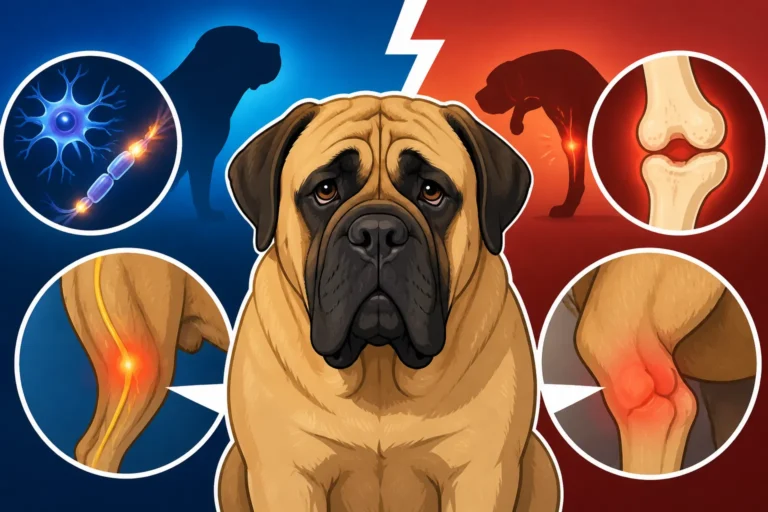
From the moment they are puppies, Mastiffs are growing at an incredible rate, sometimes gaining several pounds a week. This rapid growth puts immense stress on their developing bones and joints. Unlike smaller dogs, their skeletons are constantly working overtime to support a massive frame. While we might associate arthritis with the creaking joints of an elderly dog, for a Mastiff, the groundwork for this condition can be laid long before their first birthday. Conditions like hip and elbow dysplasia, which are tragically common in our breed, are often the precursors to early arthritis. These developmental abnormalities mean the joint doesn't fit together correctly, leading to abnormal wear, inflammation, and eventually, degenerative joint disease, even when the dog is still relatively young. You might find it helpful to read about why a Mastiff's hips fail under its own weight or how Elbow Dysplasia Affects One Mastiff in Seven.
Genetics play a huge, undeniable role here. Reputable Mastiff breeders meticulously screen their breeding stock for conditions like hip and elbow dysplasia through certifications like OFA (Orthopedic Foundation for Animals). However, even with the best intentions and responsible breeding practices, these conditions can still emerge, as they are often polygenic, meaning multiple genes and environmental factors are involved. It's a frustrating reality that despite all precautions, a young Mastiff can still be predisposed. The sheer size and weight of a Mastiff, which can easily exceed 150-200 pounds, means that every step, every rise from a lying position, every movement places considerable strain on their joints. This constant, heavy load accelerates the degenerative process when compared to a smaller, lighter breed. It’s a sad truth that their magnificence also contributes to their vulnerability.
Recognizing the Subtle Signs of Arthritis
Spotting the early signs of arthritis in a Mastiff, especially a younger one, can be tricky. They are often stoic, and their size can mask subtle changes in movement. You might not see an obvious limp at first. Instead, it’s often a collection of small, almost imperceptible shifts in behavior and posture that whisper of underlying discomfort. These dogs are masters of adapting, so they might subtly alter their gait or limit their activity without you even realizing they're in pain.
One of the first things you might notice is a change in their willingness or enthusiasm for activities they once loved. Maybe they used to bound out to the yard, and now they take a moment to stretch before slowly meandering outside. Perhaps they’re less eager to go for a walk, or they cut playtime short. You might observe a stiffness, particularly after resting, like when they first get up in the morning or after a long nap. They might move a little slower, seem a bit creaky, and take longer to "warm up." This isn't just them being lazy; it's their body telling you something hurts. Watch for subtle changes in their gait – a slight unevenness, a hesitant step, or a tendency to favor one leg without lifting it completely. They might also appear hesitant to use stairs or jump into the car, even if they used to do so with ease. It's important to remember that even The Shifting Lameness of a Growing Mastiff could be an early indicator of developing joint issues.
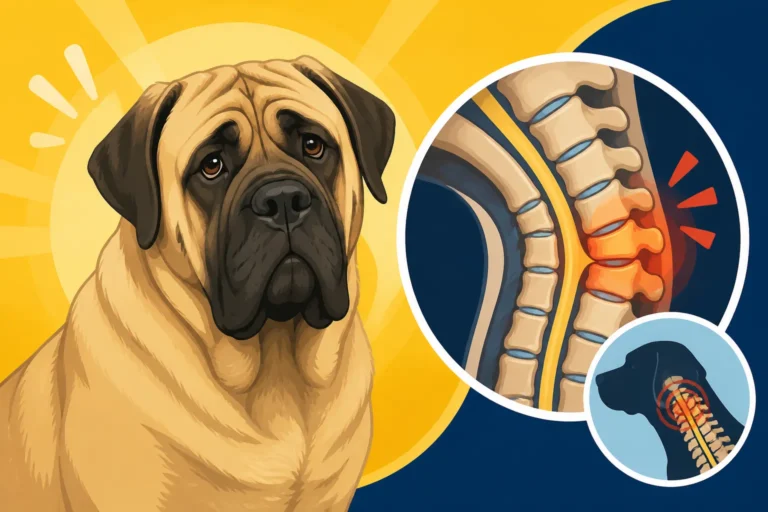
Beyond movement, pay attention to behavioral cues. An arthritic Mastiff might become a little more withdrawn, less playful, or even a bit irritable when touched in certain areas. They might start licking or chewing excessively at a particular joint, indicating localized pain. Some dogs might vocalize – a soft whine or groan – when adjusting positions or attempting to stand. You might also notice muscle atrophy around the affected joint, as they try to protect it by shifting weight, leading to less use and subsequent muscle loss. Their posture could change too; they might stand or sit in unusual ways to alleviate pressure on a sore joint. Take careful note of when these signs appear. Do they worsen after activity, or with changes in weather? Keeping a diary of these observations can be incredibly helpful when discussing concerns with your veterinarian. This early detection is critical because the sooner you intervene, the better you can manage the condition and maintain your Mastiff's quality of life.
Diagnosis and Initial Management Strategies
If you’ve started noticing any of these subtle signs, the very first step is a comprehensive veterinary visit. Don't wait, hoping it will resolve itself. Your vet will perform a thorough physical examination, feeling their joints for swelling, pain, or reduced range of motion. They’ll observe your Mastiff's gait and how they move. Be prepared to discuss all the small changes you've observed, even if they seem insignificant.
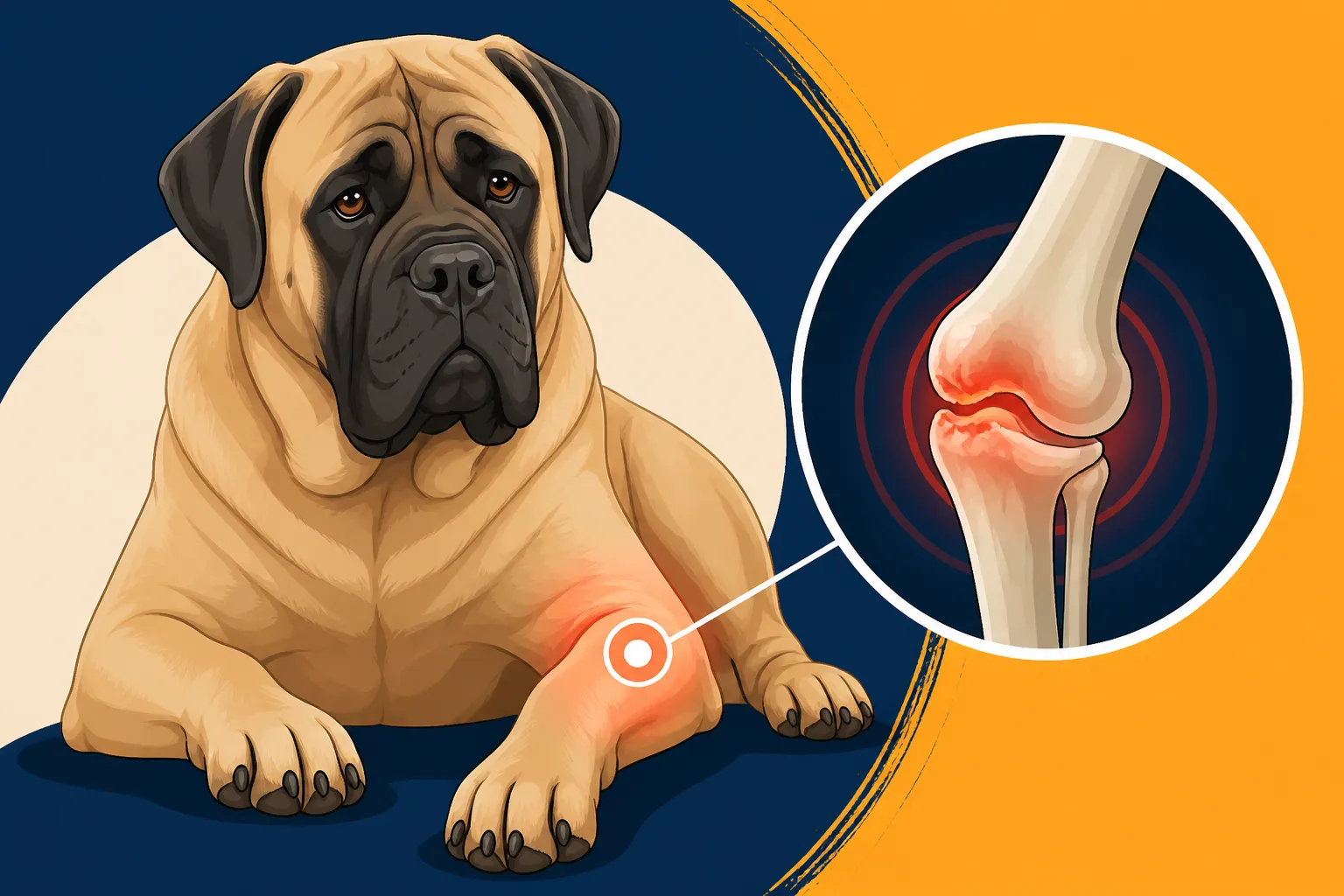
Diagnostic imaging, primarily X-rays, will likely be recommended to get a clearer picture of what's happening inside those big joints. X-rays can reveal changes indicative of arthritis, such as joint space narrowing, bone spurs (osteophytes), and cartilage loss. In some cases, your vet might suggest more advanced imaging like an MRI or CT scan, especially if the initial X-rays are inconclusive or they suspect other underlying issues, but for general arthritis, X-rays are the gold standard. Once a diagnosis of arthritis is confirmed, the focus shifts to management, as arthritis is a progressive condition that unfortunately cannot be cured. The goal is to minimize pain, reduce inflammation, slow the progression of the disease, and maintain mobility and quality of life.
Initial management often involves a multi-modal approach. Non-steroidal anti-inflammatory drugs (NSAIDs) are a common first line of defense to reduce pain and inflammation, and your vet will prescribe the appropriate medication and dosage for your Mastiff's specific needs. These medications can make a huge difference in your dog's comfort levels, but they must be used under veterinary supervision due to potential side effects. Beyond medication, your vet might recommend specific joint supplements that contain ingredients like glucosamine, chondroitin, and MSM, which can help support cartilage health and reduce inflammation. These aren't quick fixes, but they can contribute to long-term joint health. You might be interested in researching Joint Supplements for a Mastiff.
Here's a quick overview of initial diagnostic and management steps:
| Step | Purpose | Common Approach |
|---|---|---|
| Veterinary Examination | Assess physical condition, identify pain points, observe gait. | Palpation of joints, flexion/extension tests, walk/trot observation. |
| Diagnostic Imaging (X-rays) | Visualize joint structure, identify signs of degeneration (bone spurs, joint space). | Sedated X-rays of hips, elbows, spine, or other suspected areas. |
| Pain & Inflammation Control | Alleviate discomfort, improve mobility, reduce destructive inflammation. | Prescription NSAIDs (e.g., Carprofen, Galliprant), gabapentin for neuropathic pain. |
| Nutritional Support | Provide building blocks for cartilage, reduce inflammation. | Glucosamine, chondroitin, MSM, Omega-3 fatty acids (fish oil). |
| Controlled Exercise | Maintain muscle mass, support joint function without overstressing. | Short, frequent leashed walks, swimming, avoiding high-impact activities. |
| Weight Management | Reduce load on joints, critical for all arthritic dogs. | Diet adjustment, regular monitoring of body condition score. |
Managing a Mastiff with arthritis, even a young one, requires commitment, and the costs associated with chronic conditions can quickly add up. Exploring pet insurance options early, like those offered by Healthy Paws, can provide immense peace of mind. Many pet parents find that having a robust insurance plan helps them make healthcare decisions based on what's best for their beloved dog, rather than being solely driven by financial concerns.
Long-Term Care and Proactive Prevention
Living with a Mastiff battling arthritis, especially one so young, means embracing a lifestyle of proactive management and continuous care. This isn't just about managing pain; it's about optimizing their environment, diet, and daily routine to support their joints and ensure they can live their best, most comfortable life for as long as possible. The good news is there's a lot you can do to help.
One of the most impactful strategies is stringent weight management. Every extra pound your Mastiff carries puts exponentially more stress on their already compromised joints. Keeping them lean, almost "ribby" by Mastiff standards, is paramount. Work with your vet to determine an ideal body condition score and stick to a feeding plan that helps maintain it. This often means carefully portioned meals of high-quality, large-breed appropriate dog food. Remember, Whether an Overweight Mastiff Dies Younger is a real concern, and joint health plays a huge role in overall longevity.
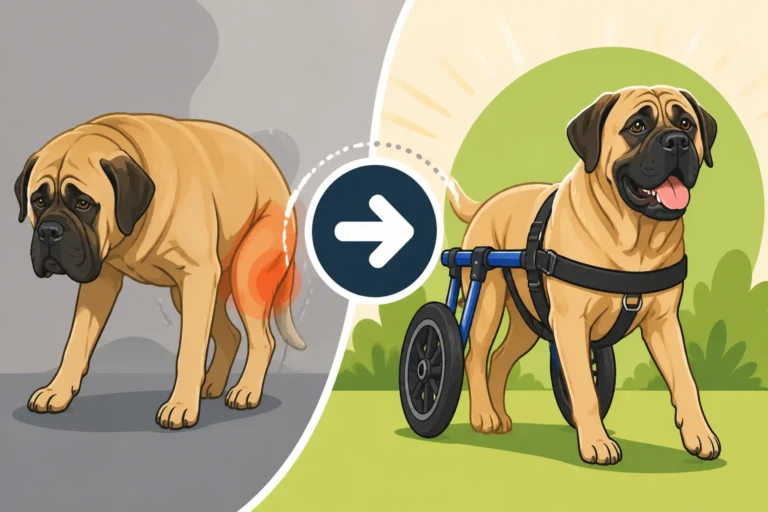
Exercise, while important, must be carefully controlled. High-impact activities like running, jumping, or rough play are out. Instead, focus on low-impact activities that build and maintain muscle mass without jarring the joints. Short, frequent walks on soft surfaces are ideal. Swimming is often recommended as an excellent non-weight-bearing exercise that strengthens muscles without stressing joints – in fact, Whether a Mastiff Should Swim for Its Joints is a common question, and the answer is often a resounding yes! Physical therapy and rehabilitation can also be incredibly beneficial. This might include hydrotherapy (underwater treadmill), therapeutic massage, laser therapy, or specific exercises prescribed by a certified canine rehabilitation therapist. These therapies can reduce pain, improve range of motion, and strengthen supporting muscles.
Creating a joint-friendly home environment is also crucial. Provide orthopedic beds in multiple locations around the house to encourage resting on supportive surfaces. Use non-slip rugs or runners on hardwood or tile floors to provide traction and prevent slips that can exacerbate joint pain. Consider ramps for getting into cars or up onto furniture if your Mastiff is struggling. Anything you can do to reduce sudden impacts or strain on their joints will make a difference. As Mastiffs age, it becomes even more vital to understand Caring for a Mastiff Past Five, even though your dog is currently only four. Proactive management now will pay dividends down the road.
Regular veterinary check-ups are non-negotiable. Your vet will monitor the progression of the arthritis, adjust medications as needed, and explore new treatment options as they become available. This might include injections like polysulfated glycosaminoglycans (PSGAGs) or even advanced pain management techniques. While it's a difficult conversation, sometimes surgical interventions, like total hip replacement or joint fusion, might be considered in severe cases, though these are major procedures, especially for a giant breed. Continuous management, combined with the comprehensive coverage that a good pet insurance policy from providers like Healthy Paws can offer, ensures you have the financial flexibility to pursue the best possible care throughout your Mastiff's life, from diagnostic imaging to specialized therapies and ongoing medication costs. Knowing that the financial burden is eased allows you to focus purely on your dog's well-being.
Disclaimer
This article is intended for informational purposes only and does not constitute veterinary advice. Always consult with a qualified veterinarian for any health concerns or before making any decisions about your Mastiff's care, diet, or treatment plan.