Whether TPLO Surgery Suits a Two Hundred Pound Mastiff
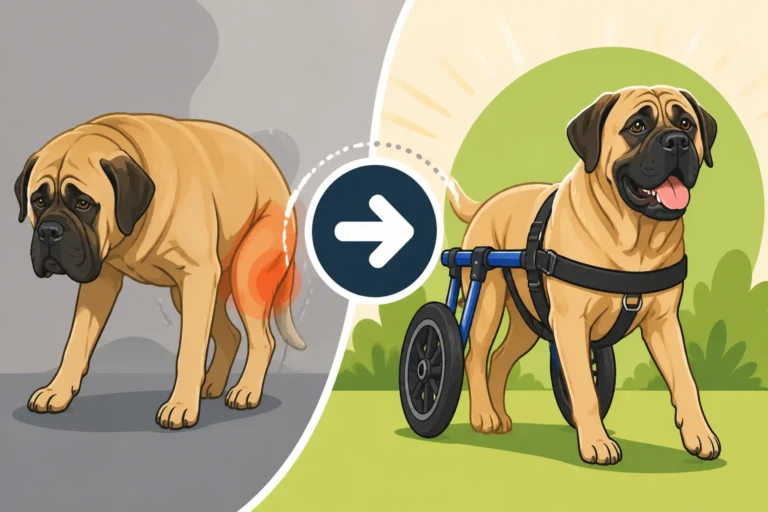
Seeing your beloved Mastiff struggle with a torn cranial cruciate ligament (CCL) is heartbreaking, especially when you know their immense size complicates everything from daily movement to medical care. The thought of major surgery on a 200-pound gentle giant can feel overwhelming, but this guide will walk you through whether TPLO surgery is a suitable and effective option for your big dog.
Understanding Cranial Cruciate Ligament (CCL) Tears in Mastiffs
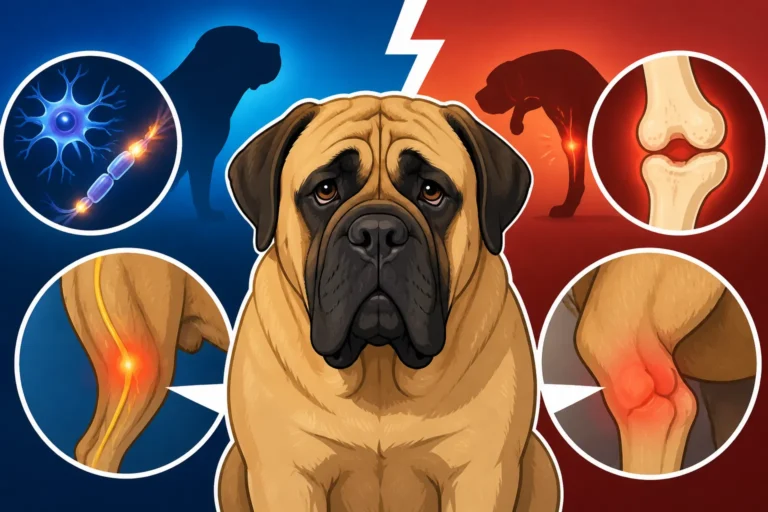
When your Mastiff suddenly starts limping or holding a back leg up, your heart sinks. Often, especially in large breeds, this can be a sign of a cranial cruciate ligament (CCL) tear, which is equivalent to an ACL tear in humans. This isn't just a minor sprain; it's a serious injury that destabilizes the knee joint and can lead to significant pain and progressive arthritis if not addressed.
The Mechanics of a Mastiff's Knee Injury
Imagine a strong cable holding your knee joint steady. That's essentially what the CCL does for your Mastiff. When this ligament tears, either partially or completely, the knee joint becomes unstable. Every step your Mastiff takes, especially with their immense body weight, causes the femur (thigh bone) to slide backward on the tibia (shin bone), a movement known as "tibial thrust." This grinding motion is not only incredibly painful but actively damages other structures within the knee, most notably the menisci, which are cartilage pads that act as shock absorbers.
The reality for a Mastiff is that their sheer size puts incredible stress on these joints. Even a minor tear can quickly become a complete rupture simply due to the forces involved in everyday activities. Unlike smaller dogs who might be able to manage a partial tear with conservative management, a 200-pound Mastiff almost always requires surgical intervention to regain stability and prevent further deterioration. Many owners are surprised to learn that it's actually quite common for a Mastiff to experience a cruciate ligament injury. If you're wondering, you can learn more about exactly Whether a Mastiff Tears a Cruciate Ligament.
Why Conservative Management Rarely Works for Giant Breeds
While some smaller dogs or those with very minor partial tears might find some relief with rest, anti-inflammatory medications, and physical therapy, this approach is usually insufficient for a Mastiff. The sheer mass and power of a 200-pound dog mean that the knee simply cannot stabilize itself without surgical intervention. Trying to avoid surgery often leads to chronic pain, severe osteoarthritis, and the inability to use the leg effectively, significantly impacting their quality of life.
Think about it: every time they stand up, shift their weight, or take a step, that tibia is sliding forward, causing pain and further damage. No amount of rest can truly counteract that fundamental instability when a dog of a Mastiff's stature is involved. Furthermore, without stability, the risk of tearing the meniscus increases dramatically. Many a vet has said, "If you want to spend less money, operate sooner." This is because treating severe arthritis or a meniscal tear after conservative management has failed can be more complex and expensive than addressing the primary instability upfront.
Why TPLO is a Common Choice for Large Breeds, But With Mastiff Considerations
Tibial Plateau Leveling Osteotomy (TPLO) is one of the most common and successful surgical procedures for correcting CCL tears in large and giant breed dogs. It’s a technique that fundamentally changes the biomechanics of the knee joint. But for a Mastiff, there are specific factors to weigh.
How TPLO Surgery Redesigns the Knee
Instead of trying to replace the torn ligament, which often fails in large, active dogs, TPLO surgery works by altering the angle of the tibia bone. Here's a simplified breakdown:
- Cutting the Bone: A curved cut is made in the top part of the tibia, just below the knee joint. This section is called the tibial plateau.
- Rotating the Segment: The surgeon then rotates this segment of bone to flatten the angle of the tibial plateau.
- Stabilizing with a Plate: A bone plate and screws are used to secure the rotated segment in its new position.
The goal is to create a new, flatter angle where the weight-bearing forces no longer cause the femur to slide backward. Essentially, TPLO eliminates the need for the CCL by redistributing the forces within the joint, making the knee stable without an intact ligament. This approach is highly effective because it addresses the core biomechanical problem.
Specific Challenges for a 200-Pound Mastiff
While TPLO is highly effective, the sheer size of a 200-pound Mastiff introduces unique challenges:
- Anesthesia Risk: Any surgery carries anesthetic risks, but these are amplified for giant breeds. Mastiffs are known to have a higher risk with anesthesia, not just because of their size, but due to their physiology. Careful pre-anesthetic screening, including bloodwork and sometimes cardiac evaluations, is paramount. You can find more information about How Much Anesthetic a Two Hundred Pound Mastiff Takes and Why Anesthesia Is Riskier in a Mastiff.
- Bone Healing: Healing a cut bone in a dog that weighs 200 pounds requires strong internal fixation and a much longer, more disciplined recovery period. The bone plate and screws used must be incredibly robust to withstand the immense forces.
- Mobility During Recovery: A 200-pound Mastiff is incredibly difficult to manage if they cannot bear weight or need strict restriction. Helping them get up, move outside for potty breaks, and prevent them from jumping or running is a Herculean task for any owner.
- Cost Implications: Everything from the specialized surgical equipment to the amount of anesthetic required, and the extended hospitalization or specialized care, scales up significantly with a dog of this size. The cost of such a procedure can be substantial, and it’s wise to explore options like pet insurance from companies like Healthy Paws if you haven't already.
Weighing the Pros and Cons of TPLO for a 200-Pound Mastiff
Deciding on TPLO for your giant Mastiff is a big decision, and it’s important to understand both the advantages and the potential drawbacks.
The Advantages: Why TPLO is Often the Best Option
Despite the challenges, TPLO offers significant benefits for a 200-pound Mastiff:
- Superior Stability: TPLO provides excellent long-term stability for the knee joint, which is crucial for a dog of this size to move comfortably and without pain. This improved stability can help prevent the progression of arthritis, though some level of arthritis will always be a consequence of the initial injury.
- Faster Weight Bearing: Many dogs begin to bear weight on the operated leg relatively quickly after TPLO compared to some other surgical techniques. For a Mastiff, getting them on their feet as soon as safely possible is vital for their overall well-being and to prevent muscle atrophy.
- Reduced Meniscal Injury Risk: By stabilizing the joint and eliminating tibial thrust, TPLO significantly reduces the risk of future injury to the menisci, which are frequently damaged after a CCL tear.
- Improved Long-Term Function: Studies consistently show high success rates for TPLO in restoring good to excellent limb function, allowing large dogs to return to normal activities. This means a better quality of life for your Mastiff, free from chronic debilitating pain.
- Expert Surgeons: TPLO is typically performed by board-certified veterinary surgeons who have extensive experience with complex orthopedic cases, often in specialized referral hospitals. This expertise is particularly important when dealing with the unique anatomy and recovery challenges of a giant breed. If you are researching where to have such a specialized surgery done, consider looking into Whether a Mastiff Needs a Referral Hospital for Surgery.
The Disadvantages and Considerations
No surgery is without its downsides, and TPLO for a Mastiff requires careful thought:
- Invasiveness: TPLO is a major orthopedic surgery involving cutting bone. It is more invasive than some other techniques, and thus requires meticulous surgical technique and a commitment to post-operative care.
- Recovery Period: The recovery period is lengthy and demanding, typically 12-16 weeks, sometimes longer for a Mastiff. Strict activity restriction, leash walks only, and controlled rehabilitation exercises are non-negotiable. This means preventing a 200-pound dog from running, jumping, or playing, which is a significant commitment. Detailed post-surgical monitoring is essential, and you might want to understand What Post Surgical Monitoring Costs on a Mastiff.
- Potential Complications: While rare, complications can include infection (especially a concern with large implants), implant failure, or delayed bone healing. For a giant breed, any complication can be more severe and harder to manage.
- Cost: TPLO surgery is expensive. Expect costs to range from $4,000 to $6,000 per knee, and potentially more in major metropolitan areas or with specialist facilities. This often doesn't include the initial diagnostics, post-operative radiographs, or rehabilitation. Pet insurance from providers like Healthy Paws can be a lifesaver, covering a significant portion of these expenses, easing the financial burden on owners. The fact is, The Mastiff's Short Life Buys the Biggest Bills, and orthopedic surgeries are a prime example.
- Bilateral Tears: It’s not uncommon for dogs, especially large breeds, to tear the CCL in the other knee within a year or two of the first injury. This means potentially facing another surgery, recovery, and expense.
Here's a brief comparison of considerations for TPLO in a 200-pound Mastiff:
| Factor | TPLO Considerations for a 200-Pound Mastiff |
|---|---|
| Surgical Success | High success rates in achieving stability and good function, crucial for managing immense body weight. |
| Anesthetic Risk | Elevated risk due to size and breed-specific physiology; requires experienced anesthesia team and thorough pre-op screening. |
| Bone Healing | Requires robust implants and a disciplined, longer recovery to ensure proper bone fusion under significant load. |
| Post-Op Management | Extremely challenging to restrict activity and assist mobility for a 200-pound dog; often requires two people for support. |
| Cost | Significantly higher due to scale of surgery, implant size, anesthesia, and specialized care; pet insurance is highly recommended. |
| Arthritis Progression | Significantly slows the progression of severe arthritis compared to conservative management but some arthritis will still develop. |
Post-Operative Care and Recovery for Your Giant
Undergoing TPLO surgery is only half the battle; the real work begins with the diligent post-operative care and rehabilitation, especially for a dog as large as a Mastiff. This phase is critical for the success of the surgery and your Mastiff’s long-term comfort.
Immediate Post-Surgery Management
The first few days after surgery are all about pain management and strict rest. Your Mastiff will likely be on strong pain medications and anti-inflammatories. They’ll need a quiet, comfortable space where they can’t jump on furniture or try to navigate stairs. Your veterinary surgeon or rehabilitation specialist will provide detailed instructions, which might include icing the incision site and gentle range-of-motion exercises.
You'll need to be hyper-vigilant about the incision site, keeping it clean and dry, and watching for any signs of infection, such as redness, swelling, or discharge. Preventing your Mastiff from licking or chewing the incision is crucial, which usually means a comfortable e-collar (cone of shame) for several weeks. Remember, managing a 200-pound dog who is uncomfortable or trying to escape their cone requires patience and consistency.
The Long Road of Rehabilitation
The recovery from TPLO for a Mastiff is a marathon, not a sprint. Typically, it involves several stages over 3 to 4 months, sometimes longer.
- Strict Rest and Leash Restriction (Weeks 1-6): This means absolutely no off-leash activity, no running, jumping, or playing. Your Mastiff should only be out of their resting area for short, controlled leash walks to potty. You will need a sling or a sturdy harness with handles to help them get up and support their weight, especially when going outside or on slippery surfaces. Trying to lift an old Mastiff that cannot get up is a challenge, and a recovering one is no different. Even going up or down a single step needs to be done with extreme caution and assistance.
- Gradual Increase in Activity (Weeks 7-12): Under the guidance of your vet or a certified rehabilitation therapist, activity will slowly increase. This might include longer leash walks, controlled exercises like standing on an incline, and gentle swimming or underwater treadmill therapy, which can be fantastic for building muscle without putting excessive stress on the joint. Physical therapy is incredibly beneficial for Mastiffs after TPLO, helping to rebuild muscle strength and improve range of motion.
- Full Return to Activity (Months 3-4+): Full recovery means a return to normal activities, but it's important to remember that "normal" for a Mastiff might mean avoiding high-impact sports to protect their joints. Regular check-ups and radiographs will be needed to ensure proper bone healing and to monitor for any signs of complications. Many owners continue joint supplements for a Mastiff throughout their life to support joint health, especially after major surgery.
This entire process demands significant commitment from the owner. You’ll be dedicating considerable time and effort to your Mastiff’s recovery, but the reward is seeing them regain their mobility and quality of life. Be prepared for occasional setbacks, as even the most well-behaved Mastiff can have moments of exuberance that test the limits of their recovery.
Living a Full Life After TPLO
Successfully navigating TPLO surgery and recovery means your Mastiff has the best chance at a comfortable, active life. While they might have Arthritis in a Mastiff at Four and beyond, managing it well after TPLO can make a world of difference.
Ongoing Joint Support
Even after successful TPLO, your Mastiff will likely develop some degree of arthritis in the operated joint due to the initial injury. Ongoing management is key to their comfort. This often includes:
- Joint Supplements: Glucosamine, chondroitin, MSM, and Omega-3 fatty acids can help support cartilage health and reduce inflammation.
- Weight Management: Keeping your Mastiff at a lean, healthy weight is paramount. Every extra pound puts undue stress on their joints, especially a recovering knee. Remember, The Weight Range a Male Mastiff Should Hold and The Weight Range a Female Mastiff Should Hold are crucial guides.
- Regular, Moderate Exercise: Consistent, low-impact exercise like controlled leash walks and swimming (if appropriate for your Mastiff) helps maintain muscle mass and joint flexibility without causing excessive strain.
- Comfortable Bedding: Orthopedic beds are a must for Mastiffs, providing cushioning and support, especially on their pressure points and surgical sites. What an Orthopedic Bed for a Mastiff Costs is a common question, and it's an investment worth making.
- Warmth in Cold Weather: Some dogs with arthritis find cold weather exacerbates their discomfort. A warm coat or sweater can help keep them comfortable during winter walks.
Potential for the Other Knee
As mentioned, there's a significant chance that a Mastiff who has torn one CCL may tear the other. This isn't a failure of the surgery but rather an indication of underlying genetic predisposition or biomechanical factors. Keeping your Mastiff lean and well-conditioned can help minimize the risk to the contralateral limb, but it's a reality many giant breed owners face. It's another reason why financial planning, perhaps with a robust pet insurance policy like those offered by Healthy Paws, is so critical for Mastiff ownership.
Ultimately, TPLO surgery can be a truly life-changing intervention for a 200-pound Mastiff suffering from a CCL tear. It's a challenging journey, but with dedication, proper veterinary care, and unwavering love, your big dog can often regain their mobility and enjoy many more comfortable years by your side.
Disclaimer
The information provided in this article is for general informational purposes only and is not intended as a substitute for professional veterinary advice, diagnosis, or treatment. Always seek the advice of your veterinarian or other qualified animal health provider with any questions you may have regarding a medical condition or treatment for your Mastiff. Never disregard professional veterinary advice or delay in seeking it because of something you have read in this article.