Why a Cystinuric Mastiff Is Removed From Breeding
It’s heartbreaking to discover that your beloved Mastiff, or a potential breeding dog, has been diagnosed with cystinuria. This isn't just a minor health hiccup; it’s a serious genetic condition that can lead to immense pain, costly treatments, and even life-threatening complications, particularly for male Mastiffs. This guide will delve into the profound reasons why any Mastiff diagnosed with cystinuria, and often even carriers of the gene, must be responsibly removed from breeding programs to protect the health and future of this magnificent breed.
Understanding Cystinuria in Mastiffs and Its Grave Implications
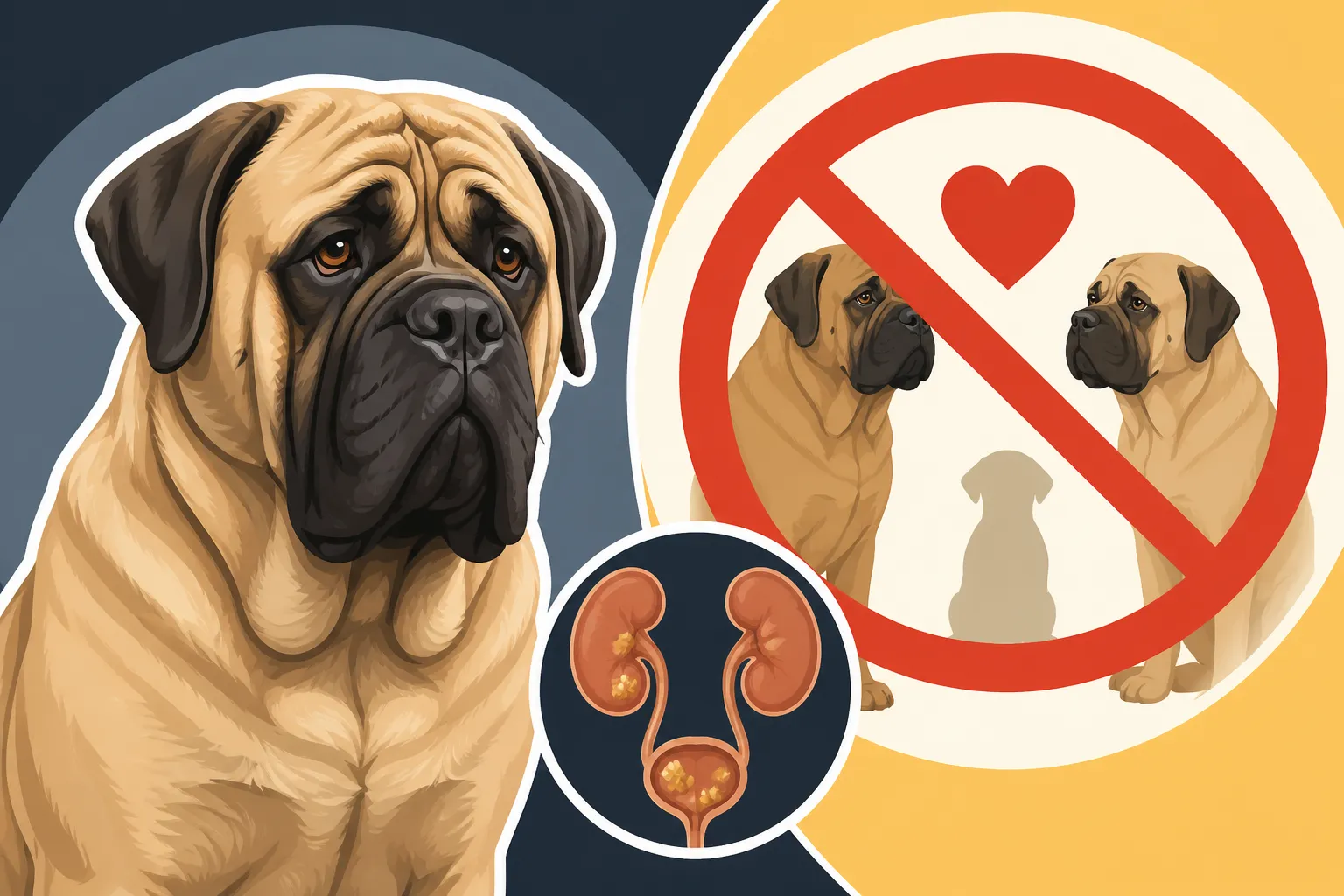
Cystinuria is a complex, inherited metabolic disorder that impacts how a dog's kidneys reabsorb an amino acid called cystine. Instead of being properly reabsorbed, cystine is excreted in excessive amounts into the urine, where it can crystallize and form stones in the urinary tract. For Mastiffs, this isn't just a textbook problem; it’s a very real and often devastating challenge that responsible breeders and owners must face head-on.
The Genetic Mechanism Behind Cystine Stone Formation
In Mastiffs, we're primarily concerned with Type III Cystinuria, a specific genetic mutation that disrupts the normal transport of cystine. Unlike some other forms of cystinuria found in various breeds, Type III in Mastiffs is unique because it's androgen-dependent. This means that male hormones (androgens) play a significant role in stone formation, which is why intact male Mastiffs are overwhelmingly the ones who suffer from this condition. It's a cruel twist of fate for these gentle giants, whose magnificent size already predisposes them to certain health challenges. The genetic flaw essentially creates a perfect storm where cystine builds up, forms crystals, and eventually hardens into painful, dangerous stones within the bladder, kidneys, or urethra. Left unchecked, these stones can lead to agonizing blockages and severe kidney damage.
Why Cystinuria Is a Grave Concern for Mastiffs Specifically
The sheer size of a Mastiff, while impressive, amplifies the danger of cystinuria. Larger dogs often mean larger stones, and larger stones in an already massive urinary tract can cause more severe and complete obstructions. Imagine a stone the size of a golf ball trying to pass through a relatively narrow tube; the pain is excruciating, and the obstruction is life-threatening. We’ve discussed What Cystinuria Type III Does to a Mastiff in detail before, highlighting how it primarily manifests as painful and recurrent urinary stones. The androgen-dependence is also a critical factor; while female Mastiffs can carry the gene, they rarely, if ever, develop stones. This is precisely Why Only Intact Male Mastiffs Form Cystine Stones, making the decision about breeding intact males even more critical. The risk starts early for some, with some Mastiffs showing signs as young as a year or two old, and we've also covered The Age a Mastiff First Blocks, which can be surprisingly young, catching many owners off guard.
The Indisputable Need for Responsible Breeding Practices
When we talk about breeding, it’s not just about creating more adorable puppies; it’s about safeguarding the health and longevity of the entire breed. For conditions like cystinuria, where a clear genetic link exists, the responsibility falls squarely on breeders to make informed and ethical decisions that prioritize health over all else.
Understanding Inheritance and Genetic Testing
Cystinuria in Mastiffs is an inherited condition, meaning it's passed down from parents to their offspring. While the exact mode of inheritance can be complex, involving multiple genes or environmental triggers alongside the genetic predisposition, the fact remains that a dog carrying the problematic gene variant can pass it on. This is where modern genetic testing becomes an indispensable tool. Reliable DNA tests are available that can identify Mastiffs who are clear of the gene, those who are carriers (meaning they have one copy of the gene but typically don't show symptoms), and those who are affected (meaning they have two copies and are at high risk of developing stones, especially if male). It’s crucial to know Whether the Cystinuria Marker Test Is Reliable in Mastiffs before relying solely on it for breeding decisions. This testing allows breeders to make proactive choices, rather than waiting for a Mastiff to suffer before realizing there's a problem. Knowing How Many Mastiffs Carry the Type III Marker within the broader population can also guide breeding strategies and highlight the importance of widespread testing.
The Breeder's Ethical Responsibility and Impact on Future Generations
A truly responsible Mastiff breeder understands that their commitment extends far beyond the sale of a puppy. It's about being a steward of the breed, striving to reduce the incidence of preventable genetic diseases. Breeding a Mastiff that is known to be affected by cystinuria, or even a carrier, can perpetuate this painful condition in future generations. It’s a gamble with a puppy’s potential health and future suffering. Imagine the heartbreak of a family whose new Mastiff puppy, full of life, starts showing signs of cystinuria at an early age. This is entirely preventable through judicious breeding choices. By removing affected dogs, and often their carrier relatives, from breeding programs, breeders are actively working to improve the genetic health pool of the Mastiff breed. This isn't always an easy decision, especially if the dog in question has other desirable traits, but it is a necessary one for the welfare of the breed. It aligns with the ethos of comprehensive health screening, similar to the reasons The CHIC Tests Both Mastiff Parents Must Clear are considered foundational for responsible breeding.
The Health Risks and Quality of Life for an Affected Mastiff
Beyond the ethical considerations for breeding, the day-to-day reality for a Mastiff suffering from cystinuria is challenging, to say the least. It’s a condition that can severely impact their quality of life and place a substantial burden on their human companions.
Immediate and Long-Term Health Consequences
The most immediate and terrifying threat for a male Mastiff with cystinuria is a complete urinary obstruction. When a stone blocks the urethra, the dog cannot urinate, leading to a rapid build-up of toxins in the body. This is an emergency situation, and time is absolutely critical. We've often stressed that The Hours a Blocked Male Mastiff Has before serious, irreversible damage occurs are very few, sometimes less than a day. Without immediate veterinary intervention, which often means emergency surgery, the consequences can be fatal.
Even if an obstruction is cleared, the problem isn't usually solved permanently. These dogs are prone to recurrent stone formation, meaning they might face multiple surgeries throughout their lives. Each surgery carries risks, and the repeated trauma to the urinary tract can lead to long-term kidney damage, chronic infections, and persistent discomfort. It's a cycle of pain, relief, and then anxiety as owners wait for the next blockage.
The Financial and Emotional Burden on Owners
Managing a Mastiff with cystinuria is not only emotionally taxing but also incredibly expensive. The specialized care required includes:
- Special Diets: Often low-protein, alkalinizing diets are prescribed to reduce cystine excretion and prevent stone formation. These are usually prescription diets and come at a premium price, especially given the sheer volume a Mastiff eats.
- Medications: Drugs like Thiola (tiopronin) can help prevent stone formation by binding with cystine, but these medications are very costly and need to be administered lifelong. We've explored Which Drug Dissolves a Mastiff's Cystine Stones in more detail.
- Frequent Veterinary Visits: Regular urine analyses, ultrasounds, and X-rays are necessary to monitor for new stone formation.
- Surgeries: As mentioned, surgery to remove stones can be incredibly expensive, particularly for a giant breed like a Mastiff where anesthesia dosage and surgical complexity are amplified. What Stone Surgery Costs on a Mastiff can easily run into thousands of dollars for a single procedure, and as a result, many owners invest in pet insurance. Companies like Healthy Paws are invaluable in helping families manage these often unexpected, astronomical veterinary bills.
- Hydration Management: Ensuring the dog drinks plenty of water helps dilute the urine, reducing stone formation. This might involve adding water to food or providing multiple water sources, details covered in How Much Water a Cystinuric Mastiff Needs.
The table below outlines some of the ongoing management requirements and their implications for a cystinuric Mastiff.
| Aspect of Care | Healthy Mastiff | Cystinuric Mastiff (Intact Male) | Implications for Owner |
|---|---|---|---|
| Diet | Standard high-quality large breed kibble | Prescription low-protein, alkalinizing diet | Higher monthly food costs, limited treat options |
| Medication | Routine preventatives (flea, heartworm) | Routine preventatives + lifelong cystine-binding drugs | Significantly increased monthly medication expenses |
| Vet Visits | Annual check-ups, occasional illness | Quarterly check-ups, frequent urine/ultrasound monitoring | More frequent appointments, higher diagnostic costs |
| Emergency Risk | Low (general health concerns) | High (urinary obstruction) | Constant vigilance, readiness for immediate emergency care |
| Surgery Potential | Low | High (multiple stone removal surgeries possible) | Astronomical surgical costs, post-op recovery challenges |
| Neutering Status | Owner's choice, often done at appropriate age | Highly recommended to reduce stone recurrence (often done early) | Impacts behavior, potential for other health benefits/risks |
The emotional toll of watching your gentle giant suffer, enduring chronic pain, and undergoing repeated medical procedures is immense. It's a commitment that many are willing to make for their beloved companion, but it’s one that no responsible breeder should knowingly pass on to new families. Neutering can sometimes help resolve the issue by removing the androgen component, as discussed in Whether Neutering Resolves a Mastiff's Cystinuria, and Why Neutering Changes a Cystinuric Mastiff's Diet, but it doesn't always guarantee a stone-free future.
Making the Responsible Breeding Decision for a Cystinuric Mastiff
The ultimate goal for any ethical breeder is to produce healthy, sound dogs that will live long, happy lives as cherished family members. When a genetic condition like cystinuria enters the picture, the path forward becomes clear, even if difficult.
Removing Affected and Carrier Mastiffs from Breeding Programs
For a Mastiff that has been diagnosed as affected with cystinuria, the decision is straightforward: they must be removed from breeding. This typically involves spaying or neutering the dog, ensuring they cannot pass on the genetic predisposition to their offspring. This isn't a punishment for the dog; it's an act of compassion, protecting both the individual animal from further health complications and the wider breed from the perpetuation of the disease.
The more nuanced decision comes with carriers. If a Mastiff is a carrier, meaning they possess one copy of the gene but are healthy, the decision to breed them or not depends on several factors:
- Prevalence: How common is the carrier status in the breed? If it's widespread, removing all carriers could drastically reduce the gene pool.
- Genetic Diversity: Is the carrier dog essential for maintaining genetic diversity within the breed?
- Partner's Status: If a carrier is bred, the partner must be DNA-tested and be clear (not a carrier, not affected). Even then, responsible breeders will often opt to remove carriers from breeding altogether to simplify things and ensure no affected puppies are ever produced.
The risk of breeding even a carrier is that if unknowingly bred to another carrier, 25% of the puppies could be affected, and 50% could be carriers themselves. This perpetuates the problem rather than solving it. For the long-term health of the Mastiff breed, the most responsible action is to err on the side of caution and ensure that only genetically clear dogs are used for breeding, or at the very least, that carrier-to-carrier breedings are strictly avoided. This might lead to breeders finding that Why Few Mastiff Breeders Break Even is even more pronounced due to extensive testing and careful breeding decisions.
Improving the Breed's Future, One Generation at a Time
Every decision made in a breeding program echoes through generations. By conscientiously removing cystinuric Mastiffs and, where appropriate, their carrier relatives, from breeding, we contribute to a healthier future for the entire breed. It helps to ensure that the Mastiff, known for its majestic presence and gentle nature, can continue to thrive without the shadow of preventable genetic diseases hanging over it. This commitment reinforces the integrity of the breed and upholds the standard of care that these magnificent animals deserve.
For those Mastiffs diagnosed with cystinuria, whether they are removed from breeding or not, their future is as cherished pets. With proper veterinary care, dietary management, and a vigilant owner, they can still live fulfilling lives, free from the burden of contributing to a genetic problem. They might require more specialized care and attention, but the love and companionship they offer are immeasurable.
Disclaimer
This article is for general informational purposes only and does not constitute professional advice. Laws, prices and regulations vary by location and change over time. Consult a qualified professional for guidance on your specific situation.