The Age a Mastiff First Blocks
One of the most terrifying emergencies a Mastiff owner can face is a urinary blockage, especially in an intact male. It's a sudden, life-threatening situation that can go from "he's just holding it" to "he's in critical condition" faster than you'd believe possible. This guide is here to shed light on exactly when these blockages tend to start, what causes them, and most importantly, what you need to do to protect your beloved giant.
Understanding Cystinuria and the Mastiff's Unique Predisposition
Let's be clear from the start: urinary blockages in Mastiffs, particularly intact males, aren't just a random occurrence. They are often rooted in a genetic condition called cystinuria. This isn't just about a dog "getting a stone;" it's about a fundamental issue in how their body processes certain things, leading to a very specific and dangerous type of stone.
What Exactly is Cystinuria Type III?
Cystinuria is an inherited metabolic disorder where the kidneys are unable to properly reabsorb certain amino acids, including cystine. Instead of being reabsorbed back into the bloodstream, cystine is spilled into the urine in abnormally high concentrations. This isn't inherently dangerous until those high concentrations cause the cystine to crystallize and form stones.
For Mastiffs, we're specifically talking about Cystinuria Type III and the Intact Male Mastiff, which is a distinct form of the disease. It's characterized by its dependence on male hormones and its prevalence within certain giant breeds. These stones aren't like other types of urinary stones that might be caused by diet or infection; they are a direct consequence of this genetic glitch. If you've ever had a dog with a different kind of stone, you might think you know what to expect, but cystine stones, especially in a large breed, present a unique set of challenges and urgency. It's a tough hand to be dealt, but understanding the specifics is the first step in managing it.
Why Are Intact Male Mastiffs at Higher Risk?
This is where the plot thickens and becomes deeply specific to male Mastiffs. The Type III cystinuria seen in our giants is what we call "androgen-dependent." This means that the production and excretion of cystine into the urine are directly influenced by male hormones, specifically testosterone. It’s Why Mastiff Cystinuria Is Androgen Dependent in a nutshell, and it’s a critical piece of information for any Mastiff owner.
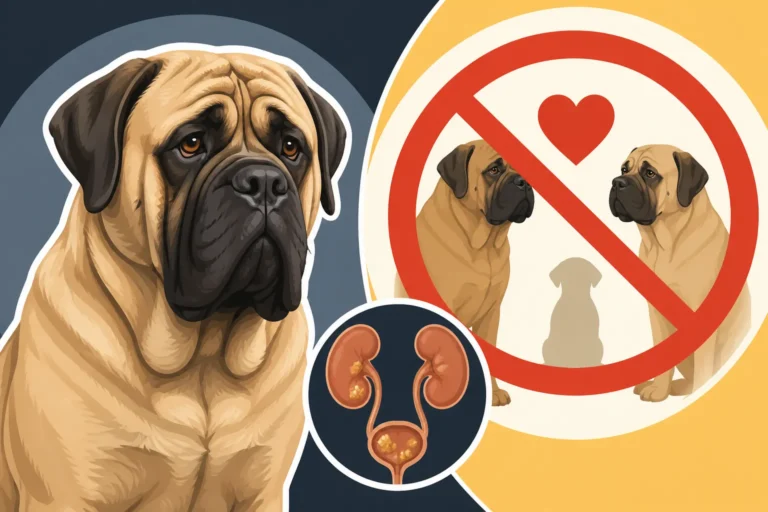
Because testosterone plays such a significant role, intact male Mastiffs are overwhelmingly the ones affected by stone formation and subsequent blockages. Their hormonal environment creates the perfect storm for those cystine crystals to form and clump together into dangerous stones. This is precisely Why Only Intact Male Mastiffs Form Cystine Stones. You almost never hear of a female Mastiff, or even a neutered male, experiencing a blockage from cystinuria Type III. This isn't to say females can't have other urinary issues, but this particular, terrifying blockage is a male problem. It means that if you have an intact male Mastiff, this isn't just a general health concern; it's a specific and elevated risk you need to be acutely aware of.
The Typical Onset of Blockages in Young Adult Mastiffs
It’s often said that Mastiffs don't develop these issues until they're older, but that's a dangerous misconception when it comes to cystinuria. While some conditions manifest later in life, this one often makes its unwelcome appearance in what should be the prime of your dog's life, catching many owners completely off guard.
The Age Range for First Clinical Signs
While every dog is an individual, clinical signs of cystinuria, specifically the formation of stones large enough to cause a blockage, most commonly appear when intact male Mastiffs are in their young adult years. We're generally talking about a window between 18 months and 5 years old, with many cases surfacing between 2 and 3 years of age. It's rarely something you see in a tiny puppy because their hormone levels haven't ramped up to the point where they are contributing to crystal formation significantly.
Imagine bringing home your Mastiff puppy, watching him grow into a magnificent, powerful young dog. He's past the clumsy puppy stage, full of life, and then suddenly, seemingly out of nowhere, he starts acting strangely around the litter box. This unexpected timing can make the initial symptoms even more alarming. You wouldn't expect such a severe, life-threatening issue in a dog that's still so young and robust, but that's precisely when many of these blockages manifest. Knowing this typical age range helps owners remain vigilant during this critical period.
Recognizing the Warning Signs of a Blockage
Recognizing the signs of a urinary blockage is not just important; it’s absolutely life-saving. These are not symptoms you can afford to "wait and see" about. A blocked dog is an emergency, and every minute counts. The most common and critical signs you'll observe in a Mastiff, or any male dog, with a urinary blockage include:
- Straining to urinate (stranguria): This is often mistaken for constipation. Your dog will squat repeatedly, straining, but very little or no urine will come out. He might even cry or vocalize in discomfort.
- Frequent attempts to urinate: He'll keep going to his potty spot, sometimes every few minutes, but again, with minimal success.
- Lethargy and loss of appetite: As toxins build up in his system, he'll start to feel unwell, become subdued, and might refuse food or water.
- Abdominal pain: He might guard his belly, groan when touched, or sit in a hunched-up position.
- Blood in the urine (hematuria): If any urine does pass, it might be tinged pink or red.
It's crucial to understand The Hours a Blocked Male Mastiff Has before irreversible damage occurs. A complete blockage can lead to kidney failure and rupture of the bladder within a matter of hours. This is why immediate veterinary attention is non-negotiable. Don't waste time trying home remedies or waiting for the morning if it happens at night; this is a medical crisis.
To help distinguish, here's a quick comparison of common urinary issues:
| Symptom / Condition | Urinary Blockage (Cystine Stone) | Minor UTI (Bladder Infection) |
|---|---|---|
| Straining to Urinate | Severe, little to no urine produced | Mild to moderate, small amounts passed |
| Urgency/Frequency | Extremely high, constant attempts | Increased, but not constant, often more productive |
| Pain Level | Severe, dog may cry out, hunched posture | Mild discomfort, licking genital area |
| Lethargy/Appetite | Rapid onset, significant decrease/loss | Gradual, may be normal or slightly reduced |
| Blood in Urine | Common, often dark | Possible, usually pinkish |
| Urine Stream | Absent or dribbles | Weak or normal |
| Overall Demeanor | Rapidly deteriorating, sick-looking | Uncomfortable, but usually still active |
| Emergency? | ABSOLUTELY, LIFE-THREATENING | Yes, requires vet, but not immediate life-or-death |
Diagnosis, Emergency Treatment, and Long-Term Management
When your Mastiff is straining and can’t urinate, it's a terrifying moment. You rush them to the vet, heart pounding, hoping for the best but fearing the worst. The journey from diagnosis to recovery, and then to long-term prevention, is a multi-step process that demands quick action and a solid plan.
The Immediate Need for Veterinary Intervention
Upon arrival at the emergency vet, a Mastiff suspected of having a urinary blockage will undergo immediate examination. The vet will quickly feel their abdomen for a distended, painful bladder. Diagnostics often include an ultrasound or X-ray to confirm the presence and location of the stone. Once confirmed, the clock is truly ticking. The primary goal is to relieve the blockage and allow urine to flow again.
This usually involves passing a urinary catheter to push the stone back into the bladder or, if possible, out of the urethra. This procedure, known as hydropropulsion, is often successful, but sometimes the stone is too large or too firmly lodged. In such cases, or if repeated blockages occur, surgery may be necessary to remove the stones directly from the bladder – a procedure called a cystotomy. This is an extensive surgery, especially for a large breed like a Mastiff, and can be quite costly. It’s important to be prepared for the financial aspect of this emergency. What Stone Surgery Costs on a Mastiff can range from a few thousand dollars to significantly more, depending on the complexity, after-hours care, and your location. Having pet insurance, like a comprehensive plan from Healthy Paws, can be a literal lifesaver in these situations, helping to cover a significant portion of these unexpected emergency expenses.
Preventative Measures and Dietary Adjustments
Once a Mastiff has experienced a cystine stone blockage, the focus immediately shifts to preventing recurrence. The good news is that for many Type III cystinuric Mastiffs, prevention is highly effective, often starting with a crucial step: neutering. Because this specific type of cystinuria is androgen-dependent, removing the source of those male hormones often dramatically reduces or completely halts the formation of new stones. This is Why Neutering Ends the Cycle in a Cystinuric Mastiff for many boys. If your vet recommends neutering, it's usually for a very good reason in these cases, offering a permanent solution where diet and medication alone might struggle.
Beyond neutering, dietary management is paramount, particularly if neutering isn't an option or if the issue persists. The goal is to make the urine less hospitable for cystine crystal formation. This involves:
- Specialized Diets: Your vet will likely recommend a prescription diet formulated to be low in protein (which reduces cystine excretion) and to promote an alkaline urine pH, as cystine stones form more readily in acidic urine. Brands like Royal Canin Urinary SO or Hill's Prescription Diet c/d Multicare often have options for this.
- Increased Water Intake: Diluting the urine helps keep cystine from concentrating and forming crystals. Encouraging your Mastiff to drink more water is critical. This might mean adding water to their food, offering multiple water sources, or even using a pet fountain. You'd be surprised How Much Water a Cystinuric Mastiff Needs to make a real difference.
- Medication: In some cases, specific medications like Thiola (tiopronin) might be prescribed. This drug works by binding with cystine in the urine, making it more soluble and less likely to form stones.
Transitioning to a new diet, especially for a giant breed that eats a lot, requires commitment. Remember that Why Neutering Changes a Cystinuric Mastiff's Diet is often because the hormonal influence is removed, allowing for slightly less restrictive, but still specific, dietary management in some cases. Managing this long-term can also incur costs for special food and medications, making a pet insurance plan from Healthy Paws a wise investment to alleviate the financial strain of ongoing care.
Screening and Breeder Responsibility
Understanding the genetic nature of cystinuria Type III places a significant responsibility on breeders and buyers alike. Proactive screening and informed decisions can prevent a lifetime of heartache, expense, and potential suffering for these magnificent dogs.
DNA Testing for Cystinuria
Thankfully, scientific advancements have given us a powerful tool to combat cystinuria Type III: a DNA test. This genetic test can identify if a Mastiff is clear, a carrier, or affected by the gene responsible for the condition. For breeders, this is an indispensable tool for making responsible breeding choices. Knowing a dog's genetic status allows breeders to avoid breeding two carriers together, which would produce affected puppies. It also informs decisions about breeding affected dogs, ideally removing them from the breeding program entirely, as discussed in Why a Cystinuric Mastiff Is Removed From Breeding.
For prospective puppy buyers, asking about the parents' cystinuria test results is crucial. A responsible breeder will be transparent and willingly provide these results, ensuring they are not contributing to the perpetuation of this debilitating condition. It’s worth noting that Whether the Cystinuria Marker Test Is Reliable in Mastiffs is generally quite high for Type III, making it a valuable screening tool. Choosing a puppy from health-tested parents significantly reduces your risk of facing this emergency later in your dog's life.
Regular Monitoring for At-Risk Mastiffs
Even with genetic testing, or especially if you have an intact male Mastiff whose genetic status is unknown, regular monitoring is a cornerstone of proactive care. For any intact male Mastiff, particularly those between 1 and 5 years of age, routine urinalysis is highly recommended. This simple test allows your veterinarian to check for the presence of cystine crystals in the urine before they have a chance to coalesce into stones that cause a blockage.
Your vet might suggest a urinalysis every 6 to 12 months, or more frequently if there are any subtle signs of urinary changes. It's often astounding How Often an Intact Male Mastiff's Urine Is Checked for preventative purposes, but for an at-risk dog, it’s a small effort with potentially huge benefits. Catching crystals early means interventions can be made before an emergency arises, potentially through dietary changes or medication, rather than waiting for a life-threatening blockage. This proactive approach, including regular vet visits and diagnostic tests, is part of being a responsible Mastiff owner, and a robust pet insurance plan like those offered by Healthy Paws can provide financial peace of mind for these routine preventative measures, as well as for any unexpected health curveballs.
Disclaimer
This article is intended for informational purposes only and does not constitute veterinary advice. Always consult with a qualified veterinarian for any health concerns or before making any decisions about your Mastiff's care.