Whether a Blind Mastiff Copes at Home
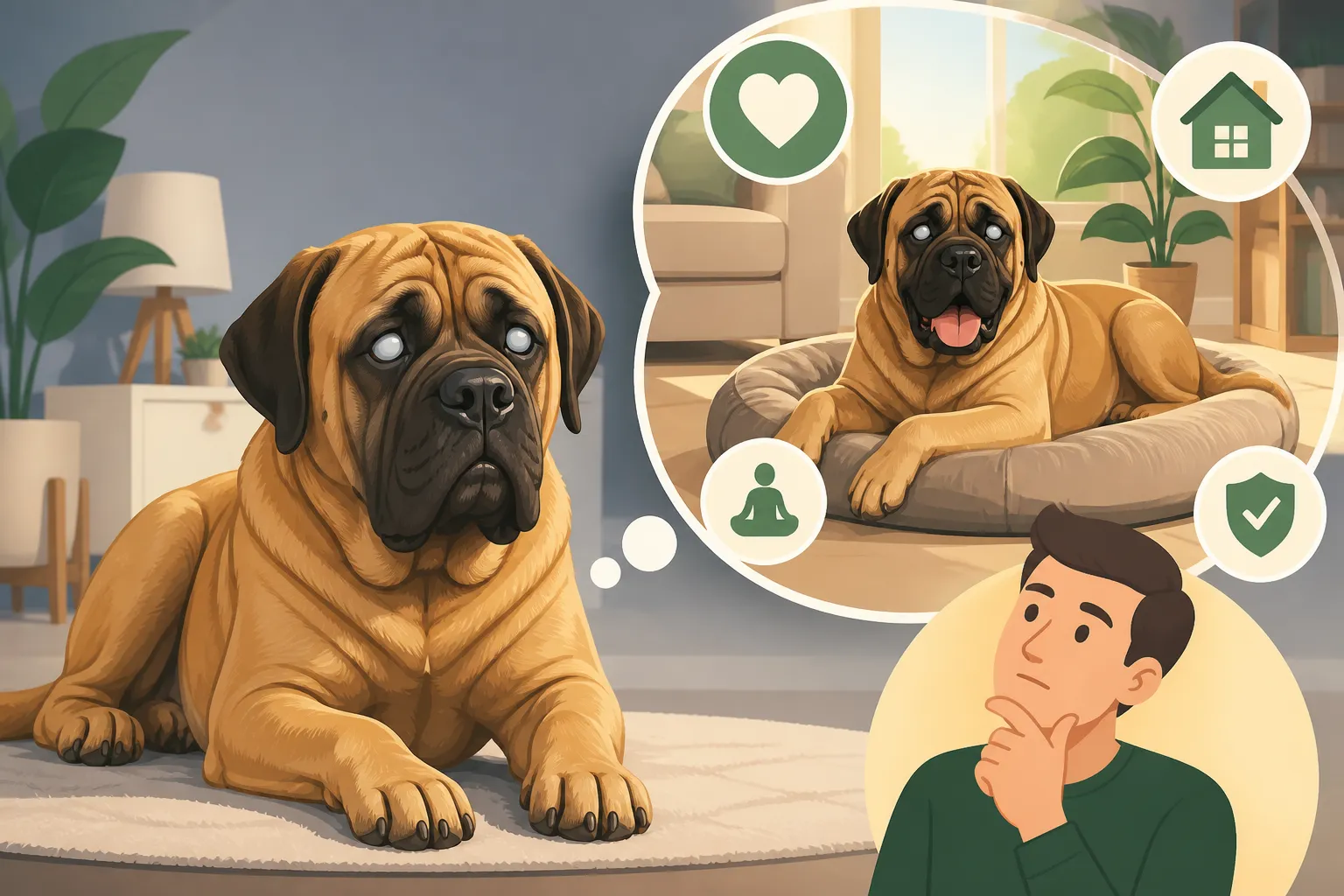
Watching your beloved Mastiff, that enormous, steadfast presence in your life, begin to navigate the world without their sight is an utterly heartbreaking and overwhelming experience. Many owners fear the worst, imagining a life of constant collisions, anxiety, and a complete loss of their dog's joyful spirit. This comprehensive guide is here to walk you through the realities, offering practical steps and heartfelt advice to ensure your blind Mastiff not only copes at home but continues to thrive, maintaining their dignity and quality of life.
Understanding Vision Loss in Your Giant Companion
The first step in helping a blind Mastiff cope is truly understanding what vision loss means for them and, crucially, how it progresses. It’s not often an overnight event, which can be both a blessing and a curse. You might notice subtle changes at first, a slight hesitation on stairs, bumping into furniture in dim light, or a less confident stride when entering a new room. These early signs often get dismissed as "just getting old," but they are crucial indicators.
Common Causes and Progression of Blindness
In Mastiffs, like many large and giant breeds, several conditions can lead to blindness. Progressive Retinal Atrophy (PRA) is a common genetic culprit, where the photoreceptor cells in the retina gradually degenerate. While some forms of PRA are quite rapid, others can take years to fully manifest, giving you time to adapt. You might notice your Mastiff struggling with night vision first, often referred to as "night blindness," before their daytime vision starts to decline. This progressive loss can be insidious, and many owners describe their Mastiff becoming increasingly reliant on their other senses long before total blindness sets in. You might be interested in learning more about The Age a Mastiff's Vision Starts to Go or How Fast a Mastiff Loses Its Sight.
Cataracts are another frequent cause, especially as Mastiffs enter their senior years. Unlike PRA, cataracts involve the lens of the eye becoming opaque, blocking light from reaching the retina. They can develop quickly or slowly and, in some cases, can be surgically treated, offering a chance at restoring sight. Glaucoma, a painful condition where pressure builds up inside the eye, can also lead to rapid and irreversible blindness if not caught early. Regular veterinary check-ups are paramount, especially as your Mastiff reaches an age where eye conditions become more prevalent. Discussing these possibilities with your vet early on can also inform potential pet insurance decisions; providers like Healthy Paws can offer support for unexpected veterinary costs, which can become substantial when dealing with chronic conditions or emergencies. Don't forget to look into Eye and Eyelid Disease in a Mastiff for a broader understanding of common issues.
The Mastiff's Other Senses Step Up
One of the most remarkable things about dogs, particularly Mastiffs with their calm demeanor and keen senses, is their ability to adapt. When vision diminishes, their sense of smell and hearing become incredibly refined. A Mastiff's nose is already a superpower, capable of detecting scents far beyond our comprehension. They will begin to map their home and familiar routes by scent, creating a detailed olfactory landscape. The worn spot on the carpet, the scent of the kitchen, the lingering aroma of your favorite chair – these become beacons.
Their hearing also sharpens. They'll rely more on your voice, the crinkle of their treat bag, or the familiar sounds of your household to orient themselves. Your soft commands, a gentle tap on the floor, or even the subtle vibrations of your footsteps will become vital cues. It's truly amazing to witness this transformation, though it can be emotionally challenging. Remember, your Mastiff isn't "broken"; they are simply recalibrating their world, and you are their most important guide.
Essential Home Modifications for a Blind Mastiff
Making your home a safe and comfortable haven is the single most important thing you can do for a blind Mastiff. Their size already presents unique challenges, and adding vision loss into the mix means thinking creatively about their environment. The goal is to create predictability and eliminate hazards, allowing them to move with confidence.
Creating a Safe and Predictable Environment
The golden rule for a blind Mastiff's home is consistency. Do not rearrange furniture. Once they've mapped out the layout using their other senses, moving a coffee table or a floor lamp can lead to unnecessary collisions and anxiety. If you absolutely must move something, do it slowly and deliberately, guiding them around the new obstacle repeatedly until they've learned its new location.
Consider placing scent markers at key points, like doorways or the path to their water bowl. A drop of essential oil (diluted and dog-safe, like lavender or chamomile, used sparingly and consistently) on a small cloth near their bed, or a specific air freshener in one room, can help them differentiate spaces. Non-slip mats or runners are also incredibly important, especially if you have hard floors. A Mastiff’s sheer weight, combined with the lack of visual cues for balance, makes slipping a significant injury risk. You don't want them doing The Shifting Lameness of a Growing Mastiff as a young dog, let alone as a senior with compromised vision. Consider what Bare Floors Do to a Growing Mastiff and extend that caution to an adult with vision loss.
Here's a quick checklist of home modifications:
| Modification Category | Specific Action | Why It Helps Your Blind Mastiff |
|---|---|---|
| Pathways | Clear clutter from floors | Prevents tripping hazards and unexpected bumps, boosts confidence. |
| Use non-slip rugs/runners | Provides traction and sensory feedback on varied surfaces, especially on hard floors. | |
| Keep furniture consistent | Allows them to build a reliable mental map of their environment. | |
| Safety | Block off stairs (especially initially) | Prevents dangerous falls; consider a ramp or lifting for short distances if safe for you both. |
| Pad sharp furniture corners | Reduces injury from accidental collisions. | |
| Secure loose cords/wires | Eliminates tripping hazards and potential chewing risks. | |
| Child gates for hazardous areas | Restricts access to kitchens, bathrooms, or rooms with small, easily swallowed objects. | |
| Sensory Cues | Use consistent verbal cues | Helps them navigate ("step up," "watch out," "left," "right"). |
| Place scent markers (dog-safe) at key locations | Provides olfactory landmarks for orientation. | |
| Install wind chimes/bells at doorways/gates (subtle) | Auditory cues for entry/exit points. | |
| Comfort | Maintain a dedicated, easily accessible bed/crate | A familiar, safe space they can always find. |
| Keep food/water bowls in fixed locations | Reduces anxiety around basic needs, easily found by scent. |
Addressing Specific Challenges of a Giant Breed
A blind Mastiff presents unique challenges due to their size. Stairs, for instance, are a monumental hurdle. While a small dog might be carried, lifting a 150-200+ pound Mastiff is not feasible for most people. If you have stairs, consider restricting access with sturdy gates. If they must use stairs, ensure they are carpeted and always accompany them, using verbal cues and a guiding hand under their chest or with a supportive harness. Be mindful that Why Stairs Are Worse for a Mastiff Than Any Breed even with sight, so extra precautions are vital.
Their sheer bulk also means that bumping into things can cause significant damage to both the object and themselves. Imagine a full-speed collision with a wall – it's not going to feel good for either the wall or your Mastiff's head. "Halo" vests, like the Muffin's Halo for Blind Dogs, can be incredibly beneficial. These devices create a bumper around their head, allowing them to detect obstacles before their face makes contact, giving them more confidence to explore.
Even something as simple as their water bowl needs thought. Many Mastiffs are notorious for making a watery mess when they drink. For a blind Mastiff, a large, stable, non-spill bowl that can be easily located by scent and touch is essential. Consider a heavy ceramic bowl that won't slide around or be easily tipped over. Keeping it in a consistent spot is key.
Navigating Walks and Outdoor Life
Life doesn't stop at the doorstep for a blind Mastiff. While their world may shrink initially, with careful management, they can still enjoy walks, fresh air, and exploring familiar outdoor spaces. The key is to be their eyes, building trust and maintaining predictability.
Leash Training and Familiar Routes
Even if your Mastiff was a champion leash-walker before losing their sight, you'll need to re-establish a new rhythm. They will rely on the tension of the leash and your subtle body language to understand direction. A sturdy, comfortable harness is often preferred over a collar, as it gives you more control and prevents strain on their neck if they do bump into something. Brands like Ruffwear or Blue-9 Balance Harness are known for their durability and comfort for large breeds.
Stick to familiar routes initially. The neighborhood block they know by heart, the park path where they’ve sniffed every tree – these places already have a scent map imprinted in their mind. Narrate the walk as you go: "Step up," "Watch out, curb coming," "Big tree on the left." This verbal commentary helps them anticipate changes in their environment. Let them sniff! Sniffing is their primary way of gathering information, and for a blind Mastiff, it's like reading the daily newspaper. Don't rush them.
When encountering new environments, introduce them gradually and in quiet periods. A new park, for example, might be overwhelming with unfamiliar sounds and smells during peak hours. Opt for a calm morning when fewer people and dogs are around. A long lead can give them a sense of freedom while still allowing you to keep them safe.
Yard Safety and Supervision
If you have a fenced yard, it's a fantastic asset for a blind Mastiff, offering a secure space for free movement. However, even a familiar yard needs to be assessed with fresh eyes. Walk the perimeter, identifying any potential hazards: low-hanging branches, garden tools left out, steep drops, or even thorny bushes. Consider creating a "sensory trail" around the edge of the yard using different textures – a strip of gravel, then grass, then mulch – so they can feel their boundaries.
Supervision is still crucial, especially as they learn the new lay of the land. A Mastiff, even a blind one, can still push through a weak gate or wander into an unexpected hazard. If you have a swimming pool, it must be completely fenced off or covered, as a blind Mastiff could easily fall in. Remember that even a seemingly minor injury can be costly to treat, so consider comprehensive pet insurance from providers like Healthy Paws for peace of mind.
Introducing new elements, like a new garden bed or a child's toy, should be done with extreme care and supervision. Always accompany them outside, especially during initial re-familiarization. Their confidence will grow with consistent, positive experiences in their secure outdoor space.
Emotional Support and Daily Routine
The emotional well-being of a blind Mastiff is just as important as their physical safety. They rely heavily on their owners for comfort, reassurance, and to maintain a sense of normalcy. Your presence and consistent routine are their anchor.
Maintaining Routine and Building Confidence
Dogs thrive on routine, and for a blind Mastiff, it's absolutely essential. Predictable meal times, walk schedules, and bedtime rituals provide a sense of security and reduce anxiety. They learn the sequence of events and can anticipate what comes next, even without seeing it. This predictability fosters confidence.
Touch becomes incredibly important. Gentle strokes, reassuring pats, and consistent verbal praise reinforce their bond with you. When approaching your blind Mastiff, always speak to them first so they know you're there and aren't startled. A gentle touch to their shoulder or flank is often less startling than a pat on the head. Imagine a two-hundred-pound dog being surprised – it's not ideal for anyone involved!
Games and enrichment are still vital. Scent games, where you hide treats around a familiar room, can be incredibly stimulating and rewarding. Puzzle toys that dispense kibble can keep their minds active. Tug-of-war or soft fetch (using a squeaky toy) can also be adapted. Just because they can't see doesn't mean they can't play and enjoy life. Their large, powerful jaws might require durable toys, so look for options from brands like Kong or West Paw, which are built to withstand heavy chewers.
The Role of Veterinary Care and Owner Well-being
Regular veterinary check-ups remain critical, especially for a Mastiff as they age. Your vet can help monitor their overall health, address any pain that might be contributing to their discomfort or reluctance to move, and discuss potential dietary adjustments or supplements. For instance, Caring for a Mastiff Past Five takes on new considerations when vision is compromised, including monitoring for other conditions that often accompany old age. The cumulative costs for an aging, large breed can be significant, so having a good pet insurance plan, such as one from Healthy Paws, can alleviate financial stress and allow you to make the best decisions for your Mastiff's care.
It's also important to remember your own well-being. Caring for a blind giant breed can be physically and emotionally draining. Don't hesitate to seek support from online communities, local Mastiff clubs, or even a professional trainer specializing in blind dogs. Sharing experiences and strategies with others who understand the unique challenges can be incredibly validating and helpful. Remember that your Mastiff still feels your love and presence, and your calm, confident leadership will be their guiding light. Their lifespan, though often shorter than smaller breeds, as discussed in Six to Ten Years Is What a Mastiff Gets, is still filled with profound companionship and devotion.
In the end, while the journey with a blind Mastiff presents challenges, it also deepens the bond you share. Their resilience, trust, and unwavering affection will inspire you daily, proving that a loving home is truly all they need to thrive.
Disclaimer
The information provided in this article is for general informational purposes only and is not a substitute for professional veterinary advice. Always consult with a qualified veterinarian regarding your Mastiff's specific health condition, treatment options, and any concerns you may have.