Entropion and Ectropion in a Mastiff
It’s a truly disheartening experience to see your magnificent Mastiff, a dog known for its gentle giants and soulful gaze, struggling with eye discomfort. Their expressive faces, often adorned with those signature wrinkles, can sometimes be a double-edged sword, making them particularly susceptible to conditions like entropion and ectropion. These aren't just cosmetic issues; they can cause significant pain, lead to chronic infections, and even threaten your beloved companion's vision if not addressed properly. This comprehensive guide will walk you through understanding these common eyelid conditions, why Mastiffs are prone to them, how they're diagnosed and treated, and what you can do to keep your gentle giant comfortable and seeing clearly.
Understanding Entropion in Mastiffs
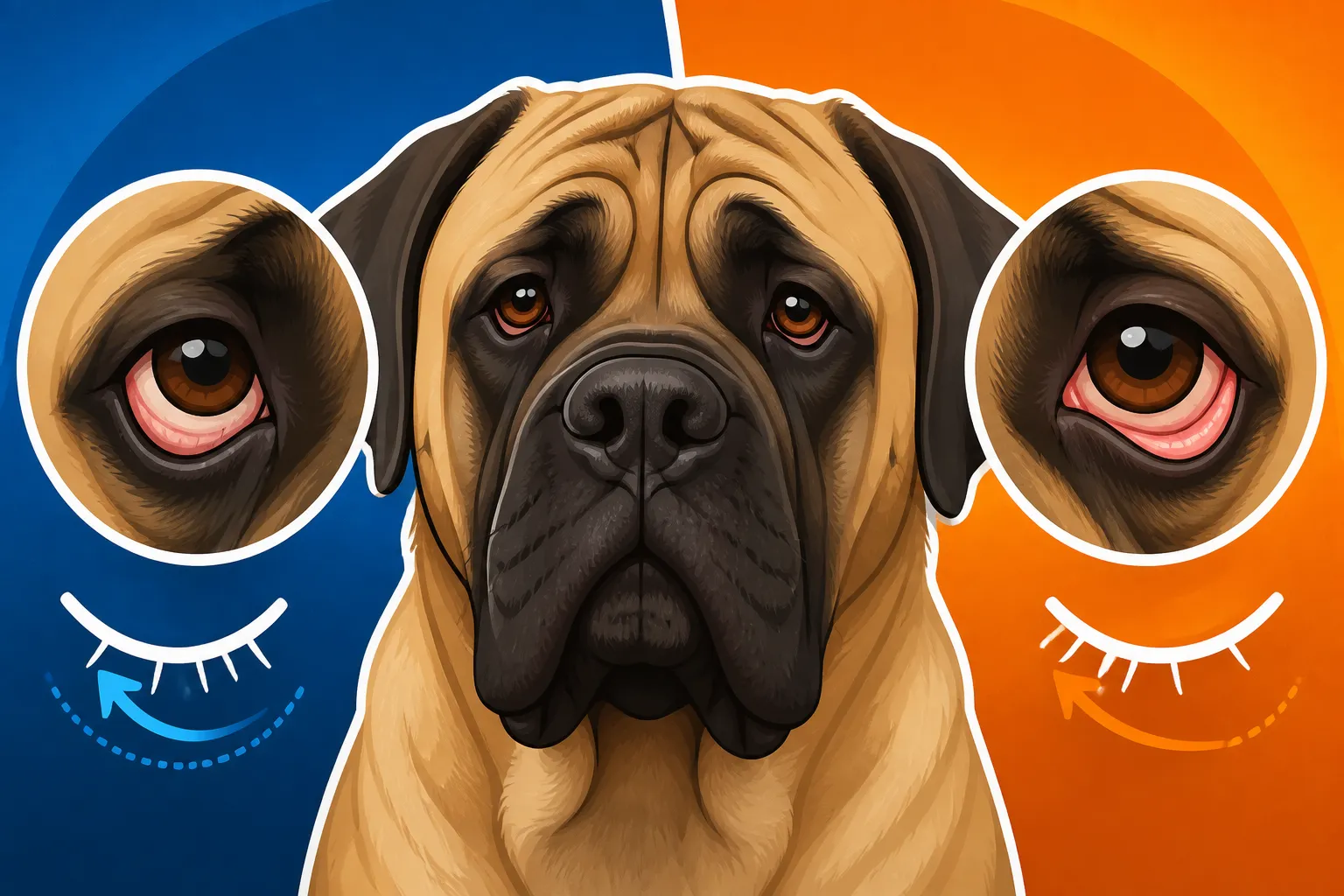
Entropion is a condition where a part of your Mastiff's eyelid, usually the lower one, rolls inward towards the eye. It might not sound like much, but imagine having your eyelashes constantly scratching against your eyeball – that’s essentially what your Mastiff is experiencing. This persistent irritation can range from mild discomfort to severe pain, and it’s something no loving owner wants their dog to endure.
What Exactly is Entropion?
When entropion occurs, the eyelid margin and the eyelashes on it rub directly against the cornea, which is the clear, protective outer layer of the eye. This isn’t a fleeting sensation; it’s a constant, abrasive contact that can feel like a grain of sand stuck in your eye, but perpetually. In Mastiffs, this often affects both eyes and can be quite pronounced, leading to visible inward curling of the lid. The severity can vary, with some dogs experiencing only a slight curl, while others have significant portions of their eyelids rolled in.
This inward rolling causes a cascade of problems. The eyelashes, which are designed to protect the eye, instead become irritants, scraping the delicate corneal surface. This constant friction can lead to inflammation, excessive tearing (epiphora), and a host of secondary issues that compromise your Mastiff's comfort and eye health. It's a condition that demands attention, not just for the immediate pain it causes, but for the long-term damage it can inflict.
Causes and Contributing Factors
For Mastiffs, entropion is primarily an inherited condition, meaning it’s passed down through generations. Their distinctive head shape, with those wonderful, heavy brows and loose facial skin, unfortunately makes them particularly predisposed. The excess skin around their eyes can literally push the eyelids inward, or the structure of their orbital bone might contribute to the issue. This genetic component is why responsible breeding practices are so crucial in the Mastiff world. Breeders dedicated to the health of the breed will screen their dogs and avoid breeding those with a history of entropion, aiming to reduce its prevalence. You can learn more about responsible health testing by looking into articles like The Four CHIC Tests a Mastiff Breeder Must Clear.
Beyond genetics, rapid growth in puppies can sometimes temporarily exacerbate or trigger entropion. A Mastiff puppy grows incredibly fast, almost doubling in size in its first few months, and sometimes the facial skin and bone structures don't develop in perfect synchronicity. In rare cases, severe trauma or scarring around the eye could also lead to entropion, though this is less common than the inherited form in Mastiffs. It’s important to note that even in adult Mastiffs, weight changes can sometimes subtly alter facial skin tension, potentially affecting the eyelids, though genetics remain the dominant factor.
Symptoms and How to Identify It
The signs of entropion are often quite noticeable if you know what to look for. The most common symptom is persistent squinting, often referred to as blepharospasm. Your Mastiff might hold one or both eyes partially or completely closed in an effort to reduce the irritation. You'll likely also notice excessive tearing, as the eye tries to flush out the perceived irritant, leading to wetness and tear staining on their face, especially in lighter-colored Mastiffs. Mucous discharge, thick and sometimes yellowish-green, can also accumulate in the corner of the eye or along the lash line, signaling secondary bacterial infections due to the constant irritation.
Your Mastiff might also frequently rub their eyes with a paw or against furniture, attempting to relieve the discomfort. This rubbing can unfortunately make the problem worse, introducing more bacteria and causing further damage. If left untreated, the chronic rubbing of eyelashes can lead to serious corneal damage, including corneal ulcers, which are open sores on the eye's surface. These ulcers are not only incredibly painful but can impair vision and, in severe cases, even lead to rupture of the eyeball or permanent blindness. Recognizing these symptoms early and seeking veterinary care is paramount to preventing such devastating outcomes. This is why paying close attention to your Mastiff’s eyes and their demeanor is so important.
Understanding Ectropion in Mastiffs
While entropion involves the eyelid rolling inward, ectropion is its opposite: the eyelid, usually the lower one, sags or rolls outward, exposing the delicate pink conjunctiva that lines the inside of the eyelid. This gives your Mastiff a somewhat "droopy" or "sad clown" appearance, and while it might seem less immediately painful than entropion, it comes with its own set of significant health challenges and discomforts.
What Exactly is Ectropion?
With ectropion, the outward rolling of the eyelid prevents it from effectively performing its protective function. The eyelid is meant to act like a windshield wiper, sweeping across the eye to distribute tear film and protect the cornea from environmental irritants. When it sags outward, this natural protective mechanism is compromised. The exposed conjunctiva becomes vulnerable to drying out, irritation from dust, dirt, and wind, and is a prime target for secondary infections.
Imagine constantly having dry, irritated eyes because your eyelids can’t do their job – that’s the reality for a Mastiff with ectropion. The exposed tissue loses its natural moisture and defense, making it red, inflamed, and much more susceptible to bacterial or yeast infections. This persistent inflammation, known as conjunctivitis, can be chronic and uncomfortable, requiring ongoing management.
Causes and Contributing Factors
Like entropion, ectropion in Mastiffs is largely hereditary. It's often associated with the breed's characteristic loose facial skin and heavy jowls, which can pull the lower eyelid down and away from the eyeball. Some Mastiffs simply have a genetic predisposition for excessive skin laxity around the eyes, leading to this droopy appearance. This specific facial conformation, while a breed hallmark, also makes them prone to these eyelid issues. This is part of the broader category of Eye and Eyelid Disease in a Mastiff that owners must be aware of.
Beyond genetics, age can also play a role, particularly in older Mastiffs. As dogs age, the muscles and connective tissues around the eyes can lose some of their elasticity and tone, leading to increased laxity and a more pronounced ectropion. Neurological conditions that affect facial nerve function, or even significant weight loss in an older Mastiff, can sometimes contribute to the sagging of eyelids, although the primary driver in the breed remains its inherited facial structure.
Symptoms and How to Identify It
The visual signs of ectropion are often quite apparent. You'll notice the lower eyelid visibly sagging or rolling outward, exposing a prominent strip of the pink or red conjunctiva. This gives the dog a perpetually "sleepy" or "sad" look, with the white of the eye often more visible than in a dog with properly fitting eyelids. Because the exposed tissue is constantly irritated and dry, you’ll likely observe redness and inflammation of the conjunctiva, making the eyes appear bloodshot or inflamed.
Another tell-tale sign is chronic discharge, which can be watery or, if infection sets in, thick and purulent. The eye's natural lubrication system struggles to keep the exposed surface moist, leading to increased tear production as the body tries to compensate. Paradoxically, this can result in tears spilling over the lower eyelid, leading to tear staining on the face. Despite the excess tearing, the exposed eye surface can still suffer from dryness, leading to further irritation. Owners might also notice their Mastiff blinking more frequently or rubbing their eyes, not from an inward scratch but from generalized irritation and dryness, or the presence of foreign material that the eyelid can’t sweep away. Consistent monitoring and addressing these symptoms early can prevent them from escalating into more serious problems.
Why Mastiffs Are Prone to These Conditions
It’s not just bad luck that makes Mastiffs prone to entropion and ectropion; it's deeply rooted in their breed-specific characteristics and historical development. Understanding these underlying factors helps owners appreciate the unique challenges that come with caring for these magnificent dogs and why certain preventative and corrective measures are often necessary.
Breed-Specific Anatomy
The majestic, powerful appearance of the Mastiff, with its large head, heavy bone structure, and distinctive loose skin, is precisely what makes them so vulnerable to eyelid anomalies. Their abundant facial wrinkles and deep-set eyes, while contributing to their iconic look, create a predisposition for both conditions. The sheer weight and laxity of the skin around their eyes can cause the eyelids to either roll inward (entropion) or sag outward (ectropion). It’s a delicate balance, and often, even a slight variation in facial conformation can tip the scales towards one condition or the other.
Think of it like this: if you have a lot of fabric bunched around an opening, it’s easier for that fabric to either fold in or hang out, rather than lie perfectly flat and taut. This anatomical reality means that many Mastiffs, even those from otherwise healthy lines, might exhibit some degree of eyelid looseness. This also contributes to other concerns like Cherry Eye in a Mastiff, highlighting the comprehensive nature of canine eye health in this breed. This is why regular check-ups, including eye exams, are so important for them.
Genetic Considerations
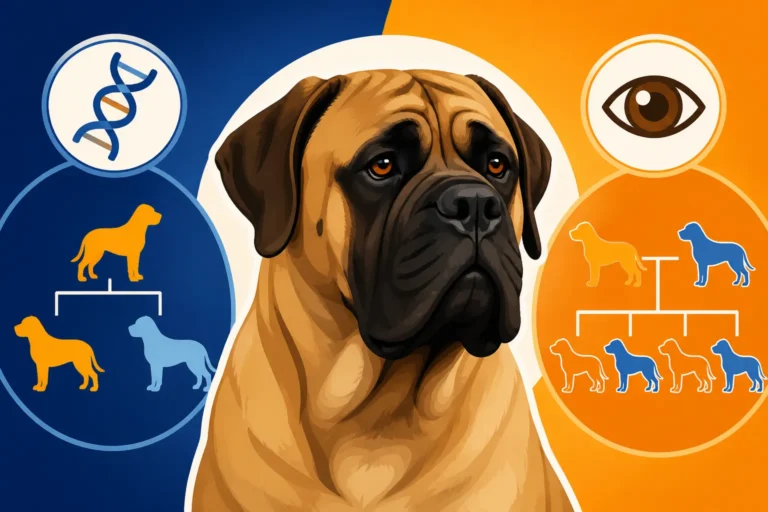
The genetic component of entropion and ectropion in Mastiffs cannot be overstated. These conditions are considered polygenic, meaning multiple genes contribute to their inheritance, and they are highly correlated with the breed standard's emphasis on a large, heavy head with ample skin. While responsible breeders work diligently to select against these traits, it’s a complex challenge to eliminate them entirely without altering other desired breed characteristics. This is why thorough health testing and understanding pedigrees are paramount when acquiring a Mastiff puppy.
When looking for a puppy, it's wise to inquire about the parents' eye health and any history of eyelid surgeries in their lineage. A reputable breeder should be transparent about their breeding stock's health clearances, including ophthalmologist certifications. Even with careful breeding, these conditions can still appear, demonstrating the deep genetic roots. It's not uncommon for a Mastiff litter to need an eye exam early on, especially if there's any family history of these issues.
Environmental and Age-Related Factors
While genetics and anatomy are the primary drivers, environmental factors can sometimes exacerbate or trigger symptoms in predisposed Mastiffs. Exposure to dusty environments, strong winds, or even allergens can increase irritation in eyes already vulnerable due to ectropion, making inflammation worse. For entropion, any factor that causes the Mastiff to rub its eyes more can accelerate corneal damage.
Furthermore, as Mastiffs age, the natural elasticity of their skin and connective tissues can diminish. This can lead to an increase in ectropion, as the eyelids lose some of their structural support and begin to sag more prominently. Conversely, some older Mastiffs might experience entropion due to chronic pain causing eyelid spasms, or sometimes even significant fat loss around the eyes that alters the skin's tension. Understanding these contributing factors allows owners to provide better care and potentially mitigate some of the effects of these conditions over their Mastiff's lifespan.
Diagnosis and Conservative Management
If you suspect your Mastiff is suffering from either entropion or ectropion, your first step should always be a visit to your veterinarian. Self-diagnosing and attempting to treat these conditions at home can be risky and may delay necessary intervention, potentially leading to more severe complications.
How a Vet Diagnoses the Conditions
Diagnosing entropion and ectropion is typically quite straightforward for an experienced veterinarian. During a routine physical examination, the vet will carefully observe your Mastiff's eyelids and how they interact with the eyeball. For entropion, they will look for the tell-tale inward rolling of the lid margin and visible eyelashes touching the cornea. For ectropion, the outward sagging and exposed conjunctiva will be immediately apparent.
Your vet will also check for secondary signs of irritation, such as redness, swelling, discharge, and tear staining. To assess for corneal damage, they may perform a fluorescein stain test. This involves applying a special orange dye to the eye. If there's any abrasion or ulcer on the cornea, the dye will adhere to it and glow bright green under a blue light, revealing the extent of the damage. They might also check tear production with a Schirmer tear test if dryness is suspected, especially with ectropion. In some cases, particularly if considering breeding or if the condition is mild, an ophthalmologist (a veterinary eye specialist) might be consulted for a more definitive assessment, which is often part of a thorough Why a Mastiff Litter Needs an Eye Exam.
Non-Surgical Approaches for Mild Cases
For very mild cases of ectropion, where the eye is only minimally exposed and symptoms are mostly irritation or dryness, conservative management might be attempted. This often involves regular application of lubricating eye drops or ointments to keep the exposed conjunctiva moist and protected from environmental irritants. Cleaning the area around the eyes gently with a saline solution or specific veterinary eye wipes can help prevent crust buildup and manage tear staining.
In young Mastiff puppies with entropion, sometimes a temporary procedure called "eyelid tacking" can be performed. This involves placing a few temporary sutures in the eyelid to pull it into the correct position. The goal is to provide relief while the puppy grows, hoping that as their head structure matures, the entropion resolves on its own. However, this is usually a temporary fix and often only delays the need for permanent surgical correction. It’s critical to understand that these conservative measures are typically palliative; they manage symptoms but don’t correct the underlying anatomical problem, and they are usually insufficient for moderate to severe cases.
When Conservative Methods Are Insufficient
While conservative measures can offer temporary relief or manage very mild symptoms, they are rarely a long-term solution for significant entropion or ectropion in Mastiffs. If your Mastiff continues to squint, experience chronic pain, suffer from recurrent eye infections, or, most critically, develops corneal ulcers due to constant irritation from entropion, surgical intervention becomes not just an option, but a necessity. Ignoring these persistent signs can lead to irreversible damage to the cornea, affecting vision and causing debilitating pain.
The decision to proceed with surgery is often made when the quality of life is significantly impacted, or when the risk of severe ocular complications outweighs the risks of the procedure itself. No owner wants their dog to undergo surgery, but when faced with the alternative of chronic pain and potential blindness, it becomes the most humane and effective path forward. Your veterinarian will guide you through this decision, weighing the severity of your Mastiff's condition against the potential benefits and risks of surgery.
Surgical Intervention for Entropion and Ectropion
When conservative methods fall short, surgery is often the most effective and, frankly, often the only permanent solution for entropion and ectropion in Mastiffs. It might sound daunting, especially with a dog as large as a Mastiff, but these procedures are common and highly successful when performed by an experienced veterinary surgeon.
Types of Corrective Surgery
For entropion, the most common surgical technique is the Hotz-Celsus procedure. This involves carefully removing a small, crescent-shaped piece of skin and underlying muscle from the affected eyelid, typically the lower one, parallel to the eyelid margin. When the incision is sutured closed, it causes the eyelid to evert (roll outward), correcting the inward roll. The surgeon must be incredibly precise, removing just enough tissue to correct the entropion without causing ectropion. In some Mastiffs with particularly heavy brows, an additional procedure might be needed to reduce some of the excess skin above the eye.
Ectropion repair can involve several different techniques, depending on the severity and specific anatomy of your Mastiff. One common approach is a V-to-Y blepharoplasty, where a V-shaped incision is made, and the tissue is then advanced and sutured into a Y-shape, tightening the eyelid. Another method might involve removing a wedge of tissue from the eyelid margin to reduce its length, thereby pulling the saggy lid taut against the eyeball. Sometimes, a combination of techniques is required, especially if there's significant laxity. The goal for both conditions is to restore the natural position of the eyelid, ensuring it can protect the eye properly and prevent further irritation.
The Surgical Process and Recovery
Before surgery, your Mastiff will undergo a thorough pre-operative examination, including blood work, to ensure they are healthy enough for anesthesia. As giant breeds, Mastiffs do present unique anesthetic challenges, and it's important to understand Why Anesthesia Is Riskier in a Mastiff. The surgery itself typically takes place under general anesthesia. Post-operatively, your Mastiff will likely wear an Elizabethan collar (the "cone of shame") to prevent them from rubbing or scratching at their sutures. Pain medication and anti-inflammatory drugs will be prescribed to manage discomfort, along with antibiotic eye drops or ointments to prevent infection.
Recovery usually involves strict rest and limited activity for a couple of weeks to allow the surgical sites to heal. You'll need to monitor the incision for any signs of swelling, redness, or discharge that could indicate infection. Most sutures are removed by your veterinarian after 10-14 days. While the initial recovery period is crucial, the long-term prognosis for both entropion and ectropion surgery is generally excellent, with most Mastiffs experiencing significant relief and improved eye health. Sometimes, a second, minor "touch-up" surgery might be needed in a small percentage of cases if the initial correction isn't perfect, especially in very large or wrinkly Mastiffs.
Costs and Financial Considerations
The cost of eyelid surgery for entropion or ectropion can vary widely depending on your geographic location, the veterinary clinic, the specific surgical technique required, and whether one or both eyes need correction. Generally, you can expect to pay anywhere from a few hundred to several thousand dollars per eye. This estimate typically includes the pre-operative blood work, anesthesia, the surgery itself, post-operative medications, and follow-up visits for suture removal. Knowing What Eyelid Surgery Costs on a Mastiff can help you prepare.
Given that Mastiffs are prone to numerous health issues throughout their lives, leading to considerable veterinary expenses, investing in pet insurance can be a wise decision for many owners. Providers like Healthy Paws often cover unexpected illnesses and accidents, including necessary surgeries like those for entropion or ectropion, provided the condition isn't pre-existing before you enrolled your Mastiff. While the initial outlay for surgery might seem significant, the long-term benefits of alleviating your Mastiff's pain and preventing severe complications are invaluable. Considering the overall financial commitment to a Mastiff, which often translates to The Mastiff's Short Life Buys the Biggest Bills, proactive financial planning for such health needs is essential.
Living with a Mastiff Prone to Eye Issues
Caring for a Mastiff, especially one predisposed to eye conditions, is a commitment that extends beyond surgical correction. It requires vigilant daily care, keen observation, and consistent partnership with your veterinarian to ensure their comfort and long-term well-being.
Preventative Care and Daily Routines
Even after successful surgery, or if your Mastiff has a mild case of ectropion that doesn't require immediate surgical intervention, daily preventative care is key. This means gently cleaning around your Mastiff's eyes regularly, especially in the folds and creases of their abundant facial skin, to remove tear stains, discharge, and debris. Using a soft, damp cloth or veterinary-approved eye wipes can help prevent the buildup of bacteria and yeast that thrive in moist environments.
If your Mastiff has ectropion, applying veterinary-prescribed lubricating eye drops or artificial tears can help keep the exposed conjunctiva moist and prevent dryness and irritation. It's also important to be mindful of environmental irritants; try to keep your Mastiff away from excessively dusty or windy conditions. Regular grooming, including trimming hair around the eyes if it's long enough to cause irritation, can also be beneficial. This proactive approach can significantly reduce the frequency and severity of flare-ups and secondary infections.
Monitoring for Complications
Your job as a Mastiff owner isn't over once the initial problem is managed. Continuous monitoring of your Mastiff's eyes is vital. Look for any changes in their appearance or behavior that could signal a problem. This includes increased squinting, rubbing, excessive tearing or discharge (especially if it changes color or consistency), redness or swelling of the eyelids or conjunctiva, or any cloudiness or visible injury to the cornea.
Should your Mastiff have had surgery, diligently check the incision sites for signs of infection such as excessive redness, swelling, heat, or pus. Any sudden change in vision or your Mastiff bumping into objects could indicate a more serious issue developing. Promptly contacting your veterinarian or a veterinary ophthalmologist at the first sign of trouble can make a huge difference in the outcome and prevent minor issues from escalating into major health crises. Don't hesitate; early intervention is almost always the best path. You might want to consider Whether a Mastiff Needs a Yearly Eye Exam to keep on top of things.
Supporting Your Mastiff's Overall Eye Health
Beyond specific care for entropion and ectropion, supporting your Mastiff's general eye health contributes to their overall well-being. A high-quality, balanced diet rich in antioxidants, omega-3 fatty acids, and essential vitamins can contribute to healthy tissues throughout the body, including the eyes. Discussing specific nutritional supplements with your vet, such as those containing lutein, zeaxanthin, or vitamins C and E, might be beneficial, especially for aging Mastiffs or those with ongoing eye sensitivities.
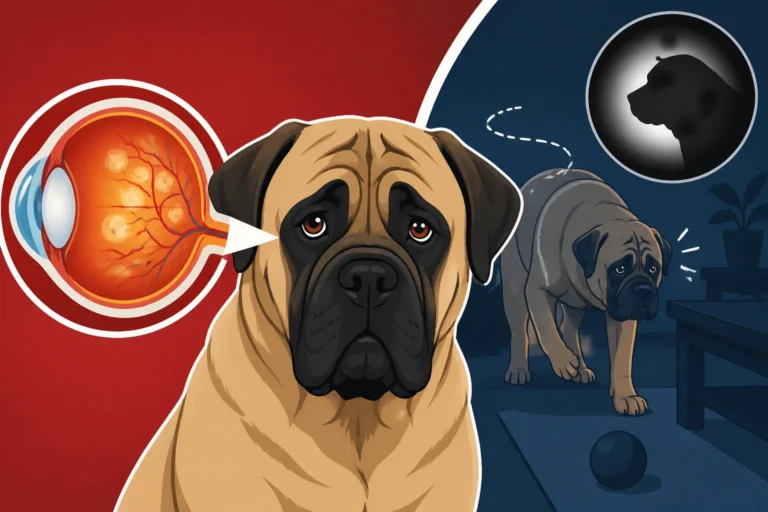
Regular veterinary check-ups are also crucial. Your vet can not only monitor for recurrence of eyelid issues but also screen for other potential eye problems common in the breed, like cataracts or progressive retinal atrophy. Maintaining a good partnership with your veterinary team and being proactive in your Mastiff’s care will ensure their eyes remain as healthy and comfortable as possible throughout their impressive, albeit often shorter, lifespan. A comprehensive pet insurance plan like those offered by Healthy Paws can provide peace of mind, covering unforeseen future eye conditions or other health challenges that often arise with these big dogs.
Disclaimer
The information provided in this article is intended for general knowledge and informational purposes only, and does not constitute veterinary advice. Always consult with a qualified veterinarian or veterinary ophthalmologist for any health concerns or before making any decisions about your Mastiff's medical care.