Why One Mastiff in Seven Fails Its Elbow Grade
It’s truly devastating when you pour your heart and soul into raising a Mastiff puppy, only to find out they’re struggling with something as painful and debilitating as elbow dysplasia. You do everything right – the best food, all the love – and then the vet delivers news that feels like a gut punch, telling you that your magnificent companion’s joints aren’t developing as they should. This guide aims to demystify elbow dysplasia in Mastiffs, explaining why it's so common, what factors are at play, and how you can best support your giant friend.
Understanding Elbow Dysplasia in Mastiffs
Elbow dysplasia, often abbreviated as ED, is a complex and frustrating condition that affects many large and giant breed dogs, and unfortunately, our beloved Mastiffs are no exception. The term "dysplasia" literally means "abnormal growth," and in the context of elbows, it refers to a malformation or disease of the elbow joint. It's not just one single issue, but rather a catch-all term for several specific developmental abnormalities that occur during a dog's rapid growth phase, all leading to incongruity, pain, and ultimately, debilitating arthritis.
What Exactly is Elbow Dysplasia?
When we talk about elbow dysplasia, we're really referring to a group of four distinct conditions that can occur independently or in combination within the elbow joint. The elbow is a hinge joint, like ours, formed by three bones: the humerus (upper arm bone), the radius (one of the forearm bones), and the ulna (the other forearm bone). For a healthy, pain-free joint, these three bones must fit together perfectly, allowing smooth motion. In a Mastiff with ED, there's often a mismatch in the growth rates of these bones or defects in the cartilage and bone itself.
The four main components of elbow dysplasia are: ununited anconeal process (UAP), fragmented coronoid process (FCP), osteochondrosis dissecans (OCD) of the humeral condyle, and elbow incongruity. Imagine a complex puzzle where some pieces are slightly too big, others too small, and a few have rough edges. This leads to friction, inflammation, and the breakdown of cartilage over time, eventually resulting in painful osteoarthritis. For a Mastiff, carrying hundreds of pounds on these compromised joints means the wear and tear is severe and accelerates quickly, leading to significant discomfort even at a young age.
Why Mastiffs Are Particularly Susceptible
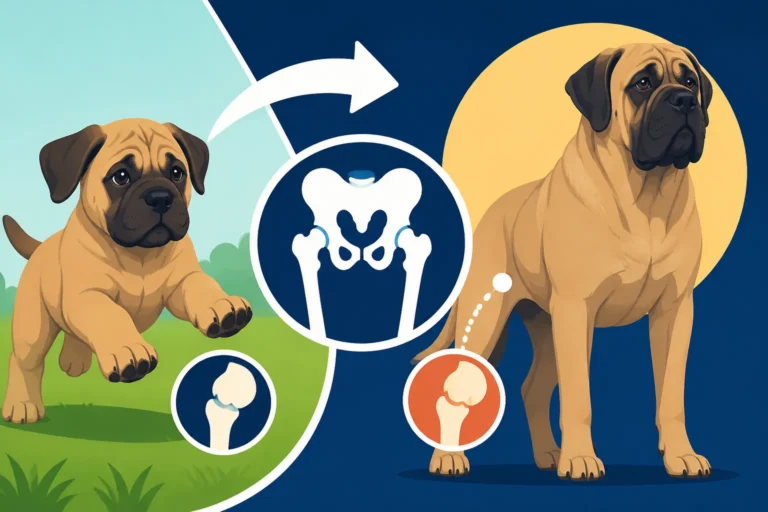
Mastiffs, with their incredible size and remarkably fast growth rate, are inherently predisposed to developmental orthopedic conditions like elbow dysplasia. Their genetics play a significant role, as the condition is known to be hereditary, though it's complex and not due to a single gene. Beyond genetics, the sheer speed at which a Mastiff puppy transforms from a relatively small, clumsy bundle of fluff into a majestic, 200-pound adult puts immense stress on their developing skeletal system. It’s almost as if their bones and cartilage struggle to keep up with the rapid increase in muscle and body mass.
Consider a Mastiff puppy that can gain several pounds a week in its first year. This rapid weight gain and growth spurt mean their joints are under constant, intense pressure before they are fully formed and robust. Any slight imperfection in how the bones articulate can become a major problem when magnified by the dog's immense weight. Their large, heavy build means that even minor architectural flaws in the elbow lead to disproportionately severe consequences. This is why careful management of a Mastiff puppy's growth and exercise is absolutely critical, even if they come from perfectly screened parents.
The Heartbreaking Statistics: One in Seven
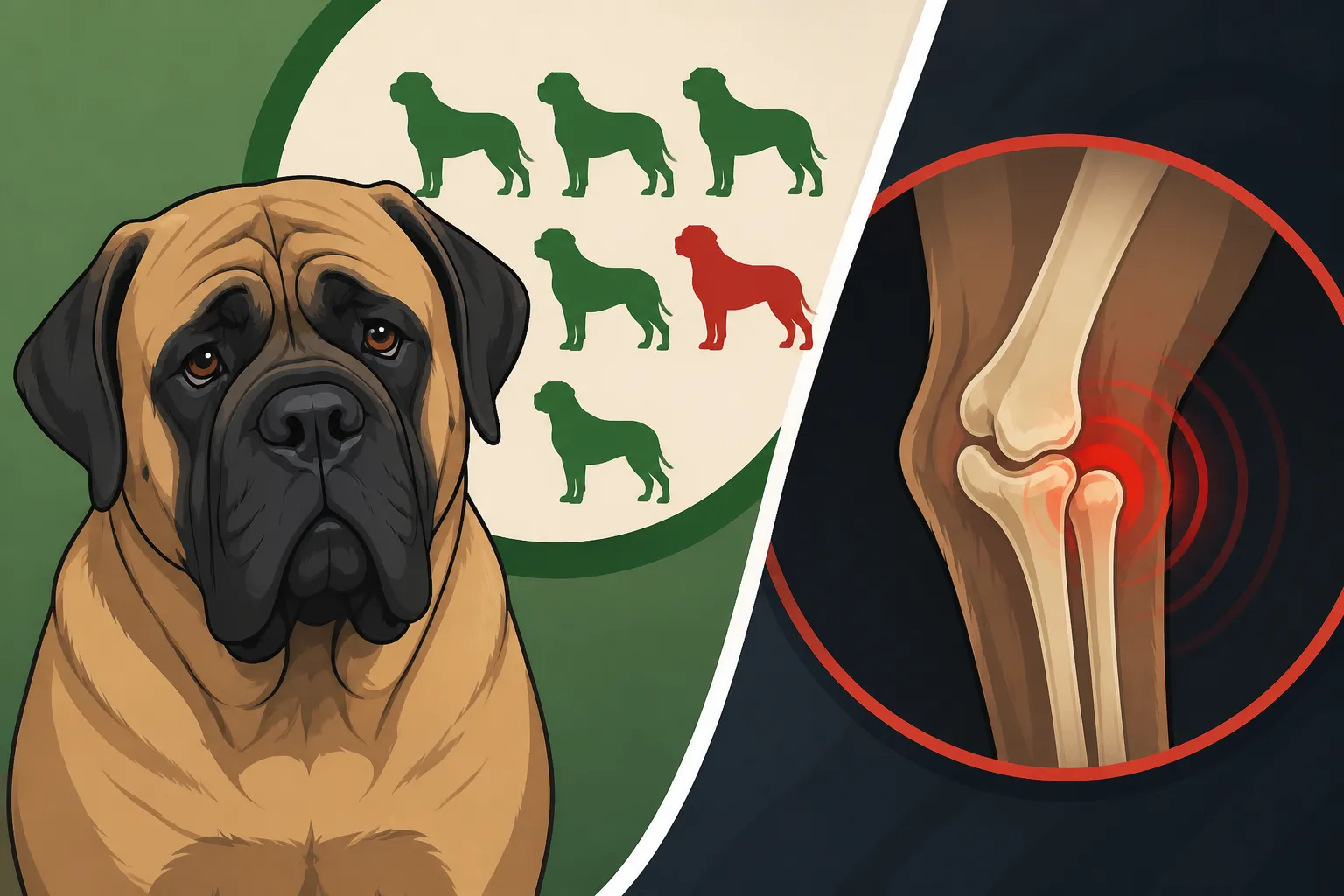
The statistic that "one Mastiff in seven fails its elbow grade" is a stark reminder of how prevalent and challenging elbow dysplasia is within the breed. This isn't just a number; it represents countless Mastiffs who experience chronic pain, restricted mobility, and a reduced quality of life, and just as many heartbroken owners struggling to manage their beloved pet's condition. These statistics typically come from breed-specific health surveys and, most notably, from official orthopedic registries like the Orthopedic Foundation for Animals (OFA).
When breeders submit X-rays of their dogs to OFA for elbow evaluation, the elbows are graded. A "normal" grade means the dog's elbows are free of evidence of elbow dysplasia. Any other grade (Grade I, II, or III) indicates the presence of ED. The "one in seven" figure underscores that despite responsible breeding efforts and screening, a significant percentage of Mastiffs still exhibit some degree of elbow dysplasia. This isn't to say that all failures are severe, but even a mild case can progress to painful arthritis over time, impacting the dog's comfort and mobility, especially as they get older. Understanding this reality helps new owners prepare for potential challenges and emphasizes the importance of choosing a reputable breeder who prioritizes health testing.
Genetic Predisposition and Responsible Breeding
Understanding the genetic component of elbow dysplasia in Mastiffs is crucial for any prospective owner or breeder. While the exact inheritance pattern is complex, it’s unequivocally a hereditary condition, meaning it’s passed down from parents to offspring. This complexity is why even with careful breeding, the problem hasn’t been eradicated, and why responsible breeding practices are more important than ever.
The Role of Genes in Elbow Health
Elbow dysplasia is considered a polygenic trait, which means it’s influenced by multiple genes working together, rather than a single dominant or recessive gene. This makes breeding for elbow health particularly challenging compared to conditions like Progressive Retinal Atrophy (PRA) in Mastiffs, where Why Mastiff Retinal Atrophy Needs Only One Copy of the Gene to cause disease, or a specific DNA test can pinpoint carriers. With ED, there isn't a simple "good gene" or "bad gene" marker that breeders can easily test for. Instead, breeders rely on phenotype—the physical expression of the trait—as assessed by X-rays.
Because of this polygenic nature, two parents with perfectly clear elbows can theoretically produce offspring that develop elbow dysplasia, although the risk is significantly lower than if one or both parents have affected elbows. It’s also why environmental factors play such a critical role; genetics load the gun, but environment pulls the trigger. A puppy with a genetic predisposition might never develop severe ED if raised under ideal conditions, whereas another with the same genetic background could develop debilitating issues if subjected to inappropriate diet or exercise. This complex interplay highlights why a holistic approach to preventing ED is essential, starting with careful breeding selections.
Screening and Certification Programs
Given the genetic component, health screening programs are indispensable tools for responsible Mastiff breeders aiming to reduce the incidence of elbow dysplasia. The most widely recognized program in North America is run by the Orthopedic Foundation for Animals (OFA). For elbow evaluations, OFA accepts X-rays of a dog's elbows taken after they reach 24 months of age (two years old). This age is crucial because it allows enough time for the joints to mature and for any developmental abnormalities to become evident on radiographs.
Breeders submit these X-rays, which are then evaluated by a panel of three independent, board-certified veterinary radiologists. Each elbow is graded as either Normal, Grade I, Grade II, or Grade III, with Normal being ideal and Grade III indicating severe dysplasia. Only dogs receiving a "Normal" grade are considered suitable for breeding to help reduce the risk of passing on the condition. Other programs, like PennHIP, focus primarily on hip health, but OFA's elbow evaluations are considered the gold standard for Mastiffs. A breeder committed to the health of their lines will also pursue a Canine Health Information Center (CHIC) number, which requires specific health tests, including OFA elbow and hip evaluations. You can learn more about The Four CHIC Tests a Mastiff Breeder Must Clear and how these rigorous standards contribute to overall breed health.
Why a Clear Parent Doesn't Guarantee a Clear Puppy
It's a common misconception, and a source of deep frustration for breeders, that if both parents have "clear" or "normal" elbow grades from OFA, their puppies are guaranteed to be free of elbow dysplasia. Unfortunately, this isn't always the case, largely due to the polygenic nature of the condition and the concept of incomplete penetrance—where a dog can carry the genes for a condition but not show clinical signs. A dog might have genetic markers for ED but, due to favorable environmental factors during its development, not express the condition severely enough to be graded as dysplastic.
This is why, despite the best intentions and adherence to screening protocols, a percentage of puppies from seemingly healthy, cleared parents may still develop ED. It’s an inherent challenge when dealing with complex genetic traits. However, choosing a puppy from parents with generations of clear OFA elbow (and hip) ratings significantly reduces the risk. It’s about stacking the odds in your favor, not eliminating all risk. Prospective owners should always inquire about the OFA certifications of both parents, and ideally, their siblings and previous offspring, to get the fullest picture of the genetic health history. A responsible breeder will be transparent about the potential for ED, even with clear parents, emphasizing that proper nutrition and exercise are also paramount.
Environmental Factors and Puppy Rearing
While genetics lay the groundwork for elbow dysplasia, environmental factors during a Mastiff’s critical growth period can profoundly influence whether, and to what extent, the condition manifests. This is where owners have a significant role to play in safeguarding their puppy's joint health. Ignoring these factors, even with genetically sound parents, can unfortunately lead to tragic outcomes.
The Impact of Rapid Growth on Joints
Mastiff puppies grow at an astonishing rate, sometimes gaining several pounds a week, which places immense stress on their developing skeletal system. This rapid growth, especially if fueled by an inappropriate diet, is a major environmental contributor to elbow dysplasia. Overfeeding, particularly with diets high in protein and calcium, can accelerate growth beyond what a puppy’s joints are designed to handle. This isn't about making your puppy grow bigger, faster; it's about supporting healthy, steady development.
Many owners, understandably, want their puppy to be big and robust, and they might inadvertently overfeed or choose a regular puppy food that isn't formulated for large or giant breeds. Standard puppy foods often contain higher levels of protein and calcium suitable for smaller, faster-maturing breeds, but these levels can be detrimental to a Mastiff puppy. Excess calcium, in particular, can interfere with normal bone development, leading to conditions like osteochondrosis (OCD), a component of ED. Therefore, it's vital to feed a high-quality, large or giant breed puppy formula that is specifically designed to promote slow, controlled growth. You want your Mastiff to reach its full size, but at a pace that allows its bones and joints to properly ossify and articulate. Neglecting this crucial aspect is why Whether a Mastiff Puppy Grows Too Fast on Rich Food is a critical concern for many dedicated owners.
The Dangers of Inappropriate Exercise
Just as important as diet is the type and amount of exercise a Mastiff puppy receives. Their massive size and rapid growth make their joints incredibly vulnerable to injury from excessive or high-impact activities during puppyhood and adolescence. While it might seem counterintuitive for such a large, energetic puppy, controlled and limited exercise is paramount. Long walks, forced running, jumping (especially off furniture or vehicles), and repetitive activities like fetching a ball for extended periods can cause microtrauma to developing joints.
Imagine a construction project where the foundation is still setting. You wouldn't put heavy machinery on it before it's ready. The same principle applies to a Mastiff puppy's joints. Their growth plates, which are areas of cartilage at the ends of long bones responsible for bone growth, are open and vulnerable until they close, typically around 12-18 months of age, or even later in some giant breeds. Activities that place undue stress on these open growth plates can cause irreversible damage, contributing directly to elbow dysplasia or exacerbating a genetic predisposition. This is why Why a Mastiff Puppy Must Not Be Exercised Hard is non-negotiable for their long-term health. Instead, focus on short, leash-controlled walks and gentle play on soft surfaces, allowing your puppy to dictate the pace and duration of activity.
The Importance of Safe Surfaces
Another often overlooked environmental factor that can impact a Mastiff puppy’s joint health is the type of flooring they spend most of their time on. Bare hardwood, tile, or laminate floors, while aesthetically pleasing, offer little to no traction for a large, rapidly growing puppy. When a Mastiff puppy slips, slides, or sprawls on these slick surfaces, their legs splay out, and their joints are subjected to unnatural torques and stresses. This constant slipping and struggling to maintain footing can contribute to joint instability and exacerbate developing orthopedic issues, including elbow dysplasia and hip dysplasia.
Think about a human repeatedly slipping and wrenching their knee or elbow – it’s painful and damaging. For a Mastiff puppy, whose bones are still developing and ligaments are relatively lax, these incidents are particularly harmful. Providing adequate traction through rugs, runners, or carpeted areas throughout the home is essential. Even short periods of wrestling or running on slippery floors can lead to injury. It’s also important to manage access to stairs. A young Mastiff puppy should be carried up and down stairs if possible, or at least heavily supervised, until their growth plates have closed and their muscles are strong enough to support the repetitive impact. Understanding What Bare Floors Do to a Growing Mastiff can significantly inform how you set up your home for your giant companion.
Recognizing the Signs and Seeking Diagnosis
Catching elbow dysplasia early can make a significant difference in managing the condition and improving your Mastiff's quality of life. Owners are often the first to notice subtle changes, but knowing what to look for and when to seek veterinary attention is key.
Subtle Symptoms in a Growing Mastiff
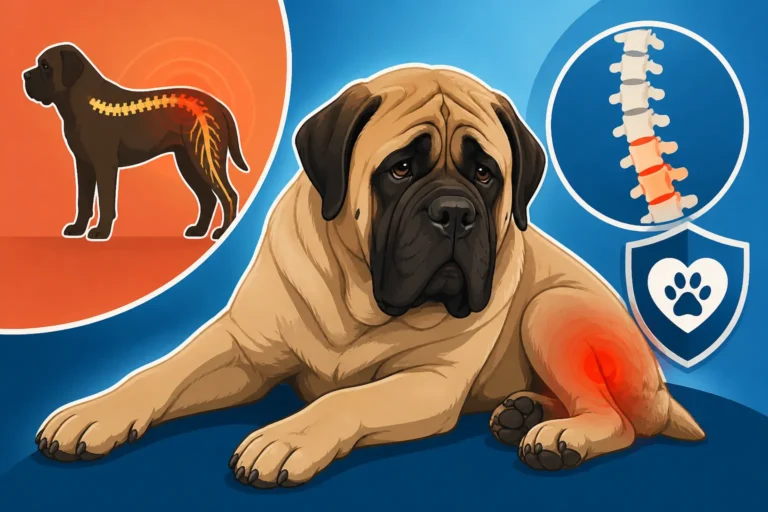
Elbow dysplasia doesn't always present with dramatic limping right away. Often, the early signs in a Mastiff puppy or adolescent are subtle and can be easily missed or mistaken for clumsiness or normal puppy growing pains. You might notice a slight stiffness, particularly after resting or getting up in the morning. Your Mastiff might be reluctant to play as vigorously as other puppies, or they might seem hesitant to jump onto furniture or into the car (which they shouldn't be doing anyway, but the reluctance could be a sign). A classic sign is a lameness that is often worse after exercise and tends to fluctuate – sometimes it’s noticeable, other times it’s not.
Another common indicator is a change in gait, such as "bunny hopping" with their hind legs to alleviate pressure on their front limbs, or walking with a stiff, short-strided gait. They might also stand with their front paws turned outwards. As Mastiffs are stoic by nature, they may not cry out in pain, but rather express discomfort through behavioral changes like lethargy, reduced appetite, or simply being less enthusiastic about walks. If you observe any persistent or recurring lameness, stiffness, or changes in your Mastiff's willingness to move, it's crucial to consult your veterinarian promptly. Early intervention can significantly impact the progression of the disease and the effectiveness of management strategies.
The Diagnostic Process
Diagnosing elbow dysplasia typically involves a thorough veterinary examination, including palpation of the joints, observation of your Mastiff’s gait, and a detailed discussion of their symptoms and history. The definitive diagnosis, however, relies on radiography (X-rays) of the elbow joints. Because Mastiffs are such large dogs, these X-rays often require heavy sedation or even general anesthesia to ensure proper positioning and clear images. Trying to get a squirming, sometimes reluctant, 150-pound dog to lie perfectly still for X-rays is nearly impossible without it.
The veterinarian will take several views of each elbow to assess for the specific components of ED, such as fragmented coronoid processes, ununited anconeal processes, osteochondrosis lesions, and signs of joint incongruity or early osteoarthritis. In some cases, especially when the X-rays are inconclusive or to get a more precise diagnosis for surgical planning, advanced imaging techniques like CT scans or MRI might be recommended. These provide a much more detailed, three-dimensional view of the joint. Receiving an ED diagnosis is incredibly hard, but it’s the first step towards formulating a comprehensive treatment and management plan to keep your Mastiff as comfortable as possible.
The Age for Official Certification
The Orthopedic Foundation for Animals (OFA) has a specific age requirement for official elbow dysplasia certification, which is 24 months (two years) of age or older. This minimum age is critical because it allows sufficient time for the elbow joints to fully develop and for any underlying issues of elbow dysplasia to become radiographically apparent. Taking X-rays too early might result in a false "clear" reading because the developmental abnormalities haven't fully manifested.
However, breeders may opt for preliminary evaluations on puppies as young as four months, particularly if they are considering future breeding potential or want an early indication of joint health. While these preliminary evaluations can be a useful screening tool, they are not considered definitive. A puppy that receives a "normal" preliminary elbow grade could still develop ED by the time it reaches two years, and conversely, some early minor findings might resolve. The final, official OFA certification, which is what reputable breeders will provide, ensures that the dog's mature joint structure has been assessed. For owners, understanding this timeline is important, especially if you bought a puppy with a health guarantee tied to a certain age or certification. This is a common practice in responsible breeding, and it's also relevant if you are curious about The Age a Mastiff Is Certified by OFA.
Managing Elbow Dysplasia: Treatment and Support
A diagnosis of elbow dysplasia in your Mastiff can feel overwhelming, but it's important to remember that there are various strategies and treatments available to help manage the condition and ensure your companion enjoys the best possible quality of life. The approach often depends on the severity of the dysplasia and the specific components involved.
Conservative Management Strategies
For many Mastiffs with mild to moderate elbow dysplasia, or for those not suitable for surgery, conservative management is the primary course of action. The cornerstone of conservative management is pain and inflammation control. Non-steroidal anti-inflammatory drugs (NSAIDs) are commonly prescribed to reduce discomfort and swelling, but given the Mastiff’s size, proper dosing is critical, often relying on their lean weight rather than scale weight. Regular monitoring for side effects is also necessary.
Beyond medication, several other strategies are vital. Weight management is paramount; keeping your Mastiff lean significantly reduces the load on their compromised joints. Even an extra five or ten pounds can make a huge difference in their comfort level. Physical therapy, including controlled exercise, hydrotherapy (swimming), and therapeutic massage, can help strengthen supporting muscles, improve range of motion, and reduce stiffness without putting excessive stress on the joints. Joint supplements like glucosamine, chondroitin, and Omega-3 fatty acids (fish oil) are often recommended for their chondroprotective and anti-inflammatory properties, respectively. These might not cure ED, but they can support joint health and potentially slow the progression of arthritis. If you're looking into preventative measures or supportive care, Joint Supplements for a Mastiff are often discussed for their benefits.
Surgical Interventions
For more severe cases of elbow dysplasia, or when conservative management is no longer sufficient, surgical intervention might be considered. The type of surgery depends entirely on the specific component of ED affecting the joint. For instance, fragmented coronoid processes (FCP) can often be removed arthroscopically (minimally invasive surgery), which involves tiny incisions and a camera to visualize the joint. Ununited anconeal processes (UAP) sometimes require reattachment or removal. Osteochondrosis dissecans (OCD) lesions are typically addressed by removing the cartilage flap and addressing the underlying bone.
The prognosis for surgical success varies depending on the specific procedure, the severity of the condition, and how much arthritis has already developed. Recovery for a giant breed like a Mastiff from elbow surgery is a significant undertaking, often involving weeks to months of strict rest, followed by controlled rehabilitation. It's an emotionally and financially taxing decision, and it’s critical to consult with a board-certified veterinary orthopedic surgeon to understand all the risks, benefits, and long-term expectations. The sheer scale of Mastiffs makes any surgery more complex, and finding a facility equipped to handle such a large dog is important.
Long-Term Care and Quality of Life
Living with a Mastiff affected by elbow dysplasia is a lifelong commitment to their comfort and well-being. Even after successful surgery or with diligent conservative management, most Mastiffs with ED will eventually develop some degree of osteoarthritis in the affected joint. This means ongoing care will be necessary to manage pain and maintain mobility. This includes a consistent routine of appropriate, low-impact exercise, such as short, frequent walks on soft ground, rather than long, strenuous outings. Weight control remains a critical factor throughout their lives.
Many owners find immense value in making adaptations to their home environment, such as using orthopedic beds to relieve pressure points, implementing ramps for vehicles or stairs, and ensuring good traction on floors to prevent slips and falls. Regular veterinary check-ups are essential to monitor the progression of arthritis and adjust pain management strategies as needed. This long-term care can be costly, making pet insurance a valuable consideration. Providers like Healthy Paws can offer significant financial relief for chronic conditions like elbow dysplasia, helping owners afford the best possible care without being overwhelmed by veterinary bills. Preparing for Arthritis in a Mastiff at Four can unfortunately become a reality for many dealing with ED.
Preventing ED: A Lifelong Commitment
Preventing elbow dysplasia in Mastiffs is a multi-faceted approach that starts even before you bring your puppy home and continues throughout their entire life. While genetic factors play a significant role, diligent attention to breeding, nutrition, and exercise can drastically reduce the risk and severity of this challenging condition.
Choosing a Reputable Breeder
The single most impactful decision you can make to prevent elbow dysplasia in your Mastiff is choosing a truly reputable breeder. A responsible breeder will prioritize health above all else and conduct extensive health screenings on both parent dogs. This means they will have official OFA certifications for hips and elbows, ensuring that both parents are graded as "Normal" for elbows and "Good" or "Excellent" for hips. They will also screen for other common Mastiff health issues, such as eye diseases and cardiac conditions.
A reputable breeder will be transparent about the health history of their breeding lines, not just the immediate parents, but also grandparents and siblings. They should be willing to share all OFA certificates and discuss any health concerns that have appeared in their lines. They will also offer a health guarantee, often covering genetic conditions like ED for a specific period. Be wary of breeders who offer puppies at unusually low prices or cannot provide verifiable health clearances, as this often indicates corners were cut in health testing. While even the most responsible breeding cannot guarantee a perfectly healthy puppy, choosing a breeder who rigorously screens their dogs significantly stacks the odds in your favor against conditions like elbow dysplasia. This diligence is part of The CHIC Four Plus the DNA Stack Behind a Mastiff's Price, reflecting the investment in healthy puppies.
Optimal Nutrition for a Growing Mastiff
Nutrition plays an absolutely critical role in supporting healthy joint development in a growing Mastiff and mitigating the risk of elbow dysplasia. The key is controlled, steady growth, not rapid bulk. This means feeding a high-quality, large-breed or giant-breed puppy food that is specifically formulated with lower protein, fat, and calcium levels compared to standard puppy foods. These specialized formulas are designed to prevent the accelerated growth that can put undue stress on developing joints and growth plates.
Overfeeding is a major culprit. It’s tempting to give your adorable Mastiff puppy extra food, but maintaining a lean body condition is vital. Your puppy should feel rather than see their ribs. Follow the feeding guidelines provided by the food manufacturer, but adjust as necessary based on your puppy's individual growth and activity level, always aiming for a lean physique. Avoid supplementing with extra vitamins, minerals, or calcium, as this can disrupt the delicate calcium-phosphorus balance and lead to developmental orthopedic disease. Stick to a measured, consistent feeding schedule, typically 2-3 meals a day, rather than free-feeding. The careful balance of calories and nutrients in specialized large breed formulas is essential for ensuring your Mastiff puppy grows slowly and healthily.
Controlled Exercise and Safe Environments
Managing a Mastiff puppy’s exercise is perhaps one of the most challenging, yet crucial, aspects of ED prevention. Their boundless puppy energy can make owners want to engage in long walks or vigorous play, but this is exactly what their developing joints cannot handle. The focus for Mastiff puppies should be on short, frequent, low-impact activity. This means short, leash-controlled walks on soft surfaces (like grass), allowing them to explore and sniff. Avoid forced running, long hikes, repetitive jumping, or strenuous activities until their growth plates have closed, typically around 18-24 months of age.
Discourage jumping on and off furniture, in and out of cars (use a ramp!), and excessive stair climbing. If you have stairs, carry your puppy up and down them for as long as you physically can, or block access. Provide soft, supportive bedding throughout the house to prevent pressure sores and encourage comfortable rest. Ensure all floors in your home offer adequate traction; consider runners, rugs, or non-slip mats, especially in high-traffic areas. Remember, your goal is to protect those vulnerable growth plates and joints during their most formative period. This dedication to controlled activity ensures your Mastiff can safely transition to adulthood.
| Factor | What to Do for Prevention | Why it Matters |
|---|---|---|
| Breeding | Choose breeders with OFA "Normal" elbows for generations, CHIC certification. | Reduces genetic predisposition, ensures responsible lineage. |
| Diet | Feed high-quality, large/giant breed puppy food; avoid overfeeding. | Controls rapid growth, prevents excess calcium/protein, supporting healthy bone development. |
| Exercise | Short, leash-controlled walks on soft surfaces; avoid jumping, forced running. | Protects vulnerable growth plates and developing joints from microtrauma and injury. |
| Environment | Provide good traction with rugs/runners; use ramps for cars/stairs; soft bedding. | Prevents slips and falls, reduces joint stress, supports comfortable resting positions. |
| Weight Management | Keep puppy lean; visible waistline, easily palpable ribs. | Minimizes load on developing and mature joints, slows progression of arthritis if ED develops. |
| Veterinary Care | Regular check-ups, discuss growth concerns, consider early X-rays if issues arise. | Early detection and intervention can significantly impact outcomes. |
Disclaimer
The information provided in this article is for general informational purposes only and does not constitute veterinary advice. Always consult with a qualified veterinarian for any health concerns or before making any decisions about your Mastiff's care, diet, or treatment. Individual situations may vary, and a professional veterinary diagnosis and treatment plan are essential.