How a Neapolitan Mastiff’s Skin Differs
The Neapolitan Mastiff’s most striking feature is its loose, deeply folded skin, especially around the head, neck, and face. Those wrinkles can trap moisture and dirt, so owners may wonder how much cleaning is needed and what counts as a skin problem. This guide explains how the breed’s skin differs from an English Mastiff’s, how to care for the folds, and when to call a veterinarian.
What makes a Neapolitan Mastiff’s skin different
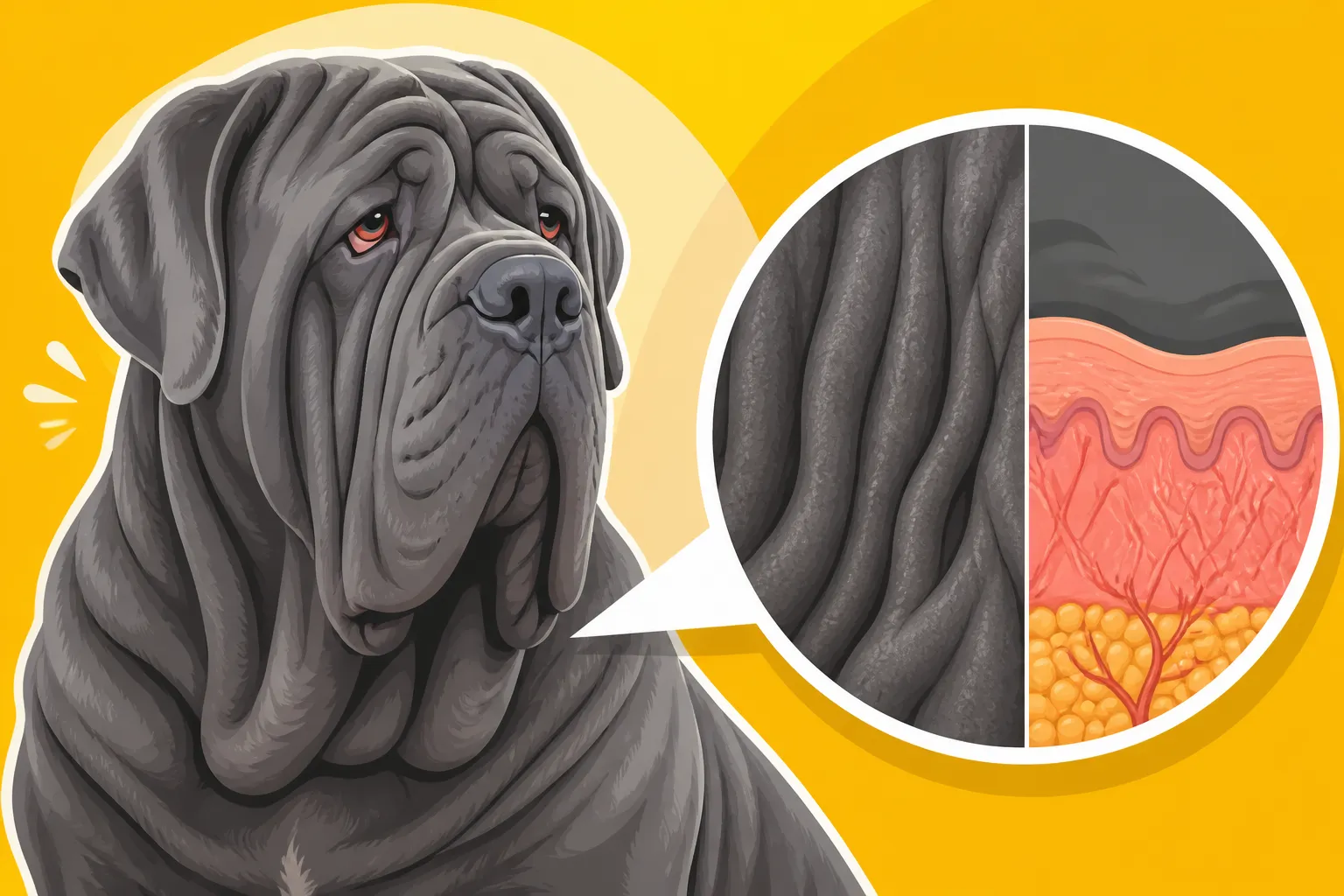
Loose skin and pronounced folds are part of the breed’s look
The Neapolitan Mastiff, often called the Neo, is an Italian breed known for a large, muscular frame and abundant loose skin. Its wrinkles are especially noticeable over the head and face, while folds may also appear around the neck and body. The effect can be dramatic: a young dog may already have a heavily wrinkled face, while the skin and overall build continue to mature as it grows.
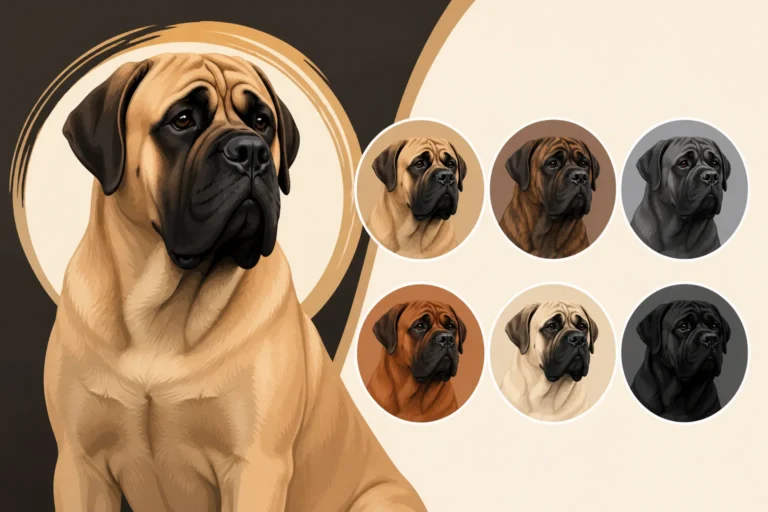
An English Mastiff can have facial wrinkles and loose skin too, but the Neapolitan Mastiff is generally recognized by more pronounced folds. The breeds are related by their broad mastiff type and name, but they are distinct breeds with different appearances. If you’re comparing them, The Mastiff Against the Neapolitan Mastiff offers a useful breed-to-breed starting point.
Loose skin is not a sign that every Neo has a skin condition, and wrinkles do not automatically need constant scrubbing. The practical difference is that deep folds can hold dampness, saliva, food crumbs, and everyday grime. Care is mostly about checking the skin and gently keeping areas that tend to stay moist clean and dry.
The coat is short, but skin care still matters
A Neapolitan Mastiff’s coat is short and close to the body. That can make brushing feel simpler than it would with a long-coated breed, but a short coat doesn’t make the dog low-maintenance in every way. The folds need attention because fur alone does not shield them from moisture and friction.
Think of a Neo who has just eaten, had a drink, and then settled into a warm bed. Saliva or water may collect around the lips and lower face; a neck fold may remain damp if the dog has been lying on it. The issue is not that the skin is dirty every time the dog drinks. It’s that repeatedly damp skin can become irritated, so a quick visual check and gentle wipe may be useful when needed.
Wrinkle patterns vary from dog to dog. One Neapolitan Mastiff may have deep facial folds but relatively uncomplicated body skin, while another may need closer attention around the lips, neck, or tail area. Don’t try to make the dog look wrinkle-free. The goal is comfortable, healthy skin—not forcing folds flat or scrubbing away the breed’s natural features.
How Neapolitan Mastiff skin compares with other mastiffs
The difference is in degree, not simply whether wrinkles exist
The English Mastiff is not a smooth-faced dog, and it may have folds around the brow and muzzle. The Neo’s skin, however, is typically much more visibly loose and folded, giving the head and neck a different outline. That’s why advice written for a generic “Mastiff” may not always describe a Neapolitan Mastiff’s day-to-day care exactly.
| Feature | Neapolitan Mastiff | English Mastiff |
|---|---|---|
| Loose skin | Often very prominent, especially around the head and neck | Can be loose, but folds are generally less pronounced |
| Facial appearance | Deep wrinkles and a heavily folded expression are defining traits | Wrinkles may be present, but the face usually has a less exaggerated fold pattern |
| Coat | Short and close-lying | Short and close-lying |
| Practical care focus | Inspecting and gently drying folds that retain moisture | Checking facial folds and other areas where dampness or irritation develops |
| Individual variation | Fold depth and cleaning needs vary between dogs | Skin and wrinkle patterns also vary between dogs |
This is a general breed comparison, not a guarantee about an individual dog. A particular English Mastiff may have more facial folds than another, and some Neos have skin that is easier to maintain than their appearance suggests. For a broader explanation of where folds can collect moisture, see Where a Mastiff's Skin Folds Are.
The word “Mastiff” can also cause confusion when people compare breeds with similar names. A Neapolitan Mastiff is not simply an English Mastiff with extra wrinkles, and it is not a Tibetan Mastiff. Those are separate breeds with different histories and traits. Why a Mastiff Is Not the Same as a Tibetan Mastiff explains another common naming mix-up.
Appearance alone does not tell you whether skin is healthy
A naturally deep fold should not be confused with inflammation. Healthy skin in a fold should not be persistently raw, swollen, painful, or wet with discharge. Likewise, a strong new odor, repeated scratching, or a dog flinching when you touch an area deserves attention rather than more vigorous cleaning.
A good baseline is to learn what your dog’s skin looks and smells like when it is comfortable. Check the same areas routinely, especially after meals or when the weather is warm and humid. If a fold suddenly looks red or the dog keeps rubbing its face, note when it began and whether anything else changed, such as a new shampoo, food, or environmental exposure. That information can help your veterinarian assess the problem.
A practical routine for cleaning and drying folds
Clean gently and only as often as the dog needs
There is no single schedule that fits every Neapolitan Mastiff. Some owners need to wipe around the lips or face more often because their dog drools or gets food caught in a fold. Other folds may remain clean and dry with occasional checks. Use what you observe as your guide rather than cleaning every wrinkle repeatedly just because it is there.
For routine care, use a soft, clean cloth dampened with water, or a product your veterinarian recommends for your dog’s skin. Wipe gently along the fold without scraping, tugging, or pushing a cloth deep into a narrow space. If you’re choosing supplies, What to Clean a Mastiff's Wrinkles With can help you think through the basics. Some owners compare plain, fragrance-free grooming supplies from retailers such as Chewy, but the product label and your veterinarian’s advice matter more than the shop you use.
Avoid assuming that a scented wipe, household cleanser, or leftover medicated product is suitable for a dog’s face. Skin-care products can irritate sensitive areas, and products meant for human use are not automatically appropriate for pets. If your dog already has redness, broken skin, or recurring irritation, ask a veterinarian before trying a new cleanser.
Dry the fold without rubbing or leaving it damp
After wiping, gently pat the area with a clean, dry cloth. Pay attention to the bottom of a fold, where moisture can be easy to miss. The aim is to remove dampness without rubbing the skin raw. A dog that pulls away, stiffens, or appears sore may have irritation or pain; don’t hold the fold open and keep cleaning through that reaction.
Drying is a small step that can make a routine more comfortable. It’s especially helpful after a face has been wiped with water, after the dog drinks messily, or after a bath. For more on that part of the routine, see Whether a Mastiff's Folds Need Drying After Cleaning.
A simple routine might look like this:
- Choose a calm moment, such as after a meal or when your dog is relaxed.
- Look over the face, lips, neck, and any other folds you know tend to stay damp.
- Wipe visible dirt gently with a clean, soft cloth.
- Pat the skin dry and check for redness, odor, moisture, or tenderness.
- Stop if the dog seems painful or the skin appears inflamed, and contact your veterinarian.
If you order basic grooming items through Chewy or another retailer, keep the routine uncomplicated: clean cloths and a veterinarian-approved product are more useful than a shelf of specialty items you may not need. Store supplies where you can reach them easily, so a quick wipe doesn’t become a wrestling match. The best routine is one your dog calmly tolerates and that you can repeat consistently.
Signs a fold needs veterinary attention
Watch for persistent odor, redness, and discomfort
A little drool or a damp face after drinking is not automatically a medical problem. More concerning signs include redness that persists, swelling, raw or cracked skin, discharge, a strong unpleasant smell, or repeated scratching and rubbing. A dog may also become reluctant to have a particular area touched.
These symptoms can have different causes, and a photo or appearance alone cannot reliably identify them. A fold infection is one possibility, but irritation, allergies, injury, or another skin condition may look similar. Signs a Mastiff's Fold Has Become Infected describes warning signs to take seriously, but a veterinarian should determine what is happening with your dog.
If you see a sore area, avoid trying to clean it aggressively or applying human creams without guidance. Keep the dog from repeatedly rubbing or scratching as best you can, and contact a veterinary clinic for advice. Mention whether the problem is new or recurring and whether it affects one fold or several. If your dog seems unwell as well as uncomfortable, arrange prompt veterinary care.
Recurring problems need more than repeated wiping
When the same fold becomes irritated again and again, simply cleaning it more often may not solve the cause. The skin may be staying damp, rubbing against itself, reacting to an irritant, or dealing with a condition that needs diagnosis and treatment. Frequent scrubbing can make sore skin more uncomfortable, even when the intention is to help.
A veterinarian can examine the skin and recommend a care plan suited to the specific problem. That might include changing the cleaning routine or using a prescribed treatment, depending on the findings. Don’t use leftover medication from another pet or stop a prescribed course early without checking with the clinic.
If you are comparing breed care guidance, remember that general Mastiff advice is a starting point, not a substitute for looking at your Neo’s actual skin. How Often a Mastiff's Folds Need Cleaning discusses why frequency varies, while Whether a Mastiff Gets Skin Fold Infections covers a related concern. A Neapolitan Mastiff with repeated irritation deserves individualized advice from a veterinarian familiar with the dog’s history and skin.
Making skin care manageable for your Neapolitan Mastiff
The most useful approach is steady observation rather than fussing over every wrinkle. Learn which folds stay dry, which tend to collect drool or food, and how your dog reacts to gentle handling. Keep clean cloths nearby, dry areas after wiping, and avoid adding products unless there is a clear reason to use them.
Skin care is also easier when it becomes an ordinary, low-pressure part of handling. Briefly touch your dog’s face and neck during calm moments, reward relaxed behavior, and stop before the dog becomes frustrated. If the dog resists because an area hurts, don’t treat that as stubbornness; soreness is a reason to pause and seek advice.
For owners who shop for grooming supplies at Chewy, it can help to keep a small set of basics together at home rather than relying on a last-minute search when a fold looks damp. Choose products based on veterinary guidance and the dog’s needs, not on claims that every wrinkled breed requires the same routine. A Neapolitan Mastiff’s folds are a distinctive part of its appearance, but healthy skin should still feel comfortable and be free of persistent irritation.
Disclaimer
This article is for general informational purposes only and does not constitute professional advice. Laws, prices and regulations vary by location and change over time. Consult a qualified professional for guidance on your specific situation.