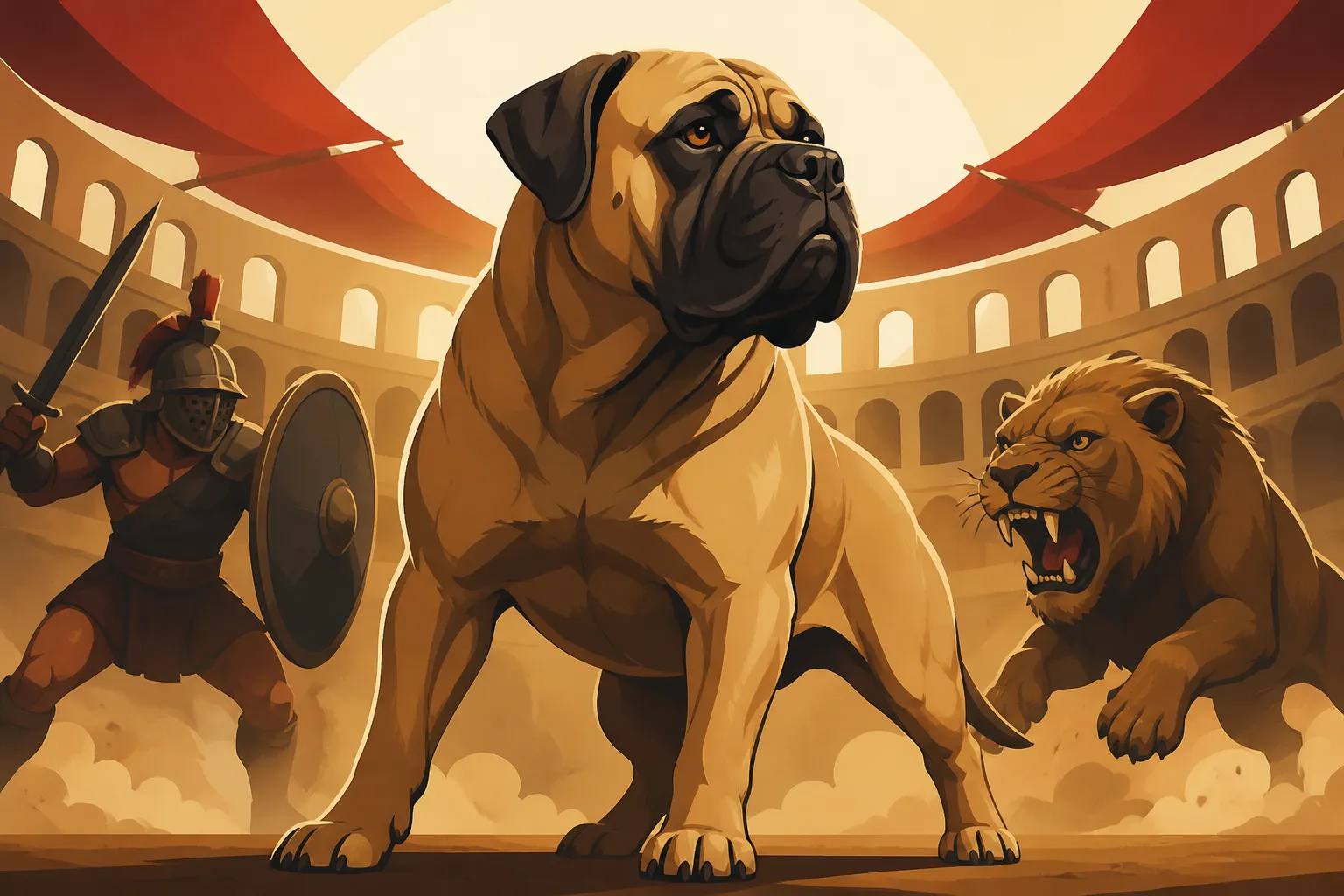
What Mastiffs Fought in the Colosseum
The raw, brutal spectacles of ancient Rome, particularly those held within the mighty Colosseum, often conjure images of gladiators and exotic beasts. But many people are surprised to learn that powerful, formidable dogs, ancestors to our modern Mastiffs, were also central figures in these dramatic and often gruesome events. This guide will take you on a journey back in time, shedding light on the historical role these impressive canines played in Roman society, from the battlefields to the infamous arena, and how these ancient warriors connect to the gentle giants we cherish today.
The Ancient Roots of the Mastiff Type Dog
Before we can truly understand what "Mastiffs" fought in the Colosseum, it's crucial to grasp that the term "Mastiff" as we know it today didn't exist in ancient Rome. What did exist were powerful, heavy-boned dogs bred for specific, demanding tasks. These dogs were the ancestors, the foundational stock, from which many modern Molosser breeds, including our beloved Mastiff, eventually developed. They were formidable animals, valued for their strength, courage, and protective instincts long before Rome rose to power.
The Myth and Reality of the Molossus
The most famous ancient canine associated with power and prowess was the Molossus, originating from the ancient Greek kingdom of Epirus, in what is now modern-day Albania and Greece. Legends describe them as immense dogs, fiercer than wolves, capable of bringing down large prey and standing guard with unwavering loyalty. While artistic depictions and written accounts vary, they consistently portray a large, heavily built dog, likely with a broad head and strong jaws. These dogs were primarily used for guarding livestock against predators, protecting homesteads, and even in warfare, where their imposing presence could intimidate enemies. They were not a single, standardized breed like we think of today, but rather a type of dog, bred for function and utility. Think of them as the foundational stock – the blueprint – for many of the heavy-boned, powerful dogs that would eventually find their way into Roman hands. The Romans encountered these dogs through conquest and trade, recognizing their immense value.
These early Molossians were the subject of much admiration and fear. Greek writers, like Aristotle, mentioned them, noting their incredible strength and use in hunting and protection. It's easy to imagine a dog of such stature commanding respect on a battlefield or standing watch over a flock. Their reputation preceded them, spreading across the ancient world and making them highly sought after by various cultures, including the burgeoning Roman Republic. They were a testament to selective breeding for specific, often dangerous, tasks, setting the stage for their eventual role in Roman society.
British War Dogs and Roman Conquest
Another significant lineage of powerful dogs that contributed to the Roman concept of a "Mastiff-type" came from an unexpected place: Britain. When Julius Caesar invaded Britain in 55 and 54 BCE, his legions encountered not only fierce Celtic warriors but also their equally formidable war dogs. These dogs, known as Pugnaces Britanniae, or "British fighting dogs," were described as large, powerful, and exceptionally courageous. What Caesar Wrote About British Mastiffs speaks to their impressive nature, detailing how they fought alongside their Celtic masters.
The Romans, ever pragmatic, quickly saw the potential in these dogs. They were so impressed by the bravery and physical attributes of the British dogs that they began importing them back to Rome, not just as curiosities, but for use in the arena and for their own military purposes. These dogs, mixed with the existing Molossian lines and other local heavy guard dogs, further solidified the Roman understanding of what a truly powerful canine could be. It wasn't about a specific breed name, but rather a functional type – a large, strong, courageous dog capable of confronting threats head-on, whether that threat was a wild animal, an invading army, or a gladiatorial opponent. This blend of powerful bloodlines created the "mastiff-type" dogs that were destined for a place in Roman history.
Bringing "Mastiffs" to Rome: War and Conquest
The Roman Empire was built on conquest, and as their legions swept across Europe, North Africa, and the Middle East, they encountered diverse cultures and, with them, diverse types of dogs. Unlike modern military forces with specialized equipment, ancient armies often utilized animals in their campaigns. Dogs, particularly large and robust ones, played a role that went far beyond mere companionship; they were instruments of war and protection.
The Canine Companions of Roman Legions
Roman soldiers, particularly those stationed in conquered territories or on the frontiers of the sprawling empire, often utilized large, protective dogs. These were not typically the small, agile dogs seen in hunting, but rather heavy-boned, powerful canines that could serve as sentinels, deterring intruders and alerting the camp to danger. How Roman Troops Brought Mastiffs to England is a testament to this, showing how the movement of legions facilitated the movement and interbreeding of dog types across vast distances. These dogs were invaluable for guarding military camps, supply lines, and even Roman settlements against both human adversaries and wild animals. Their sheer presence was often enough to deter potential threats, and their loyalty made them trusted companions in dangerous environments.
These military dogs were likely descendants of the Molossians and other strong regional breeds, selectively bred for their physical prowess and alert nature. Their lives were undoubtedly harsh, demanding extreme resilience and adaptability. They would have been exposed to a multitude of environments, from the cold forests of Britannia to the scorching deserts of Egypt, requiring a robust constitution. The Roman legions, masters of logistics and organization, would have recognized the benefit of a dog that could not only guard but potentially assist in skirmishes or tracking. These working dogs formed a crucial, if often uncelebrated, part of the Roman war machine, indirectly influencing the stock that would later appear in the arena.
Imports and Interbreeding Across the Empire
As the Roman Empire expanded, so did its menagerie of animals. The Romans were keen on acquiring and breeding the best examples of any animal that could serve a purpose, be it in agriculture, entertainment, or warfare. This extensive network of trade and conquest led to a melting pot of canine genetics. Dogs from across the known world, from the mountains of Epirus to the shores of Britain, were brought to Rome. These "imports" were then likely interbred, either intentionally to create even more formidable fighting dogs, or naturally through proximity in bustling Roman cities and military outposts. The Molossus in the Mastiff's Ancestry delves into the origins of these formidable animals, highlighting the diverse genetic contributions that shaped the Roman "Mastiff-type."
This interbreeding was crucial. It meant that the "Mastiff" of the Colosseum wasn't a singular, purebred entity, but rather a collection of powerful dogs that shared common traits: immense size, strength, and a fierce temperament. Breeders and trainers would have focused on selecting the largest, most aggressive, and most resilient individuals for their specific purposes. This practice of functional breeding, rather than aesthetic breeding, ensured that the dogs used in the arena were truly capable of facing the extreme challenges presented to them. Imagine the scale of this operation, bringing animals from the far reaches of the empire to satisfy Roman demand for spectacle and security. The Roman fascination with powerful dogs was not just for practical reasons, but also for their symbolic representation of strength and dominance.
The Role of Molossians and Mastiff-Types in Roman Spectacles
The Colosseum, or Flavian Amphitheatre, was the epicentre of Roman entertainment, hosting spectacles that ranged from gladiatorial combat to exotic animal hunts. The "Mastiff-type" dogs were far from mere spectators; they were active, and often central, participants in these brutal displays.
Confronting Wild Beasts
One of the most common and dramatic uses for these powerful dogs in the Colosseum was in the venationes, the wild beast hunts. These events were designed to showcase Rome's power over nature, featuring exotic animals from across the empire. Lions, tigers, bears, wild boars, and even rhinoceroses were brought to Rome to face trained hunters and, significantly, powerful dogs. The "Mastiff-type" dogs were chosen for these encounters precisely because of their size, strength, and courage. They were pitted against these dangerous predators, often in large packs, their role being to corner, subdue, or even kill the wild animals. The spectacle was designed to be thrilling and bloody, a testament to the might of the dogs and, by extension, the power of Rome itself. The Mastiffs That Fought in the Arena provides further insight into these specific roles.
These were not gentle family pets; they were living weapons, trained for aggression and endurance. Their encounters would have been incredibly violent, and many dogs would have perished in the arena. The sheer scale of these events often required hundreds of animals, both wild and domestic, to be killed in a single day. The "Mastiff-type" dogs, with their powerful jaws and fearless nature, were uniquely suited for this grim task, providing a thrilling, if horrific, contest for the Roman crowds. It truly puts into perspective the difference between these ancient working dogs and the well-fed, comfortable companions many of us care for today, perhaps even with all their nutritional needs met by a convenient service like Chewy.
Engaging in Dog-on-Dog Combat
While fighting wild beasts was a major draw, dog-on-dog combat was also a feature of Roman spectacles. These contests pitted powerful dogs against each other, often in matches designed to test their ferocity and stamina. These were not the regulated dog fights of later eras, but rather chaotic and violent displays of canine aggression. The "Mastiff-type" dogs, being the largest and most formidable, would have been prime candidates for such events. The goal was to entertain the crowd with raw, visceral combat, highlighting the breeding and training that went into these animals. This would have been a grim display of dominance and survival, with the dogs often fighting to the death.
Beyond pure fighting, some accounts suggest dogs were also used in mock battles or to incapacitate fleeing gladiators or criminals sentenced to death. Their ferocity added another layer of danger and drama to the already brutal environment of the arena. The conditioning for these roles would have been relentless, prioritizing aggression and physical prowess above all else. This contrasts sharply with modern Mastiff ownership, where socialization and gentle training are paramount to harnessing their protective instincts for family life, ensuring they can be wonderful, gentle companions, whether they're sleeping soundly on an orthopedic bed or enjoying a treat from Chewy.
Life and Training for a Fighting Dog in Ancient Rome
The life of a "Mastiff-type" fighting dog in ancient Rome was undeniably brutal, far removed from the pampered existence many of our modern pets enjoy. These animals were bred and trained with a singular purpose: to perform in the arena. Their regimen would have been focused entirely on maximizing their aggression, strength, and resilience.
Harsh Training Regimens
For dogs destined for the Colosseum, training would have begun early and been relentlessly severe. There was no concept of positive reinforcement or gentle handling; the goal was to create a fierce, unyielding fighter. Puppies showing the most aggressive tendencies and physical promise would have been selected. Their training likely involved constant exposure to simulated threats, encouraging a strong prey drive and a heightened sense of aggression. They would have been conditioned to ignore pain and fear, often through starvation or harsh physical punishments. This was a far cry from the thoughtful, patient training methods we use today for a Mastiff, where consistency and reward-based learning are key to raising a well-adjusted giant.
Their diet, while probably sufficient to maintain their immense size and strength, would not have been the carefully balanced, premium kibble we might pick up from Chewy for our Mastiffs today. It would have been whatever was cheap and available, likely scraps of meat, grains, and other by-products. The emphasis would have been purely on caloric intake for energy and muscle mass, not on long-term health or joint support, which are critical considerations for a breed as large as the Mastiff. Their bodies were tools, expected to perform until they could no longer do so.
Housing and Conditions
The conditions in which these fighting dogs were kept were likely basic and utilitarian. They would have been housed in kennels or pens designed for security and control, not comfort. Given their aggressive nature, individual housing might have been common, or they would have been kept in groups structured by dominance. There would have been no plush bedding, climate control, or regular veterinary care. Injuries would have been common, and the lifespan of an arena dog would have been tragically short. Contrast this with the focus on comfort and longevity for a modern Mastiff, which often includes considerations like orthopedic beds and regular check-ups to prevent issues like Arthritis in a Mastiff at Four.
Disease and infection would have been rampant, and any dog that couldn't perform due to illness or injury would have been quickly culled. Their value lay solely in their ability to fight, making their existence precarious and unforgiving. It paints a stark picture of the vast difference in animal welfare between the ancient world and today, where we strive to provide our dogs with the best possible life, from nutritious food to loving homes, and understand that The Mastiff's Short Life Buys the Biggest Bills because of the extensive care they require.
Connecting Ancient Fighters to Modern Mastiffs
It's easy to look back at the brutal history of "Mastiff-type" dogs in ancient Rome and feel a disconnect from the gentle, often couch-potato giants we share our homes with today. However, understanding this history is crucial to appreciating the incredible journey and transformation of the breed. While our modern Mastiff certainly carries the genetic echoes of those powerful ancient dogs, the intervening centuries have refined their temperament and refined their role in human society.
From Arena Fighter to Family Guardian
The transition from a fierce arena fighter or war dog to a beloved family guardian is perhaps the most significant evolution in the Mastiff's history. While the ancient dogs were valued for their aggression and physical power, modern breeding has focused on maintaining their impressive size and protective instincts while tempering their ferocity with a calm, devoted temperament. Today, a Mastiff is renowned for its gentle nature, patience, and deep loyalty to its family. They are natural guardians, but they deter threats primarily through their imposing presence rather than overt aggression. The Mastiff as a Guard Dog or a Deterrent perfectly encapsulates this modern role.
This shift reflects a broader change in human-animal relationships, moving away from utility and spectacle towards companionship and mutual affection. We no longer need dogs to fight lions or conquer lands; instead, we seek their unwavering love and protective presence within our homes. The modern Mastiff embodies this perfectly – a powerful dog with a surprisingly sensitive soul, thriving on close family bonds and gentle leadership. They’ve gone from being feared to being cherished, requiring ample space on the sofa and a constant supply of affection.
The Gentle Giants We Know Today
Our contemporary Mastiffs, with their massive heads, deeply wrinkled brows, and often serious expressions, still command respect through their sheer size. However, beneath that imposing exterior lies a loving, often lazy, companion. They are famously good with children and other pets when properly socialized, becoming steadfast protectors who prefer to observe rather than engage in conflict. Their bravery is now channeled into guarding their loved ones, not fighting in an arena. They might enjoy a leisurely walk, but their ancestors’ rigorous training for combat has been replaced by the need for mental stimulation and gentle exercise, ensuring their joint health and overall well-being.
The journey from the Colosseum to our living rooms is a long one, marked by centuries of selective breeding that prioritized temperament alongside physical characteristics. Today, we celebrate the Mastiff not for its fighting prowess, but for its unparalleled devotion, calm demeanor, and impressive stature. Providing them with the right environment, nutrition—like quality food from Chewy—and consistent, positive training allows these magnificent dogs to flourish as the gentle giants they were meant to become. Understanding their ancient past only deepens our appreciation for the remarkable animals they are today.
Key Differences Between Ancient & Modern "Mastiffs"
To truly appreciate the transformation, it's helpful to compare the probable characteristics and lifestyles of the ancient Roman "Mastiff-type" dogs with our modern Mastiffs.
| Feature | Ancient Roman "Mastiff-Type" Dogs | Modern Mastiff (e.g., Old English Mastiff) |
|---|---|---|
| Temperament | Fierce, aggressive, highly territorial, bred for combat | Gentle, loyal, calm, protective, good family dog, stable |
| Purpose | Warfare, guarding, arena combat (beast fights, dog fights) | Companion, family guardian, show dog, therapy dog (sometimes) |
| Training | Harsh, focused on aggression, pain tolerance | Positive reinforcement, socialization, obedience, gentle guidance |
| Diet | Basic, opportunistic, whatever was available for sustenance | Carefully balanced large breed formulas, high-quality ingredients, often sourced from reputable vendors like Chewy |
| Lifespan | Likely very short due to combat, injury, disease, poor care | Six to Ten Years Is What a Mastiff Gets, focus on health & longevity |
| Veterinary Care | Non-existent or very rudimentary | Regular check-ups, vaccinations, preventative care, specialist treatment for conditions like Elbow Dysplasia Affects One Mastiff in Seven |
| Socialization | Limited, focused on dominance over other animals | Extensive, crucial for a stable temperament and living in society |
This table clearly illustrates the dramatic shift in how these magnificent animals are perceived and cared for. While their ancient ancestors were tools of war and entertainment, modern Mastiffs are cherished family members, their strength now a source of comfort and security rather than fear. The challenges faced by modern Mastiff owners are vastly different, focusing on health, training, and integration into the family, rather than survival in an arena.
Beyond the Arena: The Working Roles of Roman Molossers
While the arena offers a dramatic glimpse into the lives of Roman "Mastiff-type" dogs, it's important to remember that these powerful canines served many other vital roles throughout the vast Roman Empire. Their strength, loyalty, and protective instincts made them indispensable in daily life, far removed from the spectacle of public games.
Guardians of Farms and Estates
Just as their Molossian ancestors in Greece, Roman "Mastiff-type" dogs were widely used as guardians of farms, villas, and sprawling estates. In a world without sophisticated security systems, a formidable dog was often the best deterrent against thieves, predators, and unwelcome intruders. These dogs lived alongside livestock, protecting sheep, cattle, and other animals from wolves, bears, and human rustlers. Their sheer size and intimidating presence were often enough to send a clear message: keep away. The image of a massive dog standing guard, alert and watchful, would have been a common sight in the Roman countryside.
Their role was not merely passive observation; they were expected to engage and repel threats. This required not only physical strength but also keen intelligence and an unwavering protective drive. They would have been exposed to the elements, living a tough, outdoor life, constantly vigilant. This ancient role as a steadfast protector is a core characteristic that still resonates in the modern Mastiff, even if the threats they guard against have changed from wild animals to unfamiliar visitors at the door. Their innate ability to discern friend from foe and their inherent protective nature are deeply ingrained.
The Butcher's Dog and Other Working Roles
Beyond guarding estates, these powerful dogs found employment in various other working capacities. One notable role was that of the "butcher's dog." These dogs would have been used to drive cattle and other livestock to market, their size and strength useful for herding and controlling large, unruly animals. In a time before mechanized transport, dogs were invaluable for moving goods and animals, particularly in crowded urban environments. Their ability to command respect from livestock, combined with their protective instincts against potential thieves, made them ideal for this demanding job.
Furthermore, there would have been a myriad of other less documented working roles. From assisting hunters in bringing down large game to acting as general protection for merchants and travelers, these "Mastiff-type" dogs were integrated into the fabric of Roman working life. Their adaptability and utility were highly prized, making them far more than just fighting machines. They were working partners, essential for the economy and security of the Roman populace. The underlying genetic traits that made them formidable in the arena also made them valuable assets in the everyday challenges of the ancient world.
The Modern Legacy: A Transformed Breed
The Mastiff we know and love today is a testament to selective breeding and the changing relationship between humans and dogs. While the echoes of their powerful ancestors remain, the modern Mastiff has been refined into a true gentle giant.
Breeding for Temperament and Health
Modern Mastiff breeders dedicate themselves to producing dogs that are not only physically impressive but also possess the calm, stable temperament characteristic of the breed standard. This means prioritizing health and disposition, often through rigorous health testing and careful selection of breeding stock. Conditions like The Four CHIC Tests a Mastiff Breeder Must Clear and various DNA panels for genetic diseases are now standard practice, a stark contrast to the ancient world where survival of the fittest in combat was the primary selection criterion. Breeders today are striving to extend the Mastiff's notoriously short lifespan, focusing on genetic diversity and responsible practices.
The goal is to ensure that each Mastiff puppy grows into a well-adjusted, healthy adult that can be a cherished member of a family. This often means carefully tracking pedigrees, understanding genetic predispositions, and making informed choices that benefit the future of the breed. It's a far cry from simply breeding the most aggressive dog for the arena, highlighting the ethical responsibilities modern breeders embrace for the welfare of their animals. This commitment ensures that the Mastiff's future is one of companionship, not conflict.
The Mastiff as a Cherished Companion
Today's Mastiff lives a life of comfort and companionship, often residing indoors as a beloved family member. They thrive on human interaction and become deeply attached to their owners, often following them from room to room. Their gentle nature makes them excellent companions for children, though their immense size always necessitates supervision to prevent accidental bumps. Their imposing stature still acts as a deterrent, but their true value lies in their unwavering loyalty and affectionate disposition.
Providing for a modern Mastiff involves significant commitment, from ensuring they have ample space and appropriate exercise to meeting their considerable nutritional needs. Many owners meticulously select large-breed specific foods, sometimes even opting for convenient services like Chewy to ensure a consistent supply of quality kibble. Understanding the history of the breed helps us appreciate just how far these magnificent dogs have come, transforming from instruments of war and spectacle into devoted, gentle giants who enrich our lives with their quiet, loving presence. The transformation from Colosseum fighter to cherished companion is a truly remarkable chapter in canine history.
Disclaimer
This article is for general informational purposes only and does not constitute professional advice. Laws, prices and regulations vary by location and change over time. Consult a qualified professional for guidance on your specific situation.