Brushing the Teeth of a Mastiff That Outweighs You
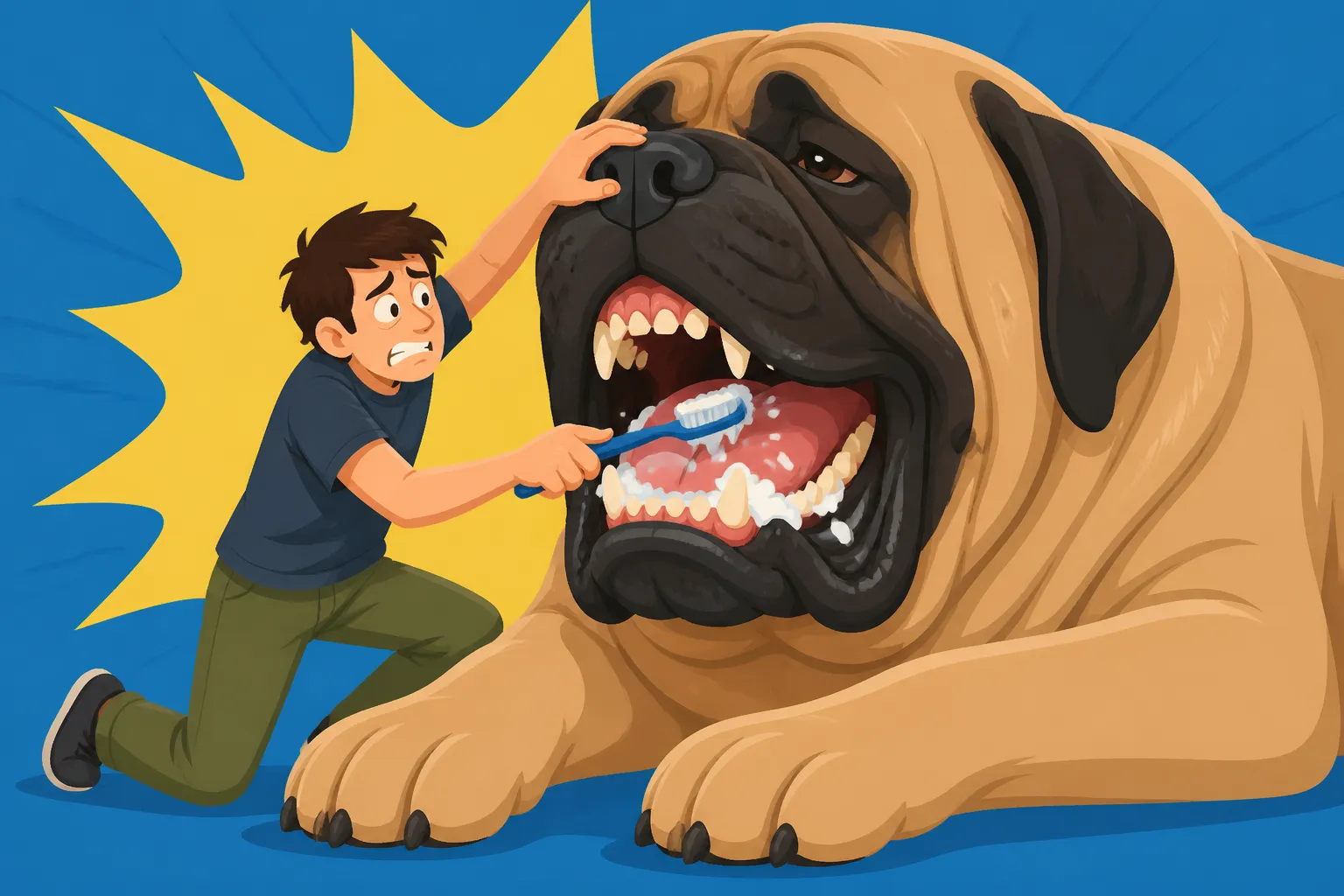
Let's be honest, the thought of brushing your Mastiff's teeth probably sends shivers down your spine. You're picturing yourself wrestling a two hundred-pound dog with a tiny brush, risking a slobbery, indignant protest, or worse, an accidental nip. It's a daunting prospect, but ignoring your Mastiff's oral hygiene can lead to serious health issues, pain, and astronomical vet bills down the line. This guide is here to walk you through the practical, empathetic, and realistic ways to keep your colossal companion's pearly whites healthy, even when they outweigh you by a significant margin.
The Unseen Battle: Why Your Mastiff's Dental Health Matters (Even if it's a Herculean Task)
Many Mastiff owners focus on big health concerns like bloat or joint issues, and rightly so, but dental health often slips under the radar until a problem becomes painfully obvious. Yet, ignoring those massive molars and giant gums can have a cascade of negative effects on your beloved Mastiff's overall well-being. It’s not just about bad breath; it’s about systemic health.
Understanding Canine Dental Disease
Just like in humans, dogs accumulate plaque on their teeth. This soft, sticky film is a breeding ground for bacteria. If not removed regularly, plaque hardens into tartar, a tough, calcified deposit that clings stubbornly to the tooth surface. Once tartar forms, it creates an abrasive surface that further irritates gums and provides more places for bacteria to hide.
This process leads to gingivitis, an inflammation of the gums that is often characterized by redness, swelling, and bleeding. If left unchecked, gingivitis progresses to periodontitis, a much more severe and painful condition. Periodontitis involves the destruction of the tissues supporting the teeth, including the gums, bone, and ligaments. Teeth can loosen, become infected, and eventually fall out. Imagine living with that kind of chronic pain in your mouth; it’s a miserable existence for any dog.
The Systemic Impact of Poor Oral Hygiene
The consequences of advanced dental disease extend far beyond the mouth itself. The bacteria that thrive in plaque and tartar can easily enter the bloodstream, traveling to major organs. This puts your Mastiff at risk for serious secondary infections in the heart, kidneys, and liver. For a breed already prone to various health challenges, adding systemic bacterial infections to the mix is a risk no owner wants to take.
A hidden heart infection originating from dental disease can be incredibly serious, especially for a large breed with a significant cardiac load. Likewise, kidney and liver damage can impact their quality of life and shorten their already too-brief existence. Addressing dental health isn't just cosmetic; it's a crucial component of preventative care, alongside regular vet check-ups and watching for signs of conditions like Bloat in the Deepest Chest of Any Breed: the Mastiff or Elbow Dysplasia Affects One Mastiff in Seven. Investing time in their dental care now can save them from immense pain and you from incredible veterinary expenses later. Remember, What a Mastiff's Weight Does to Every Line on the Vet Invoice when it comes to medical procedures, and dental surgery is no exception.
Arming Yourself: Choosing the Right Tools and Techniques for a Giant Mouth
Conquering the mountain that is your Mastiff's mouth requires the right equipment and a healthy dose of patience. Forget the tiny brushes designed for Chihuahuas; you need tools that can handle the sheer scale of a Mastiff's oral cavity, and an approach that respects their size and sensitivity.
Essential Dental Tools for Mastiffs
The market is flooded with dental products, but for a Mastiff, you need to be strategic. Here’s what to look for:
- Dog-Specific Toothpaste: This is non-negotiable. Human toothpaste contains fluoride and xylitol, which are toxic to dogs. Canine toothpaste comes in flavors dogs often love, like poultry or beef, which can make the experience more palatable. Many also contain enzymes that help break down plaque. You can find a good selection on platforms like Chewy or Amazon.
- Large Dog Toothbrush: You need a brush head big enough to cover significant surface area but still maneuverable. Look for:
- Long Handles: To reach those back molars without putting your fingers in harm's way.
- Multiple Heads: Some brushes have two heads at different angles, which can be helpful for getting into crevices.
- Soft Bristles: Gums can be sensitive, so soft bristles are key to preventing irritation.
- Finger Brushes: While they put your finger closer to their chompers, some Mastiffs tolerate these better as they offer a more tactile, gentle feel. They are great for getting puppies used to the sensation or for quick, targeted cleaning.
- Dental Wipes: These are not a substitute for brushing, but they can be excellent for daily maintenance on the front teeth or for getting your Mastiff accustomed to having their mouth handled. They're also useful for quickly cleaning after a messy meal or treat.
When selecting products, think about what will be most comfortable for your dog and easiest for you to wield. A bit of trial and error might be necessary to find the perfect combination.
Understanding Alternatives and Supplements
While brushing is the gold standard, some supplemental products can help, but they rarely replace mechanical brushing entirely.
- Dental Chews: High-quality dental chews can help reduce plaque and tartar, especially those approved by the Veterinary Oral Health Council (VOHC). They work by providing an abrasive action as the dog chews. Always choose chews appropriate for your Mastiff's size and chewing style to prevent choking or broken teeth. They can be found on Chewy.
- Water Additives: These are liquids you add to your Mastiff's drinking water, designed to reduce bacteria and plaque. While they offer some benefit, their effectiveness can vary, and they don't provide the mechanical cleaning of brushing.
- Dental Diets: Some kibble formulations are specifically designed with larger, textured kibble that helps scrape plaque off teeth as the dog chews. This can be a good proactive step, but again, it’s usually not a complete solution. Brands like Royal Canin or Hill's often have prescription dental diets that your vet might recommend. You can often find these specialized foods on Chewy or via vet clinics.
- Ollie's Fresh Food Approach (and similar fresh food options): While Ollie is primarily a fresh dog food brand, the general principle of a healthy, balanced diet supports overall health, including dental. Some anecdotal evidence suggests that dogs on fresh or raw diets might have fewer dental issues due to less processed ingredients and different chewing patterns, but there is no scientific consensus that these diets eliminate the need for brushing. If you're considering a fresh food option, discuss it with your vet, and remember that any diet still needs to be supplemented with mechanical cleaning.
It’s crucial to view these options as aids to brushing, not replacements. The physical act of brushing is what really gets rid of that sticky plaque before it turns into rock-hard tartar.
| Dental Tool/Method | Pros | Cons | Best For |
|---|---|---|---|
| Canine Toothbrush | Most effective plaque removal, deep cleaning | Can be challenging to use, requires cooperation | Daily/weekly brushing, targeting all tooth surfaces |
| Finger Brush | Good tactile control, less intimidating for some | Risk of finger injury, less reach for back teeth | Introducing brushing, front teeth, smaller dogs (or Mastiff puppies) |
| Dental Wipes | Quick, easy, good for daily maintenance | Limited abrasive action, doesn't reach all areas | Front teeth, between brushings, getting dog used to mouth handling |
| Enzymatic Toothpaste | Helps break down plaque, palatable flavors | Only effective if applied to teeth, not a standalone solution | Essential with any brushing method |
| Dental Chews | Satisfies chewing instinct, some plaque reduction | Not a substitute for brushing, can be high in calories | Supplemental care, rewarding good behavior |
| Water Additives | Easy to use, passive dental support | Limited effectiveness, won't remove existing tartar | Dogs who refuse brushing, general breath freshening |
The Gentle Giant Approach: Step-by-Step Brushing When Your Dog Outweighs You
Brushing a Mastiff's teeth isn't a one-and-done affair; it's a gradual process of desensitization, positive reinforcement, and clear, consistent communication. You can't overpower a Mastiff, so you need to outsmart them with patience and kindness. The Sensitivity Nobody Expects in a Two Hundred Pound Mastiff means that harsh methods will only backfire.
Phase 1: Getting Comfortable with Mouth Handling
Before you even think about a brush, your Mastiff needs to be comfortable with you touching their face and mouth. This phase can take days, weeks, or even months, depending on your dog's temperament and prior experiences.
- Start Slow and Gentle: Begin by simply touching their muzzle softly for a few seconds. Follow immediately with a high-value treat and praise. Repeat this many times a day, in short sessions.
- Progress to Lifting Lips: Once they tolerate muzzle touches, gently lift their lip for a second or two to expose their teeth. Again, immediate reward. You're not looking to clean anything yet, just to make them associate lip-lifting with good things.
- Introduce Touch to Gums: When they’re okay with lip lifting, gently run your finger along their gums. Keep it brief, positive, and full of treats. The goal is to build trust and positive associations. If they show any signs of discomfort or resistance, back off and go slower. Remember, What Actually Motivates a Mastiff is usually food and praise, so use it generously.
This foundational work is critical. Trying to rush this stage will lead to a battle of wills that you, frankly, will lose against a dog of this size.
Phase 2: Introducing the Toothpaste and Brush
Once your Mastiff is happy with mouth handling, it's time to bring in the new elements.
- Taste Test the Toothpaste: Let them lick a tiny bit of the dog-specific toothpaste off your finger. Make it a delicious treat! This helps them associate the flavor with pleasant experiences. You can get a good variety of flavors from Chewy.
- Introduce the Brush (No Paste Yet): Let your Mastiff sniff and investigate the toothbrush. You can even dab a tiny bit of toothpaste on it and let them lick it off. Then, without toothpaste, gently touch the brush to their gums and teeth for just a second. Reward immediately. The focus is purely on accepting the brush.
- Short Brushing Sessions with Paste: Once they tolerate the brush, put a pea-sized amount of toothpaste on it. Start by brushing just one or two teeth for a few seconds. Aim for the outside surfaces of the upper canines and molars, as these are often the quickest to accumulate plaque and the easiest to reach. Focus on the gum line, using gentle circular motions. End the session quickly with praise and a generous reward.
Consistency is key. Daily short sessions are far more effective than infrequent, long, struggle-filled ones. Keep it light, fun, and always end on a positive note, even if you only managed one tooth.
Phase 3: Mastering the Full Mouth Maneuver
As your Mastiff grows more accustomed to the routine, you can gradually increase the duration and coverage of your brushing sessions.
- Systematic Coverage: Slowly work your way around their mouth, aiming to brush all teeth surfaces, both inside and out. The outside surfaces are usually more accessible. Pay particular attention to the back molars, which are critical for chewing and can harbor significant plaque. Use a long-handled brush from Amazon to reach these areas more comfortably.
- Managing Their Size: Since your Mastiff outweighs you, you need to establish a comfortable and safe position for both of you. Many owners find it easiest to have their Mastiff lie down with their head in your lap or on a pillow, or sitting between your legs. This gives you better control over their head without physically restraining them, which can cause anxiety. If they try to stand up, gently encourage them to lie back down with a calm voice and soft pressure, rather than force.
- Stay Calm and Positive: Your Mastiff will pick up on your stress. A calm, confident demeanor on your part will help them relax. Use soothing tones and consistent commands. If they resist, don't scold them. Instead, gently redirect, take a short break, or simply end the session on a positive note after a single successful brush stroke, and try again later. This kind of Positive Training Alone Works on a Mastiff for building trust and good habits.
It might feel like a slow process, but remember that you're building a lifelong habit that will significantly contribute to their health. Patience, positive reinforcement, and the right tools will make this daunting task a manageable part of your Mastiff's care routine.
Beyond the Brush: Supplementary Care and When to Seek Professional Help
Even with the most diligent home brushing routine, there are times when professional intervention is necessary. Think of it like your own dental care: you brush daily, but you still go to the dentist for professional cleanings.
Recognizing Signs of Dental Trouble
Your daily brushing sessions put you in the perfect position to monitor your Mastiff's oral health. Be vigilant for any of these signs that might indicate a problem:
- Bad Breath (Halitosis): While "dog breath" is a thing, excessively foul breath is often the first sign of bacterial overgrowth and dental disease.
- Red, Swollen, or Bleeding Gums: These are classic symptoms of gingivitis or periodontitis.
- Yellow or Brown Tartar Buildup: If you see significant hard deposits, especially near the gum line, it's a sign that plaque has calcified.
- Reluctance to Eat or Chew: Painful teeth can make eating difficult. Your Mastiff might drop food, chew on one side of their mouth, or show less interest in hard kibble or chews.
- Pawing at the Mouth or Rubbing Face: These can be signs of oral discomfort or pain.
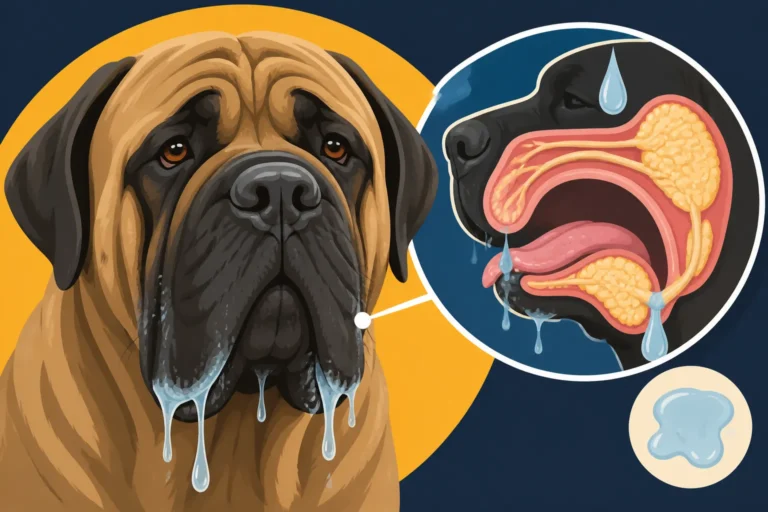
- Excessive Drooling: While Mastiffs are naturally drooly, an increase in drooling or drooling mixed with blood or pus is a red flag.
- Loose or Missing Teeth: A clear sign of advanced periodontitis.
If you notice any of these signs, don't delay in contacting your veterinarian. Early intervention can prevent more severe pain and complications. This kind of vigilance is critical for all aspects of a Mastiff's health, whether it's checking for signs of bloat or Whether a Mastiff Needs a Yearly Eye Exam.
The Importance of Professional Dental Cleanings
Even with the best home care, plaque and tartar can accumulate in hard-to-reach areas, especially below the gum line. This is where professional veterinary dental cleanings come in.
- Comprehensive Examination: Under anesthesia, your vet can perform a thorough examination of every tooth and gum line, often taking X-rays to assess the health of the tooth roots and jawbone.
- Scaling and Polishing: Specialized ultrasonic scalers are used to remove plaque and tartar from above and below the gum line, much like a human dental cleaning. The teeth are then polished to create a smooth surface that makes it harder for plaque to adhere.
- Extractions and Treatment: If severe disease is found, extractions of irreparably damaged teeth or other treatments can be performed to alleviate pain and prevent further infection.
Yes, a professional cleaning for a Mastiff is a significant undertaking. It requires general anesthesia, and for a giant breed, Why Anesthesia Is Riskier in a Mastiff means careful monitoring and specialized protocols. The cost can also be substantial, as What Anesthesia Costs on a Mastiff is often calculated by weight, making a Mastiff's procedure pricier than a smaller dog's. However, neglecting severe dental disease will ultimately lead to more pain for your dog and far more expensive emergency procedures down the line. A proactive approach with home care and regular professional check-ups is the best investment in your Mastiff's long-term health and comfort.
Disclaimer
This article is for general informational purposes only and does not constitute professional advice. Laws, prices and regulations vary by location and change over time. Consult a qualified professional for guidance on your specific situation.