Whether a Mastiff Can Sleep Outdoors
The idea of a giant, majestic Mastiff sleeping outdoors, perhaps guarding a property like their ancestors, is a romantic one. However, the reality for our modern Mastiffs is starkly different, and believing they're impervious to the elements simply due to their size can lead to serious health and emotional problems. This guide will delve deep into why turning your Mastiff into an outdoor dog is a risky proposition, exploring their unique physical vulnerabilities, susceptibility to weather extremes, and profound need for companionship, ultimately helping you understand how best to care for these gentle giants.
Understanding the Mastiff's Physical Realities and Outdoor Living
It's easy to look at a two-hundred-pound Mastiff and assume they're built for anything, that their sheer bulk offers all the protection they need. But this couldn't be further from the truth. While they are large, they have specific physical characteristics that make prolonged outdoor living, especially sleeping outside, a significant health concern.
The Mastiff's Double-Edged Coat and Bulk
Many people see a Mastiff's short, dense coat and assume it provides excellent insulation, akin to a German Shepherd or a husky. And yes, it's a very practical coat for shedding water and offering some basic protection against cool weather. But it's not a heavy, arctic-grade double coat designed for sustained exposure to freezing temperatures, nor does it magically wick away heat in the scorching summer.
Their immense body mass, while impressive, also presents a challenge for temperature regulation. In cold weather, their large surface area means they can lose heat more rapidly than you'd expect if they aren't adequately insulated. Conversely, in warm weather, that same bulk acts like a slow-release oven, retaining heat and making them incredibly prone to overheating. They just don't dissipate heat efficiently, especially if humidity is high. You might think, "Well, they're big, they must be tough," but their size actually makes them more, not less, vulnerable to temperature extremes.
Joint Health and Hard Surfaces
One of the most critical considerations for a Mastiff is their delicate joint health. These colossal dogs are notoriously prone to debilitating conditions like hip and elbow dysplasia, and arthritis often sets in at a relatively young age. Imagine a dog weighing upwards of 150-200 pounds constantly resting A Mastiff Lying Two Hundred Pounds on One Elbow All Day on cold, unforgiving surfaces like concrete, dirt, or even a thin pad on a porch.
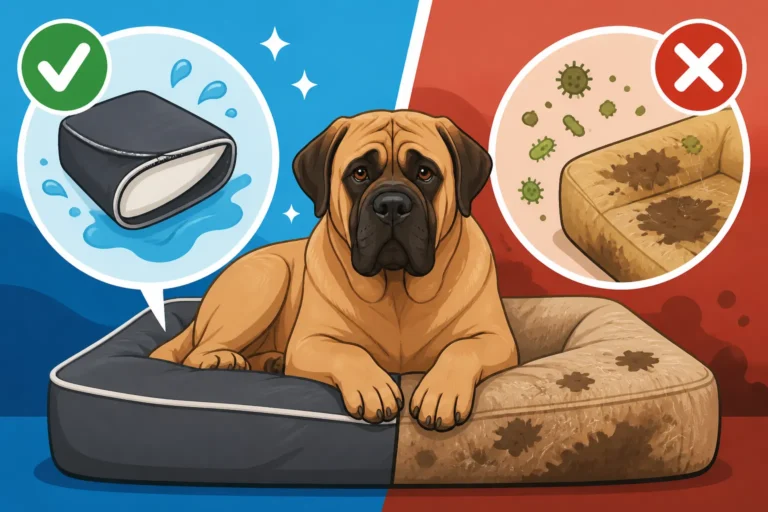
This constant pressure and lack of cushioning put immense strain on their already compromised joints. Over time, this can accelerate the progression of arthritis, cause painful calluses to crack and bleed, and generally lead to a much poorer quality of life. Owners of Mastiffs quickly learn that soft, supportive bedding is not a luxury; it's a necessity for their well-being, even if it feels like you're buying a small mattress for your dog. Forcing them to sleep on hard, cold ground is essentially inviting a host of orthopedic nightmares.
Temperature Extremes: When Outdoors Becomes Dangerous
Our Mastiffs might look like stoic, ancient guardians, but when it comes to the weather, they are surprisingly fragile. Both ends of the temperature spectrum pose serious threats that far outweigh any perceived benefits of outdoor living.
The Perils of Cold Weather for a Mastiff
While a brisk walk in cool autumn air might be invigorating for your Mastiff, extended exposure to truly cold, freezing, or damp conditions is a recipe for disaster. Their short, single coat, coupled with their relatively low body fat percentage (compared to, say, a Newfoundland built for icy waters), offers insufficient protection. They simply aren't engineered for long stints in freezing temperatures.
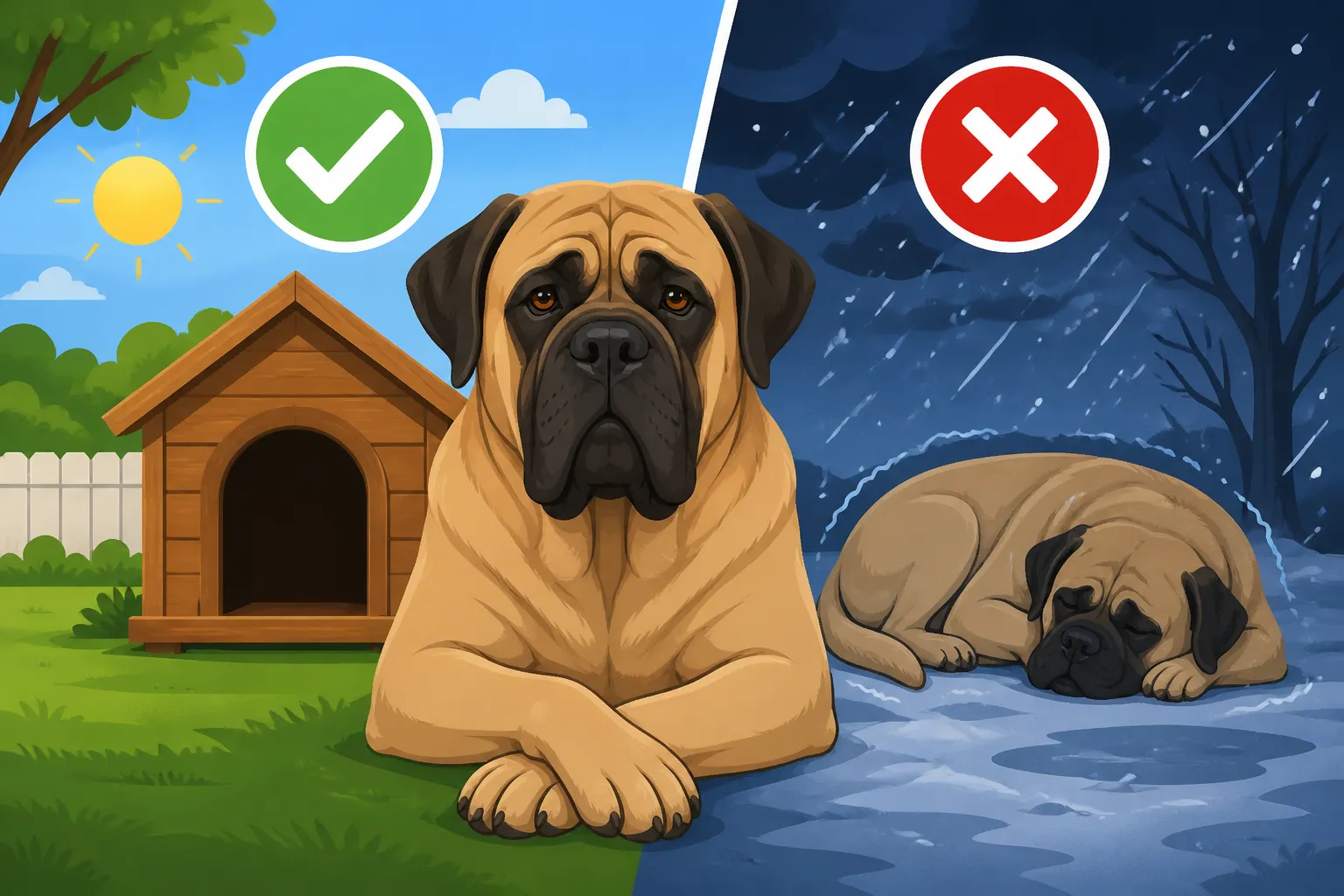
The risks are severe: hypothermia can set in quickly, leading to shivering, lethargy, confusion, and eventually organ failure. Frostbite, especially on their exposed ears, paw pads, and tail tips, is another agonizing concern. Older Mastiffs, in particular, with their slower metabolisms and often already compromised circulation, are incredibly vulnerable The Age a Mastiff Starts to Slow. Even a well-insulated doghouse might not be enough when temperatures plummet, especially if it's not heated. You might see other dogs braving the cold, but a Mastiff needs far more consideration. Don't underestimate how quickly the cold can turn dangerous for them; Whether a Mastiff Needs a Coat in Winter for even short outdoor stints illustrates this vulnerability perfectly.
The Danger of Heat and Humidity
On the flip side, heat and humidity are arguably even more immediate threats to a Mastiff. Their massive size, combined with a relatively broad skull that can sometimes limit efficient panting, makes them incredibly susceptible to overheating. Imagine wearing a heavy fur coat in summer; that's essentially what your Mastiff is trying to cope with.
Even in what might feel like pleasant warmth to us, a Mastiff can quickly reach dangerous body temperatures. Shade alone is often not enough; the ambient air temperature and humidity are critical. Risks include severe heatstroke, which can cause irreversible organ damage, brain injury, or even death within minutes. Signs like excessive panting, drooling, weakness, or stumbling are emergencies. The Temperature at Which a Mastiff Should Stay Indoors is much lower than you might think, and for good reason. Even a relatively mild 80-degree day with high humidity can be lethal if a Mastiff is left outdoors for too long without air conditioning. When you see Signs a Mastiff Is Overheating, it's already a critical situation. Never, ever assume that because they're big, they can handle the summer sun.
Shelter, Safety, and Practical Considerations for Any Outdoor Time
If you absolutely must have your Mastiff spend time outdoors, the kind of shelter you provide, and the other dangers present, are crucial to consider. This isn't just about throwing a blanket into a shed; it's about engineering a safe, comfortable, and psychologically sound environment.
More Than Just a Doghouse: The Need for Proper Shelter
When we talk about a Mastiff spending time outdoors, especially for sleeping, a standard, flimsy doghouse won't cut it. Their substantial size means any shelter needs to be incredibly robust, well-insulated, and appropriately sized – which usually means custom-built or a very large, specialized model. The floor must be elevated off the cold, damp ground to prevent heat loss in winter and offer some respite from absorbed heat in summer.
Proper ventilation is paramount to prevent stale air, moisture buildup, and to offer some airflow in warmer months, but without creating drafts in the cold. In truly extreme climates, you're looking at needing supplementary heating or cooling. This could mean a heated pad in winter or a shaded fan system in summer. Without these considerations, an outdoor shelter is little more than a box, offering minimal protection and potentially becoming a hazard itself. Remember, this isn't just about keeping them alive; it's about keeping them comfortable and healthy.
Predation, Theft, and Environmental Hazards
Even with their imposing size, Mastiffs are not immune to outdoor dangers. A Mastiff puppy or an elderly, less mobile dog could still be vulnerable to predators like coyotes, wolves, or even aggressive stray dogs. Beyond wildlife, the sad truth is that a Mastiff, being a valuable purebred dog, is an attractive target for theft. Leaving them unsupervised outdoors, even in a fenced yard, opens them up to this heartbreaking possibility.
Furthermore, your yard itself can be a minefield of hazards. Pesticides or herbicides on your lawn, toxic plants (many common garden plants are poisonous to dogs), standing water that can harbor parasites, or unsecured gates – all these present risks. A Mastiff's curious nature can lead them into trouble, and without direct supervision, you might not even know what they've gotten into until it's too late. That peace of mind you get from having them safely indoors is often irreplaceable.
Social and Emotional Needs
Perhaps the most overlooked aspect of having a Mastiff sleep outdoors is the profound impact it has on their social and emotional well-being. Mastiffs are, at their core, deeply sensitive and devoted companion animals. They thrive on being part of the family, on close interaction, and on simply being near their people. Their historical role might have involved guarding, but they performed that duty as part of the household, not as isolated yard dogs.
Leaving a Mastiff outside, especially overnight, can lead to intense feelings of loneliness, anxiety, and even depression. This isn't just anthropomorphizing; these dogs form incredibly strong bonds. The Sensitivity Nobody Expects in a Two Hundred Pound Mastiff is very real. Isolation can manifest in undesirable behaviors such as incessant barking, destructive chewing, or digging, all stemming from boredom, frustration, and a yearning for companionship. They are not independent outdoor animals; they are giant, loving lap dogs who require constant affirmation of their place within the family unit.
Providing Comfortable Indoor Alternatives
Understanding that a Mastiff truly belongs indoors is the first step. The next is making sure their indoor environment is as comfortable and stimulating as possible, catering to their specific needs.
Creating a Sanctuary Indoors
Since outdoor sleeping is not advisable, focusing on a comfortable indoor sanctuary is paramount. This means investing in high-quality, orthopedic dog beds that can adequately support their massive weight and protect their joints. You'll find a wide array of excellent, durable options on platforms like Chewy or Amazon. Remember, these aren't just for luxury; they're preventative healthcare for dogs prone to conditions like arthritis. What an Orthopedic Bed for a Mastiff Costs might surprise you, but it's a critical investment in their long-term health.
Beyond bedding, consider your home's flooring. Traction: Why a Mastiff Cannot Live on Bare Hardwood is a crucial consideration, as slippery floors can cause slips and falls that exacerbate joint issues, especially for growing puppies or older dogs. Investing in rugs or runners can provide much-needed traction. Also, ensure there are cool, shaded spots in summer and draft-free, warm spots in winter where they can retreat. If your Mastiff tends to flatten beds quickly, consider exploring options that are more robust; How Often a Mastiff Flattens a Bed is a common frustration for owners.
The Importance of Family Inclusion
At the end of the day, a Mastiff is a family member. Their loyalty, calm demeanor, and imposing presence make them natural, gentle protectors within the home, not primarily as outdoor sentinels. They want to be where their people are, even if that means just snoozing at your feet while you watch TV. This constant inclusion reinforces their bond with you, fulfills their deep need for companionship, and provides both them and you with immense peace of mind.
Bringing your Mastiff indoors completely eliminates the worries about extreme weather, predators, environmental toxins, and the emotional toll of isolation. It allows them to live their best, healthiest, and happiest lives, surrounded by the warmth and security of their human family. Embracing them fully into your home is the most responsible and loving choice you can make for this magnificent breed.
| Feature / Consideration | Mastiff Sleeping Outdoors (Even with Shelter) | Mastiff Sleeping Indoors |
|---|---|---|
| Joint Health | High risk of exacerbated issues from cold/hard surfaces; accelerates arthritis. | Optimal support from orthopedic beds; consistent comfortable temperature. |
| Temperature Control | High risk of hypothermia in cold; severe heatstroke risk in heat/humidity. | Climate-controlled environment; safe from extreme weather conditions. |
| Predation/Theft | Moderate to high risk depending on location and security. | Minimal risk; secure environment. |
| Environmental Hazards | High risk of exposure to toxins, parasites, unsafe objects, or poor fencing. | Low risk; supervised and controlled environment. |
| Social Needs | Can lead to loneliness, anxiety, boredom, and behavioral issues. | Fosters strong bond with family; fulfills need for companionship and security. |
| Hygiene/Grooming | Higher exposure to dirt, mud, pests; more frequent cleaning needed. | Stays cleaner; easier to maintain coat and skin health. |
| Emergency Access | Slower to notice distress; harder to access for urgent care. | Immediate awareness of health changes; quick access for intervention. |
Disclaimer
This article is for general informational purposes only and does not constitute professional advice. Laws, prices and regulations vary by location and change over time. Consult a qualified professional for guidance on your specific situation.