The Puddle a Mastiff Leaves After Drinking
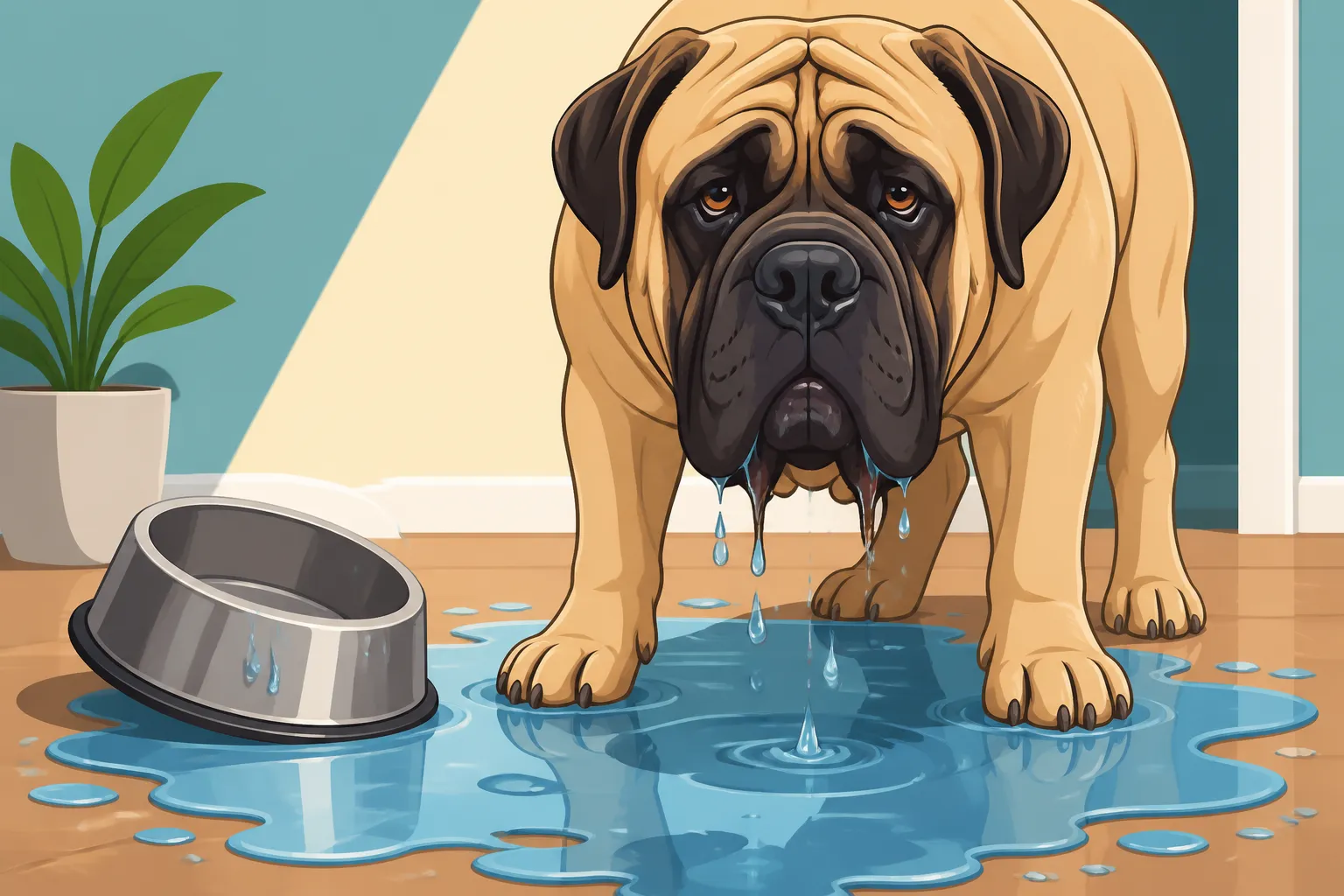
Oh, the Mastiff puddle! If you're living with one of these magnificent giants, you know exactly what I'm talking about. It's that shimmering lake that forms moments after your gentle giant has quenched their thirst, seemingly appearing from nowhere and spreading with alarming speed across your floor. It’s not just a little drip; it’s a full-on aquatic event, and it can be frustrating, messy, and a constant battle to keep your floors (and sometimes your walls!) dry. This guide is here to walk you through why your Mastiff leaves such an impressive puddle, and more importantly, what you can realistically do to manage the delightful, albeit damp, reality of owning one of these wonderful, jowly dogs.
The Anatomy Behind the Deluge: Why Mastiffs Leave Such Big Puddles
Let's be real: Mastiffs are engineered for drool, and that includes their drinking habits. It’s not a character flaw or a sign they’re messy on purpose; it’s simply a consequence of their incredible physiology. Understanding why they leave such puddles is the first step toward managing them with a bit more patience and a lot less frustration.
Those Magnificent, Loose Lips (Jowls, Really)
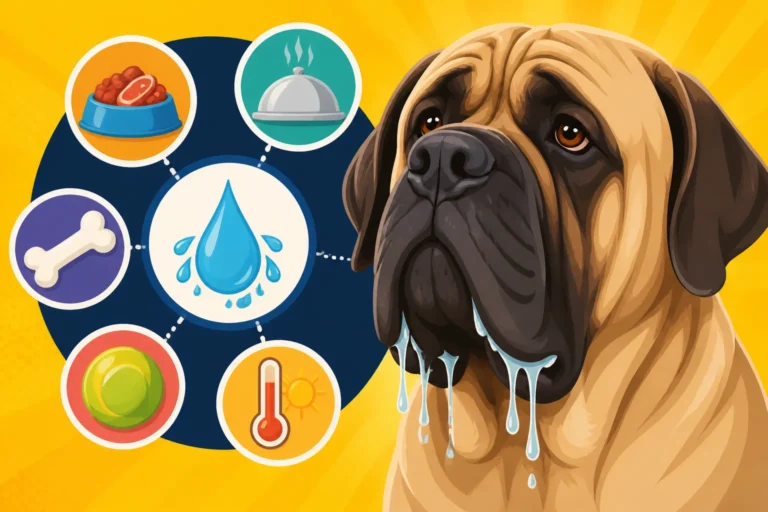
The most significant contributor to the "post-drink deluge" is your Mastiff's impressive set of jowls. These aren't just for show; they're a hallmark of the breed, giving them that majestic, noble appearance we all adore. However, those loose, pendulous folds of skin around their mouth also act like giant sponges or reservoirs when they drink.
When your Mastiff plunges their enormous head into a water bowl, their jowls naturally scoop up and hold a considerable amount of water. Think of it like a human with a very full, floppy lower lip trying to drink from a cup – a lot of the liquid would inevitably get caught. For a Mastiff, this is amplified by their sheer size and the volume of water they consume. The water doesn't just go into their mouth; it pools in those deep folds, clinging to the fur and skin. The Anatomy Behind a Mastiff's Drool
So, when your Mastiff finally lifts their head from the bowl, those water-laden jowls become miniature waterfalls. It’s a moment of pure, unadulterated physics. You might see a steady stream, or a series of big drips, all making their way down their chin, onto their chest, and inevitably, onto your pristine floor. It’s unavoidable, and often, quite spectacular in its messy efficiency. This isn't just a small amount; these dogs drink deeply, and those jowls can hold enough water to truly create a significant wet spot.
Gravity's Unkind Role
Once the water is held within those magnificent jowls, gravity takes over. It's a force we cannot escape, and neither can the water clinging to your Mastiff's facial folds. As soon as your Mastiff lifts its head, especially if they give it a characteristic shake or turn their head quickly, that trapped water is released.
This release isn't always neat and tidy. Sometimes it's a slow, deliberate drip, creating a trail from the water bowl to wherever your Mastiff decides to amble next. You'll find yourself following a path of glistening wet spots across your kitchen tiles or, heaven forbid, your hardwood floors. Other times, it's a dramatic head shake, sending sprays of water in a wide arc – often reaching impressive heights and distances, decorating your baseboards, cabinets, and even the underside of your kitchen island. Managing a Mastiff's Drool in a Vehicle
The speed at which they lift their head, how much water they’ve just guzzled, and whether they decide to shake immediately all contribute to the size and spread of the resulting puddle. It’s an exercise in predicting canine hydrodynamics, and usually, gravity wins, leaving you with a clean-up task. Understanding this natural process helps you accept it as part of their charm, rather than a frustrating oversight on their part.
Practical Strategies to Minimize the Mastiff Puddle
While you can't completely eliminate the Mastiff puddle – it's as inherent to them as their gentle nature – you can certainly take steps to minimize its size and impact. It’s all about a combination of the right tools, smart placement, and a little bit of routine adjustment.
The Right Bowl Makes a Difference
Believe it or not, the type of water bowl you choose can make a significant dent in the amount of post-drink spillage. Not all bowls are created equal when you have a Mastiff's jowls to contend with.
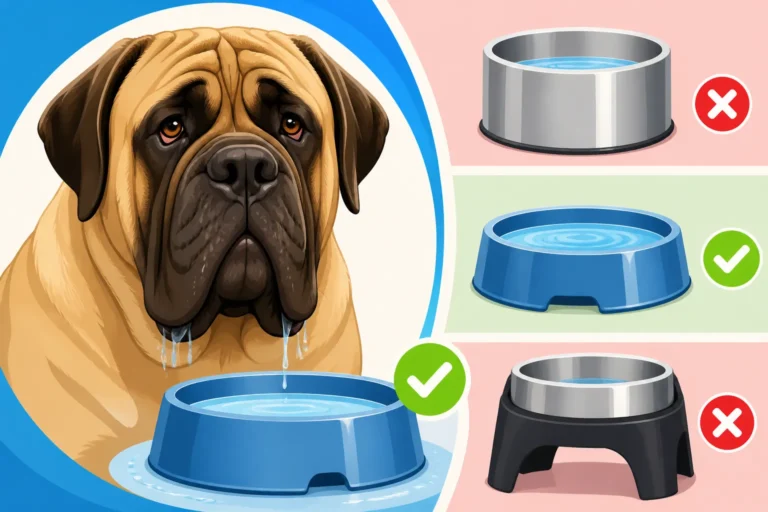
Firstly, consider slow-drinker bowls or those with specialized designs. These often have a floating disk or a narrow opening that limits how much water your Mastiff can gulp at once, forcing them to drink more slowly and take in less water into their jowls. While they won't stop the jowls from getting wet, they can reduce the sheer volume of water available to be sloshed out. Brands like Kurgo or Lickimat (though more for food, some principles apply) offer designs that can help control intake. For a wider selection, you might browse pet supply retailers like Chewy or check out options on Amazon for "no-spill dog bowls for large breeds." Which Water Bowl Suits a Mastiff's Jowls
Another option, though sometimes debated, is an elevated feeding and watering station. For some Mastiffs, having their bowl at a comfortable height means less bending and potentially less jowl-submersion, though results can vary. The main benefit here might be for their posture, not necessarily a completely dry floor. The best bet is often a heavy, wide-based bowl that won't tip easily, preventing accidental spills from playful nudges or clumsy retreats. Material matters too; stainless steel is durable and easy to clean, while ceramic bowls can be heavy but might chip.
Strategic Hydration Stations
Where you place your Mastiff’s water bowl is almost as important as the bowl itself. You want to choose a location that allows for easy clean-up and minimizes the spread of water to high-traffic or delicate areas of your home.
The kitchen, with its usually tile or linoleum flooring, is often the most practical spot. It’s naturally more resistant to water damage than carpet or hardwood. If your kitchen opens directly into a carpeted living room, consider placing the bowl as far away from that transition as possible. Even better, create a designated "watering zone." This might involve a large, waterproof mat specifically designed for pet bowls. These mats, often made of silicone or rubber, have raised edges to trap spilled water and drool, containing the mess to a much smaller, easier-to-clean area. You can find many effective options on Chewy.
For those who have multiple floors, you might consider having more than one water bowl. A bowl on the main living floor and another in a utility room or a more secluded corner can reduce the distance your Mastiff travels with wet jowls. Just ensure all locations are easy to keep clean and regularly monitored. The key is to anticipate the puddle and prepare for it, rather than constantly reacting to it across your entire home.
The Ever-Present Towel
This might be the simplest, yet most effective, strategy in your puddle-fighting arsenal: embrace the towel. Seriously, you can never have too many dedicated "Mastiff towels" strategically placed around your home.
The moment your Mastiff finishes drinking, try to be there to intercept the inevitable drips. Gently wipe their jowls and chin with a soft, absorbent towel. This might sound like a constant vigil, but it quickly becomes a routine. Your Mastiff will likely learn to tolerate it, especially if you make it a calm, positive interaction. You’ll be amazed at how much water you can prevent from ever reaching the floor with just a quick swipe. How Often a Mastiff's Jowls Need Wiping
Keep a stack of these towels near the water bowl, by the back door (for after outdoor drinks), and even in your car if you travel with your Mastiff. Old bath towels or dedicated microfiber pet towels work wonderfully. This isn’t just about cleanliness; it’s also about preventing skin irritation that can occur when jowls are constantly wet. Making it a consistent habit drastically cuts down on the constant wiping of floors and furniture, saving you time and effort in the long run.
Cleaning Up and Living with the Wet Reality
Even with the best preventative measures, puddles will happen. It’s part of the Mastiff package. Learning how to effectively clean up and adapt your living space will make life much easier and reduce potential damage to your home.
Floor Care and Protection
The constant moisture from Mastiff puddles can wreak havoc on certain types of flooring. Hardwood floors, in particular, are susceptible to warping, staining, and finish damage over time. Laminate can swell, and grout lines in tile can become discolored if not properly sealed.
This is where investing in protective measures really pays off. Large, heavy-duty waterproof mats, as mentioned before, are essential for the immediate water bowl area. For high-traffic pathways where drool trails might extend, consider runners or area rugs that are easy to clean and can be regularly washed. Look for rugs made from synthetic fibers that are more water-resistant and quicker to dry than natural materials. You can find durable and machine-washable options designed for high-traffic areas on retailers like Chewy or Amazon. What Bare Floors Do to a Growing Mastiff
If you have hardwood floors, pay extra attention. Wiping up puddles immediately is crucial. Consider applying a water-resistant sealant if your floors are older and showing signs of wear. For carpets, immediate blotting is key to prevent deeper stains and odors. Regular professional cleaning in high-traffic Mastiff zones might also be a worthwhile investment to maintain hygiene and appearance. Remember, the goal isn't perfection, but rather effective management to preserve your home and your sanity.
Tackling the Drool Trails and Stains
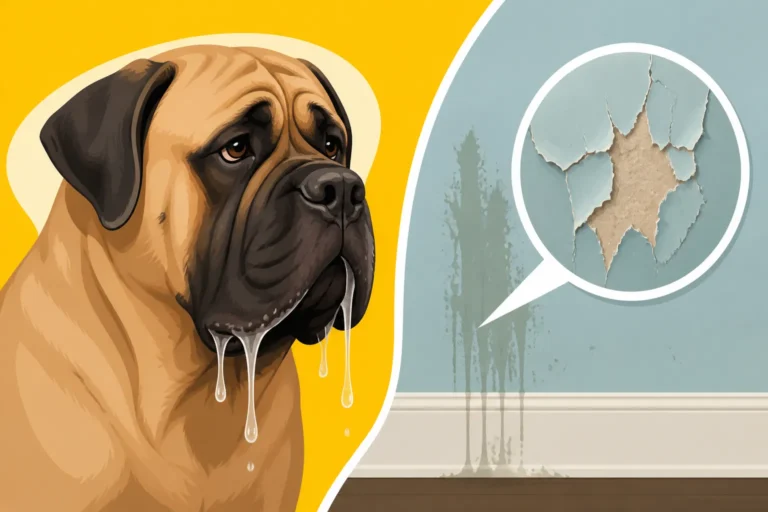
Beyond the puddle itself, Mastiffs can leave a fine mist of drool (and sometimes water) on walls, furniture, and even ceilings if they're particularly enthusiastic head-shakers. This isn’t just unsightly; over time, it can lead to marks and stains, especially on painted surfaces.
For immediate clean-up, a damp cloth is your best friend. Keep a small bucket of water and a rag handy near the main water station. For dried drool, which can be surprisingly stubborn, a slightly warmer, damp cloth usually does the trick. For painted walls, avoid abrasive cleaners that could strip the paint. A gentle all-purpose cleaner diluted with water can usually remove any residue. Don’t forget to occasionally wipe down the undersides of tables or chairs that your Mastiff might lean against while drinking or resting. What Cleaning Mastiff Drool Off Walls Costs
Many Mastiff owners swear by having specific 'drool rags' that are distinct from general cleaning cloths. These can be old t-shirts cut into squares, or reusable microfiber cloths that you can toss directly into the laundry. For persistent odors or staining on upholstery, enzymatic cleaners designed for pet messes can be incredibly helpful. These break down organic matter, eliminating the smell rather than just masking it. Companies like Nature's Miracle, available on Chewy, offer a variety of such solutions that can save your furniture and your nose.
Embracing the Mastiff Lifestyle
Ultimately, living with a Mastiff means embracing a certain level of delightful chaos, and that includes the puddles. It’s a small trade-off for the immense love, companionship, and joy these gentle giants bring into our lives. While we've discussed practical steps, a significant part of "managing the puddle" is adjusting your mindset.
Think of those puddles not as an annoyance, but as a quirky, endearing characteristic of your beloved Mastiff. They are a testament to their deep thirst, their powerful jaws, and yes, their gloriously oversized jowls. Every cleanup is just another interaction, another moment shared with your furry best friend. Whether a Mastiff Drools More Than a Saint Bernard
Many Mastiff owners develop a Zen-like acceptance, finding humor in the splashes and learning to automatically grab a towel without a second thought. It becomes second nature, like remembering to grab your keys before leaving the house. The love and loyalty of a Mastiff far outweigh the minor inconvenience of a wet floor. So, arm yourself with towels, choose your bowls wisely, protect your floors, and most importantly, enjoy every slobbery, wonderful moment with your magnificent companion.
When a Puddle Might Mean More
While puddles are a normal part of Mastiff life, sometimes a change in drinking habits and the resulting wetness can signal something more serious. It's important to differentiate between routine Mastiff mess and an indicator of a health concern.
Increased Thirst and Urination
If you notice a sudden, significant increase in the size or frequency of your Mastiff’s puddles, it’s not just about more water splashing out; it's likely that your dog is drinking much more than usual. This increased thirst, medically known as polydipsia, is often accompanied by increased urination (polyuria). Both are important symptoms that warrant a call to your veterinarian.
Several health conditions can lead to excessive thirst and urination in dogs, including kidney disease, diabetes mellitus, Cushing's disease, or even certain medications. A Mastiff with an undiagnosed issue might be struggling to regulate their body fluids, leading them to drink more and more. If you find yourself refilling the water bowl far more frequently, or if your Mastiff is having accidents indoors despite being house-trained, don't dismiss it as just "being a Mastiff." It's worth getting them checked out. How Much Water a Cystinuric Mastiff Needs This is particularly true if it's a new behavior and not something they've always done.
Keep an eye on their overall demeanor too. Are they lethargic? Losing weight despite eating? Any other unusual symptoms combined with excessive drinking should raise a red flag. Prompt veterinary attention can help diagnose and manage these conditions, potentially improving your Mastiff’s quality of life significantly. When a Mastiff's Drool Signals Trouble
Behavioral Changes Around Water
Beyond simply drinking more, pay attention to any unusual behavior around their water bowl. Is your Mastiff suddenly hesitant to drink? Are they lapping awkwardly or showing signs of discomfort when approaching the water? While not directly related to puddle size, these can be early indicators of other issues.
Sometimes, dental pain or discomfort in their neck or jaws can make drinking painful, leading to a more hesitant or messy approach. They might drop more water because they're not able to get a proper seal with their mouth. On the other hand, an unusual obsession with water, such as constantly wanting to drink or pawing at the bowl, could also be a sign of underlying issues.
Observe how your Mastiff interacts with their water source. Do they seem stressed? Are they panting excessively around the bowl? Any sudden shift from their established habits, whether it's an increase, decrease, or change in the method of drinking, merits a conversation with your vet. Your attentive observation can be crucial in catching potential problems early.
Here's a handy comparison of different water bowl types that might help minimize the Mastiff puddle:
| Bowl Type | Description | Pros | Cons | Best For |
|---|---|---|---|---|
| Standard Open Bowl | Classic design, wide opening. Often ceramic, stainless steel, or plastic. | Widely available, affordable, easy to clean. | Maximum jowl immersion, large puddles, easy to tip. | Minimal mess concerns, outdoor/utility use. |
| Elevated Bowl | Sits in a stand to raise the bowl off the floor. | Can improve posture for large breeds, less bending. | Doesn't inherently reduce jowl drips, water can still spill from height, stand takes up space. | Dogs with neck/joint issues, large, clean-drinking dogs. |
| Slow-Drinker Bowl | Features a floating disk or internal maze that limits the amount of water accessible at one time. | Significantly reduces gulping, less water scooped by jowls, minimizes splashes. | Can be harder to clean (multiple parts), some Mastiffs might find it frustrating. | Heavy gulpers, very messy drinkers, containing splashes. |
| No-Spill/Travel Bowl | Often has an inward-curving lip or a reservoir with a small drinking area. Designed to prevent sloshing. | Excellent for vehicle travel, reduces sloshing, some puddle reduction. | Smaller capacity, may still allow jowl drips, can be cumbersome for daily home use depending on design. | Travel, car rides, containing deliberate sloshing. |
| Water Fountain | Circulates and filters water, often with a flowing stream. | Encourages drinking, provides fresh, filtered water. | Can be noisy, requires electricity, more parts to clean, still prone to jowl drips and splashes. | Dogs that prefer running water, promoting hydration. |
This article is for general informational purposes only and does not constitute professional advice. Laws, prices and regulations vary by location and change over time. Consult a qualified professional for guidance on your specific situation.