Managing a Mastiff’s Drool in a Vehicle
The sheer volume of drool a Mastiff can produce is legendary, and when you combine that with the motion of a vehicle, you often end up with a sticky, slippery mess that feels impossible to contain. Many Mastiff owners find themselves constantly scrubbing car interiors, draping old towels everywhere, and still feeling like they're losing the battle against slobber. This guide is here to walk you through understanding why your gentle giant turns into a drool machine on wheels and, more importantly, how to manage the slobber so your car journeys can be a little less… slimy.
Understanding Why Your Mastiff Drools So Much in the Car
It's not just about their magnificent, jowly faces, although that's certainly part of it! There are several reasons why your Mastiff might transform into a drool fountain the moment the car engine starts. Understanding the root cause is the first step in finding effective solutions.
The Anatomy of a Mastiff's Jowls and Car Sickness
Let's be real, Mastiffs are built to drool. Their impressive jowls, while giving them that wonderfully dignified and somewhat melancholic expression, are also designed to, shall we say, retain moisture less effectively than a dog with tighter lips. This means that any increased saliva production is going to have an easier time escaping and making its way onto your seats. You can explore The Anatomy Behind a Mastiff's Drool for a deeper dive into this fascinating, if messy, subject.
Beyond simple breed characteristics, car sickness, or motion sickness, is a huge contributor. Think about how you feel when you get nauseous – your mouth might water, right? Dogs experience a similar physiological response. The motion of the car can disorient their inner ear, leading to nausea, which in turn stimulates increased salivation. It's a natural, involuntary reaction, and your Mastiff isn't doing it to spite you. They're genuinely feeling unwell. Sometimes, the only outward sign of this discomfort might be excessive drooling, panting, or lip-licking before vomiting even occurs. This means that a lot of what you see as "just drooling" might actually be your dog feeling genuinely queasy, even if they never actually throw up.
Stress, Excitement, and Car Journeys
It's not always physical discomfort. Sometimes, your Mastiff's drooling is a direct reflection of their emotional state. A trip to the vet, for example, can be a major source of stress for many dogs. The anticipation, the strange smells, the confined space – it all adds up. When dogs are stressed or anxious, their bodies release adrenaline, which can lead to increased heart rate, panting, and, you guessed it, drooling. It's a primal response, a way their body prepares for a perceived threat. If your Mastiff only drools when heading somewhere they dislike, stress is a likely culprit.
On the flip side, some Mastiffs drool out of sheer excitement! If a car ride always leads to a fun destination like the dog park, grandma's house, or a favorite hiking trail, that anticipation can trigger an excited drool fest. They might be panting with joy, wriggling with glee, and that enthusiasm translates into a wetter ride. It's like a child bouncing with excitement, unable to contain their energy, but in a Mastiff's case, it manifests as slobber. This kind of drooling, while still messy, usually comes with other happy body language cues like a wagging tail and bright eyes, as opposed to the worried or anxious look of a car-sick pup. You might even notice that What Makes a Mastiff Drool More can include these happy triggers.
Practical Solutions for Containing Drool During Car Rides
Okay, so we know why they drool. Now, what can we actually do about it? Managing Mastiff drool in a vehicle is often a multi-pronged approach, combining protective measures with direct intervention and behavioral strategies.
Protective Barriers and Seat Covers
The most immediate and effective way to tackle the drool problem is to create a physical barrier between your Mastiff's slobber and your car's interior. This isn't just about cleanliness; it's about protecting your investment and making clean-up manageable.
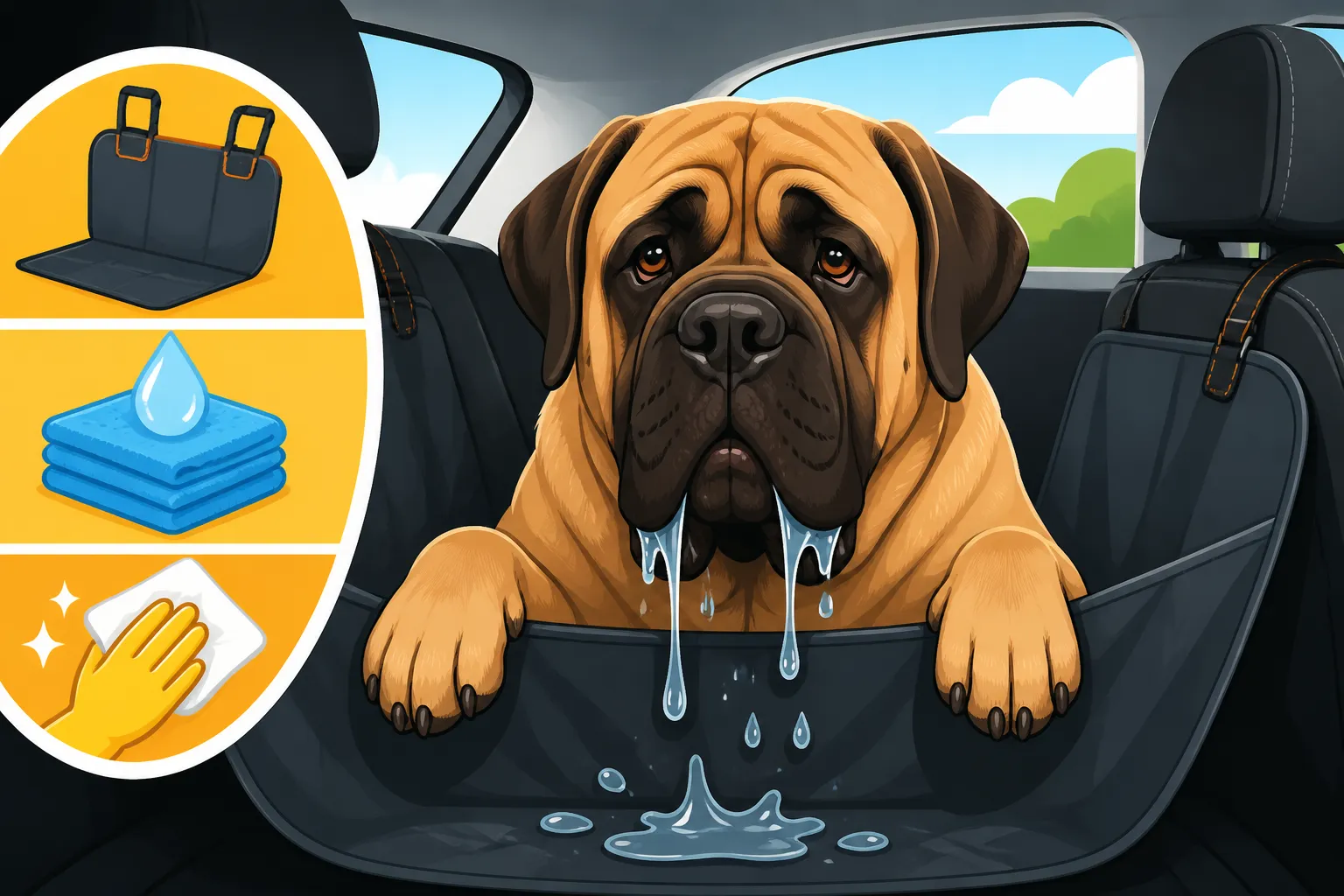
Many Mastiff owners swear by heavy-duty, waterproof seat covers or hammocks. These aren't your flimsy blanket throws; they're often made from durable, waterproof fabrics like Oxford cloth or even quilted materials designed to withstand claws, hair, and, yes, copious amounts of drool. A full hammock style cover, which hooks to both the front and rear headrests, creates a complete barrier for the back seat, effectively turning it into a giant, easy-to-clean trough. This prevents drool from seeping into seat cushions, falling into footwells, or even getting onto the backs of your front seats. For SUV or hatchback owners, a cargo liner that covers the entire cargo area, including side panels, is invaluable. When shopping, always look for products that are explicitly waterproof and machine washable. Brands available on sites like Chewy or Amazon offer a huge selection, often with reinforced stitching and non-slip backings to keep them in place, even with a two-hundred-pound Mastiff shifting around. Remember, your Mastiff takes up a lot of space, so ensure the dimensions are truly generous. What an SUV Upgrade Costs a Mastiff Owner might be something you've already considered, and these accessories go hand-in-hand with making that investment worthwhile.
Another great option is using heavy-duty tarps or designated "car blankets" specifically for your Mastiff. These might not be as aesthetically pleasing as tailored seat covers, but they are often incredibly effective and inexpensive. The key is to choose something truly impermeable and large enough to cover all vulnerable surfaces. Layering an old duvet cover over a tarp can add an extra layer of absorbency and comfort. The advantage here is that you can have several on rotation, making laundry day less daunting. When removing them from the car, it's often best to fold them carefully to contain any pooled drool, then shake them out outside before tossing them into the wash.
Wiping Strategies and Absorbent Materials
Even with the best covers, some drool is bound to escape, especially if your Mastiff likes to shake their head after a big drink or a particularly excited pant. Keeping a dedicated supply of absorbent materials within reach is critical.
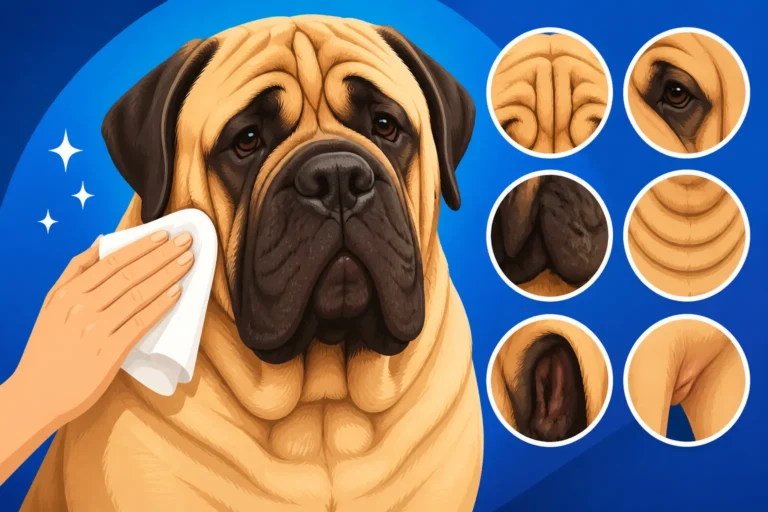
Soft, old towels are a Mastiff owner's best friend. Keep a stack of them in the car, ready for deployment. As soon as you see the tell-tale string of drool, or after your Mastiff takes a drink, a quick wipe can prevent it from spreading. Microfiber cloths are also excellent for this, as they are highly absorbent and quick-drying. Some owners even use dedicated "drool rags" that are highly visible and always within arm's reach. You might even consider specialized pet wipes that are safe for your dog's face, for quick touch-ups around their jowls. For more on direct management, see How Often a Mastiff's Jowls Need Wiping.
Consider how your Mastiff drinks water in the car. A standard bowl often results in a massive spill and subsequent drool waterfall. Spill-proof water bowls designed for travel can significantly reduce this issue. These bowls usually have a floating disk or a baffled design that limits the amount of water available at any one time, reducing splashes and preventing your Mastiff from submerging their entire jowls. Still, even with these, some dripping is inevitable, so keeping a towel handy for a quick post-drink wipe is still a good strategy. It's a continuous battle, but one you can definitely win in small skirmishes throughout the journey. Think of it as a proactive defense. Managing a Mastiff's Jowls After It Drinks offers further advice on this daily struggle.
Hydration and Pre-Travel Prep
Surprisingly, sometimes managing what goes into your Mastiff before and during travel can reduce what comes out. While you don't want to dehydrate your dog, timing and method of hydration can make a difference.
Offer water before you leave, giving them ample time to drink and then empty their bladder before getting into the car. This prevents them from being overly thirsty during the ride, which might lead to them guzzling water and exacerbating drool. During the journey, offer smaller amounts of water more frequently, rather than a large bowl all at once. This can prevent a sudden surge of thirst that leads to messy drinking and subsequent slobber. For longer trips, planning short breaks every couple of hours for potty breaks and a controlled water offering can be very helpful. This also gives your Mastiff a chance to stretch their legs and relieve any building anxiety.
For Mastiffs prone to motion sickness, avoiding a heavy meal right before travel is crucial. A full stomach can worsen nausea. Instead, feed them several hours before the trip, or offer a very light, easily digestible snack if they absolutely need something. If your Mastiff experiences severe motion sickness, talk to your vet. They might suggest anti-nausea medications or calming supplements that can make car rides much more tolerable, thereby reducing drooling that stems from discomfort. These prescriptions or over-the-counter options can dramatically improve your dog's quality of life during travel, and by extension, the cleanliness of your car.
Long-Term Strategies for a Drier Ride
While covers and towels are great immediate fixes, addressing the underlying reasons for excessive drooling can lead to a more peaceful and less messy car experience for everyone in the long run.
Acclimatization and Positive Association
If your Mastiff's drooling is due to anxiety or stress, slowly acclimatizing them to the car can work wonders. Start small: simply have them sit in the parked car with you for a few minutes, offering praise and high-value treats. Don't even turn on the engine. The goal is for them to associate the car with positive experiences. Once they're comfortable with that, try turning the engine on for a few minutes, still stationary. Gradually build up to short, enjoyable drives to a fun destination like a park, rather than always linking car rides with the vet. This positive reinforcement can help rewire their emotional response to car travel.
Consistency is key here. Make car rides a regular, positive part of their routine, even if it's just a quick drive around the block followed by a favorite game. For a dog that might be predisposed to anxiety, techniques used for The Mastiff as a Therapy Dog can sometimes translate to general calming exercises, helping them manage their emotions in stressful situations. Over time, as their anxiety diminishes, you'll likely see a reduction in stress-induced drooling. This can take weeks or even months, so patience is a virtue, but the payoff of a calm, less slobbery travel companion is immense.
Consulting Your Vet About Motion Sickness or Anxiety
If you've tried all the above and your Mastiff is still a waterfall of drool, especially if coupled with other signs like lethargy, lip-licking, or obvious discomfort, it's definitely time to have a chat with your veterinarian.
They can rule out any underlying medical conditions that might be contributing to nausea or excessive salivation. More commonly, they can provide solutions for motion sickness or anxiety. There are various prescription medications available specifically for canine car sickness that can greatly reduce nausea and vomiting. For anxiety, options range from natural calming supplements, pheromone sprays, or even anti-anxiety medications for more severe cases. Sometimes, even simple dietary changes can help settle a sensitive stomach, although this is less common for drooling directly linked to car travel. Your vet might also recommend working with a certified professional dog trainer or behaviorist if the anxiety is particularly profound and impacting other areas of your Mastiff's life. A trainer could help you develop a tailored desensitization and counter-conditioning program to make car rides a more pleasant experience for your Mastiff. The journey may take time, but alleviating your beloved giant's discomfort is always worth it.
Here's a quick comparison of common drool management strategies for your car:
| Strategy / Product | Description | Pros | Cons | Best For |
|---|---|---|---|---|
| Waterproof Seat Covers | Fabric covers (often quilted or Oxford cloth) that protect car seats. | Excellent physical barrier, often machine washable, protects against fur and dirt too. | Can be expensive, might not cover all surfaces, needs regular washing. | Regular car travelers, protecting upholstery. |
| Pet Hammock | Full back seat cover that creates a "bowl" effect. | Contains drool very effectively, prevents dog from falling into footwell, often waterproof. | Can be bulky, may block air vents, requires headrests for attachment. | Longer trips, very slobbery dogs, multiple dogs. |
| Cargo Liner | Durable, waterproof liner for SUV cargo areas. | Complete protection for cargo space, easy to wipe clean, good for larger Mastiffs. | Only for cargo areas, requires an SUV/hatchback, some may be less secure on curves. | SUV/hatchback owners, dogs preferring cargo area. |
| Old Towels / Blankets | Absorbent fabric laid over seats. | Inexpensive, readily available, easy to swap out, adds comfort. | Not always waterproof, can shift easily, drool can soak through to seats. | Quick fixes, backup absorbency, temporary solutions. |
| Spill-Proof Water Bowl | Designed to limit water access, reducing spills and splashes. | Dramatically reduces water messes, less post-drink drool flinging. | Still needs a surface, some drool will still escape, needs to be cleaned regularly. | Any car traveler, especially on longer trips. |
| Travel Wipes | Disposable pet-safe wipes for quick cleanups. | Convenient for immediate cleanups, good for wiping jowls, leaves a fresh scent. | Generates waste, not for large spills, can be an ongoing cost. | Quick touch-ups, refreshing jowls. |
| Anti-Nausea Medication | Vet-prescribed medication for motion sickness. | Addresses the root cause of drooling (if due to sickness), can make journeys much more comfortable. | Requires vet consultation, may have side effects, not a "containment" solution directly. | Dogs with diagnosed motion sickness. |
| Behavioral Training | Positive reinforcement to create positive car associations. | Long-term solution, reduces anxiety-induced drooling, improves overall well-being. | Takes time and consistency, may require professional help, doesn't stop drool from jowl anatomy. | Anxious or stressed Mastiffs, all puppies. |
Disclaimer
This article is for general informational purposes only and does not constitute professional advice. Laws, prices and regulations vary by location and change over time. Consult a qualified professional for guidance on your specific situation.