How Ribby a Mastiff Puppy Should Look
It’s a common worry for new Mastiff puppy parents, isn't it? You look at your rapidly growing giant, still a puppy but already outweighing many adult dogs, and you wonder: are they too skinny? Are they growing too fast? This immense growth can make it incredibly challenging to gauge if your Mastiff puppy is at a healthy weight, particularly when it comes to seeing or feeling their ribs. This guide will help you understand what a healthy, developing Mastiff puppy’s physique should look like, focusing on how to properly assess their body condition and what that "ribby" appearance really means for their long-term health.
The Delicate Dance of Mastiff Puppy Growth
Raising a Mastiff puppy is an entirely different ballgame from raising most other breeds. These magnificent creatures don't just grow; they explode in size. In their first year, a Mastiff puppy can increase its birth weight by over a hundred times. This rapid development puts enormous stress on their still-forming bones and joints, making their nutritional intake and growth rate incredibly critical. Many owners, with the best intentions, see a leaner puppy and worry it's not getting enough food, inadvertently contributing to problems down the line by overfeeding.
The goal isn't to create the chunkiest, most impressive puppy, but rather to foster slow, steady, and controlled growth. Pushing a Mastiff puppy to grow too quickly, often by overfeeding or feeding inappropriate diets, can significantly increase their risk of developing serious orthopedic issues like hip and elbow dysplasia. These conditions can cause lifelong pain and limit their mobility. It’s a delicate balance, and understanding what a healthy "ribby" look actually entails is a key part of getting it right. You want robust health, not excessive bulk.
What "Ribby" Actually Means for a Growing Mastiff
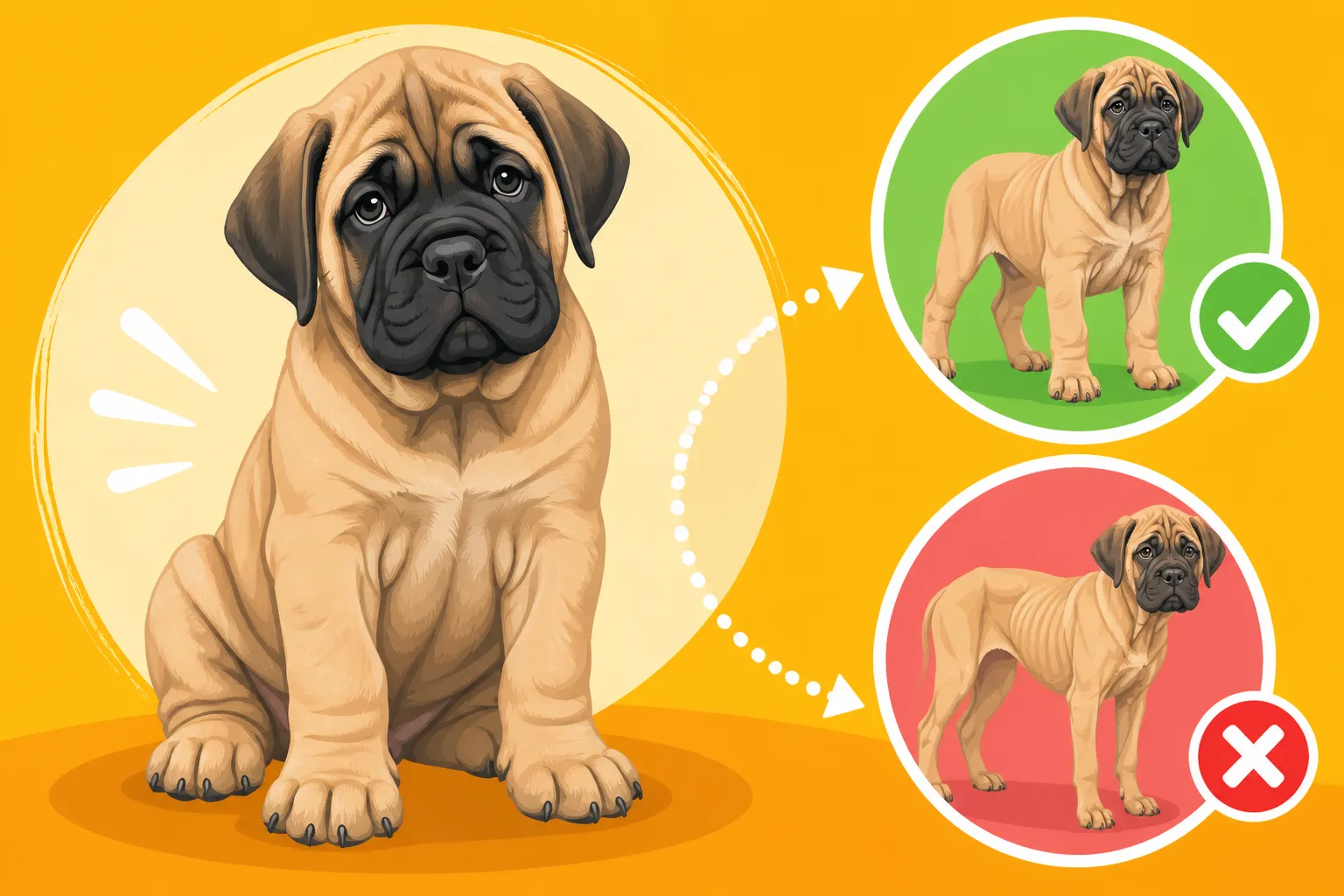
When we talk about a Mastiff puppy being "ribby," it's not a call to starve your dog. Far from it! Instead, it refers to a lean body condition where you can subtly feel, and sometimes even faintly see, the last few ribs. This is often the ideal for giant breed puppies like Mastiffs. It’s a very different standard than what might be considered healthy for a smaller, more compact breed or even many adult dogs.
For a Mastiff puppy, being a bit on the lean side is actually a protective measure. It reduces the amount of weight and strain on their rapidly developing growth plates and joints. Imagine a growing child carrying an extra fifty pounds – that's essentially what an overweight Mastiff puppy is doing. Their skeletal system simply isn't ready for that kind of load. A truly "ribby" look means that as you run your hands over their side, you can easily feel each individual rib bone with minimal fat covering, but they shouldn't protrude sharply or be visible across the entire rib cage without any effort. It’s a distinction between healthy leanness and actual emaciation. Many Mastiff puppies, especially males, will go through awkward, lanky phases where they look almost too thin, only to fill out later. Patience is crucial.
Why Overfeeding a Mastiff Puppy Is a Major Concern
The temptation to overfeed a Mastiff puppy is strong. They're big, they're always hungry, and we often equate a robust, plump appearance with good health. However, for a Mastiff, this approach is fraught with peril. The main reason we advocate for a leaner, almost "ribby" look in puppies is to mitigate the risk of developmental orthopedic diseases (DODs). When a giant breed puppy grows too fast, their bones and cartilage can't keep up with the rapid weight gain, leading to structural abnormalities.
Conditions such as [Hip Dysplasia in Mastiffs] and Elbow Dysplasia Affects One Mastiff in Seven are often exacerbated by excessive growth rates. The cartilage and bone in the joints are soft and vulnerable during puppyhood. Too much weight, too soon, causes abnormal wear and tear, and the joint components don't form properly, leading to looseness and eventual arthritis. It's not just the quantity of food, but also the nutritional balance. Feeding a puppy food that is too high in calories, protein, or, critically, calcium, can trigger these growth issues. That's why understanding The Protein and Calcium Ceiling for a Mastiff Puppy is so vital for their long-term health.
The consequences of overfeeding are not just immediate. A Mastiff that develops joint issues as a puppy will likely struggle with arthritis and mobility problems much earlier in life. This can lead to a shorter, less comfortable existence, and significantly higher veterinary bills. It’s a testament to the phrase, "slow and steady wins the race" when it comes to their development. Many owners look back and wish they hadn't succumbed to the desire for a bigger, heavier puppy, once health problems emerge.
How to Assess Your Mastiff Puppy's Body Condition
Determining if your Mastiff puppy is at an ideal "ribby" stage or if they're genuinely too thin or overweight requires more than just a glance. It involves a combination of visual assessment and hands-on examination. This is often referred to as Body Condition Scoring (BCS), and it’s a skill every Mastiff owner should cultivate.
First, visual inspection:
- From the Side: Your puppy should have a distinct abdominal tuck, meaning their belly rises up towards their flanks rather than hanging straight or sagging. They should not appear barrel-chested or have a perfectly straight bottom line.
- From Above: When looking down at your puppy, you should see a discernible waistline behind their ribs. It shouldn't be an extreme hourglass shape, but there should be a clear narrowing before their hips. If they look like a straight, solid block, they are likely carrying too much weight.
Second, and perhaps most importantly, hands-on palpation:
- Ribs: Gently run your hands along your puppy’s side, over their rib cage. You should be able to easily feel individual ribs, much like feeling the knuckles on your hand. There should be a thin layer of fat and skin over them, but no thick padding. If you can see the individual ribs without much effort, especially the front ones, or if they feel sharp and prominent, your puppy might be too thin. If you have to press hard to feel the ribs, your puppy is carrying too much weight.
- Spine: Run your hand down their back. You should be able to feel the tops of the vertebrae, but they shouldn't protrude sharply.
- Hip Bones: Feel over their hips. You should be able to feel the hip bones with gentle pressure, but they shouldn't stick out prominently.
Here’s a simplified chart to help guide your assessment, keeping in mind that these are general guidelines and your vet is the ultimate authority.
| Feature | Underweight (Too Ribby) | Ideal (Healthily Ribby) | Overweight (Not Ribby Enough) |
|---|---|---|---|
| Ribs | Clearly visible, feel sharp, no fat covering. | Easily felt with light pressure, last 2-3 ribs may be faintly visible, minimal fat. | Difficult to feel, covered by a significant layer of fat. |
| Waistline | Severe hourglass, prominent hip bones. | Clearly discernible tuck and waist behind ribs. | Little to no waist, broad back. |
| Abdominal Tuck | Very pronounced, almost gaunt. | Noticeable tuck, rising slightly towards hind legs. | Flat or bulging abdomen, no tuck. |
| Spine/Hips | Spine and hip bones easily visible/prominent. | Spine and hip bones felt, but not prominently visible. | Spine and hip bones difficult to feel, covered by fat. |
Remember, puppies can have growth spurts and odd phases. What looks a little gangly one week might look perfect the next. Consistent monitoring is key. Products like high-quality large breed puppy food from reputable brands available at places like Chewy or Amazon are formulated to support slower, controlled growth, which is exactly what a Mastiff needs.
The Importance of a Balanced Diet for Optimal Growth
Beyond just calories, the type of food you offer your Mastiff puppy plays an enormous role in their development. It’s not simply about quantity but about quality and balance. Generic puppy foods often contain higher levels of protein, fat, and calcium than are ideal for a giant breed. While these nutrients are essential, too much can actually be detrimental, especially during the critical growth phases.
A diet specifically formulated for large or giant breed puppies is crucial. These foods are designed with carefully controlled levels of calcium and phosphorus to support proper bone development, and moderate protein and fat content to prevent excessively rapid weight gain. You want to avoid What Excess Calcium Does to a Mastiff's Elbows and other joints. Many brands, including those found on platforms like Chewy and Amazon, offer excellent large breed puppy formulas. Even fresh food options, such as Ollie, can be formulated for large breed puppies, but you’ll need to work closely with their nutritionists to ensure the calcium/phosphorus ratio and overall calorie count are appropriate for controlled growth.
Don't free-feed your Mastiff puppy. Structured meal times allow you to monitor intake and prevent overeating. The Feeding Chart a Mastiff Puppy Should Follow is usually available from your breeder or the food manufacturer, and it’s important to stick to it, adjusting based on your puppy's individual growth rate and energy levels. Regular weighing at home or at your vet’s office can also help you track their progress and make necessary adjustments to their diet. A consistent, measured approach is the best way to ensure your Mastiff grows into a strong, healthy adult.
When to Consult Your Vet About Your Mastiff Puppy's Weight
While learning to assess your Mastiff puppy's body condition is incredibly empowering, it's vital to remember that your veterinarian is your primary partner in their health journey. There are definitely times when you should pick up the phone and schedule an appointment to discuss their weight and growth.
- Sudden or Rapid Weight Loss/Gain: If your puppy suddenly becomes very thin, even beyond the "healthily ribby" stage, or rapidly gains a significant amount of weight, it warrants a vet visit. Unexplained weight changes can be indicators of underlying health issues that need to be addressed.
- Persistent Diarrhea or Vomiting: These symptoms can lead to dehydration and nutrient malabsorption, impacting healthy weight gain. Don't assume it's just a "puppy tummy"; get it checked out.
- Lack of Energy or Lethargy: A healthy, lean puppy should still be active and playful (within the safe limits for giant breed exercise). If your puppy is constantly tired or lacking their usual puppy zest, consult your vet.
- Difficulty Moving or Limping: This is especially critical for Mastiffs. If you notice any limping, stiffness, or reluctance to move, it could be a sign of developing orthopedic problems, potentially linked to growth rate or nutrition. Early intervention is key here.
- If You Are Unsure: Honestly, if you're ever in doubt about whether your puppy's "ribby" appearance is healthy or heading towards underweight, just ask your vet. They can perform a thorough physical exam, provide an objective body condition score, and offer tailored advice based on your puppy's specific growth curve. They can also provide guidance on Why a Mastiff Puppy Must Not Be Exercised Hard and other preventative measures for joint health. Regular veterinary check-ups, even if just for weight checks and growth discussions, are an invaluable part of ensuring your gentle giant grows up strong and sound.
Disclaimer
This article is for general informational purposes only and does not constitute professional advice. Laws, prices and regulations vary by location and change over time. Consult a qualified professional for guidance on your specific situation.