Whether a Mastiff’s Fold Infection Needs Antibiotics
That wonderful, wrinkly face of your Mastiff is part of what makes them so undeniably charming, isn't it? But let's be honest, those adorable folds can also be a magnet for trouble, often leading to irritating, smelly, and sometimes painful skin fold infections. It's a common frustration for us Mastiff parents, and trying to figure out if your beloved giant needs a trip to the vet for antibiotics, or if you can manage it at home, is a constant worry. This guide is here to walk you through understanding these infections, recognizing when they're getting serious, and deciding if antibiotics are the right course of action for your big, beautiful companion.
Understanding Mastiff Skin Folds and Why They're Trouble
Those majestic folds and wrinkles that give a Mastiff its distinctive, noble appearance are also, regrettably, anatomical traps. They create warm, dark, and often moist environments where bacteria and yeast love to flourish. What starts as a minor irritation can quickly escalate into a full-blown infection if not caught early and managed properly. It's not a flaw in the breed; it's simply a unique care challenge that comes with owning such a magnificent dog.
The Anatomy of a Mastiff's Folds
Think about where your Mastiff has the most prominent wrinkles: around their muzzle, under their chin, along their neck, and sometimes even at the base of their tail or around the vulva in females. Each of these areas is a potential hot spot. The skin folds are essentially layers of skin pressing against each other, trapping moisture, debris, and heat. When your Mastiff drinks water, eats, or even just drools (and let's face it, they do a lot of that!), moisture can get caught deep within these crevices. Combine that with natural skin oils and perhaps a little bit of food residue, and you've got a perfect breeding ground. The Wrinkles and Folds a Mastiff Owner Cleans Every Week delves deeper into these specific areas.
The friction between these skin surfaces can also cause irritation, which then compromises the skin barrier. Once that barrier is weakened, it’s much easier for opportunistic microbes to take hold and cause a problem. It’s a classic case of what makes them charming also making them a bit high-maintenance in the hygiene department. We adore their squishy faces, but we also have to be diligent about keeping those squishy bits clean and dry.
Common Causes of Fold Infections
The primary culprits behind most Mastiff skin fold infections are bacteria and yeast, specifically species like Staphylococcus and Malassezia. These organisms are naturally present on your dog's skin, but in the confined, moist, and warm environment of a skin fold, they can rapidly multiply out of control. This overgrowth leads to inflammation, irritation, and eventually, a full-blown infection.
Beyond the microbial factors, simple hygiene plays a huge role. Trapped food particles, especially after a messy meal, can become lodged in facial folds, fermenting and providing a nutrient source for bacteria. Similarly, water, tears, and even saliva can keep the skin persistently damp. If your Mastiff has a particularly deep Whether a Mastiff's Nose Wrinkle Needs Daily Attention or pronounced Whether a Mastiff's Lip Folds Trap Food, these areas are particularly susceptible. Environmental allergens can also trigger inflammation, making the skin more vulnerable to secondary infections. It’s a cascade effect: irritation leads to a compromised skin barrier, which then welcomes infection.
Recognizing the Signs of a Skin Fold Infection
Spotting a skin fold infection early is crucial. The sooner you identify the problem, the more likely you are to resolve it with less invasive treatments, potentially avoiding the need for strong antibiotics. It requires regular inspection and a keen eye (and nose!). Mastiffs are famously stoic, and they might not show obvious signs of discomfort until an infection is quite advanced, making your proactive checks even more vital.
Visual Cues and Odor
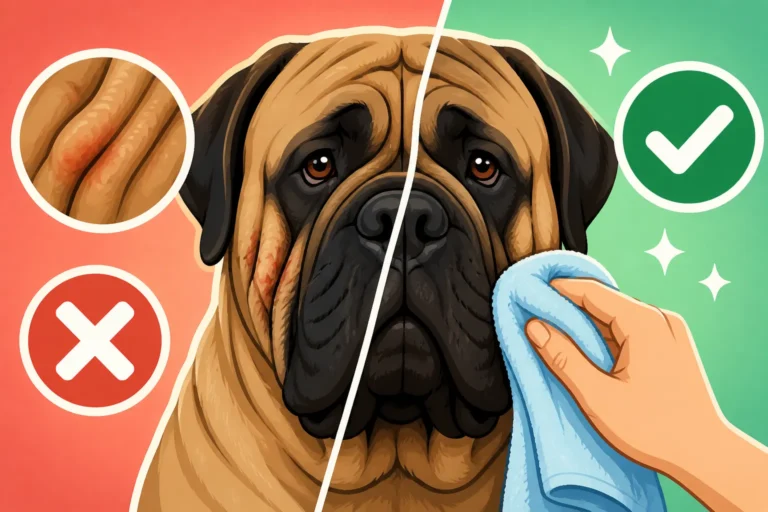
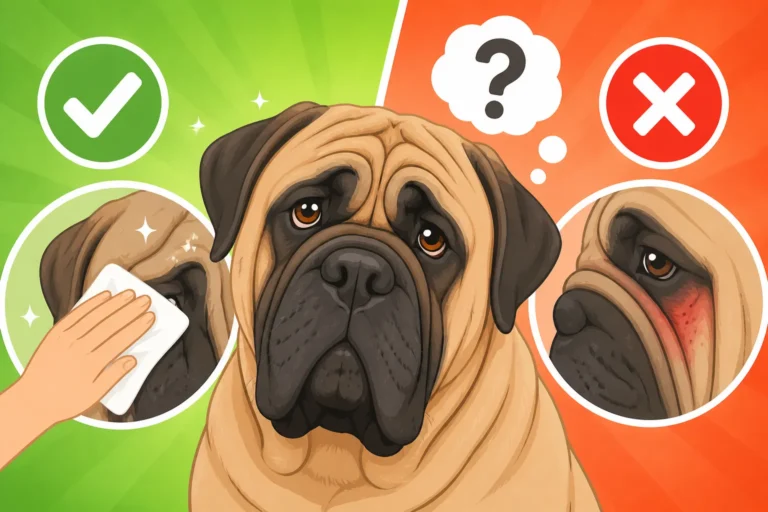
The most common visual signs of a developing fold infection include redness and inflammation within the skin crease. You might notice the skin looking angry, bright pink, or even a deep red. There could be hair loss in the affected area, revealing the irritated skin beneath. Discharge is another clear indicator; this can range from a thin, yellowish or brownish exudate to a thick, greasy, pus-like substance. Sometimes, the skin itself will appear thickened or crusty. And then there's the smell. Oh, the smell. A distinct, often foul, cheesy, or yeasty odor is a hallmark of these infections. Whether a Mastiff's Fold Smells Yeasty is a common concern among owners. It’s an unmistakable sign that something is amiss, even if you can't see visible discharge.
Regularly lifting up those glorious jowls and examining the folds, especially after meals or drinking, can help you catch these changes early. Don't forget to check under the chin, in neck folds, and, for females, around the vulva, where moisture and urine can easily become trapped. Sometimes, a superficial infection might just present as slightly moist, discolored skin with a faint odor, which can usually be managed with diligent cleaning and drying.
Behavioral Changes in Your Mastiff
While Mastiffs are generally good at hiding their discomfort, a persistent skin fold infection will eventually manifest in behavioral changes. You might notice your dog scratching, rubbing their face or neck against furniture, or pawing at the affected area more frequently. They might become restless or seem generally uncomfortable. Sometimes, they'll pull away or become sensitive when you try to touch or examine the infected fold, which is a clear signal that it's causing them pain.
In more severe cases, an infected Mastiff might become lethargic, lose their appetite, or just seem "off." If the infection is widespread or deeply irritating, they might even develop a fever. It’s important to remember that any change in your Mastiff's usual demeanor warrants investigation. If you notice persistent itching, rubbing, or a general reluctance to be handled, especially in areas with skin folds, it's time for a closer look. These subtle shifts can be the first real indication that a minor irritation has progressed into something more serious.
When Antibiotics Become Necessary: Medical Intervention
So, you've spotted the signs, and you're wondering if you need to head straight for the antibiotics. It's a common dilemma. The truth is, not every fold infection requires oral antibiotics, but knowing when to seek veterinary help is crucial for your Mastiff's comfort and long-term health. Unnecessary antibiotic use can lead to resistance, but delaying them when truly needed can allow an infection to become much more severe and painful.
The Role of Topical vs. Systemic Antibiotics
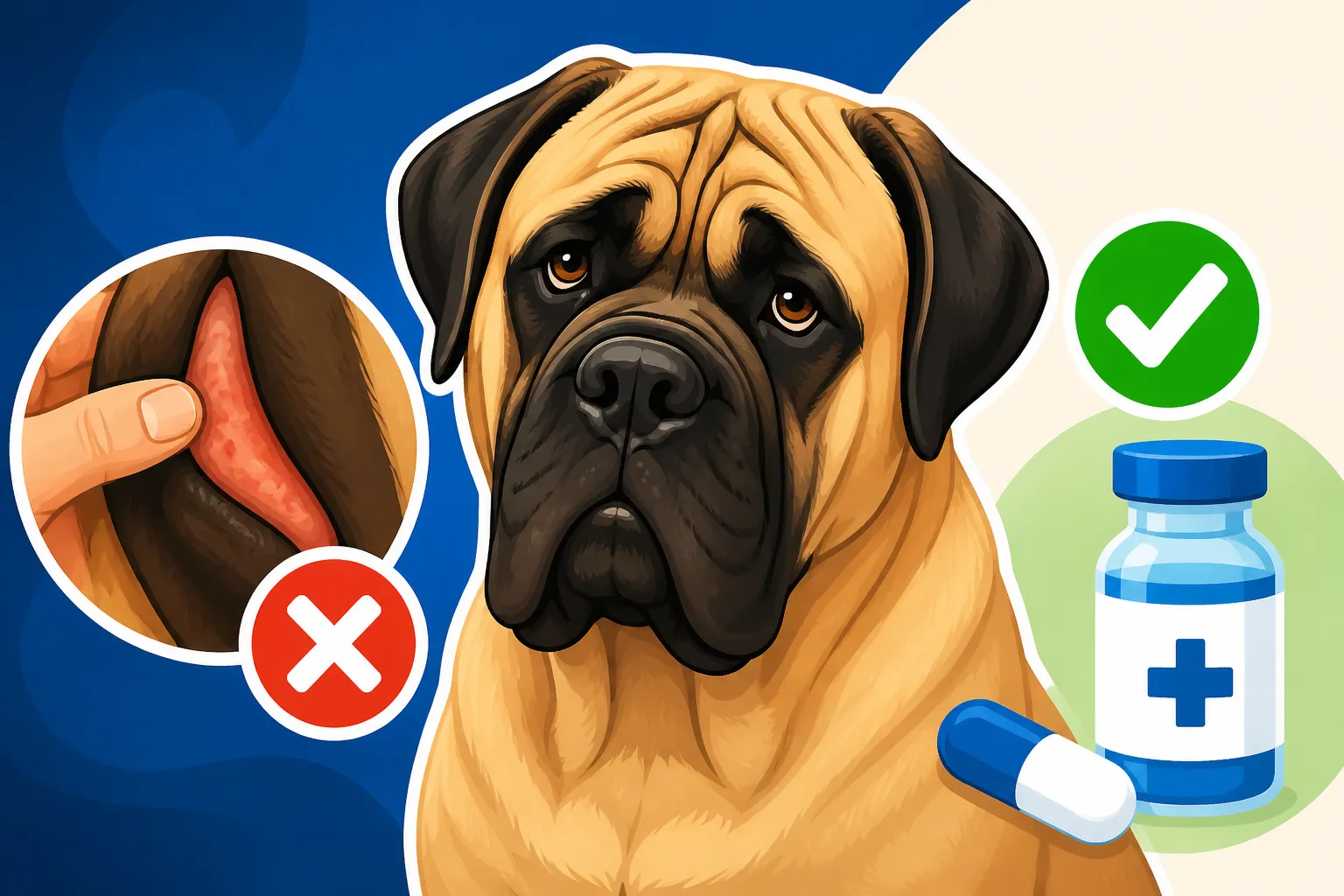
For mild, superficial fold infections, your veterinarian will likely recommend a course of topical treatment. This often involves medicated wipes, shampoos, or creams containing antibacterial and/or antifungal agents. These are applied directly to the affected skin after thorough cleaning and drying. Products often contain ingredients like chlorhexidine or miconazole, which are excellent at tackling the bacteria and yeast that commonly cause these issues. What to Clean a Mastiff's Wrinkles With explores some effective options. The key with topicals is diligent, consistent application and ensuring the area is completely dry afterward. You might find medicated wipes, for instance, available through retailers like Chewy or Amazon, making at-home management more accessible. Whether a Medicated Wipe Suits a Mastiff's Wrinkles can help you choose.
However, if the infection is deep-seated, widespread, causing significant pain or systemic signs (like fever), or simply isn't responding to diligent topical treatment, your vet will likely prescribe systemic antibiotics. These are oral medications that work throughout the dog's body to fight the infection from the inside out. They are typically reserved for more severe cases because, while effective, they carry a higher risk of side effects and contribute to antibiotic resistance if overused. Never attempt to use leftover human antibiotics or guesswork; only a veterinarian can accurately diagnose and prescribe the correct medication and dosage for your Mastiff.
Diagnostic Steps Your Vet Will Take
When you bring your Mastiff in for a suspected fold infection, your veterinarian won't just blindly prescribe antibiotics. A responsible vet will perform some diagnostic tests to identify the specific culprits and ensure the right treatment is chosen. The most common and useful test is cytology. This involves gently taking a swab or impression of the affected skin, staining it, and examining it under a microscope. This allows the vet to identify whether bacteria, yeast, or both are present, and often even gives an indication of the type of bacteria (e.g., rods or cocci). This information helps them select the most appropriate topical or systemic medication.
For chronic, severe, or non-responsive infections, your vet might recommend a culture and sensitivity test. Here, a sample of the discharge is sent to a lab, where the bacteria are grown (cultured) and then tested against a panel of different antibiotics to see which ones are most effective (sensitivity). This takes a few days but is invaluable for pinpointing the exact antibiotic that will work best, preventing the trial-and-error approach and minimizing the risk of antibiotic resistance. It's an important step to ensure your Mastiff gets truly effective treatment.
Beyond Antibiotics: Managing and Preventing Fold Infections
While antibiotics might be necessary to clear up an active, severe infection, they aren't a standalone solution. Long-term management and prevention are key to keeping your Mastiff comfortable and healthy, often reducing the need for repeated antibiotic courses. It's about creating a consistent routine that minimizes the conditions where infections thrive.
Daily Care and Hygiene Best Practices
The absolute cornerstone of managing and preventing Mastiff skin fold infections is consistent, thorough hygiene. This means making a daily (or at least every-other-day) inspection and cleaning a non-negotiable part of your routine. Gently lift those magnificent jowls, expose the folds, and wipe them clean. How Often a Mastiff's Folds Need Cleaning really cannot be overstated. You'll want to use a soft cloth or cotton pad dampened with a vet-approved cleaning solution, or specialized medicated wipes. Many dog owners find products like chlorhexidine wipes effective, and these are readily available from online pet suppliers like Chewy and Amazon. For deeper cleaning, a gentle, antimicrobial canine shampoo can be used, ensuring you rinse thoroughly.
The most critical step after cleaning is to dry the folds completely. Moisture is the enemy here. Use a clean, soft towel, or even a cool setting on a hairdryer if your Mastiff tolerates it. Leaving any dampness behind simply invites the yeast and bacteria to return with a vengeance. For Mastiffs with very deep folds, applying a thin layer of cornstarch or an antimicrobial powder (always consult your vet first) can help keep the area dry throughout the day. This proactive daily care significantly reduces the chances of infection taking hold, turning potential trouble spots into clear, healthy skin. Whether a Mastiff Gets Skin Fold Infections is largely dependent on this regular maintenance.
Dietary Considerations and Supplements
Sometimes, chronic skin fold infections aren't just about external hygiene; underlying factors like allergies can play a role. If your Mastiff suffers from food or environmental allergies, the resulting inflammation and itching can make their skin more susceptible to secondary infections. In such cases, working with your vet to identify and manage these allergies is crucial. This might involve a prescription diet, a novel protein diet, or allergy medications. For example, some premium pet food brands offer specialized formulas aimed at supporting skin health, which you might explore from retailers like Ollie if your vet recommends a dietary change.
Beyond specific allergy management, ensuring your Mastiff receives a high-quality, balanced diet can boost their overall immune system and skin barrier health. Supplements like omega-3 fatty acids (fish oil) can be incredibly beneficial for skin health, reducing inflammation and improving the skin's natural defenses. Always discuss any dietary changes or supplements with your veterinarian, as they can advise on the best choices and dosages for your individual Mastiff's needs. A healthy dog from the inside out is better equipped to fight off infections.
When Surgery Might Be an Option
For a small percentage of Mastiffs, particularly those with extremely deep, problematic folds that become persistently and severely infected despite meticulous medical management and hygiene, surgical intervention might be considered. This procedure is called a fold resection or dermatoplasty, where the excess skin causing the problematic fold is surgically removed. It's a significant decision and one that is typically reserved as a last resort when all other treatments have failed, and the Mastiff is suffering from chronic pain and infection.
Areas commonly considered for fold resection include excessively loose facial folds that trap tears and saliva, or severe vulvar folds in females where urine consistently causes irritation and infection. Tail fold resections are also performed for corkscrew or deeply recessed tails that are impossible to keep clean. This surgery can dramatically improve the dog's quality of life, eliminating a constant source of discomfort and recurrent infection. However, like any surgery, it comes with risks and requires careful consideration and consultation with a board-certified veterinary surgeon. It's not a decision to be taken lightly, but for some Mastiffs, it can provide immense relief.
Comparing Mild vs. Severe Mastiff Fold Infections
Understanding the spectrum of fold infections can help you decide when immediate veterinary attention is needed versus when you can manage at home with diligent care.
| Feature | Mild Infection | Severe Infection |
|---|---|---|
| Appearance | Mild redness, slight moisture, dull hair, minimal discharge | Intense redness, swelling, hair loss, thick pus-like discharge, raw skin |
| Odor | Faint yeasty or slightly sour smell | Strong, foul, cheesy, or putrid odor |
| Behavioral Signs | Occasional scratching/rubbing, minor discomfort | Constant scratching, pain on touch, lethargy, loss of appetite, reluctance to move |
| Skin Temperature | Normal or slightly warm | Significantly warm to the touch |
| Response to Home Care | Improves quickly with cleaning/drying and topical agents | Worsens or shows no improvement despite diligent cleaning |
| Required Treatment | Daily cleaning, drying, vet-approved topical wipes/creams | Veterinary consultation, cytology, potentially culture & sensitivity, systemic antibiotics, continued topical care |
Disclaimer
This article is for general informational purposes only and does not constitute professional advice. Laws, prices and regulations vary by location and change over time. Consult a qualified professional for guidance on your specific situation.