Whether a Mastiff’s Fold Smells Yeasty
One of the trickiest parts of owning a magnificent Mastiff is managing those glorious, majestic folds of skin. While they add so much character and charm, these deep creases can, unfortunately, become breeding grounds for some less-than-pleasant odors, particularly that unmistakable "yeasty" smell that can make you wonder what's really going on under there. This guide is dedicated to helping you understand why that yeasty smell develops, how to tackle it with proactive care, and when it’s time to call in the professionals.
Understanding the "Yeasty" Smell in Mastiff Folds
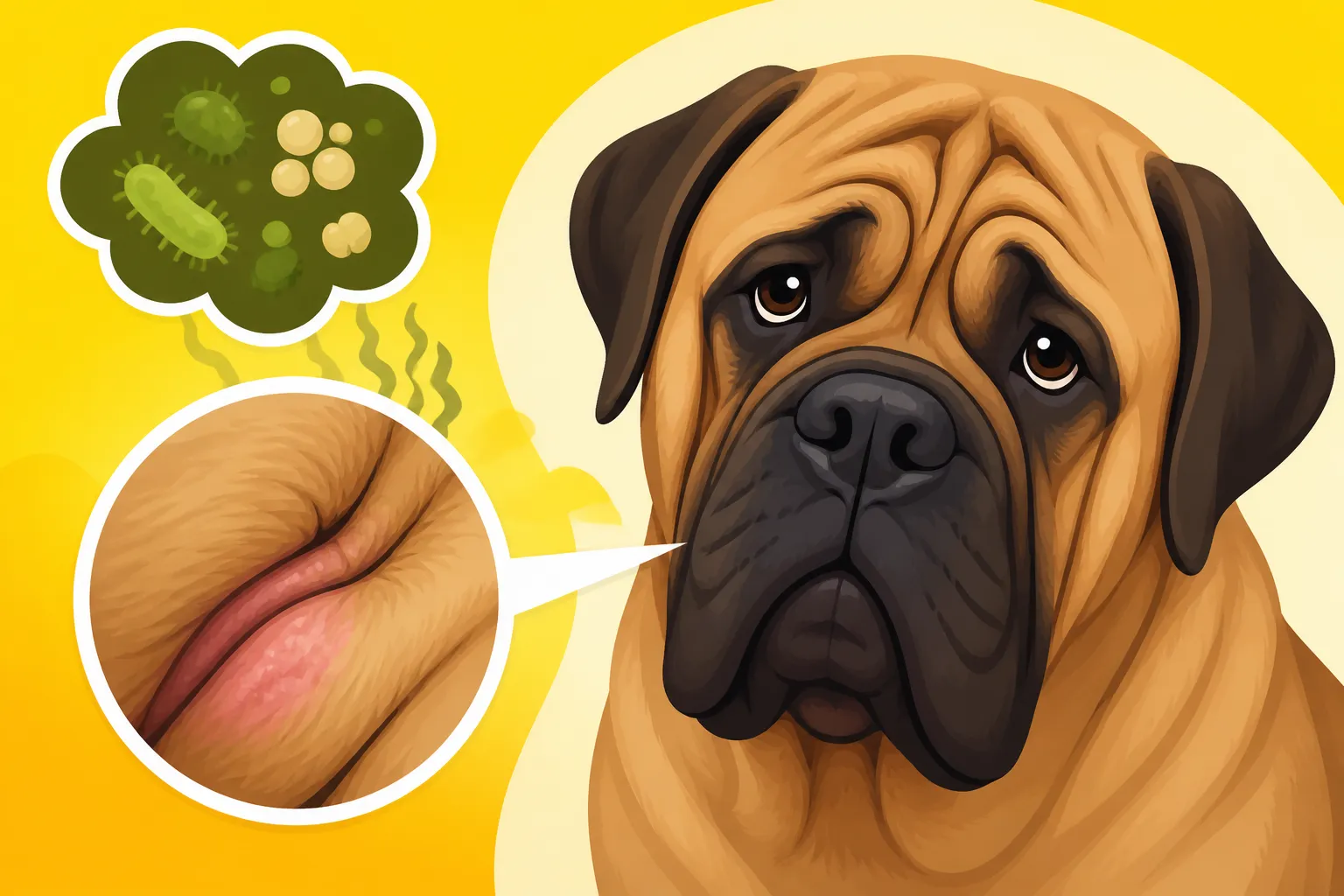
If you've ever gotten a whiff of something vaguely like stale bread, fermentation, or just a general mustiness emanating from your Mastiff's wrinkles, you're not alone. This distinct "yeasty" odor is a common complaint among owners of breeds with prominent skin folds. It's often the first, undeniable sign that something is amiss in those cozy, hidden crevices.
Why Mastiffs Are Prone to Skin Fold Issues
The very thing that gives a Mastiff its regal, stoic appearance – those wonderful, flowing wrinkles and jowls – also creates an environment ripe for skin issues. Think about it: skin folds are essentially little tunnels or pockets where skin rubs against skin. This isn't just a gentle brush; it's often a constant, warm, and moist friction zone, especially around the face, neck, and sometimes even the tail.
These areas don't get much airflow, which means any moisture – whether from drool, water drips after drinking, or even just humidity in the air – gets trapped. Combine that with the natural oils and dead skin cells that accumulate, and you've got a perfect, dark, warm, and damp incubator. Pathogens, particularly yeast and bacteria, absolutely thrive in such conditions. For a Mastiff, these folds aren't just cosmetic; they are a significant part of their anatomy that requires diligent, consistent attention to prevent problems from festering. It’s not a flaw in your dog; it’s simply a characteristic of the breed that requires a specific care routine.
Identifying the Signs of a Yeasty Infection
The smell itself is usually the primary giveaway, but it's important to know what other signs to look for. The "yeasty" smell is often described as sweet, like fermenting fruit or bread dough, sometimes even cheesy or distinctly musty. It’s usually more potent than just a general "doggy" smell and localized to the folds.
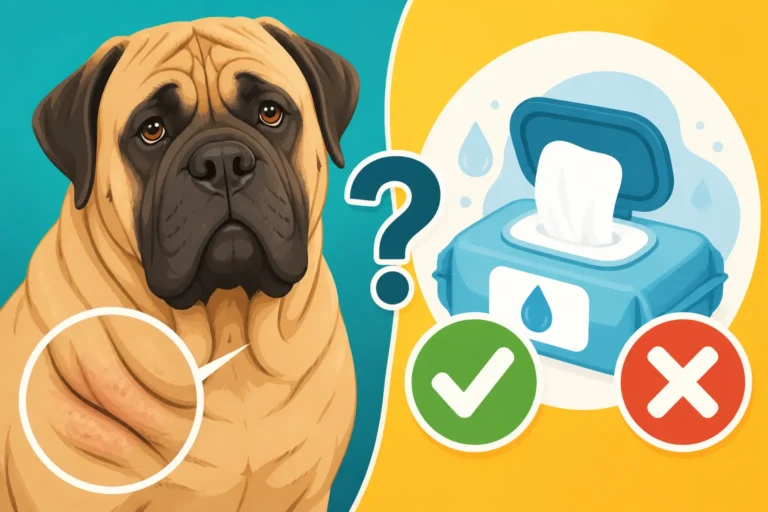
Beyond the odor, if you gently part your Mastiff's folds and look inside, you might notice a few things. The skin might appear red or inflamed, perhaps even angry-looking. There could be a brownish, reddish, or yellowish discharge, sometimes thick and waxy. Your Mastiff might also be showing signs of discomfort, such as rubbing their face on furniture, pawing at their jowls, or seeming generally itchy or irritable. They might even try to avoid you cleaning those areas, a clear signal that it's sore. These visual cues, coupled with the tell-tale smell, strongly suggest a yeast overgrowth, often accompanied by bacterial involvement. It's truly miserable for them, and heartbreaking for us to see.
Common Culprits: Yeast, Bacteria, and Allergies
While we often call it a "yeasty smell," it’s crucial to understand that it’s frequently a mixed bag of microbial mischief. The primary culprit for that specific odor is typically a type of yeast called Malassezia pachydermatis. This yeast is a normal resident on canine skin, but in the warm, moist, and poorly ventilated environment of a skin fold, it can proliferate rapidly and cause an infection. This overgrowth leads to the characteristic yeasty odor and skin irritation.
However, yeast infections rarely travel alone. Secondary bacterial infections are incredibly common because the inflamed skin and moist conditions also provide an ideal breeding ground for bacteria like Staphylococcus. These bacterial components can introduce their own unpleasant odors, often more pungent or foul, and complicate the overall skin condition.
Furthermore, underlying allergies can play a significant role. If your Mastiff has environmental allergies (to pollen, dust mites, etc.) or food allergies, their skin can become generally inflamed and itchy. This systemic inflammation weakens the skin barrier, making it even more susceptible to opportunistic yeast and bacterial infections in those vulnerable folds. Whether a Mastiff Gets Skin Allergies is a common concern for these magnificent dogs. It’s a bit of a vicious cycle: allergies lead to irritation, irritation leads to infection, and the infection makes the irritation worse.
Daily Care and Prevention Strategies
Preventing that dreaded yeasty smell is far easier and more comfortable for your Mastiff than treating a full-blown infection. Consistency in daily care is paramount, turning what might seem like a chore into a routine act of love for your big buddy.
The Crucial Role of Regular Cleaning
Cleaning those folds isn't just about making them smell better; it's about disrupting the perfect breeding ground for microbes. You should be cleaning your Mastiff's folds every single day, or at least every other day, depending on how deep their wrinkles are and how prone they are to issues. For a deep dive into where to focus your efforts, check out The Wrinkles and Folds a Mastiff Owner Cleans Every Week.
Here’s a simple, effective routine:
- Gather your supplies: You'll need soft cotton pads or gauze, and a gentle, veterinary-approved skin fold cleanser. Many owners find specialized medicated wipes, often available on Chewy or Amazon, incredibly convenient. Look for wipes containing chlorhexidine or ketoconazole, which are antifungal and antibacterial, but always ensure they are formulated for dogs and gentle enough for daily use.
- Gently part the folds: Work slowly and speak to your Mastiff in a calm, reassuring voice. You want this to be a positive experience.
- Wipe thoroughly: Use a fresh cotton pad or wipe for each major fold. Swipe away any visible dirt, debris, drool, or discharge. Be sure to get deep into the creases, but don’t scrub roughly. The goal is to clean, not irritate.
- Dry completely: This step is absolutely critical. Whether a Mastiff's Folds Need Drying After Cleaning is a resounding yes! Any residual moisture will undo all your hard work. Use a clean, soft towel or a dry cotton pad to gently blot the area until it’s completely dry. You can even use a hairdryer on a cool, low setting, held at a safe distance, if your Mastiff tolerates it.
Maintaining a Dry Environment in the Folds
Once cleaned, keeping those folds dry is your next mission. Airflow is your best friend here, but obviously, you can't just stick a fan in your Mastiff's face all day.
- Powders: Some owners find a light dusting of a cornstarch-free, antifungal powder helpful after cleaning and drying. Cornstarch can actually feed yeast, so avoid it. Talk to your vet about appropriate pet-safe powders if you choose this route.
- Environmental controls: If you live in a particularly humid climate, consider running a dehumidifier indoors, especially in the rooms where your Mastiff spends most of their time. This can help reduce overall moisture in the air, which in turn helps keep their skin drier.
- Post-drinking wipe-downs: Mastiffs are notoriously messy drinkers. Keep a dedicated "drool towel" near their water bowl and gently wipe their jowls and facial folds after they take a drink. This simple habit can make a huge difference in preventing moisture from lingering in the folds.
Dietary Considerations for Skin Health
Believe it or not, what goes into your Mastiff's bowl can have a profound impact on their skin health. Just like with people, a healthy gut and a balanced diet contribute to a healthy skin barrier and a stronger immune system, making them less susceptible to infections.
- High-quality nutrition: Ensure your Mastiff is on a high-quality, complete, and balanced diet. Some dogs with chronic skin issues benefit from novel protein diets or limited ingredient diets, which can help identify and reduce potential food allergens. Brands like Ollie, known for fresh, human-grade ingredients, might be a consideration for some owners looking to explore dietary changes, though any significant dietary shift should always be discussed with your veterinarian.
- Omega fatty acids: Supplementing with omega-3 fatty acids, often found in fish oil, can be incredibly beneficial for skin and coat health. These anti-inflammatory powerhouses can help reduce overall skin inflammation, making the folds less prone to irritation and infection.
- Probiotics: A healthy gut microbiome is linked to a healthy immune system. Discuss with your vet whether a probiotic supplement might benefit your Mastiff's overall health, including their skin.
When to Seek Veterinary Help
As diligent as you might be with home care, there are times when a yeasty smell in your Mastiff’s folds signals something more serious, requiring professional veterinary intervention. Don't feel like you've failed if you reach this point; sometimes, a little extra help is exactly what your big dog needs.
Recognizing When Home Care Isn't Enough
You've been cleaning, drying, and doing everything right, but that yeasty smell persists, or worse, gets more intense. This is your cue to schedule a vet visit. Beyond the smell, here are key indicators that home care is no longer cutting it:
- Worsening redness and inflammation: The skin in the folds looks increasingly red, swollen, or angry.
- Increased discharge: The discharge becomes thicker, more discolored (greenish-yellow), or more abundant. It might also have a more foul, pungent odor, indicating a strong bacterial component.
- Pain and discomfort: Your Mastiff flinches or cries out when you touch their folds. They might paw at their face constantly, rub against furniture, or become withdrawn and reluctant to interact.
- Open sores or bleeding: The skin may start to break down, leading to raw spots, crusts, or even bleeding. This is very serious and can be incredibly painful.
- General malaise: Your Mastiff seems lethargic, loses their appetite, or develops a fever. This suggests a systemic infection that needs immediate attention.
- Foul smell: While a yeast smell is distinct, a truly rotten or putrid smell often points to a severe bacterial infection that requires prescription medication.
If you observe any of these signs, don't delay. An untreated infection can quickly escalate, causing your Mastiff unnecessary pain and potentially leading to deeper skin issues. Understanding Signs a Mastiff's Fold Has Become Infected is key to knowing when to act.
Diagnostic Tests a Vet Might Perform
When you bring your Mastiff in for a skin fold issue, your vet will likely perform a few diagnostic tests to accurately identify the culprits and guide treatment. They won't just guess; they'll get to the root of the problem.
- Skin cytology: This is a quick and simple test. Your vet will gently press a piece of clear tape or a cotton swab onto the affected skin to collect cells and discharge. They then stain this sample and examine it under a microscope. This allows them to see whether yeast (which look like tiny footprints or peanuts) or bacteria (rods or cocci) are present, and in what quantities. This immediate feedback helps them tailor the initial treatment.
- Skin scrape: Less common for simple fold infections but used if mites are suspected.
- Culture and sensitivity: If the infection is severe, recurrent, or not responding to initial treatments, your vet might take a sterile swab of the discharge and send it to a lab for a bacterial culture. This test identifies the specific type of bacteria present and, crucially, which antibiotics it is sensitive to. This ensures your Mastiff receives the most effective medication possible.
- Allergy testing: If recurrent skin fold infections are part of a larger pattern of skin issues, your vet might discuss allergy testing (blood tests or intradermal skin tests) to identify underlying environmental or food allergies that are predisposing your Mastiff to these problems.
Treatment Options for Persistent Infections
Once the cause is identified, your vet will outline a treatment plan. This usually involves a multi-pronged approach to clear the current infection and prevent future flare-ups.
- Medicated shampoos and wipes: For localized infections, your vet might prescribe specific medicated wipes or shampoos. These often contain stronger concentrations of antifungal agents (like miconazole or ketoconazole) and antibacterial agents (like chlorhexidine) than over-the-counter options. Brands found on Chewy or Amazon might offer a range of these specialized wipes, but always use them under vet guidance. They will typically instruct you to clean the folds several times a week. Using Whether a Medicated Wipe Suits a Mastiff's Wrinkles is often a crucial part of the treatment plan.
- Topical ointments or creams: For very inflamed or broken skin, a prescription topical cream or ointment might be applied after cleaning. These can contain antibiotics, antifungals, and sometimes steroids to reduce inflammation and pain.
- Oral medications: If the infection is widespread, deep-seated, or systemic, oral medications will be necessary. This could include a course of oral antibiotics for bacterial infections or oral antifungals for severe yeast overgrowth. It’s vital to complete the entire course of medication, even if your Mastiff seems better, to prevent recurrence and antibiotic resistance.
- Pain management: If your Mastiff is in significant pain, your vet may prescribe pain relief or anti-inflammatory medications to keep them comfortable during the healing process.
Remember, treating these infections often takes time and patience. Follow your vet's instructions precisely, and don't hesitate to call if you have concerns or if your Mastiff isn't improving.
Long-Term Management and Lifestyle Adjustments
Getting rid of a yeasty fold infection is a victory, but the battle for healthy Mastiff skin is ongoing. Long-term management involves creating a sustainable routine and making lifestyle adjustments that minimize the risk of recurrence. It's about proactive care, not just reactive treatment.
Creating a "Fold-Friendly" Routine
The key to preventing future yeasty smells and infections is consistency. This isn't just a weekly task; for many Mastiffs, it's a daily commitment. Think of it as part of their essential grooming, much like brushing their teeth or checking their ears.
- Daily or every-other-day cleaning: As discussed, regular cleaning of all prominent folds is paramount. This includes facial folds, lip folds, and any other areas where skin rubs together, such as under the chin or at the base of the tail. How Often a Mastiff's Folds Need Cleaning really comes down to what your specific dog needs, but daily is often the safest bet.
- Positive reinforcement: Make cleaning time a positive experience. Use gentle handling, soft words, and plenty of praise and treats. You want your Mastiff to associate fold cleaning with good things, not discomfort or fear. Start when they are a puppy, if possible, to get them used to it.
- Designated supplies: Keep a dedicated kit of cleaning supplies easily accessible. This might include a special towel, pet-safe wipes, and a gentle cleanser, perhaps one recommended by your vet. Having everything at hand makes the routine less daunting. Many owners keep a supply of gentle wipes by the door for a quick post-walk wipe or on the coffee table for a quick check-in. You can find a vast array of options on sites like Chewy or Amazon, making it easy to keep stocked up.
- Monitoring: Even with a routine, regularly check your Mastiff's folds for any early signs of redness, moisture, or odor. Catching an issue early can prevent it from escalating. This is part of What a Mastiff Needs Every Day.
Environmental Controls and Grooming Tools
Beyond direct fold care, consider the broader environment your Mastiff lives in and the tools you use.
- Humidity control: If your climate is damp or humid, continued use of a dehumidifier in key living areas can significantly help keep skin drier.
- Airflow: Ensure your Mastiff has comfortable, well-ventilated resting spots. If they sleep in a dog bed, make sure it’s breathable and kept clean.
- Grooming wipes and towels: Investing in high-quality, absorbent grooming wipes or soft microfiber cloths can make the cleaning and drying process more effective. For drying those deep folds, a small, absorbent cloth can be more effective than a large towel. When selecting a cleaner, consider What to Clean a Mastiff's Wrinkles With.
- Consider a bib: While perhaps not the most stylish accessory, a drool bib can help catch a lot of moisture around your Mastiff’s mouth and chin, preventing it from seeping into the deeper facial and neck folds. Change them frequently to ensure they don't hold moisture against the skin.
The Link Between Overall Health and Skin Issues
Skin fold infections are sometimes a symptom of a larger health picture. Addressing underlying health conditions can dramatically improve your Mastiff's skin health.
- Weight management: Keeping your Mastiff at a healthy, lean weight is crucial. Excess weight can exacerbate skin folds, making them deeper and more prone to rubbing and moisture retention. A lean Mastiff is not only healthier overall, but often has fewer skin fold issues.
- Underlying medical conditions: Conditions like Hypothyroidism in a Mastiff can significantly impact skin health, making it drier, oilier, or more prone to infections. Regular veterinary check-ups are vital to catch and manage such conditions. If your Mastiff is struggling with recurrent fold infections, your vet might suggest a thyroid panel as part of their diagnostic workup.
- Allergy management: If allergies are suspected, working with your vet on a comprehensive allergy management plan – which might include special diets, antihistamines, or allergy shots – can reduce overall skin inflammation and lessen the incidence of secondary infections in the folds.
By staying proactive and working closely with your veterinarian, you can help your majestic Mastiff live a comfortable, healthy life, free from the annoyance of yeasty, itchy skin folds.
Disclaimer
This article is for general informational purposes only and does not constitute professional advice. Laws, prices and regulations vary by location and change over time. Consult a qualified professional for guidance on your specific situation.