What Changes in an Old Mastiff’s Bowl
As our beloved Mastiffs gracefully move into their golden years, it's a bittersweet journey. You watch them slow down, perhaps sleep a little more, and you might notice their once boundless energy has settled into a more deliberate pace. One of the most critical, yet often overlooked, aspects of caring for an aging giant is adjusting what ends up in their food bowl. It's easy to keep feeding them the same kibble they’ve had for years, but an older Mastiff's body has different nutritional demands, and failing to meet them can hasten the onset of age-related issues, leading to unnecessary discomfort and potentially shortening their already precious time with us. This guide will walk you through the essential changes you need to consider for your senior Mastiff's diet, ensuring they remain as healthy and comfortable as possible in their twilight years.
Recognizing the Signs of Aging That Impact Diet
Before we even talk about specific food changes, it's crucial to understand why these changes are necessary. An aging Mastiff isn't just a bigger, slower version of their younger self; their internal systems are undergoing significant shifts. Observing these changes in your own dog is the first step to tailoring their nutrition effectively.
Shifting Energy Levels and Metabolism
Think back to your Mastiff as a rambunctious two-year-old – tearing around the yard, eager for long walks, burning calories just by existing with that much enthusiasm. Now, imagine your seven or eight-year-old Mastiff. They're probably content with a shorter, slower stroll, preferring a long nap on their orthopedic bed to a game of fetch. This reduced activity level directly translates to lower energy expenditure. Their metabolism, too, naturally slows down with age. If you continue to feed them the same amount of the same calorie-dense food they ate as a younger adult, those excess calories don't just vanish; they turn into unwanted weight.
This isn't just about aesthetics; excess weight puts enormous strain on their already burdened joints, contributes to heart issues, and can exacerbate other age-related health problems. It's a silent creeping problem, often unnoticed because they're still "big dogs," but even a few extra pounds on a Mastiff can be significant. You might even find yourself asking, How Little an Adult Mastiff Eats for Its Size, and be surprised by the answer for a senior dog. It's a delicate balance, as you want to ensure they still get enough fuel for their day, but not so much that they become overweight.
Dental Health Deterioration
Just like us, older dogs can suffer from dental issues. Years of chewing, plaque buildup, and general wear and tear can lead to cracked teeth, gum disease, and painful abscesses. Imagine trying to crunch hard, dry kibble when your teeth hurt, or your gums are inflamed. It's a miserable experience! Many senior Mastiffs will start to eat more slowly, drop kibble from their mouths, or even refuse to eat altogether if their dental health is severely compromised. This isn't them being picky; it's genuine pain.
Regular dental check-ups are paramount, but even with the best care, some dental issues are inevitable with age. If your Mastiff is struggling with dry kibble, it's a clear signal that the texture of their food needs to change. Ignoring this can lead to weight loss due to inadequate intake, as well as chronic pain and potential systemic infections originating from the mouth.
Joint Pain and Mobility Challenges
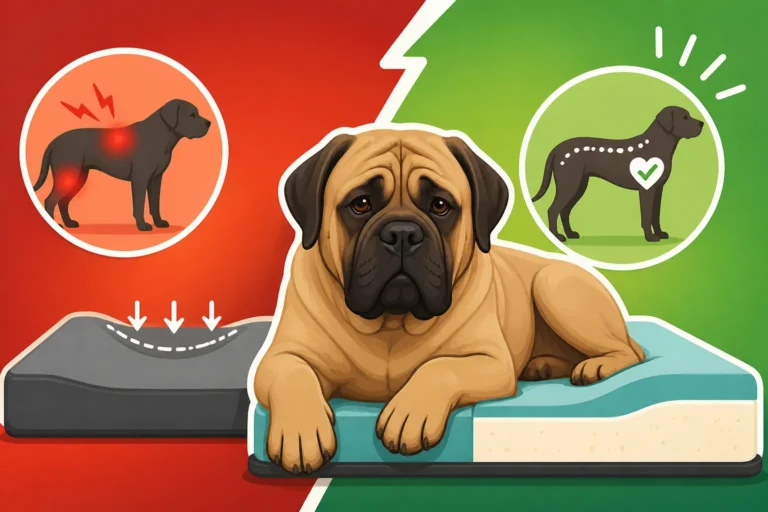
Mastiffs are predisposed to joint issues like hip and elbow dysplasia, and these problems almost inevitably worsen with age, leading to conditions like Arthritis in a Mastiff at Four. Aching joints and stiffness make it difficult for them to move, lie down, and especially to get back up. This directly impacts their ability to stand comfortably at a food bowl, or even to move around to access their food and water. You might observe them shifting their weight uncomfortably, groaning as they settle, or struggling to maintain their balance while eating.
The food bowl itself can become a source of discomfort. If it's on the floor, bending down can put strain on their neck, spine, and front legs. If they're struggling to stand for extended periods, they might rush their meal, or eat less than they need. The right diet, coupled with appropriate feeding ergonomics, can significantly improve their quality of life by reducing inflammation and supporting cartilage health. We want to ensure mealtime is a comfortable, not painful, experience.
Key Nutritional Adjustments for Senior Mastiffs
Once you've identified the signs of aging in your Mastiff, the next step is to understand the specific nutritional tweaks that can make a world of difference. It's not about a complete overhaul for most dogs, but rather a strategic adjustment of certain components.
Reducing Caloric Intake to Prevent Weight Gain
As we discussed, a senior Mastiff's metabolism slows, and their activity decreases. This means their caloric needs go down. If you keep feeding the same amount of the same high-calorie food, weight gain is almost inevitable. The goal is to reduce calories without reducing the volume of food so drastically that your Mastiff feels hungry or deprived. This means looking for foods that are less calorie-dense.
Often, senior dog formulas are designed with this in mind, offering a lower calorie count per cup. However, simply feeding less of a regular adult formula might leave your Mastiff feeling unsatisfied. Instead, consider foods with a higher fiber content, which can help them feel full on fewer calories. Always check the feeding guidelines on senior-specific foods, and start with the lower end of the range, monitoring your Mastiff's weight and body condition closely. Remember, Keeping a Mastiff Lean on Purpose is one of the kindest things you can do for their long-term health, especially their joints.
Increasing Protein for Muscle Maintenance
This might sound counter-intuitive when we're talking about reducing calories, but it's crucial. As dogs age, they can experience sarcopenia, which is the natural loss of muscle mass. For a giant breed like a Mastiff, maintaining muscle is vital for supporting their massive frame and maintaining mobility. Low-quality or insufficient protein can accelerate this muscle wastage. Therefore, while overall calories might decrease, the percentage of high-quality protein in their diet should often remain stable or even slightly increase.
Look for diets that list a high-quality animal protein (like chicken, lamb, beef, or fish) as the first ingredient. This ensures they are getting the essential amino acids needed to maintain muscle tone. Don't be fooled by foods that use vegetable proteins as their primary source, as these may not be as bioavailable or complete for canine needs. This isn't about feeding more protein in total, but ensuring the protein they do consume is top-notch and easily utilized by their aging bodies.
Boosting Joint Support with Supplements
Joint health is paramount for an aging Mastiff. Years of carrying immense weight take a toll, and conditions like arthritis become more prevalent. While a balanced diet helps, senior Mastiffs often benefit immensely from targeted joint supplements. Key ingredients to look for are glucosamine, chondroitin, and MSM (methylsulfonylmethane). These compounds are believed to help maintain cartilage integrity, reduce inflammation, and improve joint lubrication.
Many senior dog foods will include these ingredients, but often not in therapeutic amounts for a giant breed. Therefore, supplementing separately is often recommended by veterinarians. Omega-3 fatty acids, particularly EPA and DHA found in fish oil, are also powerful anti-inflammatories that can significantly reduce joint pain and stiffness. You can find these supplements easily through retailers like Amazon, or specialty pet stores that stock a wide array of options for large and giant breeds. Consistency is key with supplements; they need to be given daily over the long term to see the best results. Joint Supplements for a Mastiff are not just a nice-to-have, but often a critical part of their senior care plan.
Fiber for Digestive Regularity
Digestive issues can become more common as Mastiffs age. Their gut motility can slow down, leading to constipation, or they might experience more sensitive stomachs. Dietary fiber plays a critical role in promoting healthy digestion and maintaining regular bowel movements. Adequate fiber helps bulk up stool, making it easier to pass, and can also act as a prebiotic, feeding the beneficial bacteria in the gut.
Look for foods that include sources of soluble and insoluble fiber, such as beet pulp, pumpkin, psyllium, or certain fruits and vegetables. While too much fiber can sometimes reduce nutrient absorption, the right amount can make a huge difference in your senior Mastiff's comfort and digestive health. If your Mastiff is prone to constipation, discussing a slight increase in dietary fiber with your vet is a good idea. Some pet food companies like Ollie offer fresh food options that naturally incorporate more easily digestible fibers from whole vegetables.
Choosing the Right Food Format and Ingredients
The kind of food you offer your senior Mastiff isn't just about the nutritional analysis; it's also about how palatable and digestible it is, especially given their potential dental or mobility challenges. The format and quality of ingredients make a significant impact on their ability to thrive.
Wet vs. Dry Food Considerations
For many years, dry kibble has been the go-to for convenience and dental health. However, for a senior Mastiff, hard kibble can become a real problem if they have sensitive teeth, gum disease, or even just general discomfort in their mouth. This is where wet food can be a game-changer. Wet food is much softer, easier to chew, and often more aromatic, which can tempt an older Mastiff with a flagging appetite. The higher moisture content is also a bonus for hydration.
You don't necessarily have to switch completely to wet food. Many owners find success by softening kibble with warm water or low-sodium broth, creating a palatable gravy-like consistency. Some even mix wet food in with softened kibble to boost palatability and moisture. There are also freeze-dried or air-dried raw foods that can be rehydrated, offering a middle ground. The key is to observe your Mastiff's eating habits. If they hesitate, drop food, or chew gingerly, a softer texture is likely needed. This can be as simple as adding water to their current kibble, or exploring canned senior diets available at retailers like Chewy.
Ingredient Quality and Digestibility
Just like with humans, "you are what you eat" holds true for our canine companions. For a senior Mastiff, the quality and digestibility of their food become even more critical. Their aging digestive system might not be as efficient at extracting nutrients from lower-quality ingredients. This means choosing foods with easily digestible, high-quality ingredients can make a big difference in nutrient absorption and overall well-being.
Look for real, identifiable meat sources as the first ingredient, not vague "meat meals" unless they specify the animal. Avoid fillers like corn, wheat, and soy, which can be harder for some dogs to digest and offer little nutritional value beyond calories. Instead, opt for complex carbohydrates like sweet potatoes, peas, or brown rice. Fresh, whole ingredients are always a good sign. The easier the food is on their system, the more nutrients they can absorb, and the less strain it puts on their aging organs. Brands offering human-grade ingredients or fresh-cooked meals, like Ollie, often focus heavily on digestibility, which can be a real boon for an older dog.
Specialized Senior Formulas
The pet food market has grown significantly, and now there are many excellent senior-specific formulas available. These are typically formulated with the general needs of aging dogs in mind: reduced calories, appropriate protein levels, and often added joint supplements and probiotics. While not every senior formula will be perfect for every Mastiff, they are a great starting point.
When selecting a senior formula, still apply the principles of high-quality ingredients and appropriate protein sources. Read labels carefully. Compare the nutritional analysis—calories per cup, protein percentage, fat percentage, and fiber content. Some formulas might be ideal for a Mastiff who needs to lose weight, while others might be better for maintaining muscle mass in a lean senior. Don't just grab the first bag labeled "senior"; do your homework. Your veterinarian can also provide guidance on specific brands or nutrient profiles that would best suit your Mastiff's individual health status.
Practical Feeding Strategies for the Aging Mastiff
It's not just what you put in the bowl, but how you present it and when you offer it that can make a huge difference for an aging Mastiff. These practical adjustments can ease discomfort, prevent issues, and ensure your senior dog enjoys their meals.
Adjusting Meal Frequency and Portion Sizes
As Mastiffs age, their digestive systems can become less efficient, and larger meals might be harder to process. Instead of one or two large meals a day, consider breaking their daily food allowance into three smaller meals. This can reduce the workload on their digestive system, help stabilize blood sugar levels, and make them feel more comfortable overall, especially if they are prone to bloat or have a sensitive stomach.
When you adjust the frequency, remember to adjust the portion size for each meal accordingly, so the total daily intake remains consistent with their caloric needs. For example, if they were eating two cups twice a day, they might now eat one and a third cups three times a day. This strategy can also help manage appetite fluctuations that sometimes occur in older dogs. If they're not quite as hungry for one meal, they have another opportunity a few hours later. This might even align with advice on The Age a Mastiff Starts to Slow, as their entire rhythm changes.
Elevated Bowls and Comfort During Meals
This is a critical consideration for any giant breed, but especially for an aging Mastiff with joint pain or mobility issues. Bending down to eat from a bowl on the floor can put immense strain on their neck, spine, and front legs. An elevated feeding station allows them to eat in a more natural, comfortable posture, reducing stress on their joints and making mealtime a more pleasant experience. This is also important for helping manage potential bloat risk, though not a complete preventative.
Look for sturdy, non-slip elevated bowls that are appropriate for your Mastiff's height – their elbows should be approximately level with the top of the bowl when they are standing comfortably. You can find many options from pet retailers or even DIY sturdy stands. Ensure the bowls are easy to clean and made from safe materials. Investing in a good elevated feeding station can truly improve their comfort during every meal, which adds up to a lot over their senior years. Why an Old Mastiff Cannot Get Up emphasizes the importance of making all daily activities, including eating, as easy as possible.
Hydration is More Critical Than Ever
Water intake is always important, but for senior Mastiffs, it's absolutely vital. Older dogs are more prone to dehydration, often due to decreased thirst drive, medications, or kidney function changes. Dehydration can exacerbate existing health problems, impact organ function, and generally make them feel unwell.
Ensure your Mastiff always has access to fresh, clean water. Consider placing multiple water bowls around the house, especially in areas where they spend a lot of time. If they seem reluctant to drink, try adding a splash of low-sodium broth to their water bowl, or even incorporating more wet food into their diet (as discussed earlier) to boost their moisture intake. A pet water fountain can also encourage some dogs to drink more, as the moving water can be more appealing. Just make sure the bowls are easy for them to reach without straining, especially if they have limited mobility.
When to Consult Your Vet About Dietary Changes
While these general guidelines are helpful, every Mastiff is an individual, and their health status can be complex in their senior years. Making significant dietary changes should always involve professional veterinary guidance to ensure you're doing what's best for your specific dog.
Addressing Sudden Weight Loss or Gain
Any sudden or unexplained change in your senior Mastiff's weight is a red flag that warrants a veterinary visit. Weight loss can indicate underlying medical conditions such as kidney disease, cancer, dental pain, or issues with nutrient absorption. Conversely, rapid weight gain, even on a reduced calorie diet, could point to metabolic problems like hypothyroidism or even fluid retention.
Your vet can perform a thorough examination, including blood work and other diagnostics, to pinpoint the cause of the weight change. They can then recommend a tailored dietary plan and any necessary medical treatments. Don't try to solve significant weight changes with diet alone without a professional diagnosis; it could mask a serious health issue that needs immediate attention.
Managing Specific Health Conditions
Many senior Mastiffs develop specific health conditions that require highly specialized diets. For instance, dogs with kidney disease will need a low-protein, low-phosphorus diet. Those with heart conditions might need diets with controlled sodium levels. Dogs with diabetes require careful management of carbohydrates and consistent feeding schedules. These are not conditions you can manage effectively with generic senior dog food.
Your veterinarian is the best resource for recommending prescription diets or specific dietary modifications for these conditions. They can explain the science behind why certain nutrients are restricted or enhanced and help you navigate the often-confusing world of therapeutic pet foods. Relying on anecdotal advice for such serious conditions can have detrimental effects on your Mastiff's health and longevity.
The Importance of Regular Senior Check-ups
Regular veterinary check-ups are paramount for aging Mastiffs, even if they seem healthy. Think of them as preventative maintenance for their golden years. During these visits, your vet can assess their overall health, including body condition, dental health, joint mobility, and organ function through blood and urine tests. They can catch subtle changes before they become serious problems. Caring for a Mastiff Past Five means these regular checks become even more important.
These check-ups are also the perfect opportunity to discuss your Mastiff's diet. Bring a list of what you're feeding, including any supplements. Your vet can provide personalized recommendations based on their examination findings, current health status, and any potential future risks. They can help you adjust caloric intake, protein levels, and consider specific supplements, ensuring that what's in your old Mastiff's bowl is perfectly aligned with their evolving needs. This proactive approach will help your Mastiff enjoy their senior years to the fullest, and hopefully extend the time you have together before What Ends a Mastiff at Eight.
| Feature | Young Adult Mastiff Diet | Senior Mastiff Diet |
|---|---|---|
| Caloric Needs | Higher, to fuel activity and maintain body mass | Lower, due to reduced activity and slower metabolism |
| Protein Level | Sufficient for growth/maintenance, good quality | Stable or slightly higher percentage, high quality, for muscle preservation |
| Fat Level | Moderate to higher, for energy | Lower, to reduce caloric density and manage weight |
| Fiber Level | Adequate for digestive health | Often increased, for digestive regularity and satiety |
| Joint Support | May benefit from preventative supplements | Essential, therapeutic levels of glucosamine, chondroitin, omega-3s |
| Dental Health | Benefits from hard kibble for cleaning | Softer textures often preferred, to accommodate pain/loss |
| Hydration Focus | Important | Critical, more prone to dehydration |
| Meal Frequency | 1-2 meals per day | 2-3 smaller meals per day, easier on digestion |
| Bowl Height | May benefit from elevated bowls | Strongly recommended, to ease joint strain |
Disclaimer
This article is for general informational purposes only and does not constitute professional advice. Laws, prices and regulations vary by location and change over time. Consult a qualified professional for guidance on your specific situation.