What OFA Elbow Grading Costs a Mastiff Breeder
For Mastiff breeders, the path to producing healthy, well-structured puppies is paved with critical health screenings, and one of the most important (and often misunderstood) is elbow grading. It’s not just a quick photo session at the vet; it's a significant investment of time, expertise, and money to ensure you're not passing on debilitating joint issues to future generations. This guide will walk you through what OFA elbow grading entails and the various cost components a Mastiff breeder can expect.
Understanding OFA Elbow Grading for Mastiffs
When you're dealing with a breed as magnificent and massive as the Mastiff, joint health isn't just a concern – it's paramount. Elbow dysplasia is a common, often inherited, developmental condition that affects the elbow joints of large and giant breed dogs. It's a complex disease that can involve several specific conditions, all leading to malformation and degeneration of the elbow joint. For a Mastiff, carrying hundreds of pounds on compromised elbows can lead to chronic pain, lameness, and a significantly reduced quality of life. This is precisely why diligent breeders prioritize screening their breeding stock.
The Orthopedic Foundation for Animals (OFA) offers a standardized system for evaluating elbow radiographs, assigning grades that indicate the presence and severity of elbow dysplasia. This grading system provides an objective measure for breeders to assess their dogs' joint health and make informed decisions about breeding. It’s a commitment to the breed's future, ensuring that only Mastiffs with sound elbows are used in breeding programs. Unfortunately, Elbow Dysplasia Affects One Mastiff in Seven, making this screening even more vital. Understanding that an affected dog may not always show overt symptoms means that X-rays are the only reliable way to detect the condition.
Why Elbow Health Is Critical for a Giant Breed
Imagine a gentle giant, already predisposed to a shorter lifespan, struggling with every step due to painful elbows. This is the reality for Mastiffs affected by elbow dysplasia. Their immense size and weight put extraordinary stress on their joints, amplifying any underlying structural deficiencies. A healthy set of elbows is crucial for mobility, comfort, and overall well-being throughout their relatively short lives. Responsible breeding aims to minimize the incidence of such diseases, improving the quality of life for countless Mastiff puppies. It's not just about aesthetics or lineage; it's fundamentally about preventing suffering.
Breeders who forgo these screenings, often to cut costs, do a grave disservice to the breed. They risk perpetuating genetic predispositions that can lead to significant pain and expensive veterinary care for the puppy's future owners. A clear OFA elbow certification is a badge of honor, signaling a breeder's dedication to health and ethical practices. It means they've taken the proactive step to ensure their contribution to the Mastiff gene pool is as sound as possible. Owners who buy from such breeders can have greater peace of mind, knowing that a significant hereditary health risk has been addressed.
The Veterinary Visit and Radiograph Process
Getting clear, diagnostic radiographs of a Mastiff's elbows is far from a simple task. It requires a skilled veterinary team, specialized equipment, and often, sedation. The sheer size and weight of a Mastiff mean that achieving the precise positioning required by OFA standards can be challenging. An uncooperative or even slightly tense Mastiff can easily shift, resulting in blurred or improperly angled images that are unacceptable for evaluation. This isn't like taking an X-ray of a Chihuahua; it's a full-body effort for everyone involved.
The process typically begins with a thorough physical examination by the veterinarian. They'll assess the dog's general health, listen to its heart, and discuss any previous medical history. This is particularly important because, for most Mastiffs, sedation or even general anesthesia is necessary to ensure the perfect positioning needed for accurate X-rays. Administering anesthetics to a dog as large as a Mastiff carries its own considerations and protocols. Why Anesthesia Is Riskier in a Mastiff means that careful planning and monitoring are essential.
Sedation and Positioning Challenges
Sedation isn't just about making the dog still; it's about relaxing the muscles enough to allow for proper joint manipulation without causing discomfort or resistance. Imagine trying to get a two-hundred-pound dog to lie perfectly still on its side with its leg extended at a precise angle, all while awake. It's practically impossible. The veterinary team will typically administer a sedative, carefully monitoring the Mastiff throughout the procedure. The dosage for a Mastiff, given their substantial lean weight, will be much higher than for a smaller dog, adding to the cost. Why a Mastiff Is Dosed by Lean Weight and Not Scale Weight highlights the complexity.
Once sedated, the Mastiff must be carefully positioned on the X-ray table. OFA requires specific views, typically a mediolateral view with the elbow in flexion and extension. Achieving these exact angles on such a large, heavy limb requires strength and precision from the veterinary technicians. Often, specialized foam wedges or sandbags are used to maintain the correct position. If the X-rays are not perfectly aligned or are over- or under-exposed, they will be rejected by OFA, meaning the entire process might need to be repeated – an outcome every breeder hopes to avoid. This attention to detail and the time it takes the veterinary staff contribute significantly to the overall cost.
Number of Views and Veterinary Expertise
Typically, a minimum of two views per elbow are required for OFA evaluation, meaning at least four distinct X-rays are taken. Each X-ray shot incurs a charge, not just for the film or digital image, but for the use of the equipment and the radiographer's time. For a large dog, specialized, powerful X-ray machines are needed to penetrate the dense bone and muscle tissue to get a clear image. Some clinics might opt for more views if there's any ambiguity, adding further to the expense.
Beyond the technical aspects, the expertise of the veterinarian and their team is invaluable. They need to understand OFA's specific requirements, correctly identify anatomical landmarks, and ensure the quality of the radiographs. An experienced vet can often get the necessary shots efficiently, minimizing sedation time and the need for retakes. This level of specialized skill in handling giant breeds for such precise diagnostics is a factor in their professional fees. Clinics with advanced digital radiography systems might have higher upfront costs, but often provide quicker results and better image quality.
OFA Submission and Interpretation Fees
Once the radiographs are taken and deemed satisfactory by your veterinarian, the process isn't over. The images (either digital or physical film) must then be submitted to the Orthopedic Foundation for Animals for their official evaluation. This is where a panel of three board-certified veterinary radiologists independently reviews the images and assigns a consensus grade. This independent review is a cornerstone of the OFA program's reliability and why it's so highly regarded by responsible breeders.
The OFA charges a separate fee for this evaluation service. This fee covers the administrative costs, the work of the radiologists, and the recording of the results in their public database. While this fee is standardized by OFA, it is distinct from what you pay your veterinarian. It’s an investment in getting an objective, expert opinion on your Mastiff's joint health, which is crucial for ethical breeding practices.
The OFA Grading System
The OFA's elbow grading system ranges from Normal (no evidence of elbow dysplasia) to Grade III (severe elbow dysplasia). A dog receiving an OFA "Normal" certification means it is deemed free of elbow dysplasia and suitable for breeding, assuming all other health clearances are met. The grades are as follows:
| Grade | Description | Breeding Recommendation |
|---|---|---|
| Normal | The elbow joint shows no evidence of elbow dysplasia. | Recommended for breeding. |
| Grade I (Mild) | Minimal bone change on the anconeal process or other associated structures, with slight signs of incongruity. Often referred to as "borderline" or "mild." | Not recommended for breeding. |
| Grade II (Moderate) | Moderate bone changes, clear evidence of osteophytes (bone spurs), and/or definite signs of incongruity. Clinically significant. | Not recommended for breeding. |
| Grade III (Severe) | Extensive bone changes, often with severe osteophytes, joint deformation, and possibly a non-union of the anconeal process or fragmented coronoid process. Severely debilitating. | Absolutely not recommended for breeding, and the dog may require ongoing medical management. |
It's important to remember that only dogs with "Normal" elbow grades should be used in breeding programs. Any grade of dysplasia, even mild, indicates a genetic predisposition that should not be passed on. This rigorous standard is what maintains the integrity of the OFA database and helps reduce the prevalence of elbow dysplasia in the Mastiff breed. Which Four Tests the Mastiff Club of America Requires highlights the commitment to these standards.
Public Database and Breeder Accountability
One of the significant benefits of OFA certification is the public database. Once a Mastiff receives a passing grade, their information (including their OFA number and elbow grade) becomes publicly accessible. This transparency allows prospective puppy buyers to verify the health clearances of a puppy's parents, holding breeders accountable for their health testing claims. It's a vital tool for making informed decisions and promoting responsible breeding.
The OFA submission fee is a small price to pay for this transparency and the expert evaluation provided. Without it, breeders would rely solely on their vet's interpretation, which might not be as universally standardized or recognized. This step is a non-negotiable part of The CHIC Four Plus the DNA Stack Behind a Mastiff's Price that ensures the health of future Mastiff generations.
Factors Influencing the Total Cost
The total cost of OFA elbow grading for your Mastiff can vary quite a bit, depending on several factors. It's not a fixed price tag that applies universally, and understanding these variables can help breeders budget more effectively. Just like with human healthcare, geographical location, the specific veterinary practice, and any unforeseen complications can all play a role in the final bill.
Remember, What a Mastiff's Weight Does to Every Line on the Vet Invoice is a real phenomenon. Everything from sedation medications to the amount of X-ray film used, or even the time it takes to maneuver such a large animal, can be more expensive simply because you’re dealing with a Mastiff.
Geographical Location and Veterinary Practice Rates
Veterinary costs, much like the cost of living, vary significantly by region. A veterinary clinic in a high-cost urban area like New York or Los Angeles will generally have higher overheads, leading to higher prices for services compared to a rural practice in the Midwest. The competition among clinics in a given area can also influence pricing. It's always a good idea to call a few different reputable veterinary practices in your area to get quotes for elbow radiographs and sedation for a giant breed. However, remember that the cheapest option isn't always the best, especially when precision and expertise are paramount.
Beyond location, the individual practice's pricing structure and equipment quality can also be a factor. A state-of-the-art facility with advanced digital radiography might charge more, but could also offer superior image quality and faster processing, potentially reducing the risk of rejected X-rays. Some larger veterinary hospitals or specialty practices might have radiologists on staff, offering immediate preliminary readings, though this often comes with a premium fee.
Pre-Anesthetic Bloodwork and Follow-Up Care
Because sedation or anesthesia is almost always required for Mastiff elbow radiographs, pre-anesthetic bloodwork is a crucial step that adds to the overall cost. This blood panel assesses the dog's organ function (especially liver and kidneys) to ensure they can safely metabolize the anesthetic drugs. For a giant breed like a Mastiff, this precautionary step is even more vital to minimize risks during sedation. Whether a Mastiff Needs Pre Anesthetic Bloodwork is almost always a resounding yes.
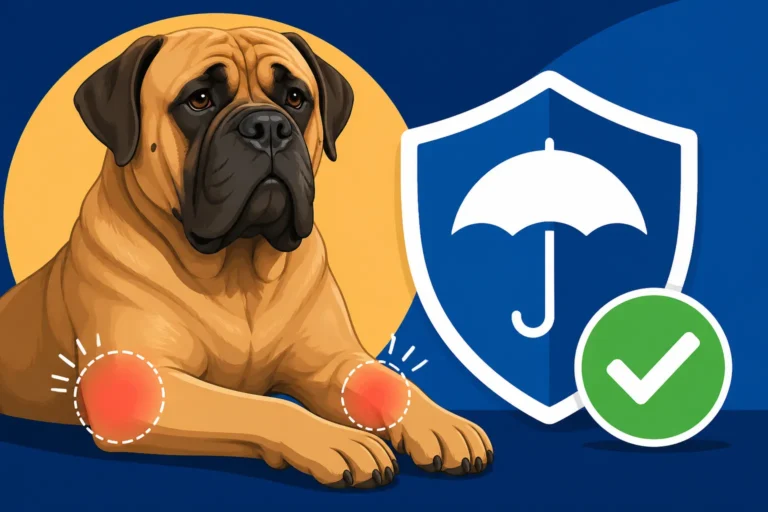
After the procedure, there might be minimal follow-up care, mainly observing the dog as it recovers from sedation. However, if any abnormalities are detected on the X-rays, or if the dog has a difficult recovery, further veterinary consultation or medication may be needed. While not directly part of the "grading" cost, these are associated expenses that a responsible breeder should anticipate. To help manage potential unexpected health costs for breeding dogs, some breeders explore pet insurance options, like those offered by Healthy Paws, which can provide a safety net for a variety of veterinary expenses.
Potential for Repeat Radiographs
One of the most frustrating, and costly, scenarios for a breeder is when the initial radiographs are deemed unacceptable by either the submitting veterinarian or the OFA. This can happen for several reasons: improper positioning, motion blur, incorrect exposure (too dark or too light), or incomplete views. When X-rays are rejected, it means the entire process, including the vet visit, sedation, and taking new images, must be repeated. This effectively doubles or even triples the initial cost.
This is why choosing an experienced veterinarian who is familiar with OFA protocols for giant breeds is so important. Their expertise can minimize the chances of retakes. When planning, breeders should mentally factor in a contingency for this possibility. Ensuring your Mastiff is well-prepared, calm (as much as possible for a massive dog going to the vet), and that you communicate clearly with the veterinary team can help reduce the chances of a costly repeat. Planning for these essential screenings also extends to ensuring your dog's overall health and well-being, including high-quality nutrition. Services like Ollie, which provide fresh, custom-portioned meals, or purchasing bulk kibble and supplements from Chewy, contribute to a healthy foundation that makes these vet visits smoother.
Disclaimer
This article is for general informational purposes only and does not constitute professional advice. Laws, prices and regulations vary by location and change over time. Consult a qualified professional for guidance on your specific situation.