Why a Mastiff Is Old at Five
Mastiff aging at five years old involves rapid cellular wear, high metabolism, and elevated Insulin-like Growth Factor 1 levels.

Mastiff aging at five years old involves rapid cellular wear, high metabolism, and elevated Insulin-like Growth Factor 1 levels.

Mastiff health challenges explain rapid aging, joint strain, and aggressive cancer that frequently cause death by age eight.
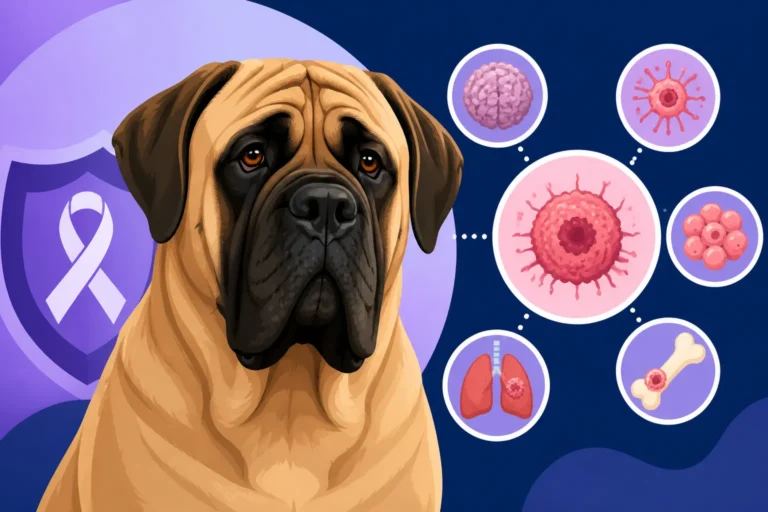
Mastiff cancer risks, including osteosarcoma, lymphoma, and mast cell tumors, explained with early signs and treatment options.
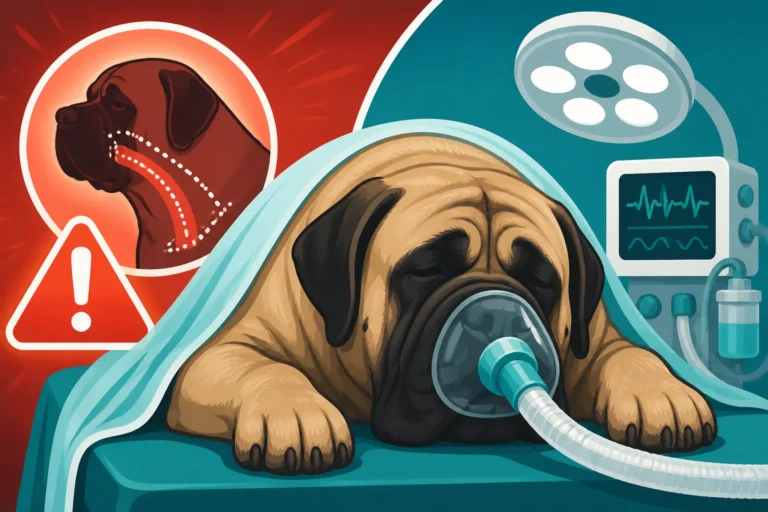
Mastiff anesthesia risks and weight dosing challenges explained, including how large size and respiratory traits affect safety.

Mastiff entropion and ectropion are painful inherited eyelid conditions causing chronic irritation, inflammation, and potential vision threats.
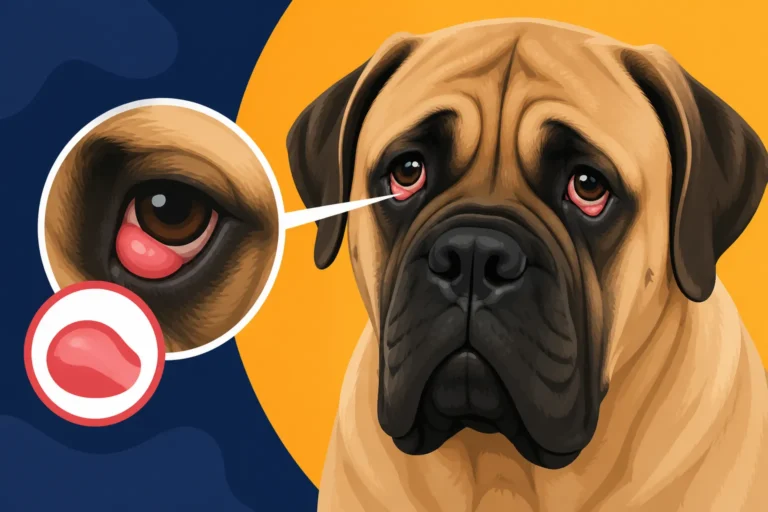
Cherry eye in Mastiffs involves a prolapsed third eyelid gland causing a red mass that reduces tear production by fifty percent.
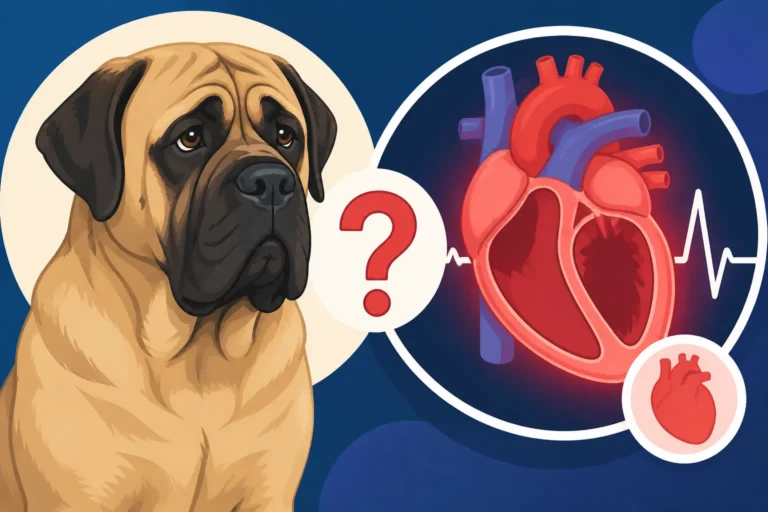
Mastiff dilated cardiomyopathy is a progressive heart condition causing thin muscle walls, reduced cardiac output, and fluid accumulation.

Mastiff heart health evaluations explain genetic risks like dilated cardiomyopathy and why giant breeds require proactive cardiac screenings.
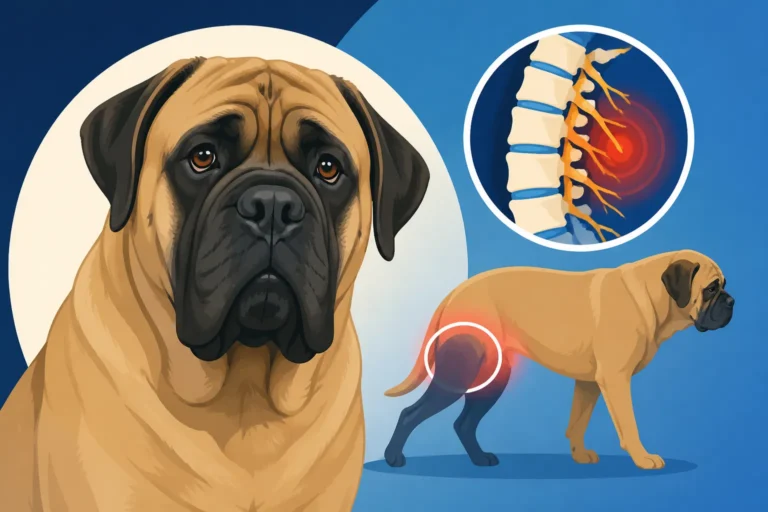
Degenerative Myelopathy in Mastiffs is a neurological disease that causes progressive hind limb weakness and lack of coordination.
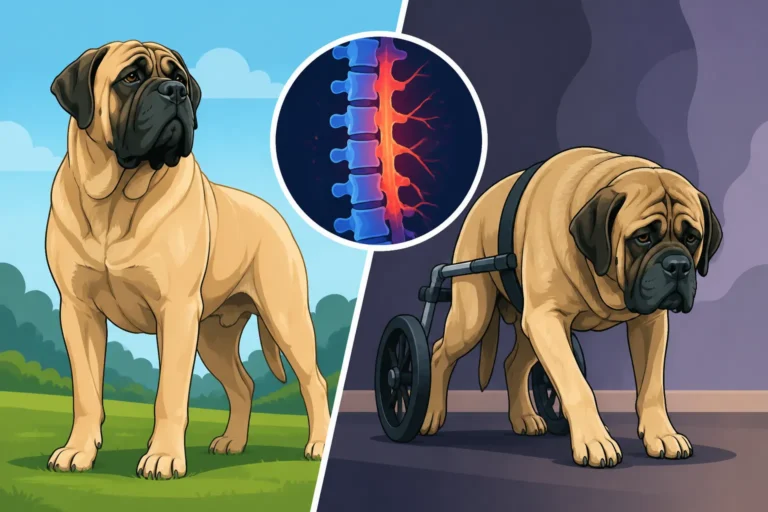
Degenerative Myelopathy in Mastiffs damages spinal cord white matter, causing hind limb weakness, loss of mobility, and eventual paralysis.