Whether a Mastiff Needs a Custom Collar
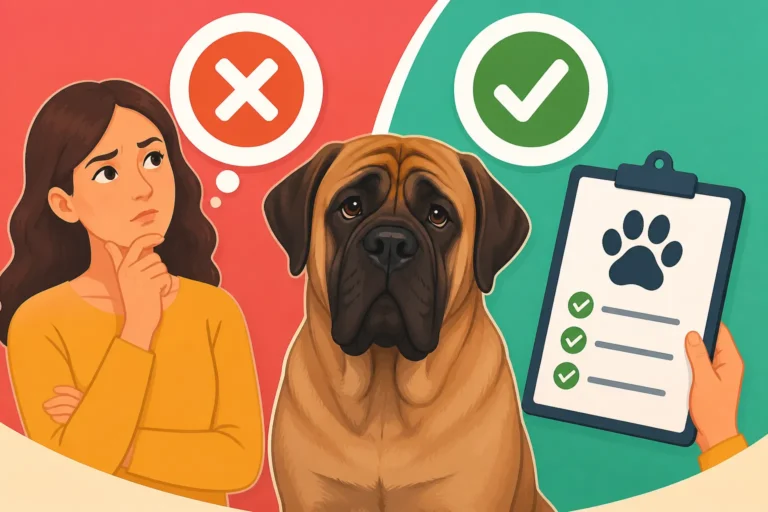
Anyone who has ever tried to outfit a Mastiff knows the unique frustrations of shopping for a giant breed. It often feels like the pet supply world was designed for Labradors and smaller, leaving us Mastiff owners staring at racks of "extra-large" items that wouldn't even fit around our dog's forearm, let alone its majestic neck. When it comes to something as fundamental as a collar, it's easy to wonder if a standard, off-the-shelf option will truly suffice, or if your gentle giant actually needs a custom-made solution. This guide will delve into the specific needs of a Mastiff's collar, exploring why standard options often fall short and what to look for when investing in this essential piece of gear for your colossal companion.
The Struggle of Standard Sizing for Giant Breeds
It’s a tale as old as time for giant breed owners: you walk into a pet store, full of hope, only to find the "largest" collar barely clips around your Mastiff's dewlap. We've all been there, trying to stretch a seemingly enormous collar, only to realize it's still laughably inadequate for our magnificent dogs. This isn't just an inconvenience; it's a genuine problem that affects safety, comfort, and even your ability to properly manage your Mastiff.
Why Off-the-Shelf Collars Often Fall Short
The biggest issue with standard collars isn't just the length, though that's certainly a major hurdle. It's often the width and material strength that truly pose a challenge. A Mastiff's neck isn't just long in circumference; it's thick, powerful, and carries the weight of a dog that can easily tip the scales past two hundred pounds. Most mass-produced collars, even those labeled "extra-large," are designed for dogs perhaps half the size of a Mastiff. This means they are often too narrow, providing inadequate surface area to distribute pressure across the neck. Imagine trying to lead a horse with a shoelace—it simply wouldn't work, and it would be uncomfortable, if not downright painful, for the animal. For a Mastiff, a narrow collar can dig into the trachea or exert uneven pressure, especially if they decide to suddenly stop or, heaven forbid, pull unexpectedly. We talk a lot about How Much Force a Mastiff Can Apply on a Leash, and you quickly realize why a flimsy collar just isn't an option.
Beyond width, the materials themselves are often insufficient. Standard nylon webbing or thin leather, while perfectly fine for a Golden Retriever, might quickly fray, stretch, or even snap under the sheer power and weight of a Mastiff. The buckles, D-rings, and other hardware are typically scaled for smaller breeds too. A cheap plastic buckle might hold for a bit, but one sudden lunge from a Mastiff and you could find yourself with a broken buckle and a loose giant, which is a scenario no owner wants. Even the stitching on these collars can be weaker, not designed to withstand the constant strain and potential bursts of force that a Mastiff can exert. You're not just buying a fashion accessory; you're buying a piece of safety equipment.
The Importance of a Proper Fit
An ill-fitting collar isn't just unsightly; it can be genuinely dangerous for your Mastiff and for anyone interacting with them. A collar that's too loose can easily slip over your Mastiff's head, leaving them unrestrained in a potentially hazardous situation. On the other hand, a collar that's too tight can restrict breathing, rub their skin raw, or even cause nerve damage over time. Considering that Mastiffs, for all their calm demeanor, can be quite sensitive, constant rubbing or discomfort can lead to anxiety or a negative association with their collar, making walks and handling more difficult.
The ideal fit allows two fingers to comfortably slip between the collar and your dog's neck. For a Mastiff, this "two-finger rule" needs to be applied carefully, ensuring the width of the collar is also appropriate. A wide, well-fitting collar distributes pressure evenly across their broad neck, reducing the risk of injury to their trachea or spine, especially during those moments when they decide to stop dead in their tracks or investigate an interesting scent. This proper fit is crucial not just for physical comfort but for effective communication and training. A Mastiff that's uncomfortable in its collar is less likely to respond positively to leash cues, hindering your ability to navigate the world together safely. Teaching a Mastiff Before It Outweighs You often starts with teaching them to walk politely on a leash, and the right collar is foundational to that.
When a Standard Collar Might Work (and When it Definitely Won't)
It's tempting to try and make do with what's readily available, especially when you're caught in a pinch. But with a Mastiff, "making do" can have serious consequences. While there might be fleeting moments or specific circumstances where a standard collar seems adequate, it's vital to understand the limitations and when you absolutely need to upgrade.
Puppy Stages and Growth Spurt Realities
When you first bring home a Mastiff puppy, they might fit into a sturdy "large" size collar from a typical pet store. They're still relatively small, though growing at an astonishing rate. During this rapid growth phase, you'll be cycling through collars faster than you can say "giant breed." The First Year With a Mastiff Puppy That Doubles in Size means that a collar that fit last month will be snug this month and completely outgrown the next. At this stage, some robust, yet still standard, collars might suffice. You might find larger sizes at a big box pet retailer like Chewy, which can at least offer some variety in wider, stronger nylon options designed for larger dog breeds, even if not specifically for a Mastiff's ultimate adult size.
However, even as a puppy, it's essential to prioritize durability and width. A growing Mastiff puppy needs proper support, and a flimsy collar can still cause discomfort or fail during an enthusiastic puppy romp. As they approach their adolescent stage, usually around 6-12 months, their neck circumference will start to balloon, and the strength they possess will become undeniable. This is the point where most standard "extra-large" collars begin to prove truly inadequate. You'll quickly move past the realm of what's easily found and enter the world of specialty gear.
Identifying the Limits of "Extra Large"
Most collars designated "extra-large" in mainstream pet stores or online retailers typically cater to breeds like German Shepherds, Rottweilers, or large Labrador Retrievers. These dogs, while substantial, rarely reach the neck circumference or sheer muscular bulk of an adult Mastiff. An "extra-large" might measure up to 26-28 inches in length, and perhaps an inch or an inch and a half in width. For a male Mastiff, whose neck can easily be 28-36 inches (or even more for truly enormous individuals) and requires a width of at least 1.5 to 2 inches for comfort, these simply won't cut it.
The buckles and D-rings on these common "extra-large" collars are often made from lighter-gauge metals or even plastic, which are prone to bending, breaking, or simply wearing out quickly under the strain of a Mastiff's power. It's not just about the length; it's about the entire structural integrity of the collar. You might be able to force a standard extra-large around your Mastiff's neck, but it will be narrow, uncomfortable, and frankly, a ticking time bomb. Remember, your Mastiff weighs significantly more than these collars are designed for, and How Much a Mastiff Weighs is a critical factor in every piece of equipment you buy.
Materials and Durability: Why a Standard Collar Might Not Cut It
When you're dealing with a dog that can weigh upwards of 200 pounds or more, every piece of equipment needs to be up to the task. Standard nylon collars, while strong, can sometimes feel abrasive on a Mastiff's skin, especially if they have loose neck skin or folds that can get irritated. Over time, the constant tension and the dog's sheer mass can cause even heavy-duty nylon to stretch or fray. Think about how much leverage a Mastiff has; if they decide to lean into a walk, or even just suddenly turn, a weak point in the collar material or stitching will be exposed. This is why many experienced Mastiff owners gravitate towards more robust materials.
Leather, particularly thick, high-quality bridle leather, offers superior strength and durability. It softens and molds to the dog's neck over time, becoming more comfortable. However, even with leather, the quality of the stitching and the hardware used for buckles and D-rings is paramount. Cheap leather will crack and break, and flimsy hardware will fail. Some specialized collars also incorporate heavy-duty fabrics like military-grade webbing, which offers incredible tensile strength. The key is that the entire collar system – the material, the stitching, the buckle, and the D-ring – must be designed to withstand the forces a Mastiff can generate. You need equipment that instills confidence, especially if you're out walking and your Mastiff decides to challenge a squirrel or stop to visit another dog. Whether a Mastiff Can Be Walked by One Person often hinges on having reliable, strong equipment that allows for proper handling.
What "Custom" Really Means for a Mastiff Collar
When we talk about a "custom" collar for a Mastiff, we're not just referring to getting a specific length. It's about tailoring the entire piece of equipment to the unique physical attributes and power of these magnificent dogs. It's recognizing that their needs go beyond the one-size-fits-all mentality of the mainstream pet market.
Beyond Just Length: Considering Width, Hardware, and Padding
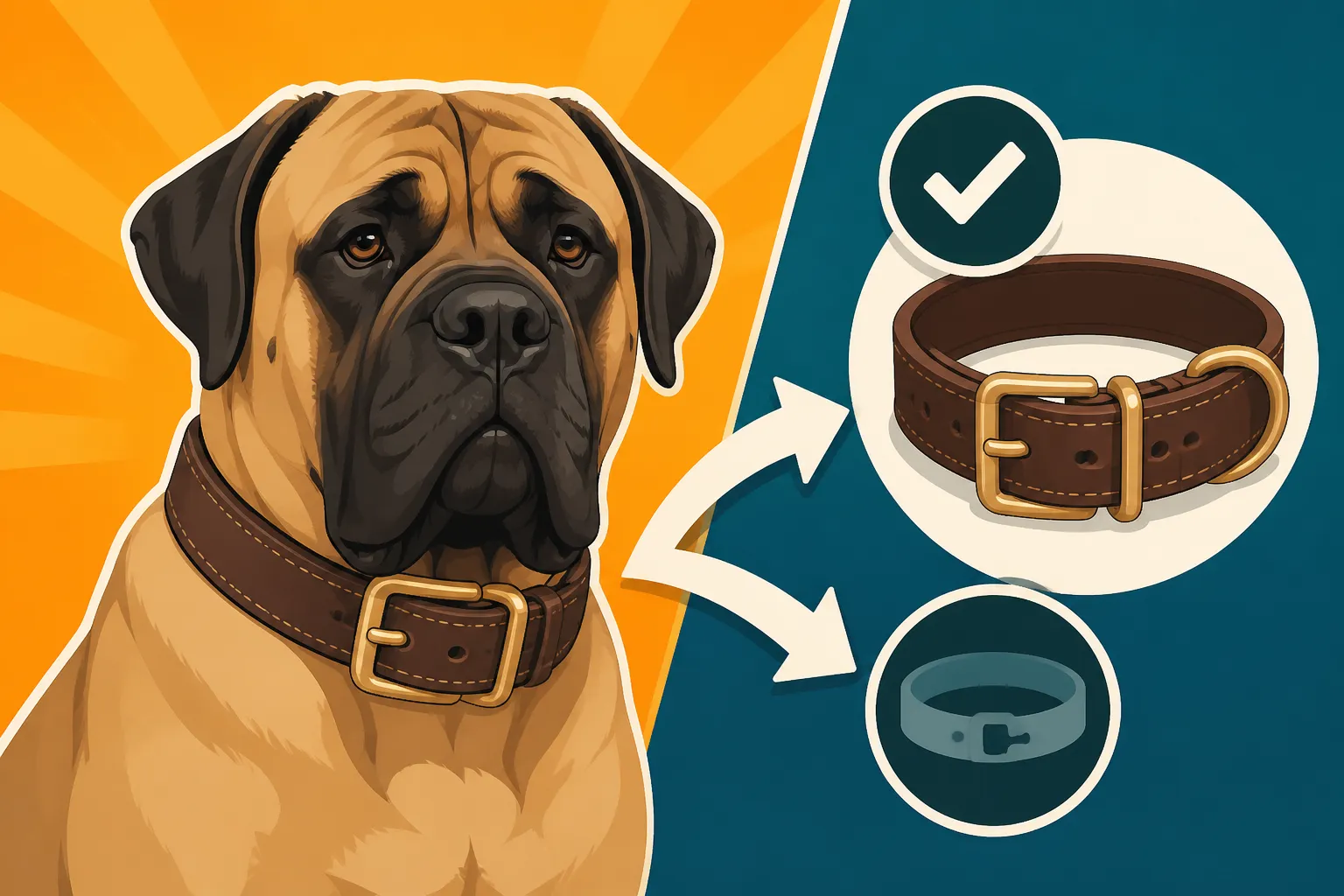
A truly custom or specialized collar for a Mastiff considers several critical dimensions and features. Firstly, width is paramount. A Mastiff's neck is incredibly strong and thick. A collar should be at least 1.5 inches wide, with many owners preferring 2 inches or even 2.5 inches for maximum comfort and pressure distribution. This wide surface area helps prevent the collar from digging into their neck, particularly the sensitive tracheal area, and ensures that any pressure applied is spread broadly. This is crucial for their long-term health and comfort.
Secondly, hardware cannot be overlooked. Forget plastic buckles or lightweight stamped metal. A Mastiff needs solid brass, stainless steel, or heavy-duty welded steel D-rings and buckles. These materials are chosen for their strength, corrosion resistance, and ability to withstand immense pressure without bending or breaking. Welded seams on D-rings are particularly important, as un-welded rings can sometimes deform under extreme stress. Every component, down to the rivets or stitching, must be heavy-duty.
Finally, padding or lining can make a huge difference in your Mastiff's comfort. Many specialized collars feature soft leather, neoprene, or felt lining on the inside to prevent chafing and irritation, especially important for dogs with sensitive skin or those with prominent neck folds. This extra cushioning adds a layer of luxury and practicality, making the collar more pleasant to wear for long periods. A well-designed custom collar for your Mastiff is an investment in their comfort and safety, similar to how you might invest in quality dog food from a brand like Ollie to ensure their nutritional well-being.
Specialty Retailers vs. Artisanal Makers
When the big box stores and online general retailers like Chewy just don't cut it, you have a couple of primary routes for finding a suitable Mastiff collar. Specialty retailers often focus on large or giant breed equipment. These stores, whether online or brick-and-mortar, curate products specifically designed for the needs of dogs over 100 pounds. They understand the demands of a Mastiff and will stock collars with appropriate widths, robust materials, and strong hardware. While not strictly "custom" in the sense of being made-to-order for your dog, their "off-the-shelf" options are usually far superior to standard pet store fare.
The other route, and often the best for true customization, is seeking out artisanal makers or small businesses that specialize in custom dog gear. These are often crafters who work with heavy-duty leather, military-grade webbing, or other robust materials and can hand-make a collar to your Mastiff's exact neck measurements. They can often accommodate requests for specific widths, multiple D-rings, specific types of buckles (like roller buckles for easier adjustment or quick-release options for emergencies), and personalized touches like nameplates. While these often come with a higher price tag, the quality, durability, and perfect fit are typically unmatched.
Features to Look For
When you're evaluating collars for your Mastiff, whether specialized or custom, keep an eye out for these essential features:
- Width: As mentioned, at least 1.5 inches wide, ideally 2 inches or more, especially for adult males.
- Material: Thick, full-grain leather (bridle leather is excellent), heavy-duty nylon webbing (military or climbing grade), or biothane for water resistance and easy cleaning.
- Hardware: Solid brass, stainless steel, or welded steel. Check D-rings, buckles, and any other metal components. Avoid plastic or thin, stamped metal.
- Buckle Type: Roller buckles are common on heavy leather collars, offering smooth adjustment and secure fastening. Quick-release buckles are convenient but must be exceptionally sturdy and rated for giant breeds. Some even prefer martingale-style collars for better control without excessive pressure, especially if Whether a Mastiff Pulls on a Leash is a concern, though these still need to be wide and strong.
- Padding/Lining: For comfort and to prevent chafing, especially if your Mastiff has sensitive skin.
- Stitching/Construction: Look for heavy-duty stitching, often double or triple stitched, or robust rivets for leather collars.
- ID Tag Placement: Ensure there's a secure spot for an ID tag without it interfering with the buckle or D-ring for the leash. Some custom collars offer integrated nameplates, which are a fantastic, durable solution.
- Reflective Elements: For nighttime visibility, especially if you walk your Mastiff in low light conditions.
Here's a quick comparison of what you might expect from standard vs. specialized/custom collars for a Mastiff:
| Feature | Standard "Extra Large" Collar (Typical Retail) | Specialized / Custom Mastiff Collar |
|---|---|---|
| Neck Circumference | Up to 28 inches | 28-36+ inches, exact custom fit |
| Width | 1-1.5 inches | 1.5-2.5 inches (or more) |
| Material | Thin nylon, light leather | Thick bridle leather, heavy nylon/biothane |
| Hardware | Plastic, lightweight zinc alloy | Solid brass, stainless steel, welded steel |
| Buckle Type | Plastic snap, lightweight metal tongue | Roller buckle, heavy-duty quick-release |
| Padding/Lining | Rarely | Often felt, neoprene, or soft leather |
| Durability | Moderate, prone to wear/failure | Exceptional, built to last |
| Cost | Lower | Higher |
Making the Investment: Cost vs. Longevity and Safety
The sticker shock of a specialized or custom Mastiff collar can be real. After all, you're looking at prices significantly higher than the average pet store collar. However, when you factor in the safety, comfort, and sheer longevity, this investment makes immense sense for a Mastiff owner.
The "Buy Cheap, Buy Twice" Trap
This old adage couldn't be truer for Mastiff equipment. If you opt for a cheaper, less robust collar, you're almost certainly going to replace it sooner. The materials will degrade faster, the hardware will weaken, and before you know it, you're back in the market for another collar. This isn't just a waste of money in the long run; it's also a potential safety hazard. A collar failing unexpectedly during a walk can lead to a lost dog, an injured dog, or even an incident involving other people or animals.
Consider the ongoing costs of owning a Mastiff. The Mastiff's Short Life Buys the Biggest Bills, and a significant portion of that is often related to health and safety. Investing in a durable, high-quality collar from the outset can save you headaches and expenses down the line. It's a foundational piece of equipment that, when chosen correctly, will perform reliably for years, standing up to the demands of your magnificent companion. Think of it as preventative spending – preventing escapes, preventing discomfort, and ultimately, preventing potential accidents.
Safety First: Why a Robust Collar is a Non-Negotiable
For a dog of the Mastiff's size and power, safety must always be the top priority. A strong, well-fitting collar is not just about keeping your dog restrained; it's a critical tool for communication, control, and preventing dangerous situations. Should your Mastiff suddenly become startled, encounter an off-leash dog, or simply decide it wants to investigate something interesting across the street, a flimsy collar will offer little to no control. The consequence of a Mastiff getting loose, even if they are the most gentle soul, can be catastrophic simply due to their sheer size.
A robust collar provides you with the confidence that you can manage your dog in any situation. This peace of mind is invaluable, whether you're taking a casual stroll through the neighborhood or dealing with a more unexpected event. It allows you to protect your Mastiff from potential dangers and to prevent them from inadvertently causing harm, even if it's just by bumping into someone due to their size. We often talk about What a Mastiff's Weight Does to Every Line on the Vet Invoice, and an emergency visit due to an accident caused by faulty equipment is something you definitely want to avoid. While pet insurance providers like Healthy Paws are there for unexpected vet bills, preventing those situations in the first place is always the goal.
Matching the Collar to Your Mastiff's Lifestyle
Finally, the ideal collar for your Mastiff should align with their individual temperament and your lifestyle together. Is your Mastiff a strong, consistent puller on the leash? Then a wider collar, perhaps even a well-fitted martingale style made with heavy-duty materials, might be best to distribute pressure and prevent escapes. If your Mastiff is a relatively calm walker, a sturdy flat buckle collar with ample width and strong hardware will likely be perfect. Do they love splashing in puddles or swimming? Then a waterproof biothane collar might be more practical and easier to clean than leather.
Consider what you do with your Mastiff daily. Do you frequent dog parks (though Why a Dog Park Is Wrong for a Mastiff is a valid consideration for such large breeds) or simply enjoy quiet walks around the block? Will they be wearing their collar all day, every day, or just for walks? These factors should influence your material choice and design preferences. Ultimately, the best collar for your Mastiff is one that is safe, durable, comfortable, and tailored to their magnificent proportions, ensuring many happy, secure years together.
Disclaimer
This article is for general informational purposes only and does not constitute professional advice. Laws, prices and regulations vary by location and change over time. Consult a qualified professional for guidance on your specific situation.