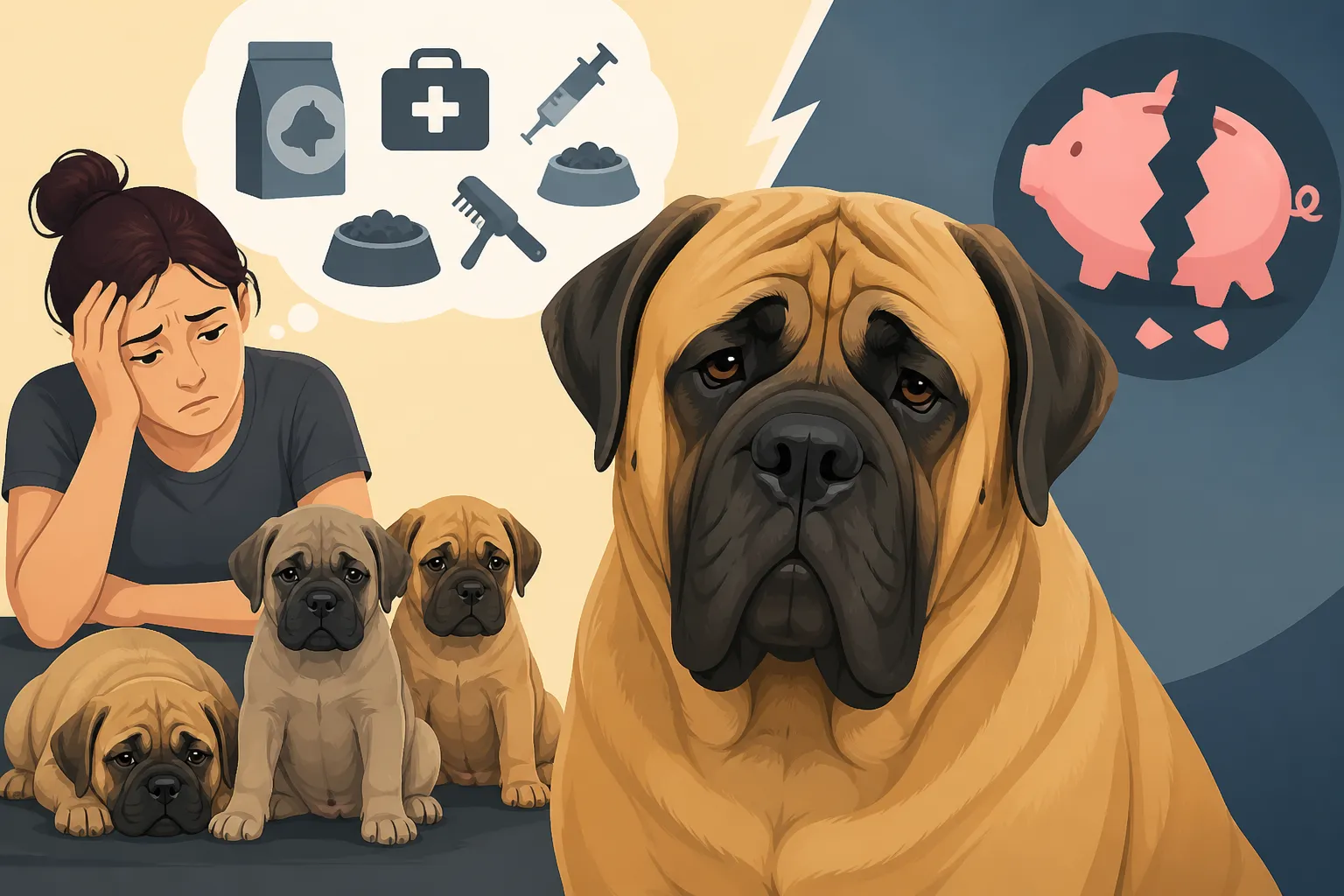
Why Few Mastiff Breeders Break Even
Many aspiring dog owners or even seasoned enthusiasts might harbor a romanticized vision of dog breeding: a cozy whelping box, adorable puppies tumbling about, and perhaps a tidy profit at the end. However, for those dedicated individuals breeding Mastiffs, the colossal reality is far different. The sheer scale, specialized care, and significant health considerations inherent to these magnificent giant dogs mean that for most reputable Mastiff breeders, the endeavor is a labor of profound love and dedication, one that rarely, if ever, breaks even financially. This guide will peel back the curtain on the true financial and logistical commitment required to responsibly breed Mastiffs, explaining why the dream of turning a profit often remains just that – a dream.
The Upfront Investment: More Than Just Two Dogs
Before a single puppy is even conceived, a reputable Mastiff breeder makes a substantial financial and time investment that can stretch for years. This isn't just about buying a male and female dog; it's about curating a healthy lineage.
Health Testing for Generations
This is perhaps the largest and most critical upfront expense for any ethical Mastiff breeder. You see, with a breed as large and prone to certain genetic conditions as the Mastiff, breeders aren't just thinking about the parents in front of them; they're looking generations deep into pedigrees and making commitments to future health. Before any breeding can even be considered, both the sire and dam must undergo a battery of health screenings.
These typically include evaluations for hip and elbow dysplasia, cardiac health, and eye conditions, often through organizations like the Orthopedic Foundation for Animals (OFA) or similar registries. Many breeders also pursue additional DNA tests for known genetic issues like Progressive Retinal Atrophy (PRA) or Cystinuria Type III. Each of these tests comes with its own fee, often requiring specialist veterinary appointments, sedation, and sometimes multiple screenings as the dog matures. For example, hip and elbow certifications usually aren't finalized until a Mastiff is at least two years old, meaning a breeder is investing in a potential breeding animal for years before knowing if it's even suitable. Consider the comprehensive nature detailed in The Four CHIC Tests a Mastiff Breeder Must Clear – these aren't optional for those who genuinely care about the breed's future. It's an ongoing, significant investment that ensures the puppies born are as healthy as possible, reducing heartache for future owners and contributing positively to the breed's genetic pool.
Acquisition Costs and Pedigrees
Bringing a quality Mastiff into a breeding program is a world away from simply buying a pet. Breeders often spend years researching pedigrees, traveling to meet dogs, and waiting for the right opportunity to acquire a dog with impeccable health, temperament, and conformation. These aren't cheap puppies. A Mastiff puppy destined for a breeding and show career can command a significantly higher price than a pet-quality animal, reflecting the breeder's investment in its lineage and potential. Factors like champion parentage, extensive health clearances in the line, and show potential all contribute to the price tag.
Sometimes, a breeder might even import a dog from overseas to introduce new bloodlines and enhance genetic diversity, which adds substantial travel and import fees to the initial purchase price. This initial outlay is not a quick return on investment; it's a foundational expense. Compare this to What a Show Bred Mastiff Puppy Costs versus What a Pet Quality Mastiff Puppy Costs – the difference is stark because you're buying into a meticulous process, not just a puppy. The dog then needs to be raised, shown to prove its merits, and continue its health testing journey, all incurring further expenses before it ever contributes to a litter.
Facilities and Equipment
Mastiffs are giant dogs, and their needs are on a giant scale. Housing and caring for breeding stock, and then a litter of puppies, requires specialized facilities and equipment that go far beyond what a typical pet owner needs. Imagine the size of a crate that can comfortably house a two-hundred-pound Mastiff, or a whelping box large enough for a dam and a litter of eight to ten rapidly growing puppies. These aren't off-the-shelf items from your local pet store.
Breeders need secure, spacious runs, often custom-built, to ensure the dogs have adequate space to move and play safely. There's also the investment in proper climate control to keep adults and vulnerable puppies comfortable year-round, regardless of external temperatures. Think about the sheer volume of cleaning supplies, bedding, and specialized feeding equipment needed. These are significant capital expenditures that can cost thousands of dollars before any breeding even occurs. You can't just toss a Mastiff into a tiny kennel; it requires substantial infrastructure designed to support their immense size and unique requirements.
The Hidden Costs of a Mastiff Pregnancy and Whelping
Once a breeding pair has been selected and health-tested, the journey to puppies involves a series of critical and often expensive steps, particularly for a breed like the Mastiff.
Veterinary Care Through Gestation
A Mastiff pregnancy isn't simply a matter of two dogs mating and waiting nine weeks. It's a closely monitored medical event, often fraught with potential complications due to the breed's size. From the moment breeding is planned, a dedicated breeder is in close communication with their veterinarian. This can involve progesterone testing to pinpoint the optimal breeding window, ensuring the highest chance of conception. Once pregnancy is confirmed, usually via ultrasound, regular vet visits become standard to monitor the dam's health and the development of the puppies.
Toward the end of gestation, X-rays are crucial not only to confirm the number of puppies but also to assess their size and positioning relative to the birth canal. This proactive approach helps determine if a natural birth is likely or if a C-section might be necessary, allowing the vet and breeder to prepare. Each of these consultations, tests, and imaging procedures carries a cost, and when multiplied across potentially several breeding attempts or litters, these veterinary bills quickly add up, easily reaching into the hundreds or even thousands of dollars before a single puppy has arrived.
The Reality of Emergency Cesareans
This is where the financial fragility of Mastiff breeding truly comes into sharp focus. While some Mastiffs can whelp naturally, the breed is notorious for requiring veterinary intervention during birth. The large head size of Mastiff puppies, combined with potentially small litter sizes (which means each puppy is larger), significantly increases the risk of dystocia, or difficult birth. A prepared breeder always has an emergency plan in place, but even the best planning cannot prevent a sudden shift to an emergency C-section.
These surgeries are incredibly expensive, especially if they occur after hours or on a weekend. What an Emergency Mastiff Cesarean Runs Overnight can easily be a five-figure bill, instantly obliterating any hope of breaking even on a litter. Many Mastiff breeders will tell you that a C-section isn't a possibility; it's an expectation. This single event can turn a potential small profit into a substantial loss, highlighting the significant financial risk involved with every litter. The decision to proceed with an emergency C-section is never about money; it's about saving the lives of the dam and her puppies, regardless of the cost.
Feeding and Caring for a Large Litter
Once the puppies arrive, the costs continue to mount rapidly. A Mastiff dam, especially one nursing a sizable litter, requires an incredible amount of high-quality food to sustain herself and produce enough milk. This isn't just a few extra scoops; it's a significant increase in calorie and nutrient intake. Then, as the puppies grow, they begin the weaning process, which means introducing them to solid food – often a premium, large-breed puppy kibble.
Consider a litter of eight to ten Mastiff puppies, each growing at an astonishing rate. They can consume massive quantities of food in just a few weeks. A breeder might go through a large bag of puppy food every few days. Sourcing this in bulk, perhaps through retailers like Chewy, can help manage costs slightly, but the sheer volume means it's still a major expense. On top of food, there are supplements for the dam and puppies, specialized bedding, and constant cleaning supplies to manage the inevitable mess of a growing giant-breed litter. What Feeding a Mastiff Litter to Eight Weeks Costs is a line item that can easily run into the thousands, demonstrating just how quickly resources are depleted.
The Puppy Raising Phase: Intensive Care and Marketing
Bringing Mastiff puppies into the world is only the beginning. The next eight to ten weeks are a whirlwind of intensive care, critical socialization, and careful placement, all contributing to the breeder's financial and time investment.
Round-the-Clock Puppy Care
For the first few weeks of a Mastiff litter's life, the breeder's schedule revolves entirely around the puppies. This isn't a "set it and forget it" operation. Newborn Mastiff puppies, much like human infants, are incredibly vulnerable and require constant supervision. This means round-the-clock monitoring to ensure they are nursing adequately, gaining weight appropriately, and staying warm. Sometimes, individual puppies might need supplemental bottle feeding every few hours, day and night, if the dam isn't producing enough milk or a puppy is struggling.
The whelping box needs meticulous cleaning several times a day to maintain hygiene and prevent illness. Each puppy needs individual attention, from weighing them daily to performing early neurological stimulation exercises. This intensive care requires immense dedication and physical stamina. It’s a full-time, demanding job that continues for weeks, laying the groundwork for healthy, well-adjusted puppies. This phase truly highlights the sheer labor of love involved, as the monetary return often doesn't even begin to cover the personal cost of lost sleep and constant work.
Socialization and Early Training
Beyond basic physical care, a responsible Mastiff breeder understands the paramount importance of early socialization for these gentle giants. Mastiffs need to grow into confident, stable adults, and that foundation is built during their first weeks of life. This means exposing them, in a safe and controlled manner, to a wide variety of sights, sounds, textures, people, and other animals. Puppies are handled daily by different individuals, introduced to various household noises, and given opportunities to explore different environments.
Basic potty training also begins, teaching them to go outside or use designated areas. This isn't just about making them easier for their new families; it's about shaping their entire personalities. The time and effort put into this phase are immeasurable. A breeder invests countless hours to ensure each puppy leaves their care as a well-adjusted, confident individual, which is vital for a breed that will grow to be two hundred pounds. Without this crucial early work, a Mastiff puppy could grow up to be fearful or overly timid, which is dangerous in a dog of this size. Think about the importance of Socializing a Mastiff Puppy Before It Gets Heavy – it's a small window that has lifelong implications.
Finding the Right Homes and Guarantees
An ethical Mastiff breeder doesn't just sell their puppies to the first person with cash in hand. The process of finding suitable homes is as rigorous as the breeding itself, and it involves significant time and effort. Breeders typically conduct thorough interviews, check references, and may even perform home visits or require extensive applications to ensure their precious puppies are going to responsible, loving environments capable of handling a giant breed. They invest in educating prospective owners about the unique needs, challenges, and joys of Mastiff ownership.
This vetting process can take weeks or even months for each puppy. Furthermore, reputable breeders provide health guarantees, often for specific genetic conditions, that can extend for the first few years of the puppy's life. While these guarantees are a hallmark of responsible breeding, they also represent a potential financial liability. If a health issue covered by the guarantee arises, the breeder may be obligated to offer a refund, a replacement puppy, or contribute to veterinary costs. This commitment underscores the long-term responsibility a breeder takes on, far beyond the initial sale. For new owners, this is where pet insurance providers like Healthy Paws become invaluable, providing peace of mind knowing unexpected health issues can be covered, aligning with the breeder's commitment to the puppy's wellbeing.
Ongoing Expenses and Unforeseen Challenges
Even after puppies have gone to their forever homes, the financial realities and immense dedication required of a Mastiff breeder don't simply disappear. The commitment stretches far beyond the initial eight weeks.
Time, Labor, and Opportunity Costs
This is often the most undervalued and overlooked "cost" of breeding Mastiffs, yet it's arguably the most significant reason why few breeders truly break even. Breeding isn't just a hobby; it’s a full-time occupation that demands constant attention, physical labor, and mental energy. The time spent on daily care, cleaning, training, vet visits, researching pedigrees, screening potential buyers, and providing post-sale support is astronomical. This labor of love often comes at the expense of other income-generating activities or personal leisure time.
Imagine the hours spent simply monitoring a litter, hand-feeding, or cleaning up after rapidly growing puppies. These hours are not paid; they are freely given out of dedication to the breed. Many breeders forgo vacations, social engagements, or even stable careers because of the relentless demands of their dogs. The opportunity cost – the income or experiences lost by choosing to breed Mastiffs – is immense and rarely quantifiable in monetary terms, but it weighs heavily on the overall profitability, or lack thereof.
The Financial Drain of Unsold Puppies or Retired Adults
Even the most dedicated breeder can face the challenge of an unsold puppy or two. Perhaps a large litter meant more puppies than there were perfect homes, or a specific puppy didn't meet a buyer's expectations. An ethical breeder would never compromise on placing a puppy in the right home just to make a sale. This means they must be prepared to continue caring for these puppies, sometimes for months, incurring ongoing costs for food, veterinary care, and continued socialization. This unforeseen expense can significantly eat into any potential profit from the litter.
Furthermore, breeding dogs eventually reach an age where they are retired from the program. These beloved animals often remain with the breeder, living out their lives as cherished family members. While they no longer produce income, their care continues. This means ongoing food bills (perhaps opting for premium options like Ollie for their senior nutrition), routine vet visits, preventative medications, and specialized senior care for what is typically a large, long-lived dog. Caring for a Mastiff Past Five becomes a significant, albeit loving, financial commitment long after their breeding days are over, further illustrating why breaking even is such a remote possibility.
The Emotional and Ethical Burden
Beyond the tangible costs, there is an immense emotional and ethical burden that Mastiff breeders carry, a factor that cannot be measured in dollars but profoundly impacts their experience. Dealing with the heartbreak of a difficult birth, the potential loss of a dam or puppies, or the stress of a sick animal is an emotional rollercoaster. Breeders invest their hearts and souls into these animals, and every setback is deeply felt.
There's also the constant weight of responsibility for every life they bring into the world. Ensuring each puppy thrives, goes to a fantastic home, and lives a full, healthy life is a profound commitment. When an owner faces a challenge, the breeder is often the first point of contact, offering support, advice, and sometimes taking back a dog if a placement doesn't work out. This ethical responsibility means a breeder is never truly "done" once the puppies leave; they remain invested for the lifetime of those dogs. This profound dedication is what defines a truly ethical Mastiff breeder, and it’s a commitment that transcends any hope of financial gain.
Breeder Expenses: A Snapshot
Here's a simplified look at some common expenses a Mastiff breeder might face. Remember, these figures can vary wildly by location, vet, and individual dog needs.
| Expense Category | Typical Item | Cost Implication | Frequency |
|---|---|---|---|
| Health Clearances | OFA Hips/Elbows, Cardiac, Eyes | High, often specialist exams. Genetic tests are additional. | Per dog, before breeding |
| DNA Panels (PRA, Cystinuria) | Significant, especially for multiple tests. | Per dog, once | |
| Acquisition & Upkeep | Breeding Prospect Purchase | Very high, especially for proven lines or show quality. | Per dog, upfront |
| Showing & Titles | Travel, entry fees, handler fees – can be thousands per year. | Ongoing | |
| Breeding & Whelping | Progesterone Testing | Moderate to High, often multiple tests. | Per breeding |
| Stud Fees | Can be thousands, plus travel/shipping. | Per breeding | |
| Ultrasounds/X-rays (pregnancy) | Moderate to High, multiple appointments. | Per pregnancy | |
| Emergency C-section | Extremely High – often several thousands, can be five figures. | Unexpected, but common | |
| Puppy Raising | High-Quality Puppy Food | Very High for large litters, ongoing for 8+ weeks. | Daily |
| Vaccinations & Deworming | Moderate, for each puppy. | Multiple doses | |
| Microchipping | Moderate, for each puppy. | Once | |
| Whelping Supplies (box, bedding, heat lamp) | Moderate to High, often reusable but initial investment is substantial. | One-time & ongoing | |
| Time & Labor | Breeder's Time Investment | Immeasurable – 24/7 for weeks, significant ongoing commitment. Represents lost income. | Ongoing |
| Unexpected Costs | Sick puppies/dam (vet care) | Variable, can be extremely high. | As needed |
| Unsold puppies (ongoing care) | Ongoing food, vet, training. | As needed |
Disclaimer
This article is for general informational purposes only and does not constitute professional advice. Laws, prices and regulations vary by location and change over time. Consult a qualified professional for guidance on your specific situation.