Whether Insurers Shorten Coverage on a Mastiff
It’s a common, heartbreaking fear for any Mastiff owner: you sign up for pet insurance, diligently pay your premiums, and then as your magnificent companion ages, you start to worry that the safety net you’ve built will suddenly be pulled away. The truth is, while pet insurance is a lifesaver for many, the unique challenges of owning a giant breed with a shorter lifespan can make navigating policies feel like walking a minefield. This guide will delve into how pet insurance companies typically handle coverage for Mastiffs, particularly as they mature, helping you understand the nuances of renewals, exclusions, and what "shortened coverage" really means for our gentle giants.
The Unspoken Reality: Mastiff Lifespan and Its Insurance Impact
Let's be brutally honest: one of the hardest parts of loving a Mastiff is their tragically short lifespan. While we wish for forever, the reality is that many Mastiffs only get around Six to Ten Years Is What a Mastiff Gets. This isn't just an emotional burden; it has very real implications for how pet insurance providers view our dogs. Insurers operate on risk assessment, and an animal with a shorter expected lifespan or a higher propensity for certain health issues naturally represents a different risk profile.
Why Age Changes the Game for Insurers
From an insurance perspective, an older dog is inherently more likely to incur veterinary expenses. Just like with humans, the likelihood of developing chronic conditions, cancers, or age-related mobility issues increases significantly with each passing year. For a breed that already lives a compressed lifespan compared to smaller dogs, this accelerated aging process means those "elderly" health concerns can begin much earlier. While a smaller dog might just be hitting its prime at five or six years old, a Mastiff at that age is often considered senior, and Caring for a Mastiff Past Five means preparing for different kinds of health needs and, unfortunately, higher vet bills.
The Financial Weight of Giant Breed Health
It's no secret that Mastiffs are expensive to keep, and their medical care is no exception. Everything from the amount of anesthesia required for a simple procedure to the dosage of daily medication is scaled up for a two-hundred-pound dog. This leads to higher costs for treatments, surgeries, and even routine preventatives. An insurer knows that What a Mastiff's Weight Does to Every Line on the Vet Invoice. This financial reality, coupled with their shorter life expectancy, means that while insurance is often even more crucial for Mastiff owners, the terms and costs reflect this elevated risk and expense.
How Pet Insurance Policies Operate and Evolve
Understanding the general mechanics of pet insurance is key before we dive into Mastiff-specific concerns. Pet insurance isn't like human health insurance in many ways; it's more like a reimbursement model. You pay the vet upfront, submit a claim, and then the insurer pays you back a percentage, minus your deductible.
Deductibles, Reimbursement, and Annual Limits
Most pet insurance policies come with a deductible, which is the amount you pay out-of-pocket before your insurance starts to kick in. After you meet your deductible, the insurer will reimburse you a certain percentage (commonly 70%, 80%, or 90%) of the eligible vet bill. There's usually also an annual limit, which is the maximum amount the policy will pay out in a given policy year. For a Mastiff, these annual limits can be crucial because their treatments are often so expensive. For instance, a single emergency surgery could easily hit a lower annual limit, leaving you to cover the rest.
Accident-Only vs. Accident & Illness Policies
There are generally two main types of pet insurance policies:
- Accident-Only Policies: These are usually cheaper and only cover unexpected injuries, like a broken bone from a fall or an ingested foreign object. They won't cover illnesses, chronic conditions, or age-related diseases.
- Accident & Illness Policies: These are more comprehensive and cover both accidents and illnesses, including things like cancer, allergies, arthritis, and other health conditions common in Mastiffs. They are more expensive, but for a large breed with known predispositions to various health issues, they often provide far more peace of mind.
Given the potential health challenges a Mastiff faces, from orthopedic issues to bloat, an accident and illness policy is almost always the recommended choice for these dogs.
The Truth About "Shortened Coverage" at Renewal
This is where much of the anxiety lies for Mastiff owners. The good news is that reputable pet insurance providers generally do not unilaterally "shorten" the scope of an active policy mid-term simply because your Mastiff gets older. If you have an active policy, the terms and conditions in effect for that policy period usually remain consistent.
However, where things can change – and often feel like shortened coverage – is at the annual renewal of your policy.
Premium Increases Due to Age and Claims
The most common way an insurer adjusts for an aging Mastiff is through premium increases. As your Mastiff gets older and potentially develops more health conditions, the risk to the insurer increases. They will factor in:
- Your dog's age: Older dogs are more prone to illness.
- Your claims history: If you've made significant claims in previous years, this indicates a higher likelihood of future claims.
- General veterinary cost inflation: The cost of vet care continues to rise.
It’s not uncommon for Whether Mastiff Premiums Climb After Four, and these increases can be substantial as your Mastiff moves into their senior years. This isn't shortening coverage in terms of what is covered, but it can certainly make continuing coverage feel less affordable, effectively "shortening" your ability to maintain the same level of financial protection.
New Exclusions at Renewal for Pre-Existing Conditions
This is perhaps the most critical point for Mastiff owners. Pet insurance policies almost universally exclude pre-existing conditions. A condition is considered pre-existing if it showed symptoms or was diagnosed before your policy started or during the waiting period.
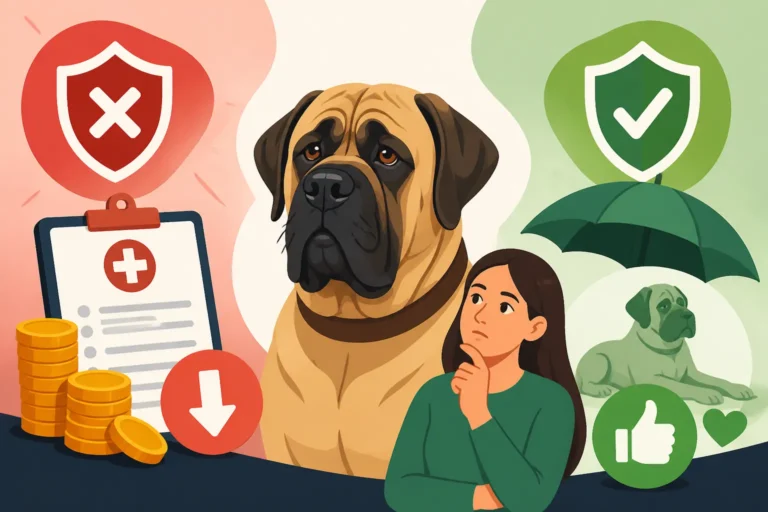
The tricky part comes at renewal. If your Mastiff develops a new condition during a policy period and you make a claim for it, that condition then becomes a pre-existing condition for any future policy periods. For example, if your Mastiff develops arthritis at age six and you claim for it, when your policy renews the following year, that arthritis may be explicitly excluded from future coverage. This is a crucial distinction: the existing policy covered it, but the new policy (at renewal) may no longer. This can certainly feel like shortened coverage, even if it's technically a new policy term with updated exclusions.
It's vital to read your policy documents carefully, especially the section on pre-existing conditions and how they are handled at renewal. Some policies might have clauses that, after a certain period of being symptom-free, a previously claimed condition might be re-evaluated, but this is rare and highly specific.
Table: Common Ways Mastiff Insurance Coverage "Changes" Over Time
| Aspect of Coverage | Impact on Mastiff Owners | What it Feels Like |
|---|---|---|
| Premium Cost | Significantly increases with age, especially after multiple claims. | "They're pricing me out!" |
| Pre-existing Conditions | Any condition diagnosed or shown symptoms before policy start or during a previous policy period (and claimed) will be excluded from future policies at renewal. | "They stopped covering his arthritis!" |
| Annual Limits | May remain the same, but high costs of Mastiff care can exhaust them faster. | "We hit our limit too quickly." |
| Breed-Specific Exclusions | Rare in good policies, but some insurers may have blanket exclusions for common giant breed issues if not established before policy inception. | "They won't cover bloat surgery!" (This would be if bloat was pre-existing or if it was explicitly excluded by breed-specific policy terms from the start, which is uncommon for general accident/illness policies.) |
| Policy Non-Renewal | Very rare, but an insurer could choose not to renew a policy if the risk becomes too high. | "They dropped us!" |
No Age Caps on Existing Policies (Usually)
Most reputable pet insurance companies, once you've enrolled your Mastiff, will continue to offer coverage for the dog's lifetime, regardless of how old they get. They won't suddenly impose an age limit and cancel your policy just because your Mastiff hits, say, eight years old. What they will do is adjust the premiums and possibly add exclusions at renewal for conditions that have become pre-existing.
For example, a company like Healthy Paws is known for its comprehensive coverage and aims to cover conditions for the lifetime of the pet, provided the condition isn't pre-existing when you first enroll. However, the price you pay will undoubtedly increase as your beloved Mastiff ages.
Navigating the Maze: Choosing and Maintaining Coverage
Given these dynamics, it's clear that insuring a Mastiff requires careful consideration and proactive management. It’s not a "set it and forget it" kind of task.
Enroll Early: The Golden Rule
The single most important piece of advice for insuring a Mastiff is to enroll them as early as possible. Ideally, you should get insurance when your Mastiff puppy is still very young, typically after their initial vaccination series (often around 8-10 weeks) and before they show any signs of any health issues.
Why? Because of the pre-existing condition clause. If you wait until your Mastiff starts showing signs of hip dysplasia, for example, then Whether Pet Insurance Covers a Mastiff's Elbows or hips becomes a much harder question, and it's almost certain it won't be covered if symptoms appeared before enrollment. Getting coverage while they are a healthy puppy maximizes the chances that future conditions will be covered. This includes common issues like certain eye conditions; you wouldn't want to find out Whether Insurance Excludes a Mastiff's Eyes later because of a delay in coverage.
Read the Fine Print, Every Year
Your pet insurance policy is a contract, and it's crucial to understand what you're agreeing to. Don't just skim the summary. Pay close attention to:
- Waiting Periods: Most policies have waiting periods (e.g., 14 days for illness, 6 months for orthopedic conditions) before coverage kicks in.
- Exclusions: What specifically isn't covered? Beyond pre-existing conditions, some policies might exclude certain elective procedures, grooming, or behavioral treatments.
- Renewal Terms: Understand how premiums are calculated and how new exclusions are applied at renewal.
Every year, when your policy comes up for renewal, review the updated terms. Don's just assume it's the same. This is your opportunity to understand any changes in premiums or exclusions that might affect your Mastiff's ongoing care.
Consider a High Annual Limit
Given the potential cost of Mastiff health issues – like an emergency bloat surgery or long-term treatment for cancer – opting for a policy with a high annual limit, or even unlimited annual coverage, can be a wise investment. The Mastiff's Short Life Buys the Biggest Bills, and those bills can quickly exceed standard limits. This foresight can prevent you from facing difficult financial decisions down the line.
Explore Different Providers
Not all pet insurance companies are created equal, especially when it comes to giant breeds. Take the time to research and compare policies from various providers.
- Healthy Paws is often lauded for its comprehensive, unlimited annual coverage, which can be particularly attractive for Mastiff owners concerned about hitting limits.
- Websites like Chewy sometimes offer comparisons of different pet insurance plans, or you can find direct links to various providers through their platforms, which can be a good starting point for research.
- Look for reviews from other giant breed owners to see their experiences with different insurers. What might work well for a Chihuahua might not be ideal for a Mastiff.
Remember, while dietary choices like those offered by Ollie can contribute to overall health and potentially reduce some health issues, general pet insurance typically does not cover food costs, even specialized prescription diets, unless it's part of a covered treatment protocol. Always verify specifics with your insurer if you're considering special diets for health reasons.
When Coverage Feels Insufficient: Planning for the Inevitable
Even with the best insurance, there may come a time when the premiums are incredibly high, or certain conditions are no longer covered. This is the difficult reality of owning a beloved, short-lived giant.
Building an Emergency Fund
Alongside pet insurance, maintaining a dedicated emergency fund for your Mastiff is a prudent financial strategy. This fund can cover deductibles, co-pays, treatments for pre-existing conditions not covered by insurance, or procedures that exceed your annual limits. For a Mastiff, an emergency vet visit, especially overnight, can quickly rack up thousands of dollars. Having liquid funds available can be a huge relief.
Discussing End-of-Life Care
As your Mastiff enters their senior years, the conversation about their quality of life and eventual end-of-life care becomes paramount. Insurance often covers palliative care and diagnostics for conditions like Degenerative Myelopathy in a Mastiff or What Degenerative Myelopathy Does to a Mastiff up to the policy limits, but it’s important to understand what is covered for hospice care or euthanasia. Making the Decision for an Old Mastiff is never easy, and understanding the financial aspects beforehand can lighten one burden during an incredibly difficult time.
In conclusion, while pet insurers don't typically "shorten" existing coverage on a Mastiff mid-policy, they do adjust to the realities of an aging giant breed through rising premiums and exclusions for new pre-existing conditions at renewal. The key for Mastiff owners is to enroll early, understand your policy thoroughly, and proactively plan for the substantial costs that come with loving these incredible, but often medically complex, dogs.
Disclaimer
This article is for general informational purposes only and does not constitute professional advice. Laws, prices and regulations vary by location and change over time. Consult a qualified professional for guidance on your specific situation.