What Anesthesia Costs on a Mastiff
The moment your beloved Mastiff needs surgery, a wave of anxieties crashes over you. Beyond the worry for their health, many owners face immediate stress about the practical side, specifically what anesthesia costs for a dog of such immense size. This guide will walk you through the many factors that contribute to the price of anesthesia for your Mastiff, helping you understand why the bill might be heftier than expected and how to prepare.
Why Anesthesia on a Mastiff Is Different
Let's be real: a Mastiff isn't just a big dog; it's a massive dog. This isn't just about their impressive stature; it fundamentally changes the approach to veterinary care, particularly when it comes to anesthesia. The scale of their anatomy, coupled with certain breed predispositions, means that a Mastiff's anesthetic procedure is often more complex and resource-intensive than for smaller breeds. It’s never a simple one-size-fits-all situation.
The Sheer Logistics of Size
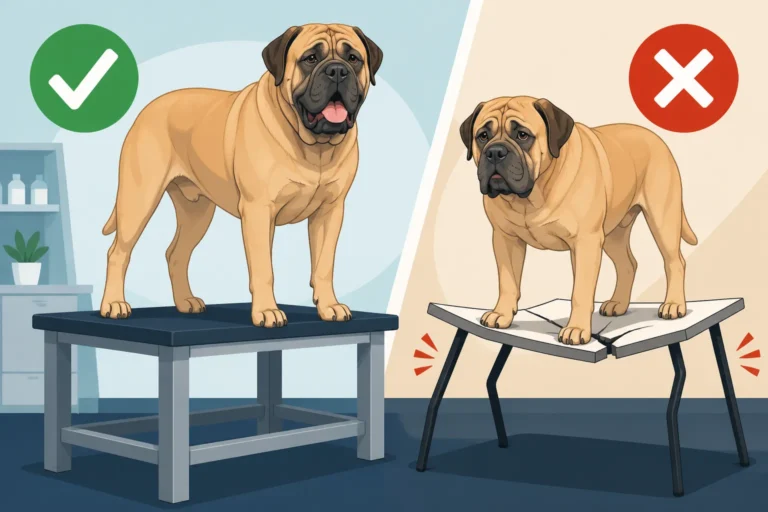
Imagine a 200-pound dog needing to be moved from an exam table to a surgical suite, or hoisted onto an X-ray table. The sheer physical logistics are a significant part of why Mastiff care differs. Specialized equipment, like larger lifting tables, reinforced gurneys, and even extra personnel, are often required just to safely handle them. This isn't just about the patient's comfort; it's about staff safety and preventing further injury to your dog.
Administering anesthesia itself requires larger doses of medications, which, while dosed by lean weight, still means more product used. Every step, from induction to maintaining a stable plane of anesthesia, is amplified by their body mass. Monitoring them also needs robust equipment capable of accurately reading vital signs in a creature with such a large chest cavity. This is why How Much Anesthetic a Two Hundred Pound Mastiff Takes is such a crucial consideration.
Breed-Specific Sensitivities and Risks
Beyond their size, Mastiffs, like many giant breeds, can have unique physiological traits that increase anesthetic risk. Their deep chests, while magnificent, can contribute to respiratory challenges. They can also be more prone to certain cardiac issues, making careful pre-anesthetic screening essential. Some Mastiffs may also have a slower metabolism, which can affect how they process anesthetic drugs, potentially prolonging recovery.
It's not just about avoiding general risks; it’s about acknowledging and mitigating risks specific to the breed. This is why many vets approach anesthesia for a Mastiff with an extra layer of caution and preparation, which can naturally increase the cost of the procedure. Understanding Why Anesthesia Is Riskier in a Mastiff is key for any Mastiff owner.
Longer Recovery Times
A larger dog often means a longer recovery. Anesthetic drugs take longer to clear from their system, and their sheer mass can make them less agile and more prone to complications like hypothermia during the initial recovery phase. This necessitates extended monitoring in the clinic, often requiring dedicated staff to watch them closely as they slowly regain full consciousness and mobility.
Think about it: a small terrier might be up and wagging its tail within an hour, but a Mastiff might need several hours, or even overnight observation, to ensure they're safely on their feet and fully alert. This extended post-operative care, while vital for their safety, is another contributing factor to the overall cost.
Factors Influencing Anesthesia Costs
The final bill for anesthesia isn't just a flat rate; it's a complex calculation based on several intertwined factors. Understanding these elements can help you anticipate expenses and discuss options with your veterinary team. It’s not just about the drugs themselves, but the entire support system built around ensuring your Mastiff’s safety.
Type and Duration of Procedure
The specific surgery or diagnostic procedure your Mastiff is undergoing will heavily influence the cost of anesthesia. A quick dental cleaning, for example, requires a shorter anesthetic time and typically less complex monitoring than a major orthopedic surgery or an emergency procedure like bloat surgery. Longer procedures mean more anesthetic drugs are used, and more hours of intensive monitoring are needed.
Consider the difference in complexity: a minor growth removal might be a half-hour under anesthesia, whereas a cruciate ligament repair could be two or three hours. Each additional minute under anesthesia requires continued vigilance, medication flow, and the presence of skilled personnel, all of which contribute to the escalating cost.
Clinic Type and Location
Just like human healthcare, veterinary costs can vary significantly based on where you live and the type of facility providing care. A small, rural practice might have different overheads and pricing structures than a large, multi-specialty animal hospital in a metropolitan area. Similarly, a board-certified veterinary anesthesiologist, often found in referral hospitals, will command a higher fee for their specialized expertise.
The equipment available in these facilities also plays a role. A clinic with state-of-the-art monitoring devices, dedicated recovery rooms for giant breeds, and specialized staff trained in advanced anesthesia techniques will naturally have higher operating costs, which are reflected in their service fees. Sometimes, for complex procedures or high-risk patients, Which Surgeries a Mastiff Needs a Specialist For can be a cost driver.
Monitoring Equipment and Staffing
This is perhaps one of the most critical, yet often overlooked, cost components. Administering anesthesia is only half the battle; the real work lies in continuous, meticulous monitoring. For a Mastiff, this means an array of equipment: ECG, pulse oximetry, blood pressure monitors, capnography (to measure CO2 levels), and temperature regulation devices. These aren't just gadgets; they provide real-time data that allows the veterinary team to adjust anesthetic levels and intervene instantly if complications arise.
Furthermore, a dedicated veterinary technician, or even two for a giant breed, is often assigned solely to monitor the patient throughout the procedure and into recovery. Their continuous presence, expertise in reading the subtle signs of anesthetic depth and physiological changes, and their ability to act quickly are invaluable. This human resource, combined with sophisticated machinery, adds a substantial amount to the anesthesia portion of the bill.
What's Included in the Anesthesia Bill
When you receive the final invoice, the "anesthesia" line item isn't just for a single injection. It's a comprehensive charge that encompasses a wide range of medications, equipment usage, and highly skilled labor. Breaking down what’s typically included can help demystify the cost.
Medication and Administration
The obvious component is the drugs themselves. This includes pre-sedatives or pre-medications to help relax your Mastiff before the main anesthetic agent, pain management drugs, the induction agent to put them to sleep, and the gas anesthesia (isoflurane or sevoflurane) used to maintain them throughout the procedure. For a dog that can easily outweigh an adult human, these dosages are significantly larger, increasing the cost of the pharmaceuticals.
Beyond the drugs, there's the cost of the supplies for administration: IV catheters, IV fluids to maintain blood pressure and hydration, syringes, needles, and specialized equipment like anesthetic machines and ventilators if needed. These items, though seemingly small, add up, especially when considering the volume needed for a giant breed.
Monitoring and Support
This is where a significant portion of the cost resides and where quality veterinary care truly shines. As discussed, constant monitoring of heart rate, rhythm, blood pressure, oxygen saturation, carbon dioxide levels, and body temperature is critical. The bill includes the use of all the sophisticated equipment that provides these readings.
Equally important is the human element: the skilled veterinary technician or nurse whose sole job is to sit with your Mastiff, interpret those readings, and assist the veterinarian with adjustments. This dedicated, one-on-one attention ensures your Mastiff's safety throughout the entire process, from the moment they are sedated until they are awake and stable. What Post Surgical Monitoring Costs on a Mastiff highlights the importance of this phase.
Post-Procedure Care
The anesthetic journey doesn't end when the surgery is over. Recovery is a critical period. Your Mastiff will likely receive continued intravenous fluids, pain medication, and potentially anti-nausea medication. They will be kept warm, comfortable, and observed closely until they are fully alert and mobile enough to go home or be transferred to a general ward if staying overnight.
For a Mastiff, this recovery period can be longer and more labor-intensive. Staff may need to assist them to stand, offer water, and manage any disorientation or discomfort that arises as the anesthesia wears off. This dedicated post-operative nursing care ensures a smooth and safe transition back to consciousness, and these services are factored into the overall anesthesia charge.
Pre-Anesthetic Work-Up: A Crucial Investment
Before any anesthetic procedure, a thorough pre-anesthetic work-up is not just good practice; it's absolutely vital for a Mastiff. This preparatory phase is designed to assess your dog's overall health, identify any underlying conditions that could increase anesthetic risk, and allow the veterinary team to tailor an anesthetic protocol specifically for them. While these tests add to the upfront cost, they are an investment in your Mastiff's safety.
Bloodwork and Diagnostics
A comprehensive blood panel is typically the first step. This includes a complete blood count (CBC) to check for anemia, infection, or inflammation, and a chemistry panel to assess organ function, particularly the kidneys and liver, which are responsible for processing and eliminating anesthetic drugs. Any abnormalities can alert the vet to potential risks or necessitate a change in the anesthetic plan.
For a Mastiff, these tests might be more extensive or repeated if initial results are concerning. Some clinics might also recommend urinalysis or other specialized tests depending on your dog's age, medical history, or the nature of the upcoming procedure. This is precisely why asking Whether a Mastiff Needs Pre Anesthetic Bloodwork always gets a resounding "yes" from responsible vets.
Cardiac Screening
Given the prevalence of certain heart conditions in giant breeds, a pre-anesthetic cardiac screen is often a non-negotiable step for Mastiffs. This can range from a veterinarian listening carefully for murmurs (auscultation) to a more in-depth electrocardiogram (ECG) to assess heart rhythm, or even a cardiac ultrasound (echocardiogram) to evaluate heart structure and function.
Identifying an undiagnosed heart condition before anesthesia can literally be life-saving. If a problem is detected, the veterinary team can adjust the choice of anesthetic drugs, modify the monitoring protocol, or even postpone the procedure until the cardiac issue can be managed. This highlights why inquiring Whether a Mastiff Needs a Cardiac Exam is so important.
Tailoring the Anesthesia Plan
Armed with the results of the pre-anesthetic work-up, the veterinary team can create a highly individualized anesthesia plan for your Mastiff. This bespoke approach minimizes risks by selecting the safest combination of drugs, determining precise dosages, and preparing for any potential complications. It's not about generic care; it's about optimizing safety for your specific dog.
This might mean choosing drugs that are primarily metabolized by the kidneys if the liver shows signs of compromise, or opting for a specific pain management strategy if your Mastiff has pre-existing orthopedic issues. This careful planning, based on thorough diagnostics, is a crucial part of the overall cost and an invaluable component of responsible Mastiff care.
Navigating Anesthesia with Pet Insurance
For many Mastiff owners, the idea of a sudden, large veterinary bill, especially one involving anesthesia for an unexpected surgery, can be daunting. This is where pet insurance can be a true lifeline, transforming a potential financial crisis into a manageable expense. It’s an option worth exploring from the moment you bring your Mastiff home.
Coverage for Anesthetic Procedures
Most comprehensive pet insurance policies will cover a significant portion of the costs associated with anesthesia and the underlying surgical procedure, provided it's for an accidental injury or an illness that isn't a pre-existing condition. This means if your Mastiff suddenly needs surgery for something like a foreign body removal, or a major orthopedic repair, the anesthetic component of that bill would typically be covered.
However, it's crucial to understand your specific policy's terms. Some policies might have limits on certain procedures or specific breed exclusions, though reputable providers like Healthy Paws generally offer broad coverage for accidents and illnesses. Always review the fine print or call your insurer to confirm what is covered, especially for major surgical events, and before your Mastiff becomes old enough that Whether Mastiff Premiums Climb After Four becomes a real concern.
Understanding Deductibles and Reimbursements
Before pet insurance kicks in, you'll need to meet your policy's deductible. This is the amount you pay out of pocket before your insurer starts reimbursing you. Once the deductible is met, the insurance company will reimburse a percentage of the covered veterinary costs, typically 70-90%. So, while insurance won't pay for everything, it can drastically reduce your financial burden.
For example, if your Mastiff's anesthesia and surgery bill is substantial, say, several thousand dollars, and you have a $500 deductible with a 90% reimbursement rate, you could be saving a significant amount. This structure makes potentially prohibitive costs much more accessible, ensuring your Mastiff gets the care they need without you having to choose between their health and your savings.
Comparing Policies
Not all pet insurance policies are created equal, especially when it comes to a giant breed with a shorter lifespan and propensity for certain health issues. When comparing options, look closely at:
- Annual limits: Is there a cap on how much they will pay out per year?
- Deductible options: Can you choose a higher deductible for lower monthly premiums, or vice-versa?
- Reimbursement percentage: What percentage of the bill will they cover?
- Waiting periods: How long before coverage for accidents or illnesses begins?
- Coverage for hereditary conditions: Does the policy cover common Mastiff issues like hip or elbow dysplasia, or bloat? This is critical, as conditions like Whether Pet Insurance Covers a Mastiff's Elbows are common worries.
Companies like Healthy Paws often get good reviews for comprehensive coverage, but it’s always best to get multiple quotes and compare plans. The peace of mind that comes from knowing you’re financially prepared for unexpected medical needs is truly priceless, especially when you consider The Mastiff's Short Life Buys the Biggest Bills.
Budgeting for Unexpected Anesthetic Procedures
Even with the best intentions and meticulous health planning, emergencies happen. A Mastiff, with their playful nature and robust size, can find themselves in situations requiring immediate surgical intervention, and thus, anesthesia. Having a strategy for these unexpected costs can make all the difference during a stressful time.
Emergency Situations
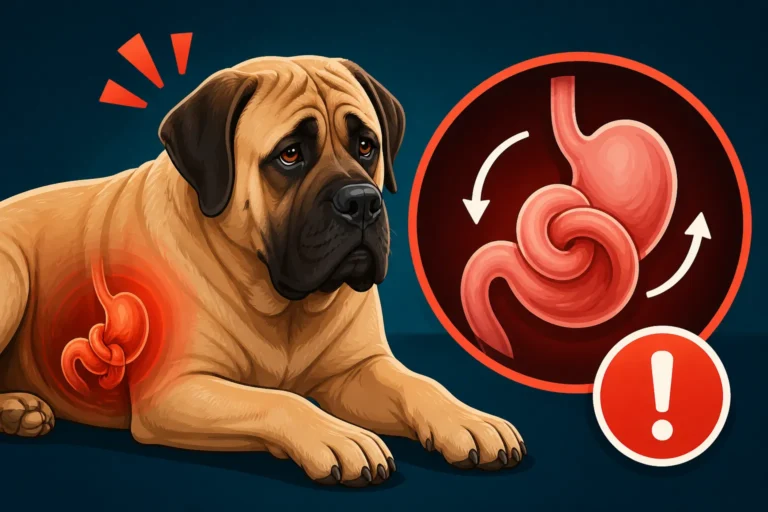
An emergency vet visit for a Mastiff is almost always going to be more expensive than a routine check-up, and if anesthesia is involved, the costs escalate rapidly. Think of conditions like Gastric Dilatation-Volvulus (bloat), which requires immediate, life-saving surgery under general anesthesia. These situations often occur overnight or on weekends, incurring emergency and after-hours fees on top of everything else.
In these critical moments, you don't want to be making decisions based solely on cost. Having a financial cushion, whether through pet insurance or a dedicated savings fund, allows you to focus on getting your Mastiff the urgent care they need. The ability of How a Clinic Moves a Collapsed Mastiff and their readiness for giant emergencies speaks volumes about their capability and cost structure.
Payment Plans and Financial Aid
If you find yourself facing an unexpected, significant vet bill for an anesthetic procedure and don't have insurance or sufficient savings, don't despair. Many veterinary clinics understand these challenges and offer various solutions. Many clinics work with third-party payment options that provide interest-free or low-interest financing plans, allowing you to pay off the balance over time.
Additionally, there are numerous animal welfare organizations and charities that offer financial assistance for veterinary emergencies. While these often have eligibility requirements and limited funds, they can be a vital resource for owners in dire situations. It never hurts to ask your vet clinic about available options; they often have knowledge of local and national programs.
The Value of a Contingency Fund
Beyond pet insurance, building a dedicated "Mastiff emergency fund" is a fantastic idea. Even if you have insurance, it can help cover deductibles, co-pays, and procedures that might not be fully covered. Aim to set aside a certain amount each month, perhaps the equivalent of what you might spend on a subscription box or a few cups of coffee.
This fund can grow over time, providing a safety net for everything from routine but expensive procedures, like What Sedation Adds to a Mastiff's Dental Bill, to truly unforeseen emergencies. Having this financial buffer means you can say "yes" to the best possible care for your Mastiff without the added stress of scrambling for funds. Companies like Chewy and Ollie make it easy to manage your recurring pet supply needs, freeing up mental space to consider saving for the unexpected.
Comparative Costs: Mastiffs vs. Smaller Breeds
To truly grasp the financial implications, it's helpful to see how anesthesia costs for a Mastiff compare to those for smaller dogs. While exact figures are avoided, the proportional difference is what really matters. This comparison isn't meant to deter you but to provide a realistic perspective on owning a giant breed.
Dose-Dependent Differences
The most straightforward difference is the medication. Anesthetic drugs are typically dosed by weight (often lean body weight), and a Mastiff is simply going to require more milliliters or milligrams of every single drug in the protocol. From pre-sedatives to induction agents and maintenance gas, the volume needed for a 200-pound Mastiff far surpasses that for a 20-pound Beagle.
This isn't just a linear increase; sometimes, certain drugs have minimum concentrations, and scaling up to a Mastiff's size can mean jumping into a higher price bracket for the amount of medication required. Therefore, the cost of the actual drugs alone can be several times higher for a Mastiff than for a toy breed.
Equipment and Resource Demands
As mentioned earlier, the equipment needed to safely manage a Mastiff under anesthesia often has to be larger, more robust, or specialized. Larger breathing circuits, more powerful ventilators (if used), and even simple things like more blankets to maintain body temperature for such a large surface area all contribute. For a smaller dog, standard equipment usually suffices.
Furthermore, the personnel required can also differ. A smaller dog might be handled by one vet tech for monitoring, but a Mastiff might necessitate two, or a vet and a tech working in tandem, especially during induction and recovery. This increased demand on skilled human resources directly translates to higher labor costs factored into the overall bill.
Potential for Complications
While complications can arise with any dog, a Mastiff's size and breed predispositions can mean that if complications do occur, they can be more challenging and expensive to manage. For instance, if a Mastiff experiences respiratory depression, the effort and resources needed to support their massive lungs will be greater than for a smaller dog.
The larger their mass, the more significant the impact of any adverse reaction, requiring more aggressive intervention, longer hospital stays, and potentially specialized care, all of which add to the final cost. This is why the comprehensive pre-anesthetic work-up is so vital, aiming to minimize these risks from the outset.
Planning for Your Mastiff's Future Health
Taking on a Mastiff means accepting a commitment that extends beyond daily walks and belly rubs. It's a commitment to their health, which, given their size and lifespan, often comes with significant financial implications. Proactive planning is your best friend when it comes to managing these costs.
Regular Vet Visits and Preventative Care
The best way to mitigate high emergency anesthesia costs is to keep your Mastiff as healthy as possible through regular preventative care. Annual or biannual vet check-ups can catch potential issues early, before they escalate into emergencies requiring extensive procedures. Staying up-to-date on vaccinations, parasite control, and dental hygiene can prevent many common ailments.
During these visits, discuss any changes in your Mastiff's behavior, appetite, or mobility with your vet. Early detection of conditions like arthritis or cardiac issues can mean managing them medically, potentially delaying or even avoiding the need for more invasive, and thus more expensive, interventions involving anesthesia. Remember, a stitch in time saves nine, especially with a Mastiff.
Smart Nutrition and Weight Management
A healthy diet and maintaining an ideal lean body weight are paramount for a Mastiff. Overweight Mastiffs are at increased risk for joint problems, cardiac stress, and a host of other health issues that can necessitate medical or surgical intervention. Feeding a high-quality, giant breed specific diet, potentially from brands like Ollie, and carefully controlling portion sizes can make a huge difference.
Discuss your Mastiff's ideal weight with your veterinarian and strive to keep them lean. This reduces strain on their joints, improves cardiovascular health, and can even contribute to a longer, healthier life, potentially reducing the frequency of costly medical procedures. Why a Mastiff Is Dosed by Lean Weight and Not Scale Weight reinforces this point.
Understanding Your Breed's Predispositions
Educating yourself about common health issues in Mastiffs is crucial for proactive care. Knowing that they are predisposed to conditions like hip and elbow dysplasia, bloat, and certain cancers means you can be vigilant for early signs and discuss preventative measures with your vet. For instance, understanding Bloat in the Deepest Chest of Any Breed: the Mastiff allows you to be prepared for an emergency.
This knowledge empowers you to ask informed questions during vet visits, make appropriate lifestyle choices (like controlled exercise for puppies to prevent joint issues), and even consider preventative surgeries like gastropexy, which can significantly reduce the risk of bloat. Being proactive rather than reactive is always more cost-effective and, more importantly, better for your Mastiff's well-being.
Anesthesia Costs for a Mastiff: A Breakdown
To summarize, here's a table illustrating the key factors that contribute to the higher cost of anesthesia for a Mastiff compared to a smaller dog.
| Factor | Impact on Smaller Breeds | Impact on Mastiffs | Cost Implication for Mastiffs |
|---|---|---|---|
| Medication Dosage | Relatively small volumes, lower drug cost | Significantly larger volumes, higher drug cost | Substantial increase |
| Equipment Needs | Standard veterinary equipment sufficient | Often requires specialized, larger, or reinforced equipment | Moderate to high increase |
| Monitoring Intensity | Routine monitoring by one tech typically sufficient | Dedicated 1-2 techs, longer hours, advanced monitors often preferred | Significant increase |
| Recovery Time | Generally quicker, less intensive post-op care | Longer, more supervised, potentially overnight observation required | Moderate to high increase |
| Logistical Handling | Easily managed by one person | Requires multiple staff members, lifting aids, larger spaces | Moderate increase |
| Breed-Specific Risks | Lower prevalence of giant breed specific issues | Higher risk for cardiac, orthopedic, respiratory issues requiring extra precautions | Potential increase |
| Pre-Anesthetic Work-up | Standard blood panel, basic exam | More extensive diagnostics, cardiac screening often recommended | Moderate increase |
| Emergency Surcharge | Standard emergency rates | Standard emergency rates + complications of size | Can be very high |
Disclaimer
This article is for general informational purposes only and does not constitute professional advice. Laws, prices and regulations vary by location and change over time. Consult a qualified professional for guidance on your specific situation.