What the Mastiff PRA and Cystinuria DNA Tests Cost
Bringing a Mastiff into your life is an unparalleled joy, but it also comes with a significant responsibility, especially when it comes to their health. One of the biggest worries many Mastiff owners face, or potential owners grapple with, is the unknown lurking in their beloved giant's genetics. Knowing whether your Mastiff carries genes for serious conditions like Progressive Retinal Atrophy (PRA) or Cystinuria Type III isn't just about curiosity; it's about peace of mind, proactive care, and making responsible choices. This guide aims to thoroughly explore what these crucial DNA tests entail, focusing on the financial aspect, so you can make informed decisions for your big, beautiful companion.
Understanding Progressive Retinal Atrophy PRA in Mastiffs
It's heartbreaking to imagine your giant, gentle Mastiff slowly losing its sight, bumping into furniture, and eventually navigating a world of darkness. This isn't just a hypothetical fear; it's a very real concern for Mastiff owners, as Progressive Retinal Atrophy (PRA) is a significant genetic issue in the breed. Understanding this condition is the first step toward appreciating why DNA testing holds such immense value.
The Genetic Basis of Mastiff PRA
Progressive Retinal Atrophy isn't just one disease; it's a blanket term for a group of inherited disorders that cause the retina, the light-sensitive tissue at the back of the eye, to gradually degenerate. Think of it like the film in an old camera slowly fading until it can no longer capture an image. In Mastiffs, we're particularly concerned about forms of PRA where vision loss progresses over time, leading to eventual blindness. What makes it especially tricky, and frankly, quite scary, is that it's often inherited in a dominant fashion. This means that if a Mastiff inherits just one copy of the affected gene from either parent, it can develop the condition. This differs from recessive conditions where two copies are needed. For breeders, this has huge implications because Why Mastiff Retinal Atrophy Needs Only One Copy of the Gene is a stark reality. If one parent carries that dominant gene, there's a significant chance it will pass on the propensity for PRA to its offspring. This is exactly How Dominant Inheritance Works in Mastiff PRA and why understanding the genetic background of both parents is so incredibly vital.
Imagine the crushing weight of watching your once confident, exploring Mastiff become hesitant, bumping into familiar objects, or startled by sudden movements because its world is fading. The journey from diagnosis to complete blindness can be a long one, filled with adjustments for both dog and owner. It's a progressive, irreversible condition, meaning there's no cure, only management and adaptation. The emotional toll alone can be immense, not to mention the practical challenges of caring for a blind giant breed dog. This deep impact is precisely why knowing a dog's genetic status before breeding or even before bringing a puppy home can prevent so much heartache and difficulty down the road. It offers the chance to make truly ethical and informed decisions for the future of the breed and for individual dogs.
Why Testing for PRA is Essential
For potential Mastiff owners, learning about the risk of PRA through genetic testing can be an absolute game-changer. If you know your Mastiff puppy has a genetic predisposition, you can start planning early. This might involve creating a consistent home environment, avoiding rearranging furniture, and teaching verbal cues to help your dog navigate as its vision declines. Knowing ahead of time, even if it's daunting, allows you to cherish every moment of your Mastiff's sight and prepare for the eventual changes. It gives you the power to be proactive rather than reactive, making the transition as smooth and stress-free as possible for your beloved companion. You can read more about The Age a Mastiff's Vision Starts to Go in another one of our articles.
From a breeder's perspective, DNA testing for PRA isn't just essential; it's a fundamental responsibility. Knowing the genetic status of your breeding stock is paramount to ensuring you're not inadvertently perpetuating a debilitating disease within the breed. With dominant inheritance, as we've discussed, Why One Affected Mastiff Parent Is Enough to pass the trait on, making responsible testing non-negotiable. Breeders who test can confidently assure prospective owners about the health lineage of their puppies, offering transparency and trust. The initial investment in testing is minimal when compared to the emotional and financial burden of an owner discovering their Mastiff is going blind years down the line, and potentially having to return the dog or bear significant ongoing costs. It ensures the longevity and health of the breed as a whole, rather than simply focusing on individual litters. This commitment to testing is a hallmark of an ethical and reputable breeder, prioritizing the health and future of their dogs above all else.
Deciphering Cystinuria Type III in Mastiffs
Beyond vision issues, another serious, often life-threatening genetic concern in Mastiffs is Cystinuria Type III. While less visually obvious than PRA, this condition carries its own heavy burden of pain, emergencies, and significant veterinary costs. It's a silent threat that can strike suddenly and demand immediate, expensive intervention.
What Cystinuria Type III Means for Your Mastiff
Cystinuria Type III is a genetic metabolic disorder that affects the kidneys' ability to reabsorb certain amino acids, including cystine. Instead of being reabsorbed, these amino acids are excreted in excessive amounts in the urine, where they can form crystals and, eventually, painful stones. These cystine stones can develop in the kidneys, ureters, or bladder. While any dog can get stones, Cystinuria Type III in Mastiffs is unique because it's largely an androgen-dependent condition, meaning it's almost exclusively seen in intact male Mastiffs. This is why our article Why Only Intact Male Mastiffs Form Cystine Stones dives deep into the specific physiological reasons behind this.
The real danger, and the source of immense owner anxiety, comes when these stones migrate and cause a urinary blockage. An intact male Mastiff with a complete urethral obstruction is a medical emergency that requires immediate veterinary attention. Imagine your large, stoic dog suddenly straining to urinate, showing signs of extreme discomfort, and perhaps even vomiting. This is a critical situation because, without the ability to pass urine, toxins rapidly build up in the bloodstream, leading to kidney failure and, if not treated swiftly, death. The phrase The Hours a Blocked Male Mastiff Has isn't an exaggeration; it truly can be a matter of life and death, requiring emergency surgery that carries its own risks and costs. You can learn more about What Cystinuria Type III Does to a Mastiff in detail through our other resources. This is not a condition you want to discover by accident in the emergency room.
The Importance of Screening for Cystinuria
Given the severe, life-threatening nature of urinary blockages in intact male Mastiffs with Cystinuria Type III, DNA testing is an incredibly valuable tool for both breeders and pet owners. For breeders, identifying carriers or affected individuals within their breeding lines is crucial for making informed decisions to reduce or eliminate the prevalence of this devastating condition. By understanding which dogs carry the gene, they can make mating choices that avoid producing affected puppies, thereby improving the overall health of the Mastiff population. This proactive approach saves future generations of dogs and their owners from immense suffering and financial strain.
For pet owners, particularly those with intact male Mastiffs, knowing their dog's genetic status for Cystinuria Type III can literally be a lifesaver. If your Mastiff tests positive, you can work closely with your veterinarian to implement preventative strategies. This might include dietary modifications, increased water intake to dilute urine, and regular urinalysis to monitor for cystine crystals before they develop into stones. The financial implications are stark: the cost of a DNA test, while an investment, pales in comparison to the emergency veterinary bills for an overnight urinary blockage surgery, which can be astronomically high for a giant breed dog due to the increased anesthesia and medication dosages required. It’s an ounce of prevention that is truly worth a pound of cure, allowing you to manage the condition proactively and prevent a crisis that could otherwise cost thousands and, heartbreakingly, your dog's life.
The Cost Components of Genetic DNA Testing
So, you're convinced that genetic testing for PRA and Cystinuria Type III is a worthwhile investment for your Mastiff. But what exactly are you paying for? Understanding the breakdown of costs can help you navigate the options and avoid any surprises. It's not just about the sticker price; it's about what that price includes and what might be extra.
Breakdown of Testing Fees
When you look at genetic testing, the primary cost is for the test itself, which covers the sample collection kit, the laboratory analysis, and the final results report. The cost can vary significantly depending on whether you opt for a single-gene test or a more comprehensive breed-specific panel that includes multiple conditions relevant to Mastiffs. For instance, some companies might offer a standalone test for PRA or Cystinuria, while others might bundle them into a "Mastiff Health Panel" that also screens for conditions like Degenerative Myelopathy or certain cardiac markers. Generally, a comprehensive panel might have a higher upfront cost, but it often works out to be more economical per condition than buying multiple single tests individually. Think of it like buying in bulk; you pay more initially, but the unit cost is lower.
The actual laboratory processing is the most substantial part of the fee. This involves advanced genetic sequencing and analysis by trained technicians to accurately identify specific gene markers. Reputable labs invest heavily in state-of-the-art equipment and quality control, which contributes to their pricing. Beyond the lab work, the kit itself usually includes cheek swabs – sometimes two or four per dog – sterile packaging, and clear instructions for sample collection. It’s designed for easy at-home use, minimizing the need for a vet visit just for sample collection, which can save you a separate fee. Remember, the accuracy and reliability of the results are paramount, so choosing a well-regarded laboratory is key, even if it means a slightly higher fee.
Additional Costs to Consider
While many DNA test kits are designed for owner-collection at home, there are times when additional costs might crop up. The most common additional fee is shipping. While some companies include return shipping in their kit price, others might require you to pay for postage to send your dog's sample back to the lab. Given the time-sensitive nature of some samples, you might opt for expedited shipping, adding to the expense.
Another potential cost arises if you're not comfortable collecting the cheek swab yourself or if a breeder requires a veterinarian to certify the sample collection. In such cases, you'd incur a standard vet visit fee for the technician or veterinarian to perform the swabbing. This can vary widely depending on your local veterinary clinic's rates. While typically straightforward, this ensures proper sample integrity and chain of custody, which can be important for official breeding certifications.
Finally, while the test report itself is included, interpreting complex genetic results can sometimes warrant a follow-up consultation with your veterinarian or a genetic counselor, especially if you're a breeder or if the results are unexpected. This can involve an additional consultation fee. A good vet can help explain what a "carrier" status means, or the implications of "at risk" results, and discuss management strategies or breeding advice. This expert interpretation adds a layer of invaluable understanding beyond the raw data, ensuring you fully grasp the significance of your Mastiff's genetic profile.
Navigating Different DNA Test Providers and Their Offerings
Choosing a DNA test for your Mastiff can feel a bit like sifting through a stack of confusing medical brochures. There are several reputable companies out there, each with slightly different approaches and packages. It's important to understand what they offer so you can pick the best fit for your needs and your budget, always keeping in mind the critical health concerns like PRA and Cystinuria.
Popular DNA Testing Companies
When it comes to canine genetic testing, a few names consistently rise to the top. Companies like Embark, Wisdom Panel, and Paw Print Genetics are widely recognized and utilized by breeders and pet owners alike. Each has its strengths. For example, Embark is well-known for its comprehensive breed identification and extensive health screening panels, which often include a wide array of conditions relevant to Mastiffs, such as PRA and Cystinuria Type III. Many Mastiff owners find that Whether an Embark Panel Covers Mastiff PRA is a common question, and generally, the answer is yes, as these large panels aim for broad coverage. Wisdom Panel also offers extensive health screenings alongside breed identification, with different tiers of testing available. Paw Print Genetics, on the other hand, often specializes in single-gene tests or smaller, targeted breed-specific panels, which can be a good option if you're only concerned about one or two specific conditions.
These companies differentiate themselves not just by the sheer number of conditions they test for, but also by their reporting detail, customer support, and sometimes even by providing genetic counseling services. While we can't list specific prices here, you'll find that their offerings are typically structured to provide different levels of insight. Many also offer easy-to-use at-home collection kits, usually involving a simple cheek swab, making the process convenient for even the biggest, most reluctant Mastiff. You might even find some of these kits available through major online retailers like Chewy, making them easily accessible. It's worth visiting their respective websites to compare their current panels, as they often update their offerings.
Breeder vs. Pet Owner Testing Considerations
The choice of DNA test provider and package often boils down to whether you're a breeder or a pet owner, and what your specific goals are. For breeders, comprehensive panels are usually the preferred route. A responsible Mastiff breeder needs to understand the full genetic health profile of their breeding stock to make ethical mating decisions. This means screening for as many relevant genetic conditions as possible, not just PRA and Cystinuria. They are not just concerned about the health of one puppy, but about the future of their entire line and the breed as a whole. They often conduct these tests on parent dogs before breeding even occurs, using the results to select suitable mates, aiming to produce puppies that are genetically clear or at least not at risk for common, debilitating diseases. This is part of The CHIC Four Plus the DNA Stack Behind a Mastiff's Price, reflecting the investment in healthy genetics.
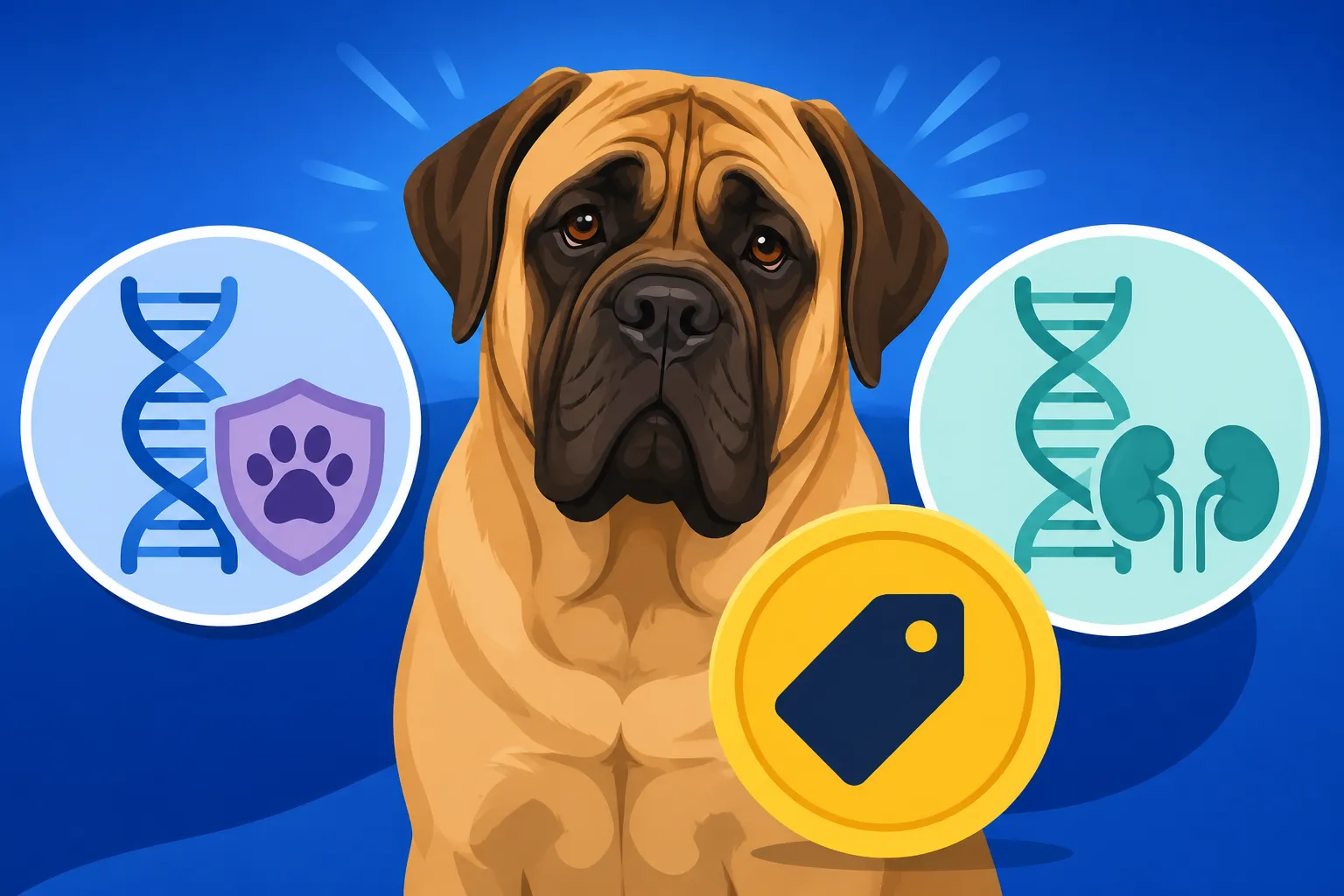
Pet owners, on the other hand, might have slightly different motivations. While some may opt for a full panel out of general curiosity and a desire for maximum insight into their Mastiff's health, others might target specific tests if they have a family history of a particular condition or a concern identified by their veterinarian. For example, if an intact male Mastiff shows early signs of urinary issues, a targeted Cystinuria test might be prioritized. Even if a puppy has been tested by the breeder, some owners might choose to conduct their own genetic screening later, perhaps for conditions that weren't included in the breeder's panel or simply for their own peace of mind. It’s also a way for new owners to confirm the health guarantees provided by their breeder. Regardless of whether you're a breeder or a pet owner, knowing What the Mastiff PRA Test Costs can help in budgeting for these important insights.
Maximizing Value and Understanding the Investment
When we talk about the cost of DNA tests for Mastiffs, it's easy to focus solely on the dollar amount. But truly understanding the value means looking beyond the immediate expense and considering the long-term implications, both financial and emotional. This isn't just another bill; it's an investment in your Mastiff's future and your peace of mind.
The Long-Term Financial and Emotional Payoff
Let's be brutally honest about the financial side of owning a Mastiff: they are expensive dogs. Their sheer size means higher costs for everything, from food (which could be a subscription service like Ollie for quality fresh meals, even though the volume might be challenging) to preventative medications, and especially veterinary care. As our article What the Mastiff's Weight Does to Every Line on the Vet Invoice makes abundantly clear, everything scales up with a giant breed. Emergency surgeries, particularly for something like a urinary blockage from Cystinuria Type III, can run into many thousands of dollars, often requiring specialized equipment and larger anesthetic doses. Similarly, managing a blind Mastiff could involve significant modifications to your home, specialty harnesses, and more frequent vet check-ups.
Now, compare that potential outlay to the cost of a DNA test. While not insignificant, it is typically a fraction of what you would pay for a single emergency surgery or ongoing treatment for a chronic genetic condition. The upfront investment in genetic testing acts as a powerful preventative measure, potentially saving you exorbitant future vet bills. Beyond the money, consider the emotional toll. The anxiety and heartbreak of dealing with a dog suffering from a preventable genetic disease are immeasurable. Knowing your Mastiff's genetic status allows for proactive care, early intervention, or informed breeding decisions, sparing both you and your beloved companion immense stress and suffering. It's truly an investment in their quality of life and your own preparedness. Even with pet insurance from providers like Healthy Paws, which can help with unexpected costs, preventing these issues through testing is always the ideal scenario.
Comparing Costs and Making Informed Decisions
To truly maximize the value of your DNA testing investment, it pays to do a little homework and compare what different providers offer. Don't just look at the headline price; delve into the details of their panels, the number of conditions covered, the types of reports provided, and any included support services.
Here's a handy table to help you compare key considerations when looking at different DNA testing options:
| Feature | Single Gene Test | Comprehensive Health Panel |
|---|---|---|
| Scope of Conditions | Targets one specific disease | Screens for many breed-specific conditions simultaneously |
| Typical Cost | Generally lower per test | Higher upfront, but often more cost-effective per condition |
| Breeder Recommendation | For targeted concerns or specific lineage checks | Essential for responsible breeding stock evaluation |
| Pet Owner Recommendation | If a specific concern is present or budget-limited | For broader peace of mind and full health insights |
| Included Support | Basic results report | Often includes detailed explanations, sometimes genetic counseling access |
| Turnaround Time | Can sometimes be quicker | Typically takes a few weeks, depending on lab volume |
| Sample Collection | Almost always at-home cheek swab | Almost always at-home cheek swab |
| Peace of Mind for Unknowns | Limited to specific gene tested | More extensive, covers broader potential risks |
When evaluating providers, check if they offer breed-specific packages for Mastiffs. These often bundle the most relevant genetic tests, like those for PRA and Cystinuria Type III, at a better rate than purchasing them individually. Keep an eye out for seasonal promotions or discounts, especially around holidays, which some companies offer. Breeders might also have access to professional discounts through breed clubs or larger order volumes, so it's always worth asking.
Ultimately, the decision comes down to what gives you the most confidence and peace of mind for your Mastiff. Whether you choose a single test or a comprehensive panel, the knowledge gained is invaluable. It empowers you to be the best advocate for your giant friend, ensuring they live the happiest, healthiest life possible, free from the shadow of preventable genetic diseases.
Disclaimer
This article is for general informational purposes only and does not constitute professional advice. Laws, prices and regulations vary by location and change over time. Consult a qualified professional for guidance on your specific situation.