Why Mastiffs Reach Rescue at Two
Many people adore the image of a cuddly Mastiff puppy, imagining a lifelong companion. However, the reality of raising one of these magnificent giants often clashes with expectations, leading to heartbreaking situations where these dogs end up in rescue. This guide delves into the complex and often overlooked reasons why Mastiffs frequently find themselves needing a new home around their second birthday.
The Myth of the Perpetual Puppy: When a Mastiff Hits Its Stride
That adorable, wrinkly Mastiff puppy you brought home? It's a fleeting phase. Mastiffs are one of the fastest-growing dog breeds, and by the age of two, most have reached their full, imposing size and are navigating the sometimes-awkward phase of canine adolescence. This transition is a major shock for many unprepared owners.
From Cuddly Puppy to Colossal Canine
When you first bring home an eight-week-old Mastiff puppy, it's a bundle of wrinkles, clumsy paws, and soft fur. It fits on your lap, and its playful nips are more endearing than alarming. But Mastiffs grow at an astonishing rate. They can gain several pounds a week in their first year, transforming from a small, manageable pup into a truly giant dog in what feels like the blink of an eye. The sheer volume of their growth is something that many first-time Mastiff owners simply aren't ready for.
By the time they hit a year old, they're often already pushing well over 100 pounds, and by two, a male can easily be topping 180-200 pounds, with females not far behind. This rapid transformation means that the window for training and socialization while they are still "liftable" and less intimidating closes much faster than with smaller breeds. The playful jump that was cute at 30 pounds is suddenly a dangerous lunge at 150 pounds. This dramatic change often catches owners completely off guard, leading to feelings of being overwhelmed. For more on this rapid development, consider how quickly a Mastiff puppy grows.
As a Mastiff transitions from puppyhood to young adulthood, their appearance also changes. The exaggerated wrinkles might settle, and their proportions become more defined. While still undeniably handsome, the 'cute factor' that might have initially drawn owners to the breed often diminishes as they become a colossal, powerful presence. This can subtly alter the owner's perception, and what was once endearing can become challenging if the owner hasn't mentally adjusted to the adult dog they now share their home with.
The Physical Demands of a Fully Grown Mastiff
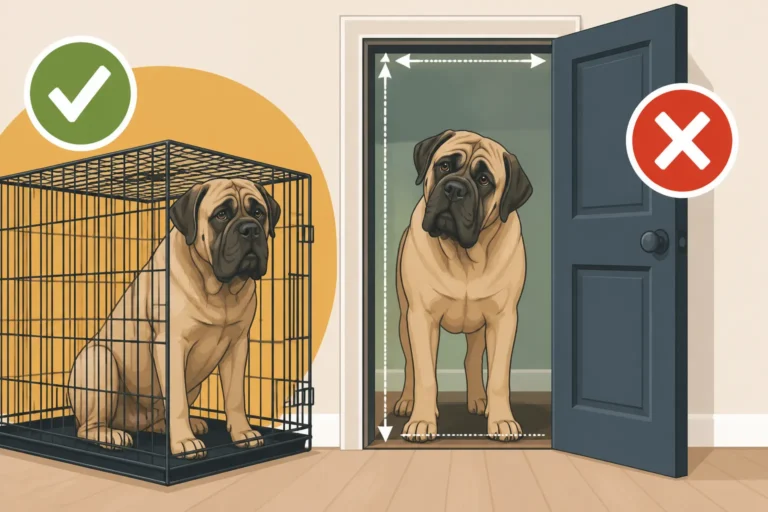
Living with a fully grown Mastiff requires a significant adjustment to one's physical space and daily routines. These dogs are enormous, and their sheer bulk impacts everything. They don't just walk through a doorway; they fill it. Navigating narrow hallways, tight corners, or crowded rooms with a two-hundred-pound dog requires constant awareness and often, a considerable amount of strength and coordination, even from a well-trained dog.
Accidental injuries are also a genuine concern. A happy tail wag can clear a coffee table in an instant, and a sudden lean or jump can send an unsuspecting adult or child sprawling. Imagine trying to explain to a grandparent why they just got knocked over by an overly enthusiastic "hello." These aren't malicious acts, but simply a consequence of a Mastiff's immense size and powerful build. Owners need to be constantly vigilant, teaching their Mastiff spatial awareness and appropriate greetings from a very young age, or face the reality of a dog that is simply too large to safely navigate their home.
The impact extends to furniture and vehicles. A regular dog bed quickly becomes inadequate, and a standard sofa might become a Mastiff-shaped depression within weeks. Many owners find themselves needing to upgrade their vehicle simply to accommodate their furry family member. The physical presence of a Mastiff fundamentally alters a household, and if these changes weren't anticipated or embraced, the dog can quickly become an inconvenience rather than a beloved companion. The furniture, vehicle and doors a Mastiff changes is a huge factor.
When Adorable Puppy Habits Become Destructive Adult Behaviors
Many puppy behaviors, while challenging, are often tolerated because of their small size and the promise of them "growing out of it." However, by two years old, if those habits haven't been addressed, they've become full-blown adult behaviors, magnified by the Mastiff's size. A puppy chewing on a shoe is annoying; a two-hundred-pound Mastiff chewing on a door frame or a sofa leg can be catastrophic for your home. Their jaws are incredibly powerful, and boredom or anxiety can quickly lead to extensive damage.
Counter-surfing, a common canine "crime," becomes a whole new ballgame with a Mastiff. Their height allows them to easily reach the back of most kitchen counters, turning meal prep into a constant battle of wits. If not trained early and consistently, a young adult Mastiff can quickly learn that unattended food is fair game, leading to lost meals, destroyed kitchen items, and potentially dangerous ingestions of human food.
Perhaps one of the most frustrating and potentially dangerous habits is leash pulling. A cute puppy playfully tugging on the leash is one thing; a two-hundred-pound Mastiff dragging its owner down the street is a serious safety hazard, not just for the owner but for anyone they encounter. Without proper training in their formative months, by two years old, a Mastiff can be virtually unmanageable on a leash, making walks a terrifying ordeal rather than an enjoyable outing. This often leads to the dog being walked less and less, exacerbating other behavioral issues stemming from a lack of exercise and mental stimulation.
The Staggering Financial Reality: Why Bills Spike at Two Years Old
The cost of owning any dog is significant, but with a Mastiff, every single expense is multiplied. By the time they reach two years old, the financial implications often hit their peak, surprising owners who weren't prepared for the sheer scale of the investment required. This often becomes a primary driver for surrenders.
The Escalating Cost of a Giant Appetite
Let's be blunt: a Mastiff eats a lot. That tiny puppy bowl quickly becomes a trough. By two years old, a Mastiff is consuming a considerable amount of food daily, often multiple large meals. Owners suddenly realize that their monthly grocery bill has essentially doubled or tripled just to keep their gentle giant fed. The cost of a good quality, giant breed specific kibble, which is often recommended for their unique nutritional needs, can be eye-watering when bought in such volumes.
Many owners try to cut corners with cheaper food, but this can lead to health issues down the line, ultimately costing more in vet bills. The sheer volume also presents logistical challenges – where do you store a 40-pound bag of kibble, let alone two or three for the month? This continuous, unavoidable expense can become a huge burden. For some, even buying in bulk from places like Chewy might not ease the sting enough. If you're wondering about the specifics, what feeding a two hundred pound Mastiff costs a month is often far more than people imagine.
Beyond dry kibble, treats, supplements, and even fresh food additions can add up. Some owners choose to supplement their Mastiff's diet with fresh ingredients, but considering the volume needed, a fresh food subscription service like Ollie can quickly become an astronomical expense. The cost of simply fueling such a large animal is often underestimated, and by two years old, when their growth is largely complete and their metabolism has settled, their daily caloric intake remains substantial, making the food bill a consistent, inescapable pressure point.
Veterinary Expenses: Not Just Preventatives Anymore
While puppies have their vaccine schedules and initial check-ups, the veterinary bills for a Mastiff really start to escalate around the two-year mark. By this age, they are out of the constant puppy appointments but are entering the phase where routine preventatives are at their most expensive due to weight, and where early signs of giant breed-specific health issues might begin to appear. Every medication, from flea and tick prevention to dewormers, is dosed by weight, meaning a Mastiff requires the highest, and therefore most expensive, dosages.
Beyond routine care, emergency veterinary visits are profoundly more expensive for a Mastiff. Anesthesia costs rise exponentially with size, making even minor procedures significantly pricier. Diagnostic imaging, like X-rays or ultrasounds, requires specialized equipment and larger sedation doses, pushing costs even higher. A trip to the emergency vet for a minor cut or upset stomach can easily run into thousands of dollars, far exceeding what many owners budget for.
This is precisely why pet insurance becomes so crucial for Mastiff owners. Companies like Healthy Paws can offer a lifeline, helping to mitigate the shock of these substantial veterinary bills, but even insurance comes with its own monthly premium, which is higher for giant breeds. The reality is, the Mastiff's short life buys the biggest bills, and by two, these bills are often becoming a regular and heavy drain on finances, driving some owners to the difficult decision of surrender.
The Hidden Costs of Mastiff Ownership
Beyond food and vet bills, there's a whole array of "hidden" costs that become apparent as a Mastiff matures. Consider their bedding. A standard dog bed won't cut it for long. A Mastiff needs a durable, orthopedic bed that can support their massive joints and withstand their weight. These aren't cheap and often need replacing more frequently than with smaller dogs because of wear and tear. "What a bed that holds a Mastiff costs" is an article in itself.
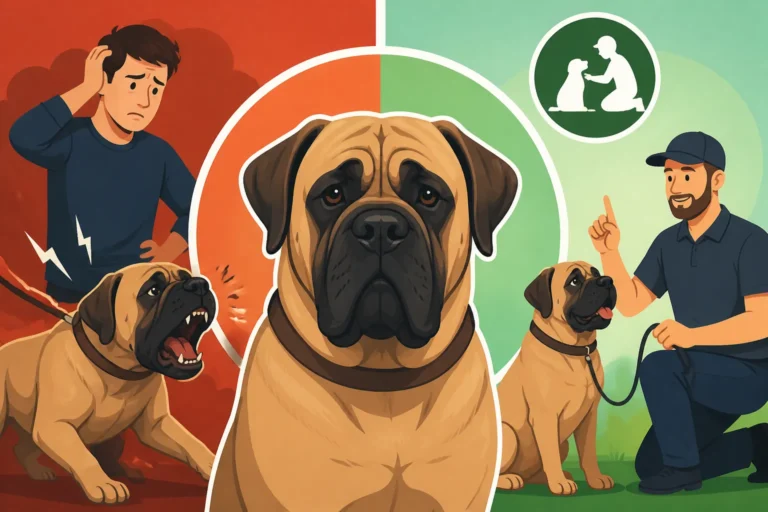
Specialized training gear is another expense. Standard leashes and collars often aren't strong enough or comfortable for a fully grown Mastiff. Many owners invest in high-quality, heavy-duty harnesses or specialized head halters to manage their strength. Furthermore, due to their size and the potential for damage or behavioral issues if untrained, professional training often becomes a necessity rather than a luxury, adding hundreds or even thousands of dollars to the cost over time.
Then there are the general wear and tear on your home. Drool can stain walls and furniture, nails can scratch floors, and an excited tail can wreak havoc. These aren't immediate costs but accumulate over time, adding to the overall financial strain. From extra-large crates that fit through doorways to heavy-duty toys that can withstand their powerful jaws, every single item associated with a Mastiff tends to be on the high end of the price spectrum, and by two years old, owners have usually experienced enough of these hidden costs to feel the pinch acutely.
Navigating the Treacherous Waters of Mastiff Adolescence
Adolescence in any dog breed can be challenging, but in a Mastiff, it's an entirely different beast. Owners expecting a calm, placid adult at two years old are often dismayed to find a stubborn, powerful, and sometimes unruly teenager who tests boundaries at every turn.
The Stubborn Streak: What Looks Like Disobedience
Mastiffs are often described as "stubborn," but it's more accurate to say they are highly intelligent and deliberate thinkers. Unlike some breeds that respond instantly to commands, a Mastiff will often take a moment to process what you've asked, weigh their options, and then decide if it's worth their effort. This isn't defiance for defiance's sake, but a manifestation of their independent nature. However, for an inexperienced owner, this can look like blatant disobedience or a refusal to cooperate.
This "stubbornness" can manifest in classic Mastiff ways, such as planting themselves firmly on the ground during a walk and refusing to move. Trying to physically compel a two-hundred-pound dog to do anything it doesn't want to do is a losing battle and can even be dangerous. Without patience, consistency, and positive reinforcement from an early age, owners can quickly become frustrated, leading to a breakdown in the human-animal bond. The stubbornness that is actually a Mastiff thinking requires a different approach to training.
By two years old, these ingrained patterns are strong. If an owner hasn't learned how to motivate their Mastiff or communicate effectively, every interaction can become a power struggle. The dog senses the owner's frustration and, being sensitive creatures, can shut down or become more resistant. This creates a vicious cycle that can leave both dog and owner feeling defeated and misunderstood, making daily life incredibly stressful.
The Sheer Power of an Untrained Young Mastiff
A Mastiff's physical power is immense, and in an untrained adolescent, it can be terrifying. A dog that pulls on the leash at 50 pounds is manageable; at 180 pounds, it's a force of nature that can easily dislocate a shoulder, pull an owner off their feet, or drag them into a dangerous situation. This is a primary reason why many young Mastiffs end up surrendered—their owners simply cannot physically control them on walks, making regular exercise impossible.
Beyond leash manners, an adolescent Mastiff might still be prone to jumping up on people out of excitement or seeking attention. While this might have been brushed off as cute in a puppy, a full-grown Mastiff can cause serious injury by jumping, especially to children, the elderly, or those with mobility issues. The sheer force of their impact can break bones or cause severe bruising, even unintentionally.
It's critical that owners understand that a Mastiff does not pull you over, it simply stops, which can still be a huge challenge. Training must begin the moment they come home, focusing on good manners and impulse control while they are still small enough to handle. If this critical window is missed, by the age of two, the problem has become so significant that many owners feel they have no choice but to rehome their powerful, but poorly-mannered, companion.
Socialization Gaps Becoming Dangerous
The period for crucial socialization is typically within a puppy's first few months. If a Mastiff puppy isn't properly exposed to a wide variety of sights, sounds, people, and other friendly dogs in a positive way during this time, they can develop fear, anxiety, or reactivity as they mature. When you combine these issues with a dog of a Mastiff's size and protective instincts, it can become a dangerous situation by the time they reach two years old.
An undersocialized Mastiff might be fearful of strangers, growling or backing away when approached, which can be perceived as aggression due to their size. Or they might be overly exuberant, attempting to "play" with smaller dogs or people in a way that is simply too rough and dangerous. Even a friendly but unmannered Mastiff can cause injury by leaning or jumping on people out of excitement, especially if they haven't learned proper greetings. For more on this, consider what becomes of an undersocialized Mastiff.
By two years old, these behavioral patterns are often firmly entrenched and much harder to correct without intensive professional intervention, which adds another layer of financial and time commitment. Owners may find they can't have guests over, take their dog for walks in public, or even visit the vet without significant stress and risk. The dream of a calm, friendly companion shatters against the reality of a dog with severe behavioral issues that the average owner is simply not equipped to handle.
When a Gentle Giant Becomes Too Much: Lifestyle Overhaul
Owning a Mastiff isn't just about adding a dog to your life; it's about fundamentally altering your lifestyle. At around two years old, when they are fully grown and their needs are constant, many owners realize the true extent of these changes and find them overwhelming.
Impact on Daily Routines and Travel
A Mastiff's size impacts almost every aspect of an owner's daily life. Simple tasks like getting in and out of the car become a production, often requiring a ramp for the dog's joint health. Spontaneous trips or weekend getaways become nearly impossible. Finding dog-friendly accommodations that can actually accommodate a Mastiff is a challenge, and even if you find one, the cost is often higher.
Boarding a Mastiff when you go on vacation is also a significant hurdle. Many standard kennels aren't equipped for dogs of their size, either lacking appropriate-sized runs or staff strong enough to handle them. Finding a reputable, safe boarding facility or a giant-breed-experienced pet sitter can be incredibly difficult and expensive. This can lead to owners feeling trapped, unable to travel or have a social life without their enormous companion. The question of whether a Mastiff owner can travel at all becomes a constant source of stress.
Even simple daily routines are impacted. A quick trip to the grocery store isn't so quick if you have to manage a Mastiff who needs to go to the bathroom right before you leave and immediately upon your return. Their need for consistent potty breaks, especially during house training, means a much stricter schedule for the owner. The constant demands on time, space, and energy are often underestimated, and by two years old, the novelty has worn off, leaving behind a feeling of exhaustion and resentment.
Space Constraints: When the Home Shrinks
No matter how big your home feels when you bring home a tiny Mastiff puppy, it will inevitably feel smaller as they mature. By two years old, a Mastiff occupies a tremendous amount of space. They don't just lie down; they sprawl. They block hallways, take up entire sections of the sofa, and make navigating rooms a constant challenge. This isn't just an inconvenience; it can become a source of genuine frustration for owners.
Imagine trying to cook in a small kitchen when your Mastiff decides to lie directly in front of the refrigerator. Or trying to get into your bedroom when they've stretched out across the doorway. While they are often described as "couch potatoes," their sheer bulk means they take up a lot of "potato" space. This can be particularly challenging in smaller homes or apartments, even if the owner initially thought their space was adequate for a "calm" giant breed.
The need for a vehicle that can safely transport a Mastiff is another common reality check. A sedan simply won't do. Owners often realize they need an SUV or even a minivan just to ensure their dog can comfortably travel. The question of whether a Mastiff fits in a sedan is quickly answered with a resounding "no." This unexpected expense and logistical challenge can contribute significantly to the feeling of being overwhelmed by their dog's size.
The Drool Factor: More Than Just a Little Mess
Mastiffs are renowned for their jowls and, consequently, their drool. While some might find it endearing or manageable in a puppy, by two years old, the full reality of Mastiff drool becomes undeniable. It's not just a little drip; it's often a copious amount that can be flung across rooms with a shake of the head, leaving slimy trails on walls, furniture, and ceilings. This constant cleanup is a daily, often multiple-times-a-day, chore that many owners simply aren't prepared for.
Imagine hosting guests, only to find a streak of drool across their freshly cleaned jacket or on the underside of your coffee table. It's a reality that requires a certain level of acceptance, but for owners who value a meticulously clean home, it can become a significant source of stress and frustration. Drool towels become a permanent fixture in every room, and specialized cleaning products are often needed to tackle the grime.
This isn't a behavior that can be trained away; it's a physical characteristic of the breed. While some Mastiffs drool more than others, it's an inherent part of living with one. By the time the dog is two, the cumulative effect of constant drool cleanup—the stained walls, the perpetually damp areas around their water bowl, the need to wipe down furniture repeatedly—can be a relentless, unglamorous aspect of ownership that erodes patience and can contribute to owner burnout.
Unseen Health Challenges: The Silent Burden of Giant Breed Genetics
One of the most profound and often devastating reasons Mastiffs end up in rescue around two years old is the emergence of significant health issues common to giant breeds. These conditions often carry enormous emotional and financial burdens that many owners are ill-equipped to handle.
Orthopedic Ailments Emerge at a Critical Age
Mastiffs are predisposed to a range of orthopedic problems, primarily due to their rapid growth and immense size. Hip and elbow dysplasia are tragically common, and while signs might be subtle in puppyhood, they often become clinically apparent and painful around one to two years of age. A previously active, playful young Mastiff might suddenly start showing lameness, difficulty rising, or reluctance to exercise. This is a devastating blow for owners, as it signals a lifetime of managing chronic pain and potential surgeries.
Diagnosing these conditions requires expensive X-rays and often specialist consultations. Treatment can range from lifelong pain medication and joint supplements to costly surgeries like total hip replacements. These interventions are incredibly expensive, and for a two-hundred-pound dog, recovery is often challenging and requires immense dedication from the owner. For those without adequate savings or pet insurance, the financial strain can be insurmountable. Consider that elbow dysplasia affects one Mastiff in seven, giving you an idea of the prevalence.
The emotional toll is equally heavy. Owners watch their beloved young dog suffer, often feeling immense guilt about their inability to provide the best care or cure the problem. This can lead to a sense of helplessness and despair, particularly if the condition worsens despite interventions. The idea of surrendering a dog due to a health issue is heartbreaking, but for some, it becomes the only feasible option when faced with overwhelming costs and the prospect of their dog's declining quality of life.
Understanding and Mitigating Bloat Risk
Bloat, or Gastric Dilatation-Volvulus (GDV), is a life-threatening condition that can affect deep-chested breeds like Mastiffs. It's an acute emergency where the stomach fills with gas and can twist, cutting off blood supply. It can kill a dog within hours. While it can occur at any age, young adult Mastiffs are certainly susceptible, and the sudden, terrifying nature of the condition can shock owners into realizing the fragility of their giant companion's health. For specifics, bloat in the deepest chest of any breed: the Mastiff is a stark reality.
Preventative measures, like a prophylactic gastropexy (tacking the stomach to the abdominal wall), are often recommended, but this is a surgical procedure that adds significant cost, especially if done separately from spay/neuter. If bloat occurs, emergency surgery is required, and for a Mastiff, this is an incredibly complex and expensive operation. The veterinary intensive care, the size of the dog, and the urgency all contribute to a bill that can easily soar into the many thousands of dollars overnight.
Many owners are simply unprepared for the possibility of such a devastating and costly emergency. The fear of bloat can hang over a Mastiff owner, and if an episode occurs, the financial impact combined with the emotional trauma of nearly losing their dog can push them to their breaking point. The reality that their dog's life hangs by a thread due to a breed-specific ailment is a harsh wake-up call, often leading to reassessment of their ability to cope.
Other Emerging Genetic Predispositions
Beyond orthopedic issues and bloat, Mastiffs are prone to a range of other genetic and breed-specific health problems that often begin to manifest by two years old. Eye diseases, such as progressive retinal atrophy or entropion/ectropion, can become noticeable, requiring ongoing monitoring or corrective surgery. Eye and eyelid disease in a Mastiff can be painful and impact their quality of life.
Cardiac conditions, like dilated cardiomyopathy, while sometimes appearing later, can also show early signs. Hypothyroidism, a common endocrine disorder, often requires lifelong daily medication. These conditions, individually or in combination, add considerable cost and management complexity to ownership. Owners might face the prospect of daily medication, specialized diets, regular blood tests, and visits to veterinary specialists.
A table illustrating common health issues and their typical onset:
| Health Issue | Typical Onset Age | Common Symptoms | Potential Costs (Management/Surgery) | Impact on Quality of Life |
|---|---|---|---|---|
| Hip Dysplasia | 1-2 years | Lameness, difficulty rising, reluctance to exercise | Moderate to High (meds, supplements, surgery) | Moderate to Severe |
| Elbow Dysplasia | 1-2 years | Forelimb lameness, pain in elbow | Moderate to High (meds, supplements, surgery) | Moderate to Severe |
| Bloat (GDV) | Any age (esp. young adult) | Distended abdomen, retching, restlessness, collapse | Very High (emergency surgery) | Life-threatening |
| Entropion/Ectropion | 1-2 years | Eye irritation, discharge, excessive tearing | Moderate (corrective surgery) | Moderate |
| Hypothyroidism | 2-5 years | Lethargy, weight gain, skin issues | Moderate (lifelong medication) | Moderate |
| Progressive Retinal Atrophy | 2-5 years (variable) | Night blindness, vision loss | Low (no cure) | Severe (blindness) |
The cumulative effect of these potential health issues can be financially crippling and emotionally draining. By two years old, many owners have faced at least one significant health scare or diagnosis, leading them to question their ability to provide the comprehensive care their Mastiff needs, ultimately contributing to the difficult decision to rehome.
The Great Expectations Versus Reality Divide
Many people acquire a Mastiff with a certain ideal in mind—a loyal, protective, calm companion. While Mastiffs possess many of these wonderful qualities, the reality of living with such a massive, sensitive, and intelligent breed often deviates significantly from romanticized expectations, leading to disappointment and overwhelm around the two-year mark.
The "Guard Dog" Myth vs. Reality
One common misconception is that a Mastiff is an aggressive guard dog, ready to defend its territory with ferocity. While Mastiffs are naturally protective and imposing due to their size, they are generally not attack dogs. They are more accurately described as deterrents; their sheer presence is often enough to make an intruder think twice. Many owners expect a snarling beast and instead get a reserved, watchful giant who might bark a few times before settling back down. They often bond deeply with their family but can be wary or aloof with strangers, which is a different quality than outright aggression.
This expectation versus reality can lead to frustration. Owners might feel their dog isn't living up to its "potential" as a protector, or conversely, if they tried to encourage aggressive tendencies, they might end up with an unpredictable and dangerous animal they can't control. The Mastiff's true nature lies in its calm, observant disposition and its deep loyalty. They are far more likely to lean on you or place themselves between you and a perceived threat than to launch an attack. Understanding whether a Mastiff is a guard dog or a deterrent is key to managing expectations.
By two years old, a Mastiff's personality is largely formed. If an owner bought the dog primarily for protection without understanding the breed's nuanced protective instincts, they might feel disappointed or even misled. This mismatch in expectations can contribute to the owner feeling like the dog isn't a "good fit" for their home, leading them to seek alternative arrangements.
The Time Commitment Beyond Puppyhood
While puppyhood demands intense time for house training, socialization, and basic obedience, the time commitment for a Mastiff doesn't magically disappear at two years old. In fact, it often shifts to different, equally demanding areas. While they don't require hours of vigorous exercise like a Border Collie, they still need regular, moderate walks to maintain joint health and prevent boredom. This means carving out consistent time each day for their physical and mental well-being.
Grooming, though seemingly simple with their short coat, still requires attention. Their wrinkles need regular cleaning to prevent infection, their nails need frequent trimming to prevent painful overgrowth and improve traction, and their teeth need consistent care. For a large dog, these tasks can be physically challenging and time-consuming. Owners who thought a short-coated dog was "low maintenance" quickly realize that the sheer volume of the dog means even basic care takes more effort. Why a Mastiff's short coat is not low maintenance becomes very clear.
Furthermore, a Mastiff thrives on companionship. They are deeply bonded to their families and do not do well when left alone for extended periods. This means owners need to dedicate time for interaction, cuddles, and simply being present. By two years old, some owners realize that their lifestyle simply doesn't allow for the consistent presence and care a Mastiff truly thrives on, leading to feelings of guilt and the consideration of rehoming to a more suitable environment.
The Emotional Toll of Overwhelm
Perhaps the most insidious reason Mastiffs end up in rescue is the cumulative emotional toll on the owner. The constant financial strain, the physical demands, the behavioral challenges, the unexpected health issues, and the complete lifestyle overhaul can lead to profound feelings of overwhelm, stress, and even resentment. Owners often feel trapped, exhausted, and guilty that they cannot provide the "perfect" home for their Mastiff.
This emotional burnout is very real. It's difficult to maintain boundless patience and positive reinforcement when you're constantly worried about bills, cleaning drool off the ceiling, or wrestling a two-hundred-pound dog that refuses to walk. The dream of the calm, loving companion slowly erodes under the weight of unforeseen difficulties. For many, the decision to surrender their Mastiff isn't made lightly or maliciously, but rather out of a deep sense of despair and the genuine belief that another home might be better equipped to meet the dog's immense needs.
Rescue organizations often see Mastiffs around this age because it's precisely when all these factors converge. The "puppy cuteness" is gone, the full adult size and associated challenges are undeniable, health issues are starting to manifest, and the financial demands are peaking. It's a critical turning point where unprepared owners often reach their breaking point, highlighting the importance of thorough research and realistic expectations before bringing one of these magnificent, but demanding, animals into your life.
Disclaimer
This article is for general informational purposes only and does not constitute professional advice. Laws, prices and regulations vary by location and change over time. Consult a qualified professional for guidance on your specific situation.