Whether a Mastiff Gets Osteosarcoma
The sheer size and magnificent presence of a Mastiff bring with them a unique set of health concerns that can be incredibly worrying for owners. One of the most heartbreaking diagnoses any giant breed parent can face is cancer, and specifically, bone cancer. It's a question that keeps many of us up at night: does a Mastiff get osteosarcoma? This guide aims to shed light on this aggressive disease, help you understand its risks, recognize the signs, and navigate the difficult path of diagnosis and treatment.
Understanding Osteosarcoma in Giant Breeds Like the Mastiff
Living with a Mastiff means becoming intimately familiar with their unique health landscape. Their immense size, while awe-inspiring, also predisposes them to certain conditions that smaller breeds might rarely encounter, and osteosarcoma is, unfortunately, one of them. It's a heavy topic, but knowing what you're up against is the first step in being the best advocate for your beloved giant.
What is Osteosarcoma?
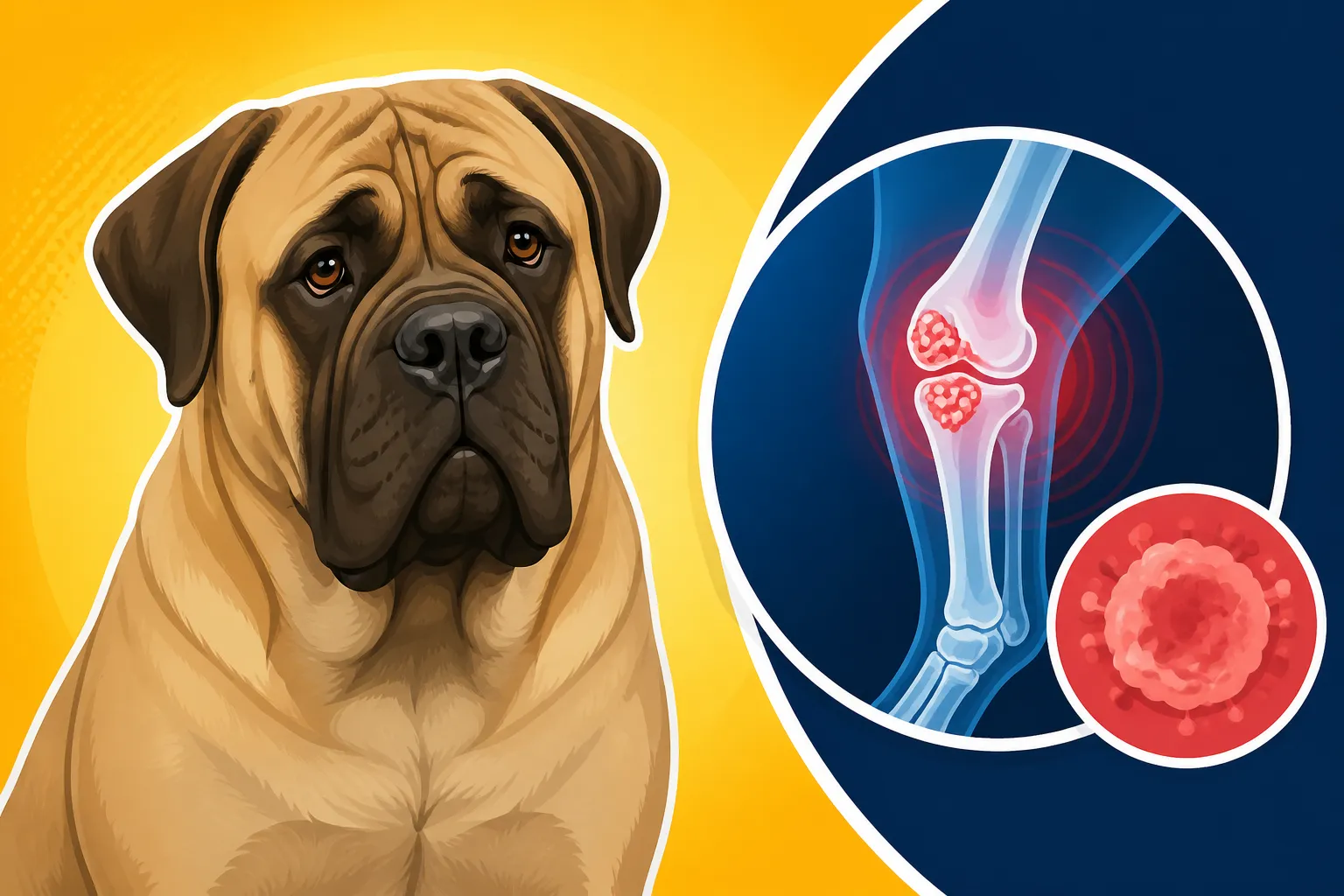
Osteosarcoma is a malignant bone tumor, meaning it's an aggressive form of cancer that originates in the bone. Unlike some cancers that spread slowly or remain localized, osteosarcoma has a notorious reputation for being highly invasive locally and for metastasizing, or spreading, quickly to other parts of the body, most commonly the lungs. It's not just a lump; it’s a cancer that actively destroys healthy bone tissue, causing immense pain and weakening the bone structure, often leading to pathological fractures – breaks that occur not from trauma, but from the bone being eaten away by the tumor. Imagine the kind of stress that puts on a dog that can weigh well over 150 pounds, often closer to 200 or even more, like many Mastiffs do. The bone literally crumbles from within.
Why Mastiffs Are at Higher Risk
It’s a cruel irony that the very thing we love about our Mastiffs – their impressive size – also puts them at a higher risk for this devastating disease. Large and giant breeds are disproportionately affected by osteosarcoma, with some studies suggesting they are up to 60 times more likely to develop it than smaller breeds. The exact reasons aren't fully understood, but it's believed that rapid growth rates and increased bone turnover, combined with genetic predispositions, play a significant role.
For Mastiffs, who often grow incredibly quickly during their puppyhood and continue to fill out until they are two or even three years old, this accelerated growth might contribute to cellular changes in their bones that make them more vulnerable. There's also a genetic component; while no single gene has been definitively identified as the "osteosarcoma gene" in Mastiffs, it’s widely accepted that specific lines and families within the breed may carry a higher inherent risk. This is why when you're considering a Mastiff puppy, understanding the health history of the parents and their lines, including causes of death in ancestors, is so important. When considering a dog’s overall health, it's vital to remember that a Mastiff's short life buys the biggest bills, and managing conditions like cancer can add significantly to that financial burden.
Common Locations and How It Manifests
In Mastiffs, osteosarcoma typically affects the long bones of the limbs – often near the shoulder, wrist, knee, or ankle. The most common sites are usually the ends of these long bones, where growth plates were once active. While it can occur in other bones, like the ribs, jaw, or spine, these limb locations are by far the most frequent.
The initial signs can be subtle and easily mistaken for something less serious, which makes early detection a real challenge. You might notice your Mastiff starting to favor a leg, a slight limp that comes and goes, or a reluctance to put full weight on a particular limb. This often progresses to persistent lameness. Over time, a noticeable swelling might develop around the affected bone, which can be warm to the touch and incredibly painful. Your dog might also display behavioral changes, such as reduced activity, irritability due to pain, or reluctance to go for walks. It’s important to pay attention to even minor changes, as what might seem like a simple sprain could be something far more serious in a large breed.
Recognizing the Early Warning Signs and Diagnosis
One of the hardest parts of dealing with osteosarcoma is that its early symptoms can be so vague, often mimicking common aches, pains, or minor injuries that are practically an everyday occurrence with an active, large dog. However, being vigilant and knowing what to look for can make a critical difference in your Mastiff's prognosis.
Subtle Changes to Look For
Imagine your Mastiff, usually a gentle giant eager for a lumbering stroll, starts hesitating on stairs or seems a bit stiff after getting up from a nap. These are the kinds of subtle clues that demand your attention. Perhaps they're suddenly reluctant to jump into the car, or you notice a slight, intermittent limp that you initially attribute to them playing a bit too hard the day before. Because a Mastiff often tries to hide discomfort, especially in the early stages, these minor shifts in behavior or gait are crucial.
Look for:
- Intermittent or Persistent Lameness: A limp that comes and goes, or one that consistently worsens over a few weeks, especially if it doesn't respond to typical rest. Many Mastiff owners might assume it's simply arthritis in a Mastiff at four or an old injury flaring up, but it's worth investigating thoroughly.
- Swelling or Lump: Feel your Mastiff's legs regularly. Any firm, warm swelling on a bone, especially near a joint, is a major red flag. This can sometimes appear quite suddenly.
- Pain Upon Touch: If your Mastiff yelps, flinches, or pulls away when you touch a particular area of their leg or body, this indicates pain that needs immediate veterinary attention.
- Behavioral Changes: A decrease in activity levels, reluctance to play, increased irritability, loss of appetite, or general lethargy can all be signs of chronic pain. Your usually calm Mastiff might seem withdrawn or even restless, unable to find a comfortable position.
- Unexplained Fractures: In later stages, the weakened bone might fracture spontaneously with minimal trauma. This is a devastating and painful event that unfortunately confirms the presence of aggressive bone destruction.
It's tempting to dismiss these early signs, especially in a breed known for its stoicism and occasional awkwardness. However, with osteosarcoma, time is truly of the essence.
The Diagnostic Journey
If you notice any of these alarming signs, your first step is a prompt visit to your veterinarian. They will start with a thorough physical examination, focusing on the painful or swollen area.
The typical diagnostic process involves:
- X-rays (Radiographs): This is usually the first line of investigation. X-rays can reveal characteristic changes in the bone structure, such as bone destruction (lysis) or abnormal new bone formation (proliferation), which are indicative of osteosarcoma. Your vet might take multiple views to get a comprehensive picture.
- Fine Needle Aspirate (FNA) or Biopsy: While X-rays can strongly suggest osteosarcoma, a definitive diagnosis requires a tissue sample. An FNA might be attempted first, though it's not always conclusive for bone tumors. A bone biopsy, where a small piece of bone is surgically removed or taken with a special needle, is often necessary. This sample is then sent to a pathology lab for microscopic examination.
- Staging (Further Imaging): Once osteosarcoma is confirmed, your vet will recommend staging tests to determine if the cancer has spread. This usually includes X-rays of the chest to check for lung metastasis, as well as abdominal ultrasound or CT scans to look for spread to other organs or lymph nodes. For a Mastiff, this often means specialized imaging equipment that can accommodate their size.
- Blood Work: Routine blood tests can assess your dog's overall health, kidney and liver function, and provide baselines before any potential treatments like chemotherapy.
Remember, a timely and accurate diagnosis is critical for exploring all possible treatment options. Given that why anesthesia is riskier in a Mastiff, your vet will take extra precautions during any diagnostic procedures requiring sedation or general anesthesia.
Differentiating from Other Conditions
This is where things can get tricky. The early symptoms of osteosarcoma – lameness, swelling, pain – can easily be mistaken for a host of other conditions common in large breeds.
Common misdiagnoses or similar conditions include:
- Arthritis: Degenerative joint disease is extremely prevalent in Mastiffs, especially as they age or if they’ve had joint issues like hip or elbow dysplasia. Joint supplements for a Mastiff are a common recommendation, and sometimes owners attribute new lameness solely to this. However, arthritic pain usually progresses more slowly and doesn't typically cause the specific bone changes seen on X-rays with osteosarcoma.
- Trauma/Injury: A sprain, strain, or even a hairline fracture from a misstep or rough play can cause lameness and swelling. But if the injury doesn't improve with rest and anti-inflammatory medication, or if the swelling feels hard and bony rather than soft tissue, it warrants further investigation.
- Fungal Infections: In certain geographic areas, fungal infections can affect bone and mimic osteosarcoma on X-rays. A biopsy is crucial here to differentiate.
- Other Bone Tumors: While osteosarcoma is the most common primary bone tumor, other types exist, both benign and malignant. Again, only a biopsy can provide a definitive answer.
- Growth Plate Issues: In younger Mastiffs, issues related to their rapidly developing growth plates could cause lameness, although osteosarcoma usually affects adult dogs.
The key takeaway here is: don't assume. Even if your Mastiff is "just getting old" or "must have bumped it," any persistent or worsening lameness or unexplained swelling in a large breed should be evaluated by a veterinarian with osteosarcoma firmly in mind as a differential diagnosis.
Treatment Options and Prognosis for Mastiff Osteosarcoma
Receiving an osteosarcoma diagnosis for your beloved Mastiff is a devastating blow. The options, while offering hope, are often difficult and require careful consideration of your dog's quality of life and your own resources. It's a journey no one wants to take, but understanding the path ahead can help you make the most informed decisions.
A Difficult Conversation: Amputation and Chemotherapy
When dealing with osteosarcoma, the primary goal is often to remove the primary tumor and address the insidious spread of microscopic cancer cells.
- Amputation: For tumors located on a limb, amputation is frequently the most effective way to remove the source of pain and prevent local spread. This is a tough decision for any owner, especially with a Mastiff. The thought of a two-hundred-pound dog managing on three legs can be daunting. However, dogs are incredibly resilient and often adapt remarkably well. Many Mastiffs, once free from the agonizing pain of the tumor, regain a surprising amount of mobility and quality of life. The challenge is logistical: can your Mastiff's remaining limbs support its immense weight? Will it struggle with traction on certain floors? These are important questions to discuss with your veterinary surgeon. The decision needs to factor in whether a Mastiff needs a referral hospital for surgery, as specialists often have more experience with these complex procedures in giant breeds.
- Chemotherapy: Unfortunately, osteosarcoma is a systemic disease, meaning that by the time it's diagnosed, microscopic cancer cells have usually already spread to other parts of the body, even if they aren't visible on scans. Chemotherapy is typically recommended post-amputation (or with limb-sparing surgery, if applicable) to target these circulating cancer cells and delay or prevent the growth of new tumors, particularly in the lungs. It's not a cure, but it can significantly extend the prognosis. Chemotherapy protocols vary, but generally involve a series of intravenous treatments. While chemotherapy in dogs is often less debilitating than in humans, side effects can occur, and careful monitoring is essential. When considering the dosage, it's vital to know why a Mastiff is dosed by lean weight and not scale weight to ensure proper and safe administration.
- Limb-Sparing Surgery: In very specific cases, a limb-sparing procedure might be an option instead of amputation. This involves removing the cancerous bone segment and replacing it with an implant or a bone graft. This is a highly specialized surgery, often with a higher complication rate than amputation, and is only suitable for certain tumor locations and sizes. For a Mastiff, the mechanics of such a procedure are even more complex due to their sheer size and weight.
Palliative Care and Quality of Life
Sometimes, due to the stage of the cancer, the Mastiff's age, other health conditions, or financial constraints, aggressive treatment like amputation and chemotherapy may not be the best choice. In these situations, the focus shifts entirely to palliative care – managing pain and maintaining the best possible quality of life for as long as possible.
Palliative options include:
- Pain Management: This is paramount. A combination of medications, including NSAIDs (non-steroidal anti-inflammatory drugs), gabapentin, tramadol, and even newer drugs like Librela or Solensia, can be used to control the severe bone pain.
- Radiation Therapy: While not curative on its own, palliative radiation can be used to target the primary tumor and significantly reduce pain for several months. It helps to destroy some tumor cells and reduce inflammation, offering comfort without the invasiveness of surgery.
- Bisphosphonates: Drugs like pamidronate or zoledronate can help slow down bone destruction and reduce pain by strengthening the existing bone.
- Activity Modification: Keeping your Mastiff comfortable means limiting strenuous activities. This might involve shorter, slower walks, avoiding stairs, and providing extra comfortable bedding. Caring for a Mastiff past five years often means being more attentive to their mobility and comfort, and this becomes even more critical with cancer.
- Nutritional Support: Ensuring your Mastiff continues to eat a high-quality, palatable diet is important for maintaining strength and comfort.
The goal of palliative care is to allow your Mastiff to enjoy their remaining time with minimal pain, surrounded by love and comfort in their familiar home environment.
The Heartbreaking Prognosis
The prognosis for osteosarcoma in Mastiffs is, unfortunately, generally guarded to poor. Without any treatment, the average survival time from diagnosis is typically only 1 to 3 months, primarily due to pain and the rapid spread of the disease.
With amputation alone, survival times can increase to about 4 to 6 months. When amputation is combined with chemotherapy, the prognosis significantly improves, often extending life for an average of 10 to 12 months, and sometimes even longer for a lucky few. It’s important to manage expectations; while some dogs beat the odds, others succumb much sooner. This is a particularly challenging reality when you consider what ends a Mastiff at eight, knowing that osteosarcoma can tragically shorten an already limited lifespan.
Making the decision to pursue aggressive treatment involves a deep consideration of your Mastiff's quality of life throughout the process. It's a conversation you'll have repeatedly with your veterinary team, and it's okay to change your mind or decide what's best for your individual dog and family.
Proactive Steps and Support for Mastiff Owners
While a diagnosis of osteosarcoma is devastating, there are always steps you can take to be the best advocate for your Mastiff. From prevention to preparation, a proactive approach can make a significant difference in their health journey.
The Role of Regular Veterinary Check-ups
This might sound like a broken record, but consistent and thorough veterinary check-ups are truly your Mastiff's first line of defense against serious illnesses like osteosarcoma. Because the early signs of bone cancer can be so subtle and easily misinterpreted, having a professional eye evaluate your dog regularly is invaluable. During these visits, your vet can pick up on changes you might miss, conduct a thorough physical exam, and discuss any concerns you have about your Mastiff's gait, weight, or behavior. They can also perform routine blood work which, while not directly diagnostic for osteosarcoma, gives a baseline of your dog's overall health and helps identify other potential issues.
Don’t hesitate to bring up any lameness or stiffness, no matter how minor it seems. It might feel like you're being overly cautious, but with a breed predisposed to bone cancer, that caution can be life-saving. Even asking for a quick palpation of their long bones during a routine vaccination appointment could potentially catch something early. This attention to detail is crucial, especially as your Mastiff moves into its senior years, which for a giant breed like this, can start remarkably early.
Nutritional Support and Lifestyle Considerations
While there's no magic diet or supplement that can definitively prevent osteosarcoma, maintaining your Mastiff's optimal health through nutrition and lifestyle can support their overall well-being and potentially help them better withstand illness.
- Weight Management: Keeping your Mastiff lean is paramount. Excess weight puts immense strain on their joints and bones, which are already under considerable stress due to their size. A lean Mastiff may experience fewer joint issues and generally has better mobility, which can help differentiate between common arthritis and more serious conditions more easily. A lean Mastiff also lives longer, often experiencing fewer health complications overall. Discussions about how weight shortens a Mastiff's life are very real for owners of this breed.
- Balanced Diet: Feed a high-quality, giant breed-specific dog food appropriate for your Mastiff's life stage. These foods are formulated to support slower, healthier growth in puppies and provide appropriate nutrient levels for adults. Avoid overfeeding, especially during puppyhood, as too rapid growth can contribute to skeletal issues.
- Joint Support: Many Mastiff owners proactively give joint supplements for a Mastiff, often starting early in life. Ingredients like glucosamine, chondroitin, and MSM can help support joint health, although they won't prevent cancer. Fish oil is also beneficial for its anti-inflammatory properties. While these won't stop osteosarcoma, healthy joints can sometimes help mask the early pain of bone cancer, so it's important to still be vigilant for changes.
These lifestyle considerations are part of a broader commitment to ensuring your Mastiff thrives, mitigating risks where possible, and allowing them the most comfortable life.
Financial Preparedness and Pet Insurance
Let's be realistic: a Mastiff is an expensive dog to own, and vet bills, especially for major illnesses like cancer, can be astronomical. The cost of diagnostics (X-rays, biopsies, CT scans), surgery (amputation), chemotherapy, and long-term pain management can easily run into thousands, or even tens of thousands, of dollars. This is not to scare you, but to prepare you. What a Mastiff's weight does to every line on the vet invoice is a sobering reality that every owner faces.
- Pet Insurance: This is where pet insurance can be an absolute lifesaver. Companies like Healthy Paws offer comprehensive plans that can cover a significant portion of unexpected veterinary costs, including those for cancer treatment. Investing in a good policy when your Mastiff is young and healthy, before any pre-existing conditions develop, can provide immense peace of mind. While it’s an upfront cost, the potential savings in an emergency can be monumental. Before purchasing, it's a good idea to research what an insurance policy covers and what it excludes, especially concerning breed-specific conditions.
- Emergency Fund: Even with insurance, having an emergency savings fund dedicated to your Mastiff's care is a wise decision. How much a Mastiff owner should bank each month specifically for vet emergencies is a crucial calculation for responsible ownership. This can help cover deductibles, co-pays, or treatments that might not be fully covered.
Being financially prepared means that when you receive a devastating diagnosis like osteosarcoma, you can focus on making decisions based on what’s best for your Mastiff, rather than being limited by financial constraints.
Key Aspects of Osteosarcoma in Mastiffs
| Aspect | Description | Importance |
|---|---|---|
| Primary Risk Factor | Giant breed status; rapid growth and genetic predisposition in Mastiffs. | Heightens vigilance for early signs. |
| Common Locations | Long bones of limbs (shoulder, wrist, knee, ankle). | Guides where to check for swelling and pain. |
| Early Symptoms | Intermittent lameness, subtle swelling, pain on touch, behavioral changes (lethargy, irritability). | Critical for timely veterinary intervention; easily mistaken for minor issues. |
| Diagnostic Methods | Physical exam, X-rays, bone biopsy, chest X-rays (for metastasis). | Essential for definitive diagnosis and staging. |
| Primary Treatments | Amputation (for localized limb tumors), chemotherapy (to prevent spread), palliative care (for comfort). | A combination often offers the best prognosis; quality of life is a key consideration for Mastiffs. |
| Prognosis | Guarded to poor; 10-12 months average with aggressive treatment. | Helps manage expectations and guide treatment decisions. |
| Preventative Measures | Maintaining lean body weight, balanced nutrition, regular vet check-ups, pet insurance. | Supports overall health and prepares for potential costs, though doesn't prevent cancer outright. |
Remember, every Mastiff is an individual, and while these are general guidelines, your veterinarian is the best resource for tailored advice and care.
Disclaimer
This article is intended for informational purposes only and does not constitute veterinary advice. Always consult with a qualified veterinarian for any health concerns or before making any decisions about your Mastiff's care, diet, or treatment.