Whether a Mastiff Needs an MRI
When your beloved Mastiff starts showing signs of discomfort or changes in behavior that just don't add up, it's a terrifying experience. You've gone through the initial vet visits, maybe some X-rays, and still, the answers are elusive, leaving you worried sick about your gentle giant. This guide will walk you through the complex considerations around whether a Mastiff might need an MRI, what the process entails, and how to navigate the diagnostic journey for these magnificent dogs.
When a Mastiff Might Need Advanced Imaging Like an MRI
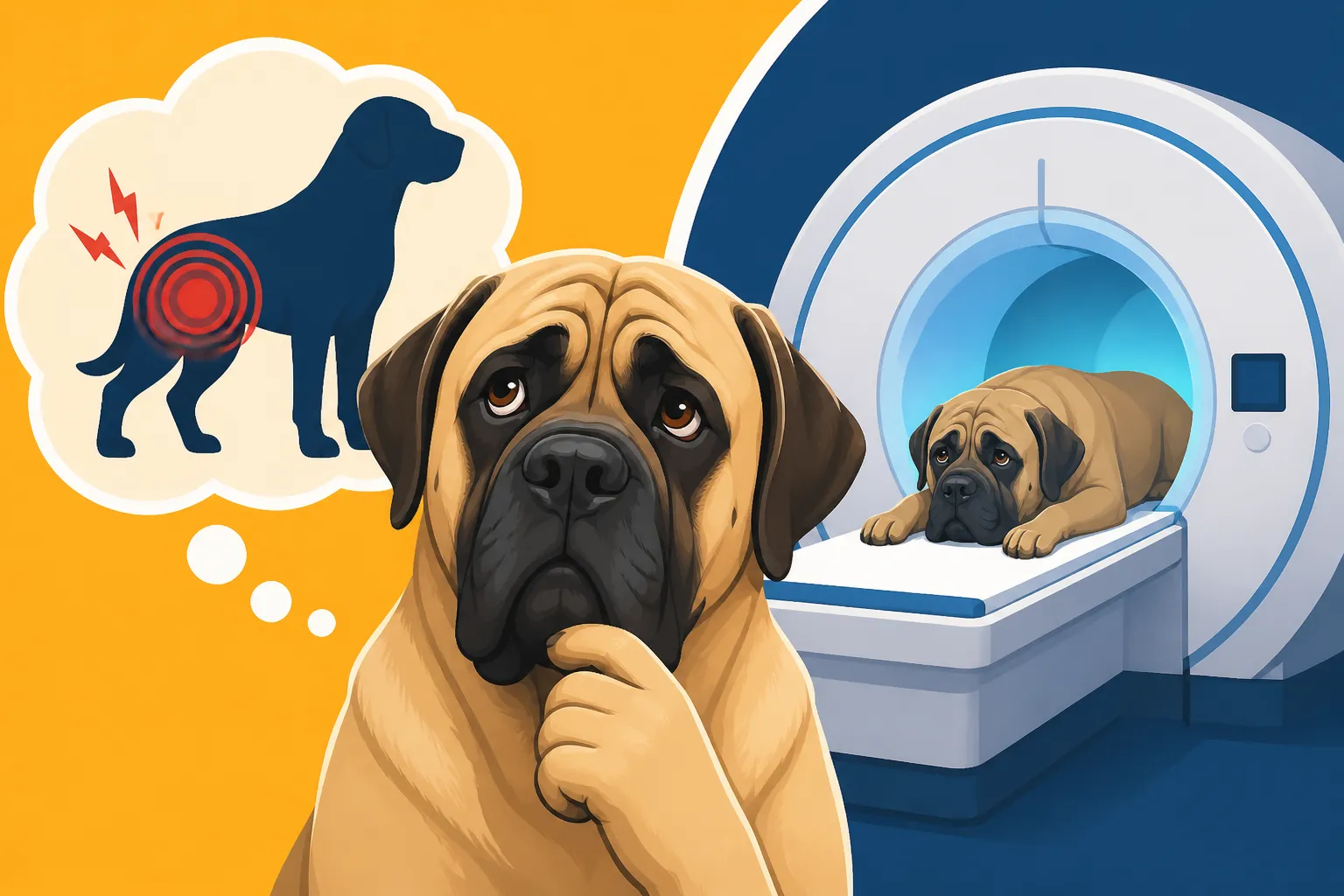
It’s heartbreaking to see your big, stoic Mastiff in pain or struggling, especially when routine tests aren't pinpointing the problem. X-rays are fantastic for bone issues, but they can't show soft tissues – things like spinal cord compression, brain lesions, nerve damage, or complex joint cartilage issues. That's where an MRI, or Magnetic Resonance Imaging, truly shines. It provides incredibly detailed images of these soft tissues, often giving veterinarians the "aha!" moment they need for an accurate diagnosis.
Neurological Symptoms That Warrant an MRI
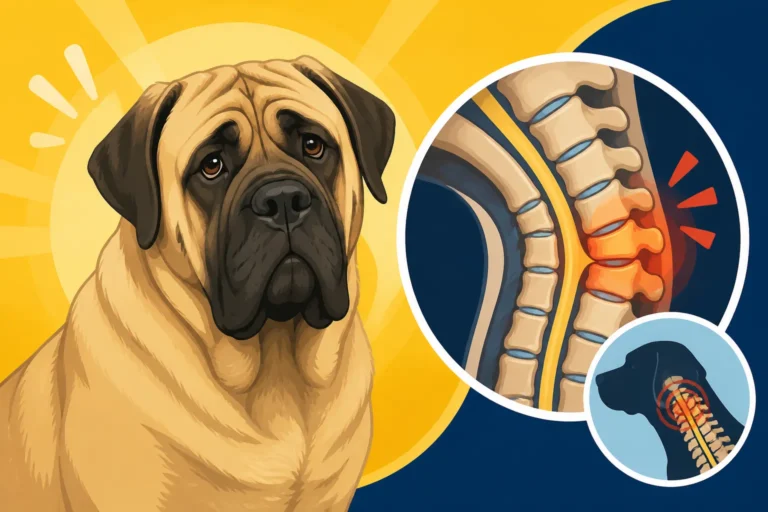
Neurological problems in Mastiffs can be incredibly distressing to witness because they often affect their mobility and overall quality of life. If your Mastiff starts showing symptoms related to their brain or spinal cord, an MRI often becomes the gold standard for diagnosis. We're talking about things that might initially look like simple clumsiness but quickly progress.
For instance, if your Mastiff is suddenly struggling to walk, stumbling, or dragging their back paws, especially on one side, it could be a sign of a spinal issue. Conditions like intervertebral disc disease (IVDD), where a disc in the spine bulges or ruptures and presses on the spinal cord, are notoriously difficult to diagnose without advanced imaging. You might notice a reluctance to go up or down stairs, or they might cry out when touched in a certain area of their back. This isn't just "getting old" or "being clumsy"; it could be serious. Similarly, if your Mastiff shows signs that might indicate a brain issue, such as sudden seizures, persistent circling, disorientation, or changes in personality, an MRI of the brain is crucial. It can reveal tumors, inflammation, or structural abnormalities that wouldn't be visible on an X-ray. It's a scary thought, but getting a definitive answer is the first step toward finding a way to help them.
Orthopedic Issues Beyond X-Ray Detection
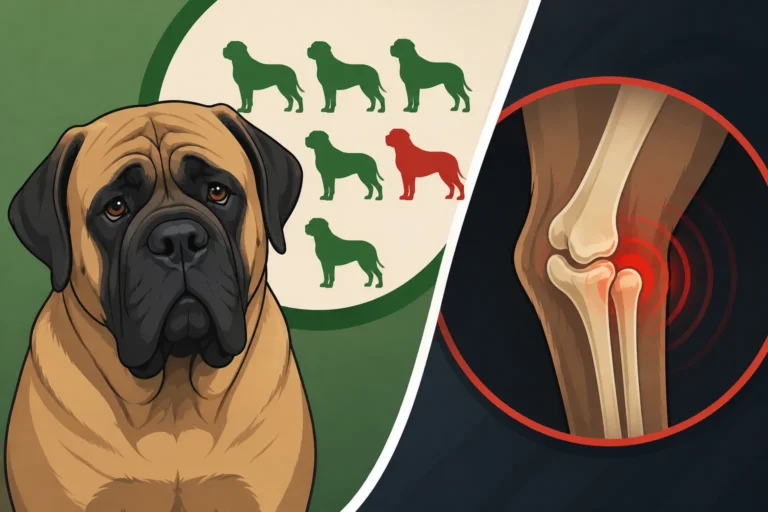
Mastiffs are prone to a host of orthopedic challenges, largely due to their immense size and rapid growth. While X-rays are excellent for diagnosing common issues like hip and elbow dysplasia, there are many situations where the X-ray results are inconclusive, or the symptoms suggest a more subtle soft tissue injury that X-rays simply can’t visualize. Think about conditions affecting ligaments, tendons, and cartilage.
For example, if your Mastiff has a persistent lameness that your vet can't explain with X-rays, it might be an issue with a meniscus tear in the knee, a partial cruciate ligament tear that isn't severe enough to show obvious instability on examination, or even subtle cartilage damage within a joint. These types of injuries cause chronic pain and can severely impact your Mastiff's ability to move comfortably. Another scenario could be detecting a bone tumor, like osteosarcoma, in its early stages within complex joint structures where X-rays might miss the full extent of the lesion. An MRI offers a level of detail that allows vets to see these delicate structures and identify the source of pain, which is vital for choosing the right treatment, whether it's surgery, medication, or physical therapy. It's about getting to the root cause of the limping and discomfort, so your Mastiff can get back to being their happy, gentle self.
A specific concern for Mastiffs, and many large breeds, is a condition known as Degenerative Myelopathy in a Mastiff. This progressive neurological disease often begins with subtle hind-end weakness and incoordination, which can easily be mistaken for arthritis. An MRI might be used to rule out other treatable causes of spinal cord compression before a DM diagnosis is suspected or confirmed. Early differentiation is vital because the treatment pathways are vastly different.
The MRI Process for Your Giant Breed
Getting an MRI for a two-hundred-pound Mastiff is not the same as taking a small terrier for a quick check-up. The sheer size of these dogs presents unique challenges, particularly when it comes to anesthesia and handling. It’s a serious procedure, and understanding each step can help alleviate some of your natural anxieties.
Anesthesia and Monitoring Risks
An MRI machine requires the patient to be absolutely still for an extended period, which means your Mastiff will need general anesthesia. This isn't a simple sedation; it's a full anesthetic protocol, and for giant breeds like Mastiffs, anesthesia carries increased risks. Their large body mass affects how drugs are metabolized and eliminated, and they can be more prone to complications such such as respiratory depression and cardiovascular issues. This is why thorough pre-anesthetic bloodwork and a comprehensive physical exam are not just recommended, but absolutely essential. These tests help the veterinary team assess your Mastiff's organ function and overall health to tailor the safest possible anesthetic plan.
Specialized veterinary hospitals, often those associated with universities or large referral centers like BluePearl or VCA, are usually equipped to handle the complexities of giant breed anesthesia. They’ll have board-certified veterinary anesthesiologists and dedicated veterinary nurses who monitor your Mastiff's vital signs meticulously throughout the entire procedure. This includes continuous monitoring of heart rate, respiratory rate, blood pressure, oxygen saturation, and body temperature. The goal is to keep your Mastiff as stable and safe as possible while they are under. For more on this, you might want to look into Why Anesthesia Is Riskier in a Mastiff and How Much Anesthetic a Two Hundred Pound Mastiff Takes, as these explain the specific challenges in greater detail.
Logistics and Specialized Equipment
Imagine trying to fit a two-hundred-pound dog into a standard MRI machine designed for humans or smaller animals. It’s simply not feasible. Specialized veterinary MRI units are larger and designed to accommodate giant breeds. Even then, getting a large, anesthetized Mastiff onto the MRI table and into position requires a dedicated team and specialized lifting equipment. Many general veterinary practices aren't equipped for this, which means you'll likely need a referral to a specialty veterinary hospital.
These facilities often have gurneys, slings, or even overhead hoists to safely move large dogs. The MRI itself can take anywhere from 30 minutes to several hours, depending on the area being scanned and the complexity of the case. Throughout this time, the veterinary team will work carefully, adjusting your Mastiff's position as needed to capture the necessary images. Post-procedure, there's a recovery period where your Mastiff will be closely observed as they wake up from anesthesia. The entire process, from drop-off to discharge, can be an all-day affair, requiring patience and trust in the experienced staff handling your beloved pet.
Understanding MRI Results and Treatment Pathways
Once your Mastiff has had their MRI, the waiting game begins. The images are then interpreted by a veterinary radiologist, a specialist trained to understand the intricate details revealed by an MRI. This interpretation is crucial, as it will determine the diagnosis and guide the subsequent treatment plan.
Interpreting the Detailed Images
The veterinary radiologist will meticulously examine every slice of the MRI scan, looking for abnormalities that could explain your Mastiff's symptoms. Unlike X-rays, which provide a two-dimensional view, an MRI creates highly detailed, cross-sectional images in multiple planes, allowing for a comprehensive view of soft tissues, bones, and fluid. They'll be looking for signs of inflammation, fluid accumulation, tumors, disc herniations, nerve impingement, or joint damage.
This detailed analysis can sometimes take a day or two, as the radiologist needs to thoroughly review all the images and compile a report. This report, along with the actual images, is then sent back to your primary veterinarian or the specialist managing your Mastiff's case. They will then sit down with you to explain the findings in plain language, showing you what was seen on the scans and how it correlates with your Mastiff's clinical signs. This clarity is invaluable, finally providing answers to why your Mastiff hasn't been feeling well and what exactly is going on inside their massive body. For conditions like Whether a Mastiff's Neck Pain Means Wobblers, an MRI can provide definitive answers regarding spinal cord compression in the neck.
Navigating Treatment Options and Prognosis
Once a diagnosis is confirmed by the MRI, your veterinary team can then develop a specific treatment plan. This plan can vary dramatically depending on what the MRI revealed. For example, if the MRI identified a slipped disc causing severe spinal cord compression, surgical intervention might be recommended to relieve the pressure and prevent further neurological damage. This might be followed by physical therapy to aid recovery. On the other hand, if the MRI showed inflammation or a milder disc bulge, a more conservative approach with anti-inflammatory medications, pain management, and strict rest might be prescribed.
In cases where a tumor is detected, the prognosis and treatment options will depend on the type of tumor, its location, and whether it has spread. This could range from surgery, chemotherapy, radiation therapy, or palliative care aimed at improving comfort. Your vet will discuss all available options, including the potential benefits, risks, costs, and expected outcomes. This can be an overwhelming conversation, but having a clear diagnosis from the MRI empowers you to make informed decisions about your Mastiff's care, allowing you to focus on managing their health with confidence and compassion. Knowing what you're dealing with is half the battle won, giving you a roadmap for the future.
The Financial Reality of a Mastiff MRI
Let's be blunt: owning a Mastiff means navigating significant expenses, and advanced diagnostics like an MRI are no exception. The cost can be substantial, and it’s a valid concern for any pet parent. Understanding the financial implications beforehand can help you prepare and explore options.
Breakdown of Costs for Imaging and Anesthesia
The cost of an MRI for a Mastiff can vary widely based on your geographic location, the specific veterinary hospital, and the area of the body being scanned (e.g., brain vs. full spinal column). Typically, you can expect the total bill to be several thousand dollars.
Here’s a rough breakdown of what contributes to that cost:
- The MRI Scan Itself: This is the bulk of the expense, covering the use of the specialized equipment and the radiologist's interpretation fee.
- Anesthesia: As discussed, anesthetizing a giant breed safely is a complex undertaking. This includes the drugs, the time of the anesthesiologist or dedicated veterinary nurse, and the sophisticated monitoring equipment.
- Pre-anesthetic Work-up: Blood tests, sometimes an ECG, and a thorough physical exam are crucial for safety.
- Hospitalization/Recovery: Depending on the procedure and your Mastiff's recovery, there may be charges for day hospitalization or overnight stays.
- Consultation Fees: Fees for specialist consultations, both before and after the MRI, are also a factor.
It’s not uncommon for a Mastiff MRI, along with associated costs, to run anywhere from $3,000 to upwards of $6,000, or even more in some metropolitan areas or for highly complex cases. This is why having a candid conversation with your vet about the estimated costs upfront is absolutely essential. They should be able to provide a detailed estimate of all expected charges.
| Expense Category | Estimated Cost Range (USD) | What it Covers |
|---|---|---|
| MRI Scan & Interpretation | $1,500 – $4,000+ | Machine usage, radiologist's fee, imaging of specific body regions |
| Anesthesia & Monitoring | $800 – $1,500+ | Anesthetic drugs, anesthesiologist/nurse time, continuous vital monitoring |
| Pre-anesthetic Work-up | $200 – $500 | Blood panel, ECG, physical exam, IV catheter placement |
| Recovery & Hospitalization | $100 – $300 | Post-procedure observation, fluids, warming, pain medication |
| Specialist Consultations | $150 – $350 (per visit) | Initial assessment, discussion of results, treatment planning |
| Total Estimated Cost | $2,750 – $6,650+ | Note: These are estimates and can vary significantly. |
Pet Insurance and Financial Planning
Facing a multi-thousand-dollar bill can be overwhelming, even for the most prepared pet owner. This is where pet insurance can truly be a lifesaver. Policies from companies like Healthy Paws, for example, can reimburse a significant portion of these unexpected diagnostic and treatment costs. If you have a comprehensive pet insurance plan, an MRI is typically covered, minus your deductible and co-pay, as long as the condition isn't pre-existing. It's crucial to review your policy details or speak with your insurance provider like Healthy Paws before the procedure to understand your coverage and what you can expect in terms of reimbursement.
For those without pet insurance, or if your policy doesn't cover a specific condition, alternative financial planning becomes vital. Many veterinary hospitals offer payment plans through third-party credit services like CareCredit, which can help break down a large bill into more manageable monthly payments. Some clinics also accept direct payment plans, though this is less common for high-cost procedures. Saving an emergency fund specifically for your Mastiff's health needs is always a wise decision, even if it feels impossible to build up quickly. While we never want to imagine our beloved dogs needing such advanced care, being financially prepared can alleviate immense stress during an already difficult time. Remember, the goal is always to provide the best possible care for your Mastiff without causing undue financial hardship on your family, and tools like pet insurance from providers such as Healthy Paws can make a significant difference.
Disclaimer
The information provided in this article is for general informational purposes only and is not intended as a substitute for professional veterinary advice, diagnosis, or treatment. Always seek the advice of your veterinarian or other qualified animal health provider with any questions you may have regarding a medical condition or the health and welfare of your pet.