Whether a Mastiff Gets Osteochondritis in the Shoulder
It's incredibly frustrating when you see your beloved Mastiff puppy limping or showing discomfort, especially when they're supposed to be in their prime growing phase. You worry instantly if it's just a clumsy puppy moment or something far more serious, something that could impact their immense frame and future quality of life. This guide will thoroughly explore osteochondritis dissecans (OCD) in the shoulder, specifically addressing how it affects Mastiffs, how to recognize its signs, and the critical steps you can take for diagnosis and management.
Understanding Osteochondritis Dissecans (OCD) in Giant Breeds
When you have a breed as magnificent and large as a Mastiff, the sheer scale of their growth and skeletal development means that certain conditions, particularly those affecting joints, can be a real concern. Osteochondritis dissecans (OCD) is one such condition that many giant breed owners find themselves researching, often with a knot in their stomach.
What Exactly Is OCD and How Does It Develop?
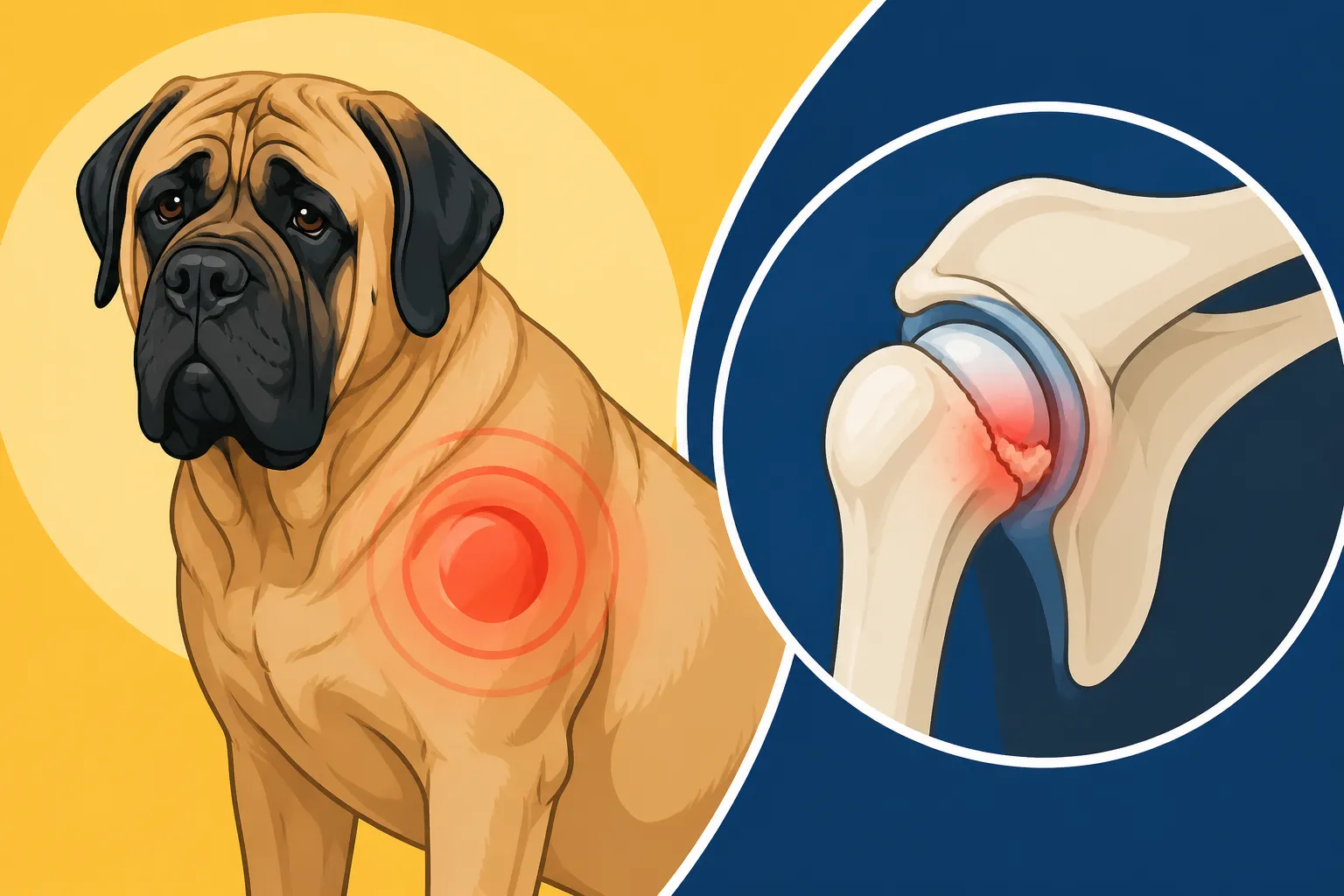
At its core, osteochondritis dissecans is a developmental orthopedic disease that primarily affects the cartilage in a dog's joints, most commonly the shoulder, but also the elbow, stifle (knee), and hock (ankle). Imagine the smooth, pearly-white cartilage that covers the ends of bones in a healthy joint, allowing them to glide effortlessly. With OCD, something goes wrong during the cartilage's development. Instead of maturing properly into strong, resilient tissue, a section of this cartilage thickens and fails to attach correctly to the underlying bone.
Over time, this weakened, unattached flap of cartilage can literally detach from the bone. It might stay partially connected or break off entirely, floating freely within the joint space, becoming what veterinarians call a "joint mouse." This detached flap, along with the exposed bone underneath, causes inflammation, pain, and can lead to secondary osteoarthritis if left untreated. For a Mastiff, whose joints already bear immense weight, this condition can be particularly debilitating.
Why Giant Breeds Are Susceptible to Joint Conditions
It’s no secret that giant breeds, including our beloved Mastiffs, face a higher risk of various joint and orthopedic issues compared to smaller dogs. This susceptibility isn't just bad luck; it's intricately linked to their incredible growth rate and genetic predispositions. A Mastiff puppy can put on several pounds a week, sometimes reaching over 100 pounds by six months of age. This explosive growth puts immense stress on their developing skeletal system.
The bones and cartilage are still relatively soft and pliable during this rapid growth phase. If factors like genetics, improper nutrition, or excessive exercise come into play, the delicate balance required for healthy joint development can be disrupted. Conditions like hip and elbow dysplasia are well-known examples, but OCD fits right into this category. The sheer speed at which their bodies change means there’s less room for error in their care and a greater chance for developmental anomalies to arise. Many Mastiff owners find themselves navigating the
The Specific Risks for Mastiffs
When we talk about Mastiffs and OCD, we're looking at a breed that embodies many of the risk factors. Firstly, their genetic blueprint plays a significant role. Breeders work hard to screen for many orthopedic conditions, and responsible Mastiff breeders will often test parents for issues like hip and elbow dysplasia, but genetic predispositions can still exist for conditions like OCD.
Secondly, their heavy frame is a double-edged sword. While it gives them their impressive presence, it also means their joints are under constant, significant load. This constant pressure can exacerbate any underlying developmental issues in the cartilage. Imagine a tiny crack in a foundation, and then imagine a skyscraper being built on it. That's a bit what it's like for a Mastiff's developing joints under the strain of their rapid weight gain.
Finally, their growth rate, as mentioned, is phenomenal. A Mastiff puppy needs very specific nutritional support and a carefully controlled exercise regimen to minimize stress on their developing joints. Deviations from this, such as feeding a diet too high in calories or calcium, or allowing too much vigorous exercise, can contribute to the manifestation of OCD and other orthopedic diseases.
Recognizing the Signs and Symptoms of Shoulder OCD in Your Mastiff
It’s often a subtle change that first catches your eye, a slight hesitation, a different way they lie down, or a little less enthusiasm for their morning romp. Because Mastiffs are stoic and often try to hide discomfort, catching the early signs of shoulder OCD can be challenging but is absolutely crucial.
Early Indicators and Subtle Changes
In the initial stages, the signs of shoulder OCD in a Mastiff can be intermittent and easy to dismiss as typical puppy clumsiness or a slight muscle strain. You might notice your Mastiff puppy showing a mild, subtle lameness or stiffness in one of their front legs, particularly after a period of rest, like getting up from a nap. This lameness might improve slightly after they've "warmed up" with a few minutes of gentle movement, only to reappear after another rest.
They might also become reluctant to engage in certain activities they once loved, such as jumping (which, for a Mastiff puppy, should always be discouraged anyway) or prolonged play. You might observe them shifting their weight, trying to avoid putting full pressure on the affected shoulder. Perhaps they're a little slower to come when called for a walk, or they sit down more frequently during a short stroll. These are all subtle cues that, while not definitive, should prompt you to pay closer attention to their movements and comfort levels. It’s a good reminder of why controlled exercise is so important for these giants;
More Pronounced Clinical Signs
As the condition progresses, the signs typically become more pronounced and consistent. The intermittent lameness can turn into a persistent, noticeable limp in one of the front limbs. Your Mastiff might hold the affected leg slightly off the ground when standing or avoid placing weight on it altogether. You might notice a change in their gait, perhaps a shorter stride or an altered head carriage as they try to compensate for the pain.
When you gently feel around their shoulder area, they might flinch or show clear signs of pain, perhaps even growling softly or trying to move away. Muscle atrophy can become apparent over time, especially in the muscles around the affected shoulder, as they naturally use that limb less. This is often visible as a noticeable thinning compared to the healthy shoulder. Swelling around the joint can also sometimes be present. Any of these more obvious symptoms warrant immediate veterinary attention.
The Importance of Timely Veterinary Consultation
I cannot stress enough how vital it is to consult your veterinarian as soon as you notice any persistent lameness or discomfort in your Mastiff's shoulder or any other joint. Waiting to see if it "gets better on its own" can lead to more significant damage, increased pain, and a more complicated treatment process down the line. What might start as a small, removable cartilage flap could, if neglected, lead to severe osteoarthritis and chronic pain that is much harder to manage.
Early diagnosis allows for earlier intervention, which can dramatically improve the prognosis and quality of life for your Mastiff. Your vet can rule out other conditions that present with similar symptoms, like a soft tissue injury or even other developmental orthopedic diseases. They can also discuss appropriate care, especially regarding their diet and controlled activity. Remember, early detection is always best when dealing with such a large and delicate growth process.
Diagnosing and Managing Shoulder OCD in Mastiffs
Once you've noticed the signs of a potential problem, the next step is getting a proper diagnosis. Navigating the world of veterinary diagnostics can be daunting, especially when dealing with such a large animal, but understanding the process can help you feel more prepared.
The Diagnostic Process
When you bring your Mastiff to the vet with concerns about lameness, the diagnostic journey typically begins with a thorough physical examination. Your vet will observe your Mastiff's gait, palpate the affected shoulder joint, and carefully manipulate the limb through its range of motion to assess for pain, swelling, or crepitus (a grinding sound or sensation). This initial assessment helps pinpoint the general area of discomfort.
The next crucial step usually involves X-rays. For large breeds like Mastiffs, sometimes special positioning or even light sedation might be required to get clear, diagnostic images. The X-rays will aim to visualize the shoulder joint, looking for classic signs of OCD, such as a defect in the cartilage surface, a detached cartilage flap (which can sometimes be mineralized and visible), or signs of secondary arthritis. In some cases, if the X-rays are inconclusive or if the vet needs a more detailed view of the cartilage and surrounding soft tissues, they might recommend advanced imaging techniques like an MRI or CT scan. These provide highly detailed cross-sectional images, offering the most comprehensive view of the joint's internal structures. This detailed imaging helps to confirm the diagnosis and determine the extent of the damage. For a growing giant, it is essential to get these checks done correctly, similar to how <The Age a Mastiff Puppy's Elbows Are First Filmed> is a critical milestone for elbow certification.
Treatment Options: Conservative vs. Surgical
Once diagnosed, your vet will discuss the appropriate treatment plan, which generally falls into two categories: conservative management or surgical intervention.
-
Conservative Management: This approach is typically considered for very young puppies (under 6-8 months of age) with mild signs, or if the cartilage flap is very small and thought to still be partially attached. It involves strict rest for several weeks or even months, often paired with pain medication, anti-inflammatory drugs, and joint supplements. The goal is to allow the cartilage to potentially reattach and heal on its own. During this period, all strenuous activity must be avoided, which can be a challenge with a boisterous Mastiff puppy! Careful attention to nutrition, ensuring slow and steady growth, is also vital. This might be a good time to review how
can impact their joints. -
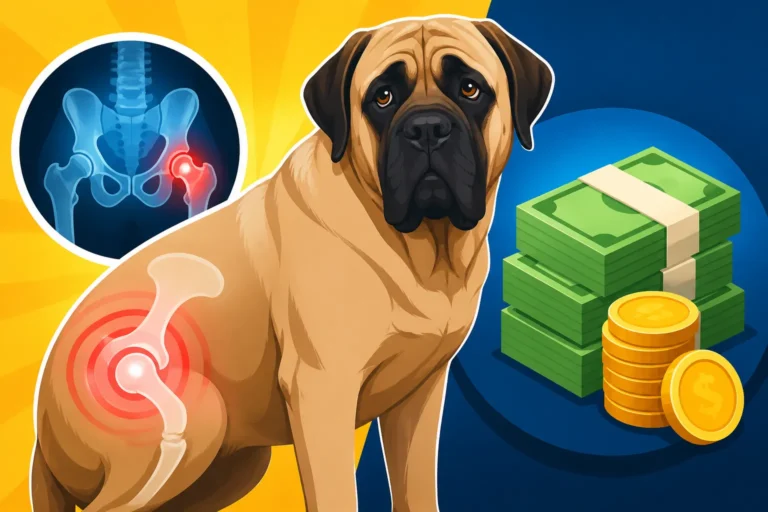
Surgical Intervention: For most Mastiffs with diagnosed shoulder OCD, especially older puppies or those with significant lameness or a fully detached cartilage flap, surgery is often the recommended course of action. The primary goal of surgery is to remove the loose cartilage flap and any damaged cartilage, and to stimulate the underlying bone to form a new, scar-like fibrocartilage. This helps alleviate pain and prevent further progression of the disease. The procedure is usually performed arthroscopically (minimally invasive, using a small camera and instruments) or via an open arthrotomy, depending on the vet's expertise and the specifics of the case. While surgery sounds daunting, it often provides the best long-term outcome for reducing pain and restoring function. The cost of such procedures can be a concern, and having a good pet insurance plan from a provider like Healthy Paws can certainly help mitigate some of the financial stress involved in these unexpected veterinary bills.
Post-Operative Care and Long-Term Management
Regardless of the treatment path, post-operative care and long-term management are critical for a Mastiff recovering from OCD. After surgery, your Mastiff will need a strict period of activity restriction, often involving crate rest and short, controlled leash walks. Pain management will continue, and your vet might recommend physical therapy or rehabilitation exercises to help strengthen the muscles around the joint and restore range of motion. This can be a slow process, but patience and consistency are key.
Long-term management often includes maintaining your Mastiff at a lean body weight, as excess weight puts additional strain on all joints. Joint supplements, such as glucosamine, chondroitin, and omega-3 fatty acids, are frequently recommended to support joint health, potentially for the remainder of their lives. You might want to explore
Preventing Joint Issues in Your Growing Mastiff
Preventing joint issues in a giant breed like a Mastiff starts from day one and continues throughout their critical growth period. While some genetic predispositions can't be entirely avoided, you have significant control over environmental factors that can make a huge difference.
The Critical Role of Nutrition
Nutrition is arguably one of the most critical factors in preventing developmental orthopedic diseases, including OCD, in Mastiff puppies. The biggest mistake an owner can make is trying to make their Mastiff puppy grow "big and fast" by overfeeding or feeding inappropriate diets. Rapid growth is a known risk factor for joint problems.
Your Mastiff puppy needs a high-quality large breed puppy food specifically formulated to promote slow, steady growth. These diets typically have a carefully controlled balance of calories, protein, and crucial minerals like calcium and phosphorus. Too much calcium, for instance, can interfere with normal bone and cartilage development and significantly increase the risk of conditions like OCD. Always follow the feeding guidelines for large and giant breeds, and consult your breeder and veterinarian on the best food choices. Don't fall for the trap of thinking more food means a healthier, bigger dog; in this case, it often means more problems down the road. Understanding <What Excess Calcium Does to a Mastiff's Elbows> can shed more light on this.
Controlled Exercise and Avoiding Overexertion
While it's tempting to let a playful Mastiff puppy run wild, controlled exercise is paramount. High-impact activities, repetitive jumping, prolonged running, or excessive stair climbing can put undue stress on their still-developing joints and growth plates. Their immense size makes them particularly vulnerable to injury during these crucial developmental months.
Instead of vigorous activity, focus on short, frequent, low-impact exercise sessions. Gentle leash walks on soft surfaces are ideal. Supervised playtime in a safe, fenced yard is fine, but avoid long, forced marches or intense fetch sessions. Never push a puppy past their willingness to play or explore. If they plop down, they're done! Understanding
Regular Health Checks and Early Intervention
Regular veterinary check-ups are non-negotiable for a growing Mastiff. Your veterinarian can monitor their growth rate, assess their gait, and perform physical examinations to detect any subtle signs of joint discomfort or developmental issues before they become severe. Don't hesitate to discuss any concerns, no matter how minor they seem.
Early intervention is always the best approach. If you're concerned about a shifting lameness or any change in your Mastiff's movement, don't wait. Early diagnosis of conditions like OCD allows for prompt treatment, which can significantly improve outcomes and potentially reduce the severity of long-term consequences like arthritis. Being proactive about their health means catching problems when they are most treatable. An insurance provider like Healthy Paws can give you peace of mind that you'll be able to afford the necessary diagnostic tests and treatments if a joint issue does arise.
| Symptom Feature | Normal "Growing Pains" (Panosteitis) | Osteochondritis Dissecans (OCD) in Shoulder |
|---|---|---|
| Onset Age | Typically 5-18 months | Typically 4-9 months |
| Lameness Pattern | Shifting lameness (different legs, waxing/waning) | Often localized to one joint, persistent |
| Pain Location | Long bones (femur, tibia, humerus) | Specific joint (e.g., shoulder) |
| Swelling | Rare, sometimes generalized bone sensitivity | Localized joint swelling (sometimes) |
| Joint Mobility | Usually normal, pain on bone palpation | Pain on joint manipulation, decreased range of motion |
| Response to Rest | Often improves with rest, then reappears | May improve slightly, but lameness persists |
| Fever | Possible low-grade fever | Typically absent |
| Diagnosis | X-rays show changes in bone marrow density | X-rays show cartilage defect, possible flap |
| Prognosis | Self-limiting, resolves with age | Requires treatment, potential for chronic issues |
Disclaimer
This guide is intended for informational purposes only and does not constitute veterinary advice. Always consult with a qualified veterinarian for any health concerns or before making any decisions about your Mastiff's care, diet, or treatment.