Whether the Cystinuria Marker Test Is Reliable in Mastiffs
It’s truly disheartening when you’re doing everything right for your beloved Mastiff—providing excellent nutrition, plenty of love, and responsible care—only to be blindsided by a genetic health concern like Cystinuria. The worry is immense, and then comes the question: if you get a genetic test done, can you truly trust the results? This guide aims to thoroughly explore the reliability of the Cystinuria marker test in Mastiffs, giving you peace of mind and the knowledge to make informed decisions.
Understanding Mastiff Cystinuria Type III
Cystinuria is one of those words that sounds scary, and for good reason. It’s a genetic disorder that affects certain breeds, and unfortunately, our magnificent Mastiffs are among them. It’s not just a fancy term; it's a serious condition that can lead to life-threatening complications if not managed properly.
What is Cystinuria and its Impact on Mastiffs?
At its core, Cystinuria is a metabolic disorder where the kidneys can't properly reabsorb certain amino acids, primarily cystine. Instead of being reabsorbed and utilized by the body, these amino acids are excreted in excessive amounts in the urine. Cystine itself isn't very soluble, especially in acidic urine, and when it accumulates, it starts to form crystals. These crystals then clump together, eventually forming stones, which can become quite large.
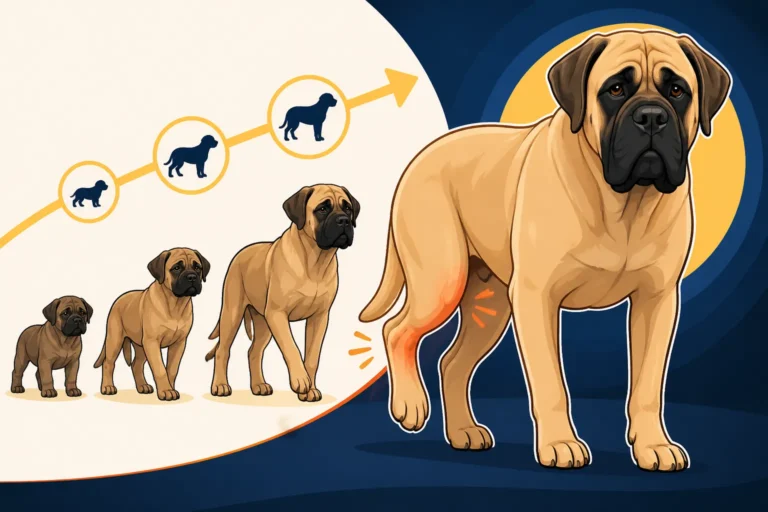
For our Mastiffs, this means the formation of cystine bladder stones or kidney stones. These stones can cause a whole host of painful issues: frequent urination, straining to urinate, blood in the urine, and recurrent urinary tract infections. The worst-case scenario, and sadly, a common one, is a complete urinary blockage, especially in male dogs. This is an absolute emergency. An intact male Mastiff can go from seemingly fine to critically ill in a matter of hours if a stone blocks his urethra, preventing him from urinating. Understanding what Cystinuria Type III does to a Mastiff truly underscores the importance of early detection and management.
Why Genetic Testing Became Essential
Historically, discovering Cystinuria often happened the hard way: when a dog presented with symptoms like straining or blood in the urine, leading to diagnostic imaging and the discovery of stones. By then, the dog is already in pain, and owners face potentially expensive emergency veterinary care, including surgery. Given that Mastiffs are prone to this condition, and considering the short lifespan many Mastiffs get, proactive measures are paramount. The financial burden of stone surgery can be significant, so preventative care and knowing the genetic status of your dog or prospective puppy are huge advantages.
The development of a genetic test for Cystinuria Type III in Mastiffs has been a game-changer. It allows breeders to identify carriers and affected dogs before any symptoms even appear, preventing affected dogs from being bred and thus reducing the prevalence of the disease in future generations. For prospective puppy owners, it offers a way to choose a puppy from parents with known genetic status, hopefully avoiding the heartache and expense associated with this condition down the line. It's a powerful tool for responsible breeding and early management.
The Cystinuria Marker Test: How It Works
So, how exactly does this test work, and what can we expect from it? It’s not magic, but rather sophisticated science that has brought us to a point where we can peer into a dog’s genetic code.
The Science Behind the DNA Test
The Cystinuria marker test for Mastiffs specifically targets the genetic mutation responsible for Type III Cystinuria, which is the form prevalent in the breed. Unlike some other forms of Cystinuria, Type III is "androgen-dependent," meaning it's influenced by male hormones, which explains why we primarily see stone formation in intact male Mastiffs. This particular test looks for a specific genetic "marker" or variation in a particular gene that has been scientifically linked to the condition.
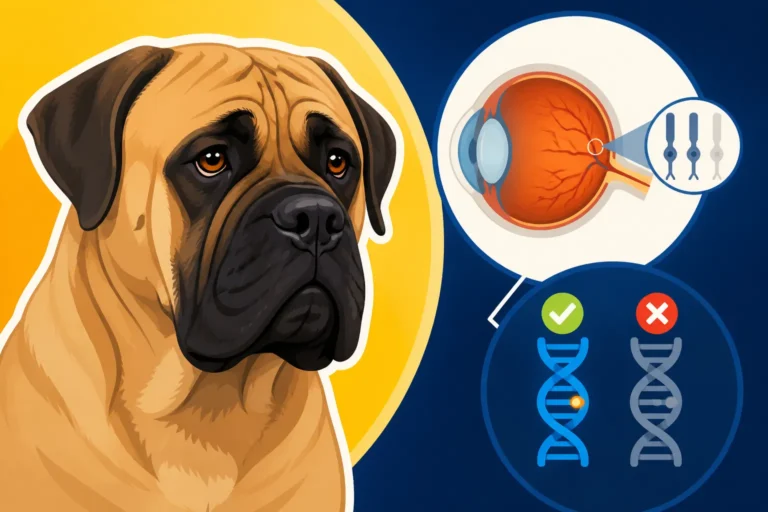
When a sample, usually a cheek swab, is sent to a specialized veterinary genetics lab, they extract the dog’s DNA. Using techniques like Polymerase Chain Reaction (PCR), they amplify the specific region of the DNA containing the suspected mutation. Then, they analyze this region to determine if the dog carries one or two copies of the mutated gene, or if it carries none at all. This allows for a clear classification of the dog's genetic status regarding Cystinuria Type III. Knowing "Why Mastiff Cystinuria Is Androgen Dependent" helps clarify why specific testing focuses on this genetic mechanism.
Interpreting Test Results: Clear, Carrier, Affected
The results of a Cystinuria marker test typically fall into one of three categories, each with distinct implications for the dog's health and for breeding programs:
- Clear (N/N or Homozygous Normal): This means the dog does not carry the specific genetic mutation for Cystinuria Type III. A clear dog has two normal copies of the gene and cannot pass the mutation on to its offspring. These dogs are at minimal risk of developing Cystinuria Type III.
- Carrier (N/C or Heterozygous): A carrier dog has one normal copy of the gene and one copy of the mutated gene. Carriers generally do not develop the disease themselves, especially females or neutered males, though there might be a very low, atypical risk in some cases. The crucial point for carriers is that they can pass the mutated gene on to approximately 50% of their offspring if bred. Therefore, careful breeding decisions must be made when considering a carrier.
- Affected (C/C or Homozygous Affected): This indicates the dog has two copies of the mutated gene, meaning it is genetically predisposed to developing Cystinuria Type III. These dogs are at the highest risk of forming cystine stones, particularly intact males. "How Many Mastiffs Carry the Type III Marker" can sometimes be surprising, highlighting the importance of testing.
It’s important to remember that 'affected' means genetically predisposed; not all affected dogs will form stones, especially if they are female or neutered. However, the genetic blueprint is there, and proactive management is highly recommended for any intact male Mastiff with an affected status.
The Reliability Factor: Is the Test Always Right?
This is the million-dollar question for any genetic test, especially when stakes are so high for our dogs and for future breeding efforts. While genetic tests are powerful tools, no test is ever 100% infallible, and understanding the nuances of reliability is key.
The Strengths of the Current Marker Test
The Cystinuria Type III marker test for Mastiffs is generally considered highly reliable for the specific mutation it targets. It's a direct DNA test, meaning it looks for the actual genetic change, rather than an indirect marker. This gives it a significant advantage in accuracy over older, less specific tests. When performed by a reputable, experienced veterinary genetics laboratory, the test boasts a very high degree of sensitivity and specificity for the known mutation. This means:
- High Sensitivity: It's very good at identifying dogs that do have the mutation (affected and carriers), leading to very few "false negatives" where a dog has the mutation but tests clear.
- High Specificity: It's very good at identifying dogs that do not have the mutation (clear), leading to very few "false positives" where a dog is clear but tests as a carrier or affected.
For breeders, this reliability allows for confident decision-making to reduce the incidence of Cystinuria in their lines. For owners, it provides a strong foundation for managing their dog's health. Many breeders use services like those offered by the Orthopedic Foundation for Animals (OFA) or university labs which have established protocols and quality control measures. Knowing that the results come from a trusted source adds immensely to confidence in the test's reliability. It’s a similar story to "The DNA Test That Finds Mastiff PRA," where direct mutation testing provides clear answers.
Limitations and Potential Pitfalls
Despite its strengths, it's crucial to acknowledge that even the most reliable test has potential limitations and scenarios where results might need further consideration:
- New or Unknown Mutations: The current test is specific to the known Type III Cystinuria mutation in Mastiffs. It's theoretically possible, though less common for a well-studied breed like the Mastiff, that other, as-yet-undiscovered mutations could cause a similar condition. If a dog tests clear but develops Cystinuria-like symptoms, this possibility, however rare, might be investigated. However, for Mastiff Type III, the identified marker is very consistent.
- Laboratory Error: While rare in reputable labs, human or technical error can occur. This could include sample mix-ups, contamination, or procedural mistakes. This is why choosing a highly reputable laboratory is paramount.
- Sample Quality: A poor-quality DNA sample (e.g., insufficient cells on a cheek swab, contaminated sample) could lead to an inconclusive result, requiring retesting.
- Androgen Dependency: The test identifies genetic predisposition, but the manifestation of the disease (stone formation) is highly dependent on androgens (male hormones). A female Mastiff or a neutered male Mastiff might be genetically affected (C/C) but never actually form stones because they lack the hormonal trigger. The test is reliable in identifying the genetic status, but this doesn't always directly equate to clinical disease in every individual, especially those without the hormonal factors. This is a critical distinction that sometimes confuses owners. "Why only intact male Mastiffs form cystine stones" offers more detail on this hormonal link.
Why Independent Verification Matters
To maximize confidence in your Mastiff’s Cystinuria test results, especially for breeding stock, independent verification and working with reputable entities are key.
Firstly, always choose a well-established, accredited veterinary genetics laboratory. These labs have rigorous quality control standards, perform tests in duplicate, and have protocols in place to minimize errors. They often work closely with breed clubs and veterinary specialists, ensuring their tests are accurate and up-to-date with scientific findings. For example, labs often affiliated with veterinary schools or those certified by organizations like the OFA typically have excellent reputations.
Secondly, consider clinical correlation. If a dog tests as a carrier or affected, especially an intact male, regular urine checks for cystine crystals can provide an added layer of confidence. If a dog tests clear but then presents with symptoms suggestive of Cystinuria, further veterinary investigation is warranted, including a urinalysis and imaging, to rule out other causes or extremely rare, atypical presentations. However, for the specific Type III Cystinuria in Mastiffs, the DNA test is largely considered definitive for genetic status.
If there's any doubt about a result, don't hesitate to discuss it thoroughly with your veterinarian and potentially contact the lab directly. In some rare instances, a retest might be recommended to confirm a result, particularly if the initial result was unexpected or inconclusive. This diligent approach helps ensure that you have the most accurate information possible for your Mastiff's health.
Living with Results: Care and Breeding Considerations
Receiving your Mastiff's Cystinuria marker test results is a significant step, whether they are clear, a carrier, or affected. Understanding these results is crucial for providing the best care and making responsible breeding choices.
Managing a Mastiff with a Positive Test
If your Mastiff tests as affected (C/C), especially if it's an intact male, proactive management is absolutely vital to prevent stone formation and blockages. This typically involves several key strategies:
- Dietary Changes: Often, a prescription diet low in protein and methionine (a precursor to cystine) is recommended. These diets help reduce the amount of cystine available for stone formation. Your vet will guide you on the best specific food.
- Increased Water Intake: Keeping your Mastiff well-hydrated is crucial. Dilute urine helps prevent cystine from concentrating and forming crystals. This might involve adding water to food, offering multiple water sources, or even using a drinking fountain. You might even consider a low-sodium broth to encourage more drinking. "How Much Water a Cystinuric Mastiff Needs" is a question worth exploring with your vet.
- Urine Alkalinization: Sometimes, medications like potassium citrate are prescribed to raise the pH of the urine, making it more alkaline. Cystine is more soluble in alkaline urine, thus inhibiting stone formation. Regular monitoring of urine pH will be necessary.
- Frequent Monitoring: Regular urinalysis checks for cystine crystals and urinary tract infections, along with periodic abdominal ultrasounds or X-rays to check for stone formation, are often part of a management plan. "How Often an Intact Male Mastiff's Urine Is Checked" will be part of this discussion with your vet.
- Neutering: For intact male Mastiffs, neutering can dramatically reduce, or even eliminate, the risk of stone formation due to the androgen-dependent nature of Type III Cystinuria. This is often a strong recommendation for affected males. "Why Neutering Ends the Cycle in a Cystinuric Mastiff" explains this further. This also directly impacts whether neutering resolves a Mastiff's Cystinuria.
Managing a chronic condition like Cystinuria can be financially demanding, from specialized diets and medications to regular vet visits and potential emergency surgeries like "What Stone Surgery Costs on a Mastiff." This is where a robust pet insurance plan can be invaluable. Providers like Healthy Paws can help cushion the blow of these unexpected or ongoing veterinary expenses, allowing you to focus on your Mastiff's health without the added financial stress.
Making Informed Breeding Decisions
For breeders, the Cystinuria marker test provides indispensable information for ethical and responsible breeding practices.
- Affected Dogs (C/C): Dogs identified as affected with Type III Cystinuria should be removed from breeding programs. While they may not always show clinical signs, breeding them carries a 100% chance of passing on a copy of the mutation to all offspring, and a high likelihood of producing affected puppies if bred with another carrier or affected dog. "Why a Cystinuric Mastiff Is Removed From Breeding" is a clear guideline from responsible breeding communities.
- Carrier Dogs (N/C): The decision for carriers is more nuanced. Carriers themselves are usually healthy, but they can pass the gene to their offspring. Responsible breeding dictates that carriers should only be bred to clear (N/N) dogs. When a carrier is bred to a clear dog, on average, 50% of the litter will be clear, and 50% will be carriers. No affected (C/C) puppies will be produced. All puppies from such a breeding should be tested to identify carriers, who would then also be bred responsibly (to clear dogs) or be placed in pet homes with neutering contracts. This approach helps maintain genetic diversity within the breed while still working to reduce the prevalence of the disease.
- Clear Dogs (N/N): Clear dogs are ideal for breeding as they cannot pass on the Cystinuria Type III mutation.
The goal of genetic testing in breeding programs is not to eliminate all carriers overnight, as this could severely limit the gene pool and introduce other genetic problems. Instead, it’s about making informed choices to gradually reduce the frequency of the problematic gene while maintaining genetic diversity. Transparency in sharing test results is also a hallmark of ethical breeding.
By utilizing the Cystinuria marker test, Mastiff owners and breeders can work together to ensure the health and longevity of this magnificent breed, making proactive decisions that safeguard the well-being of these gentle giants.
Disclaimer
This article is intended for informational purposes only and does not constitute veterinary advice. Always consult with a qualified veterinarian regarding your Mastiff's health and any medical concerns. Genetic testing results should be interpreted in conjunction with a veterinarian who can provide guidance tailored to your specific situation.