Whether a Female Mastiff Ever Forms Cystine Stones
It’s a natural worry for any Mastiff owner to be concerned about serious health issues, and urinary stones, especially the dreaded cystinuria, often come up in conversation. The thought of your beloved giant struggling with painful blockages or needing emergency surgery is terrifying. Many people hear about the challenges with cystine stones and immediately wonder if their female Mastiff is also at risk. Let's dig deep into this specific concern and clarify whether a female Mastiff ever forms cystine stones, bringing you peace of mind and the knowledge you need.
The Specifics of Cystinuria Type III in Mastiffs
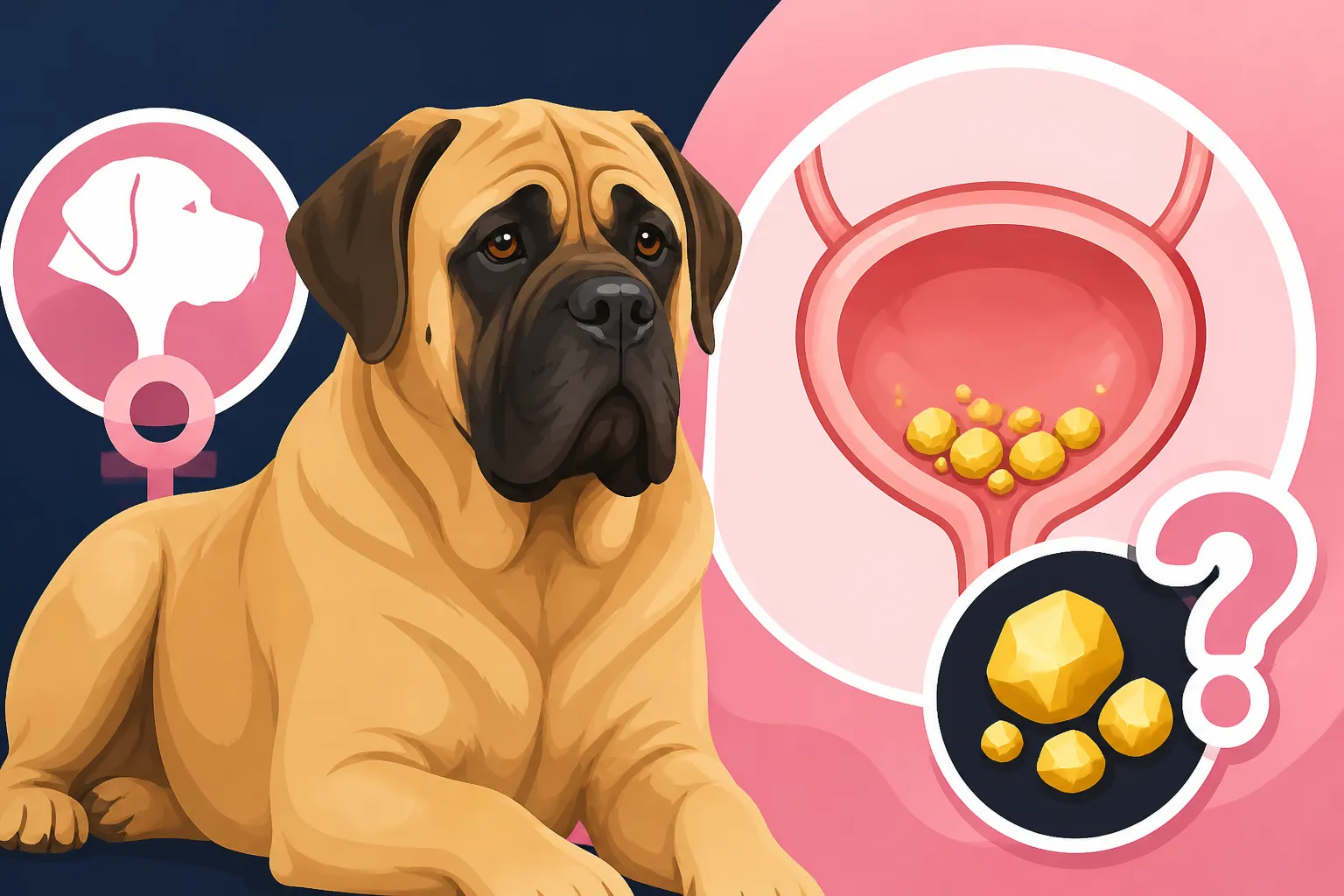
When we talk about cystine stones in Mastiffs, we're almost exclusively referring to a condition called Cystinuria Type III. This isn't just any old bladder stone; it's a specific genetic disorder that impacts how the kidneys reabsorb certain amino acids, including cystine. Instead of being properly reabsorbed back into the bloodstream, excess cystine is spilled into the urine, where it can crystallize and form stones. These stones can range from tiny, sand-like particles to large, obstructing masses.
The critical piece of information here, and what often alleviates the fears of female Mastiff owners, is that Cystinuria Type III in Mastiffs is sex-linked or, more precisely, androgen-dependent. This means the expression of the disease, the actual formation of stones, is heavily influenced by male hormones. While a female Mastiff can indeed carry the genetic mutation for Cystinuria Type III, her hormonal profile typically prevents her from developing the clinical signs – the actual stones and subsequent blockages. It's a bit like a car having the engine but lacking the fuel to run. The genetic predisposition is there, but the hormonal trigger isn't.
This is a significant distinction, as it moves the female Mastiff out of the immediate danger zone for this particular type of stone. However, understanding Cystinuria Type III and the Intact Male Mastiff is crucial for breeders and owners of male dogs, as they face very real and urgent risks.
Genetic Inheritance and Female Carriers
To fully grasp why female Mastiffs don't typically form cystine stones, we need to briefly touch upon the genetics. Cystinuria Type III is inherited in an autosomal recessive pattern. This means a dog must inherit two copies of the mutated gene (one from each parent) to be "affected" and theoretically at risk of forming stones, or one copy to be a "carrier."
For a female Mastiff, even if she inherits two copies of the mutated gene, making her genetically "affected," the lack of sufficient androgenic (male) hormones means the cystine often doesn't precipitate into stones. She's genetically predisposed, yes, but clinically largely unaffected by this specific type of stone. She could, however, pass on those two copies to her offspring, making breeding decisions paramount. This is a common question, and understanding Why Mastiff Retinal Atrophy Needs Only One Copy of the Gene (a different genetic condition, but illustrating genetic principles) can help clarify inheritance patterns in general.
Why the Concern for Males? The Hormonal Link
The reason we focus so heavily on intact male Mastiffs when discussing cystinuria is precisely because of their hormones. Testosteron plays a significant role in the reabsorption of cystine in the kidneys. When an intact male Mastiff has the genetic predisposition for Cystinuria Type III, the presence of testosterone exacerbates the issue, leading to a much higher concentration of cystine in the urine. This oversaturation is what drives the formation of crystals and, eventually, stones.
This is why, for many years, breeders and veterinarians often recommended neutering affected or at-risk males as a primary management strategy, sometimes even before the full understanding of the genetic test was widespread. Neutering reduces the production of testosterone, which in turn can significantly lower the concentration of cystine in the urine, often preventing stone formation or recurrence. This topic is explored in detail in discussions like Why Neutering Resolves a Mastiff's Cystinuria. It’s not a cure for the genetic mutation, but it often mitigates the clinical disease.
The Role of Androgens in Cystine Stone Formation
The critical difference between male and female Mastiffs regarding cystine stones boils down to biochemistry and the physiological response to hormones. It's not just about having the gene; it's about the internal environment that allows the gene's negative effects to manifest. Think of it like a seed (the gene) needing the right soil and water (the hormones) to sprout into a problem (the stones).
Male Mastiffs, particularly intact ones, produce androgens, primarily testosterone, in much higher quantities than females. These hormones interact with the kidneys at a fundamental level, influencing how they process and reabsorb various substances, including cystine. In Mastiffs genetically predisposed to Cystinuria Type III, these androgens essentially "turn on" or significantly amplify the process that leads to excessive cystine excretion. Without the high levels of these specific hormones, the genetic predisposition remains largely dormant in terms of stone formation.
Biochemical Pathways and Crystal Precipitation
Cystine is not very soluble in urine. When its concentration becomes too high, it starts to precipitate out of the solution, forming tiny crystals. These crystals then aggregate, growing larger over time to become stones. In male Mastiffs with Cystinuria Type III, the androgenic hormones contribute to this high urinary cystine concentration in a few ways. They can affect the activity of transporters in the kidney tubules that are responsible for reabsorbing cystine, making them less efficient. This means more cystine stays in the urine rather than returning to the bloodstream.
Furthermore, some research suggests that androgens might also influence urine pH and other factors that create a more favorable environment for cystine crystal formation. While a specific urine pH is a general factor for stone formation (acidic urine often favors cystine stone formation), the core issue in Cystinuria Type III is the sheer volume of cystine being excreted, driven by the hormonal influence. This helps us understand Why Mastiff Cystinuria Is Androgen Dependent at a deeper level.
Why Females Don't Have the Same Risk Profile
Because female Mastiffs produce significantly lower levels of androgens, their kidneys process cystine differently. Even if a female carries two copies of the problematic gene, the lack of that crucial hormonal trigger means her urinary cystine concentrations typically remain below the threshold for precipitation. Therefore, while a female Mastiff can be a genetic carrier or even genetically affected with Cystinuria Type III, she is highly unlikely to form cystine stones herself. It's truly a unique characteristic of this particular genetic mutation in the breed, making it an almost exclusively male health concern.
It’s important to remember that this genetic test and understanding is relatively recent. For years, the only way to manage this condition was often after a male dog had already experienced a painful blockage, which underscores why The Hours a Blocked Male Mastiff Has are so critical. Early diagnosis and proactive management, including considering neutering, are key for affected males.
Other Stone Types and Diagnostic Nuances in Female Mastiffs
While female Mastiffs are largely exempt from cystine stones, it's vital to understand that they are not immune to all types of urinary stones. Dogs, regardless of breed or sex, can develop other kinds of uroliths, such as struvite or calcium oxalate stones. These stones form due to different underlying causes, often related to diet, urinary tract infections, or metabolic imbalances, rather than the specific genetic and hormonal factors of Cystinuria Type III.
So, if a female Mastiff presents with symptoms of urinary discomfort – frequent urination, straining, blood in the urine, or accidents in the house – it's crucial for a veterinarian to investigate thoroughly. The diagnostic process will often be similar to any dog suspected of urinary stones, involving urinalysis, urine culture, and imaging such as X-rays or ultrasound. These tests help determine the presence, size, location, and crucially, the type of stone.
Differentiating Stone Types
The appearance of stones on an X-ray can sometimes give a clue as to their composition, but definitive diagnosis often requires stone analysis after removal or, if small enough, analysis of crystals in the urine.
Here’s a quick overview of common stone types:
| Stone Type | Common Causes | Affects Females? | X-ray Visibility |
|---|---|---|---|
| Cystine | Genetic mutation, high androgens (Type III) | Rarely/Never | Radiolucent (hard to see) |
| Struvite | Urinary tract infection (often with Staphylococcus or Proteus bacteria), alkaline urine | Yes, very common | Radiopaque (easily seen) |
| Calcium Oxalate | Genetic predisposition, high calcium in blood/urine, certain diets, metabolic disorders | Yes, common | Radiopaque (easily seen) |
| Urate | Genetic predisposition (e.g., Dalmatians), liver disease (portosystemic shunts) | Yes | Radiolucent (hard to see) |
As you can see from the table, cystine stones are specifically highlighted as rare or never in females, whereas others are common. If your female Mastiff has symptoms, these other types of stones would be the primary suspects.
When a Female Mastiff Has Urinary Stones
If a female Mastiff is diagnosed with urinary stones, it is almost certainly going to be struvite or calcium oxalate, rather than cystine. The treatment for these stones differs significantly. Struvite stones can sometimes be dissolved with a special prescription diet and antibiotics to clear any underlying infection, though surgical removal might also be necessary. Calcium oxalate stones, on the other hand, usually require surgical removal and then dietary management to prevent recurrence, as they cannot be dissolved.
The reality of these situations is that they can quickly become expensive, especially with a giant breed like a Mastiff. Diagnostic imaging, specialized diets, potential surgeries, and follow-up care can really add up. Having a robust pet insurance plan, such as one from Healthy Paws, can be an absolute lifesaver. It allows you to make decisions based on what's best for your Mastiff's health, rather than being solely driven by cost. It’s an investment in peace of mind.
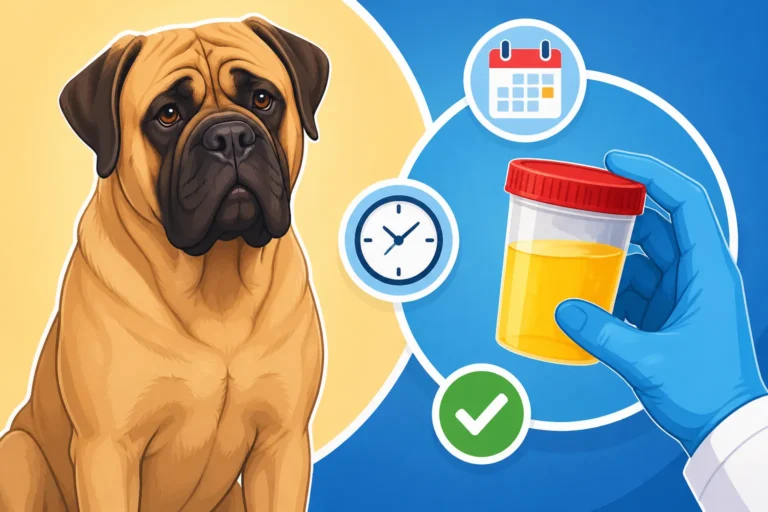
Regular veterinary check-ups, even for healthy dogs, are essential. Catching urinary issues early can make a big difference in outcome and cost. Your vet might suggest regular urinalysis for high-risk individuals, or simply advise you on the signs to watch for. If you want to know How Often an Intact Male Mastiff's Urine Is Checked, that article goes into more detail for the at-risk population.
Proactive Care and Maintaining Urinary Health for All Mastiffs
While the specific fear of cystine stones can be largely set aside for female Mastiffs, general urinary tract health remains a critical aspect of their overall well-being. Keeping any Mastiff, male or female, healthy and comfortable means focusing on good hydration, appropriate diet, and prompt attention to any signs of illness.
These magnificent dogs are prone to a host of other health concerns, and urinary issues, though less dramatic than bloat or orthopedic problems, can severely impact their quality of life. As responsible owners, our goal is always prevention and early detection.
The Importance of Hydration
One of the simplest yet most effective ways to promote urinary health is ensuring your Mastiff has constant access to fresh, clean water. Good hydration helps keep urine dilute, which reduces the concentration of minerals and other substances that can lead to stone formation. The more dilute the urine, the harder it is for crystals to form and clump together.
Encourage drinking by:
- Placing multiple water bowls around the house.
- Using large, stable bowls that won't easily tip over.
- Considering a pet water fountain, as some dogs are enticed by moving water.
- Adding a little water or low-sodium broth to their kibble to increase fluid intake.
Understanding How Much Water a Cystinuric Mastiff Needs for a male can also give you insight into ideal hydration levels for general urinary health.
Dietary Considerations
The right diet plays a huge role in urinary health. While specific therapeutic diets are prescribed for existing stones, a balanced, high-quality commercial diet is usually suitable for healthy Mastiffs. However, if your Mastiff has a history of urinary issues or you have concerns, discuss this with your veterinarian. They might recommend diets that promote a specific urine pH or have controlled levels of certain minerals. For example, diets high in protein or certain minerals can sometimes predispose dogs to particular stone types.
It's also essential to avoid excessive supplementation without veterinary guidance, as some supplements can inadvertently contribute to mineral imbalances. When your Mastiff gets older, their dietary needs might shift, and discussing What Changes in an Old Mastiff's Bowl can be beneficial for proactive care.
Recognizing Warning Signs
Being observant is key to catching any urinary tract issues early. Here are some signs to watch for in your female Mastiff:
- Increased Frequency of Urination: She seems to need to go out more often than usual.
- Straining to Urinate (Stranguria): She crouches to urinate but little or no urine comes out, or she seems uncomfortable.
- Blood in Urine (Hematuria): Visible pink, red, or rust-colored urine.
- Licking Genital Area Excessively: This often indicates discomfort or irritation.
- Urinary Accidents in the House: Especially if she's normally reliably house-trained.
- Changes in Urine Stream: A weak or interrupted stream could indicate a partial blockage, though this is rare in females.
- Lethargy or Loss of Appetite: These are general signs of illness but can accompany urinary problems.
If you notice any of these symptoms, don't wait. Contact your veterinarian immediately. Early diagnosis and treatment are crucial to prevent complications, pain, and more severe health problems. While female Mastiffs don't form cystine stones, they can still get bladder infections, bladder inflammation, or other types of stones, all of which require veterinary attention. For emergency situations, it's wise to know Whether an Emergency Clinic Will Take a Mastiff at All and what their capabilities are for such large dogs.
Disclaimer
This article is intended for informational purposes only and does not constitute professional veterinary advice. Always consult with a qualified veterinarian for any health concerns or before making any decisions about your Mastiff's care.