The Age a Mastiff Is Certified by OFA
One of the most agonizing anxieties for any Mastiff owner or prospective owner revolves around the health of those massive joints. You envision your gentle giant lumbering happily through the years, but the specter of hip and elbow dysplasia can cast a long shadow. Understanding the official age and process for Orthopedic Foundation for Animals (OFA) certification is absolutely crucial, not just for peace of mind, but for making informed decisions that impact your Mastiff's quality of life and the future of the breed. This guide will walk you through the essential timeline and details you need to know about OFA certifications for your Mastiff.
Understanding OFA Certification for Mastiffs
The Orthopedic Foundation for Animals, or OFA, is an organization dedicated to improving the health and well-being of companion animals through objective health screenings. For giant breeds like the Mastiff, which carry immense weight and grow at an astonishing rate, OFA certifications for hips and elbows are paramount. These tests aim to identify dogs affected by or genetically predisposed to conditions like hip and elbow dysplasia, thereby guiding responsible breeding practices.
What OFA Certification Means for Giant Breeds
For Mastiffs, OFA certification isn't just a fancy piece of paper; it's a vital tool in the fight against debilitating genetic conditions. Hip and elbow dysplasia are unfortunately common in large and giant breeds. Hip dysplasia (HD) is a genetic, developmental condition where the hip joint forms abnormally, leading to looseness, pain, and eventually degenerative joint disease (arthritis). Elbow dysplasia (ED) is a complex condition involving multiple growth disturbances of the elbow joint, also causing lameness and arthritis. Given that a Mastiff can easily weigh over 150 pounds, sometimes pushing past 200, the stress on poorly formed joints is immense and can lead to a severely compromised quality of life. This is why thorough, objective evaluation through OFA is so incredibly important for the breed. Without it, these gentle giants would face even more challenges as they age, making Why a Mastiff's Hips Fail Under Its Own Weight a constant concern for owners.
The Different OFA Evaluations
The OFA offers a range of health evaluations, but for Mastiffs, the focus is almost always on hips and elbows. These are the foundational screenings. Hip evaluations involve X-rays taken under specific positioning protocols to assess the conformity and health of the hip joints. These are then graded by a panel of three independent veterinary radiologists, ensuring an objective assessment. Elbow evaluations similarly use X-rays to check for malformations that lead to elbow dysplasia. The results are published in a public database, allowing prospective buyers and breeders to verify a dog's health status. Beyond hips and elbows, responsible Mastiff breeders often pursue additional OFA clearances, such as cardiac exams to screen for heart conditions, eye examinations by a board-certified veterinary ophthalmologist to detect inherited eye diseases, and patella evaluations. Some breeders also test for other genetic conditions specific to Mastiffs, like those related to The DNA Test That Finds Mastiff PRA or What Degenerative Myelopathy Does to a Mastiff.
The Critical Age for OFA Hip and Elbow Certification
When you're eager to get your Mastiff's health clearances, it's easy to want to rush the process. However, the timing for OFA certification is not arbitrary; it's based on the physiological reality of canine skeletal development, especially in massive breeds.
The Official Age Requirement for OFA Final Clearances
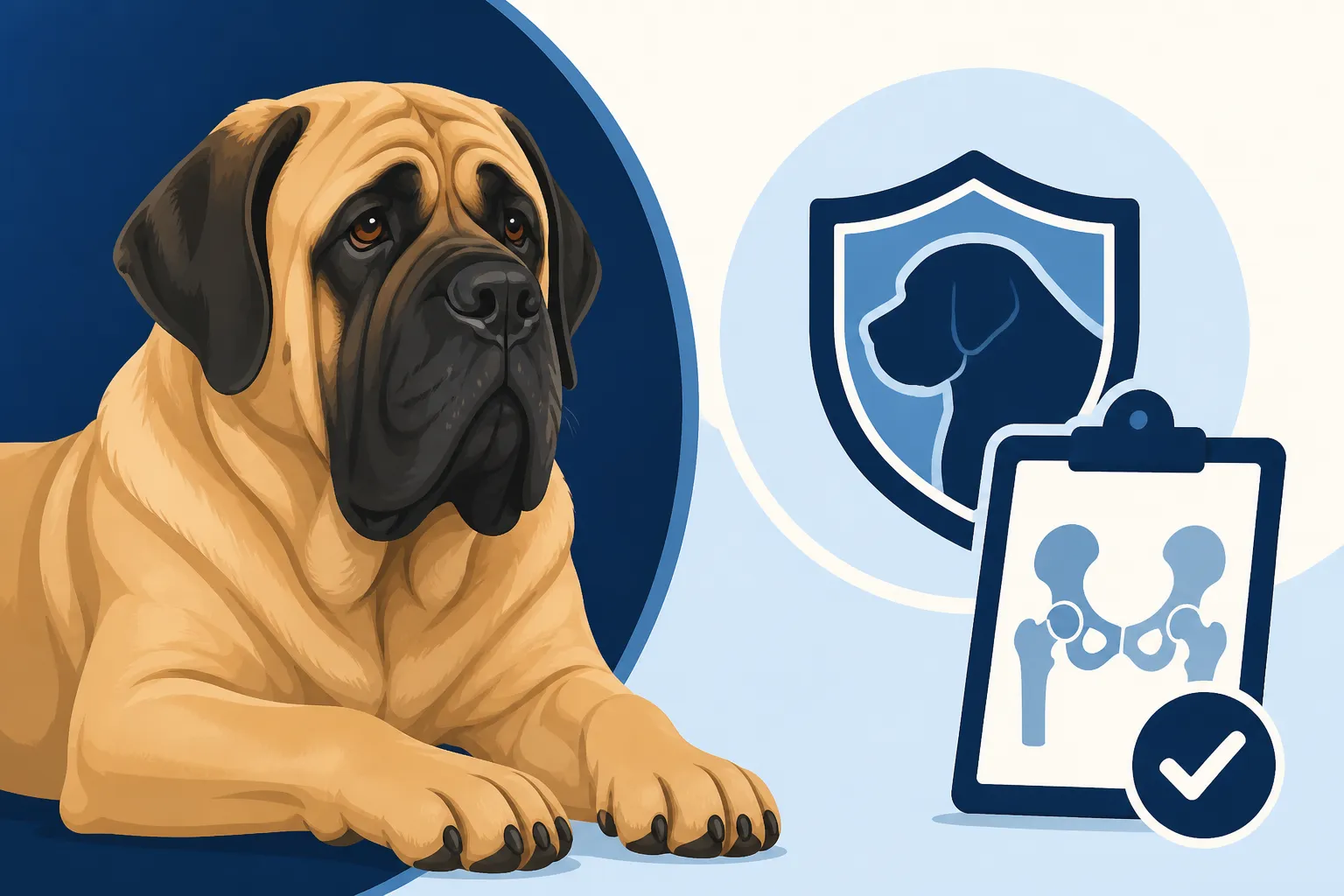
The Orthopedic Foundation for Animals (OFA) has a very specific age requirement for issuing a final hip or elbow certification: the dog must be at least 24 months (two years) of age. This two-year benchmark is not a suggestion; it's a strict rule. The reason for this firm cutoff is simple but profound: by two years old, most dogs, even giant breeds like Mastiffs, have reached skeletal maturity. Their growth plates have typically closed, and their bones and joints have finished developing into their adult conformation. Assessing a joint before this stage can lead to inaccurate results because the structures are still changing and forming. Imaging a rapidly growing puppy, even a year-old Mastiff, simply doesn't give a reliable picture of what their mature joints will look like. Rushing the process would undermine the entire purpose of the certification, which is to provide a definitive assessment of adult joint health for breeding purposes.
Early Radiographs and Preliminary OFA Reports
While final OFA certification requires a dog to be 24 months or older, it's completely understandable that breeders and owners want some indication of joint health much earlier. This is where preliminary OFA reports come into play. These are evaluations of X-rays taken on younger dogs, typically between 4 months and 23 months of age. A preliminary hip evaluation, for instance, can provide an early assessment of hip conformation and can be useful for breeders in making early decisions about potential breeding prospects. However, it's absolutely crucial to understand that these preliminary reports are not final certifications. While they can be a good indicator, there's always a possibility that a dog's joint conformation could change as it continues to grow and mature. A puppy with "Good" preliminary hips could theoretically develop a poorer conformation later, just as a puppy with "Fair" preliminaries might improve. Therefore, while useful for early insight, these reports should never be considered a substitute for the official 24-month final evaluation. They are simply snapshots in time during a dynamic growth phase.
Why Waiting for Full Skeletal Maturity Matters in Mastiffs
The two-year waiting period for official OFA certification is particularly critical for Mastiffs, largely because of their unique and prolonged growth trajectory compared to smaller breeds. This isn't just about bones getting bigger; it's about the entire skeletal system maturing under immense gravitational forces.
The Unique Growth Trajectory of a Mastiff
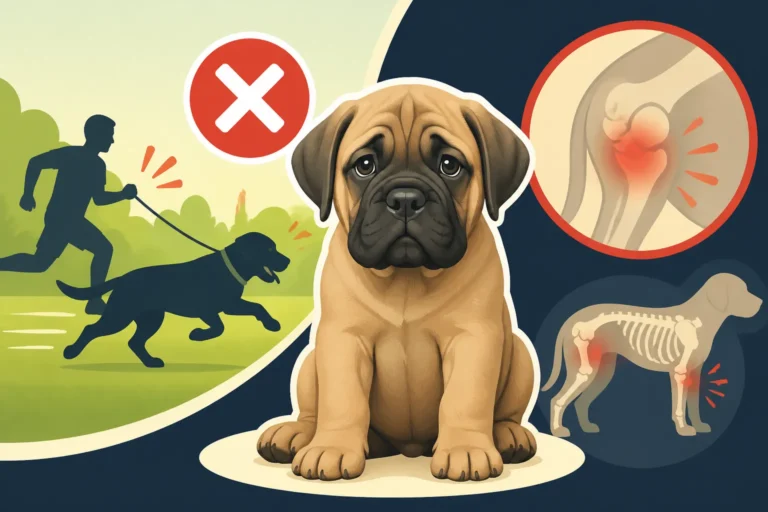
Mastiffs are truly in a league of their own when it comes to growth. A Mastiff puppy can go from a few pounds at birth to well over 100 pounds by its first birthday, and continue to fill out and gain muscle mass until it's two or even three years old. This rapid and substantial growth places incredible stress on their developing joints. Unlike smaller dogs that reach skeletal maturity much faster, a Mastiff's growth plates, the areas of cartilage at the ends of long bones where new bone tissue is formed, remain open for a longer period. These growth plates are particularly vulnerable to injury and abnormal development during this time. The immense body mass they carry puts constant pressure on these still-developing joints and cartilage. Imagine a 150-pound teenager whose bones and joints are still forming; that's essentially what you have with a Mastiff at 18 months. Evaluating their hips and elbows before these structures have fully ossified and settled into their adult conformation is like trying to judge a building's stability before the concrete has fully cured. It simply won't give an accurate, lasting picture of its integrity. This is also why limits on hard exercise (Why a Mastiff Puppy Must Not Be Exercised Hard) are so vital during their formative months.
The Risks of Premature Assessment
Opting for a preliminary OFA assessment before the recommended 24 months, while understandable for eager breeders, carries significant risks. A "good" or "fair" preliminary result can easily create a false sense of security. Because the skeletal system is still developing, a joint that appears healthy at, say, 12 or 18 months, could still deteriorate or show signs of dysplasia by the time the dog reaches full maturity. This isn't just theoretical; it happens. The changes in bone density, muscle mass, and even lifestyle factors during that crucial second year of life can influence the final conformation of the joints. For breeders, relying solely on preliminary results for breeding decisions can be detrimental, potentially propagating genetic predispositions for hip or elbow dysplasia under the mistaken belief that their dog is clear. For potential puppy buyers, seeing only preliminary results without follow-up final clearances should be a red flag. The goal of OFA is to provide a definitive, mature assessment, and anything short of the 24-month final clearance means the full picture isn't yet available. This commitment to proper timing is part of the larger ethical responsibility in Mastiff breeding, ensuring future generations are as healthy as possible.
The OFA Process: What to Expect for Your Mastiff
Getting your Mastiff OFA certified involves more than just a quick vet visit. It's a precise procedure that requires careful preparation and an understanding of how results are generated and interpreted.
Preparing Your Mastiff for X-rays
When it's time for your Mastiff's official OFA hip and elbow X-rays, proper preparation is key to getting accurate, gradable images. First and foremost, your Mastiff will almost certainly need sedation or general anesthesia. This isn't because the procedure is painful, but because it's absolutely critical that the dog remains perfectly still and in specific, often uncomfortable, positions for the X-rays. For hip X-rays, the dog is typically positioned on its back with its hind legs extended straight and parallel to each other, with the femurs rotated internally to achieve optimal positioning. This can be challenging even for the most compliant Mastiff when awake. For elbow X-rays, specific flexed and extended views are required. Any movement, even slight, can blur the image or distort the joint angles, leading to an ungradable film or an inaccurate assessment. This is why having a veterinarian who is not only experienced with large breed X-rays but also comfortable administering sedation or anesthesia to a giant breed is paramount. You want a clinic that has the appropriate equipment and staff to safely handle and position a 150-200+ pound dog.
Submitting and Interpreting the Results
Once the X-rays are taken, your veterinarian will submit them to the OFA, usually digitally, along with the necessary forms and fees. The OFA then sends these images to three independent, board-certified veterinary radiologists for evaluation. This multi-reader approach helps ensure objectivity and consistency in grading.
For hip evaluations, the radiologists assess several anatomical features, including the laxity of the joint, the depth of the acetabulum (hip socket), and the presence of any degenerative changes. Based on their findings, hips are graded as:
- Excellent: Superior conformation with a deeply seated femoral head.
- Good: Well-formed hip joint with good congruence.
- Fair: Minor irregularities but still considered healthy.
- Borderline: Not clearly dysplastic, but not good enough to pass as "Fair." Often recommended for re-evaluation.
- Mild Dysplasia: Evidence of hip dysplasia, usually with some laxity.
- Moderate Dysplasia: More pronounced signs of dysplasia, significant laxity, and early degenerative changes.
- Severe Dysplasia: Extreme signs of dysplasia, marked laxity, and significant degenerative joint disease.
For elbow evaluations, the grading is simpler:
- Normal (Grade 0): No evidence of elbow dysplasia.
- Grade I ED: Minimal bone change, usually a small osteophyte.
- Grade II ED: Moderate bone change, more significant osteophytes.
- Grade III ED: Severe bone change, extensive osteophytes, and often severe joint incongruity.
Dogs receiving Excellent, Good, or Fair hip grades, or Normal elbow grades, are considered "passing" and receive an OFA number. Those with Borderline or dysplastic grades (Mild, Moderate, Severe for hips; Grades I, II, III for elbows) do not pass. Understanding these grades is critical, especially for breeders, as only dogs with passing grades should be considered for breeding to help reduce the incidence of these conditions in future generations. This diligent process is part of why The CHIC Four Plus the DNA Stack Behind a Mastiff's Price includes these crucial clearances.
| OFA Hip Grade | Description | Suitability for Breeding (General Guideline) |
|---|---|---|
| Excellent | Near perfect hip conformation | Highly Recommended |
| Good | Well-formed, congruent hip joints | Recommended |
| Fair | Minor irregularities, still healthy and functionally normal | Acceptable |
| Borderline | Indeterminate; often re-evaluation recommended | Discouraged until re-evaluation |
| Mild Dysplasia | Evidence of hip dysplasia, some laxity, early degenerative changes | Not Recommended |
| Moderate Dysplasia | Significant signs of hip dysplasia, noticeable laxity, degenerative changes | Not Recommended |
| Severe Dysplasia | Extreme hip dysplasia, marked laxity, severe degenerative joint disease | Not Recommended |
| OFA Elbow Grade | Description | Suitability for Breeding (General Guideline) |
| Normal (Grade 0) | No evidence of elbow dysplasia | Highly Recommended |
| Grade I ED | Minimal bone changes indicative of mild elbow dysplasia | Not Recommended |
| Grade II ED | Moderate bone changes, clear signs of elbow dysplasia | Not Recommended |
| Grade III ED | Severe bone changes, extensive elbow dysplasia | Not Recommended |
Beyond OFA: Other Health Considerations and Responsible Breeding
While OFA hip and elbow certifications are cornerstones of responsible Mastiff breeding, they are not the only health checks that should be considered. A truly comprehensive approach involves looking at the whole picture of the Mastiff's health.
The Broader Picture of Mastiff Health Clearances
OFA hip and elbow evaluations are undeniably vital, but for a breed with a Six to Ten Years Is What a Mastiff Gets lifespan and a propensity for various health issues, they represent just a part of the necessary health clearances. Responsible Mastiff breeders will also screen for a range of other conditions. Eye certifications, typically performed by a board-certified veterinary ophthalmologist through the OFA or Canine Eye Registry Foundation (CERF), are crucial for detecting inherited eye diseases like Progressive Retinal Atrophy (PRA) or cataracts. Cardiac evaluations, often done by a board-certified veterinary cardiologist, are important to screen for inherited heart conditions common in large breeds, even if Whether a Mastiff Gets Dilated Cardiomyopathy is still being researched extensively in the breed. Additionally, genetic DNA tests are available for conditions like Cystinuria Type III, a urinary stone disease prevalent in intact male Mastiffs, and Degenerative Myelopathy (DM). The ultimate goal is for breeding dogs to achieve a Canine Health Information Center (CHIC) number, which signifies that the dog has undergone all recommended health screenings for its breed, as designated by the Mastiff Club of America. This commitment goes far beyond just one or two tests, covering a spectrum of potential health issues that can affect these majestic dogs. For more details, you might explore The Four CHIC Tests a Mastiff Breeder Must Clear.
The Role of Owners and Breeders in Promoting Health
The health of the Mastiff breed relies heavily on the ethical choices of both breeders and owners. For prospective puppy buyers, insisting on verifiable OFA clearances (both hips and elbows at 24 months or older) for both parents is not just a preference, it's a fundamental responsibility. A reputable breeder will provide proof of these certifications, and their results should be easily searchable on the OFA public database by the dog's registered name or OFA number. If a breeder makes excuses about why these critical clearances haven't been done or only offers preliminary results without a commitment to final certification, it should be a serious warning sign. On the breeder's side, transparency is key. This means not only performing all recommended health tests, including OFA, but also being open about all results, good and bad. Only by using healthy, well-screened dogs in breeding programs can the incidence of devastating conditions like hip and elbow dysplasia be reduced over generations. This collective effort safeguards the future health and longevity of the Mastiff, ensuring these magnificent creatures continue to bring joy to families without the burden of preventable suffering. This also includes vigilance for conditions like Bloat in the Deepest Chest of Any Breed: the Mastiff.
Navigating the Costs and Financial Planning for Mastiff Health
Investing in a Mastiff means also investing in their health. The costs associated with OFA testing and general veterinary care for such a large breed are significant, making careful financial planning essential.
The Investment in OFA Testing
Let's be realistic: getting a Mastiff OFA certified isn't cheap, but it's a necessary investment in the breed's future and your dog's well-being. The cost of the X-rays themselves can vary widely depending on your veterinary clinic, its location (e.g., urban vs. rural), and whether sedation or full anesthesia is used. Sedation is often sufficient, but for some dogs or certain clinics, general anesthesia might be recommended to ensure perfect positioning. You could be looking at anywhere from $200 to $600 or more just for the X-rays and the veterinary services. On top of that, the OFA charges a submission fee for each evaluation (e.g., separate fees for hips and elbows). These fees are typically around $35-$50 per evaluation. So, for hip and elbow X-rays and OFA submission, a breeder or owner can expect a total bill easily ranging from $300 to $700 or even higher. While this might seem like a lot, it's a small price to pay to gain critical insight into your Mastiff's joint health and to ensure that only healthy dogs contribute to the gene pool. It’s important to factor these kinds of expenses into Why a Mastiff Costs More Per Year Than a Dog That Lives Twice as Long.
Protecting Your Investment with Pet Insurance
Given the potential for high veterinary bills, especially with a breed prone to joint issues and other health concerns, pet insurance is a serious consideration for Mastiff owners. Even with OFA-certified parents, genetics are complex, and issues can arise. A provider like Healthy Paws offers comprehensive accident and illness plans that can provide a financial safety net for unexpected health problems throughout your Mastiff's life. While most pet insurance plans won't cover pre-existing conditions, getting a policy when your Mastiff is a puppy, long before any potential signs of hip or elbow issues might appear, ensures that future conditions are eligible for coverage. If, for instance, a Mastiff with excellent OFA hips later develops age-related arthritis or a soft tissue injury in the joint, a Healthy Paws policy could significantly reduce your out-of-pocket costs for diagnostics, medications, or even surgery. Considering The Mastiff's Short Life Buys the Biggest Bills, having a plan in place for unforeseen medical expenses can provide immense peace of mind. It allows you to focus on getting your beloved Mastiff the best possible care without being crippled by the financial burden.
Disclaimer
The information provided in this article is for general informational purposes only and does not constitute veterinary advice. Always consult with a qualified veterinarian for any health concerns or before making any decisions about your Mastiff's medical care or breeding program. Individual situations may vary, and only a professional can provide tailored advice.