Mastiffs in Bear Baiting
It's hard to reconcile the gentle giants we share our homes with today with some of their ancestors' past roles. For many Mastiff owners, discovering the history of these magnificent dogs can be a mix of pride in their stoicism and deep sadness over the cruel practices they were once forced into. This guide will delve into the historical, and frankly, brutal, practice of bear baiting involving Mastiffs, exploring its origins, the role these powerful dogs played, and how society eventually turned away from such barbarism.
The Gruesome History of Bear Baiting with Mastiffs
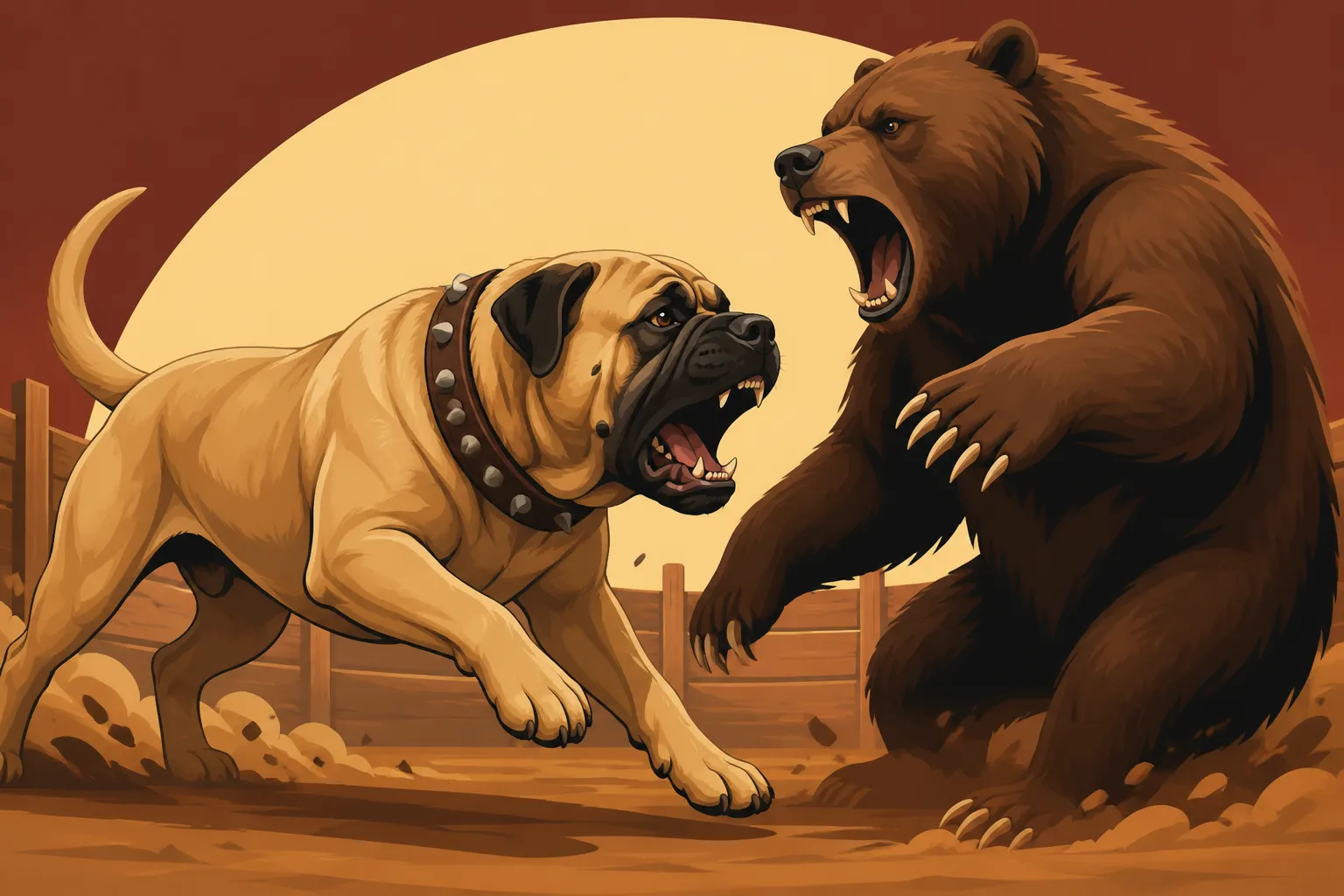
The practice of bear baiting, which is thankfully long abolished, involved pitting dogs against a captive bear, often chained, for the entertainment of onlookers. This wasn't a fair fight, nor was it a test of skill for the dogs; it was a barbaric spectacle designed to showcase aggression and brute force. For centuries, across Europe and especially in England, these events were a popular form of public entertainment, drawing crowds from all social classes.
Origins of the Brutal Spectacle
The roots of bear baiting stretch back to ancient times, with similar contests reported by the Romans, who notoriously pitted various animals against each other in arenas. What Mastiffs Fought in the Colosseum gives a glimpse into this gladiatorial heritage. When Roman troops eventually came to England, they brought with them not only their customs but also their powerful "Molossus" type dogs, ancestors of the modern Mastiff. Over time, these dogs, already prized for their size and protective instincts, became central figures in these violent exhibitions. It was a dark chapter where the natural strength and loyalty of these dogs were twisted for human amusement.
Why Mastiffs Were Chosen for Bear Baiting
Mastiffs, or their historical progenitors, were undeniably suited for such a brutal task due to their immense size, powerful jaws, and fearless demeanor. They possessed a natural protective drive and an intimidating presence that made them formidable opponents, even against a large bear. These traits, while valued for guarding estates or accompanying soldiers in battle, were exploited in the context of baiting. People weren't looking for a nuanced working dog; they wanted a spectacle of raw power. It’s a somber thought that the very traits we admire in our Mastiffs today – their bravery and strength – were once abused in such a horrifying way.
The Role and Training of Mastiffs in Bear Baiting
The dogs involved in bear baiting were not simply turned loose; they were often specifically bred and trained for aggression, their natural instincts honed for violence. This wasn't about refined canine behavior but rather about maximizing their ability to inflict damage and withstand injury.
Conditioning for Combat
From a young age, dogs destined for the baiting pit would be exposed to environments designed to heighten their aggression and reduce their fear. While we cherish our Mastiffs today for their calm and gentle nature, imagine a world where breeders actively sought out the most aggressive temperaments for this grim purpose. It's a stark contrast to how breeders operate now, focusing on health and temperament, even requiring extensive health clearances like those discussed in The Four CHIC Tests a Mastiff Breeder Must Clear. The Mastiffs were essentially living weapons, brutalized to fight.
The Brutal Reality for the Dogs
The life of a bear-baiting Mastiff was often short and filled with suffering. They faced severe injuries, from claw wounds to bites, and many would succumb to their injuries either during or after the contests. Survival was often measured in how many rounds they could endure, not in their lifespan. This wasn't a sport in any humane sense of the word; it was a gruesome display that inflicted immense pain on both the bear and the dogs. Even if a dog survived, the physical and psychological toll must have been unimaginable. Today, we focus on ensuring our Mastiffs live long, healthy lives, providing them with joint supplements from retailers like Chewy to combat issues like Arthritis in a Mastiff at Four, a far cry from the pain their ancestors endured.
The Decline and Abolition of Bear Baiting
Thankfully, public sentiment slowly began to shift against the cruelty of bear baiting. What was once seen as legitimate entertainment gradually became viewed as a barbaric and inhumane practice.
Changing Public Sentiment
As society evolved, so did its views on animal welfare. The Enlightenment brought new ideas about compassion and the rights of living creatures, even animals. While it was a slow process, influential voices began to speak out against the gratuitous violence of activities like bear baiting. This wasn't an overnight change, but a gradual awakening of conscience that challenged the ingrained traditions of entertainment. The Year Britain Banned the Baiting Mastiffs Were Used For marks a pivotal moment in this shift, signifying a formal rejection of such practices.
Legal Action and the End of an Era
The legal battles against bear baiting were long and arduous. Opponents faced resistance from those who saw it as a traditional pastime or a source of income. However, the relentless efforts of reformers eventually bore fruit. Legislation was introduced, and enforced bans slowly put an end to these public spectacles. This abolition wasn't just about protecting animals; it was a reflection of a changing moral landscape. It signaled a move towards a more civilized society, where entertainment no longer relied on the suffering of sentient beings.
The Legacy of Bear Baiting on the Modern Mastiff
Even though bear baiting is a dark chapter in history, its influence on the Mastiff breed, both physically and temperamentally, is part of their story. Understanding this past helps us appreciate the efforts of responsible breeders today.
Breeding Away from Aggression
Once bear baiting was outlawed, breeders began to focus on developing the Mastiff into the gentle, loyal companion we know today. The emphasis shifted from aggression and combativeness to stable temperaments, good health, and the classic, dignified appearance that defines the breed. How the Mastiff Was Bred Away From Fighting details this significant turning point in the breed's development. This conscious effort has resulted in a dog that is fiercely protective but, above all, a loving family member. You'll find Mastiffs today more likely to be napping on an orthopedic bed, perhaps one you picked up from Chewy, than facing down any foe.
Physical Traits and Temperament in Today's Mastiffs
The physical power and imposing stature of the Mastiff remain, a testament to their heritage. However, modern Mastiffs are renowned for their calm, docile, and affectionate nature, particularly with their families. They are patient, good-natured, and surprisingly sensitive, as explored in The Sensitivity Nobody Expects in a Two Hundred Pound Mastiff. While their ancestral strength made them formidable in the pit, today, it serves to make them magnificent, reassuring protectors of their homes and loved ones. This duality—their immense physical presence paired with their gentle spirit—is a remarkable evolution.
Mastiffs are still large and powerful dogs, and their training requires understanding and consistency. While they no longer need to face bears, managing their size and strength is crucial for any owner. Leash training from a young age, using sturdy equipment, perhaps even a durable collar or harness from Chewy, helps ensure they remain manageable as adults. Their sheer bulk, which once made them useful in brutal contests, now requires careful attention to joint health and responsible exercise, especially for a growing Mastiff Puppy You Are Not Allowed to Exercise.
Here's a look at how the perception and role of Mastiffs have dramatically shifted over time:
| Era | Primary Role | Key Characteristics Valued | Public Perception | Treatment of Dogs |
|---|---|---|---|---|
| Ancient (Roman) | War Dog, Arena Fighter | Size, Strength, Ferocity | Feared, Respected | Sacrificial, Expendable |
| Medieval (Europe) | Guard Dog, Bear Baiting | Power, Aggression, Intimidation | Entertainment, Utility | Often abused, Poor living conditions |
| Post-Abolition | Estate Guard, Companion | Loyalty, Dignity, Protective Instinct | Noble, Imposing | Valued, but still working animals |
| Modern | Family Companion, Protector | Gentle Temperament, Loyalty, Health | Beloved Pet, Gentle Giant | Family Member, Holistic Care |
This table clearly illustrates the immense journey the Mastiff breed has undertaken, from being a tool in brutal sports to becoming the cherished family companion we adore today. Their history is a powerful reminder of how far we've come in understanding and valuing the lives of animals, and how the dedication of responsible breeders and owners can truly transform a breed for the better.
Disclaimer
This article is for general informational purposes only and does not constitute professional advice. Laws, prices and regulations vary by location and change over time. Consult a qualified professional for guidance on your specific situation.