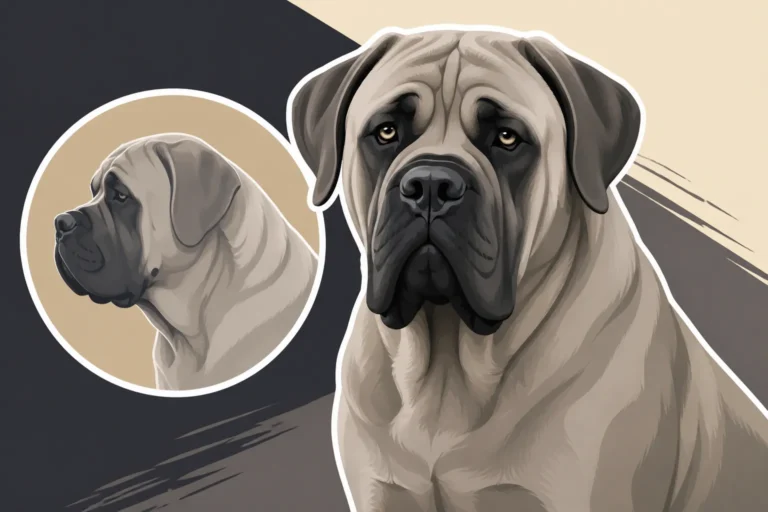
Who Zorba the Mastiff Was
For those of us who share our lives with a Mastiff, we know the sheer scale of love and loyalty they bring into our homes. But there was one Mastiff whose size transcended the breed standard and captured the world's imagination, becoming a true legend. This guide dives into the incredible story of Zorba the Mastiff, exploring who he was, what made him famous, and the lasting impact he had on how we perceive these magnificent giants.
Introducing the Legend: Who Was Zorba the Mastiff?
You hear about big dogs, truly enormous dogs, but then there's a legend that stands head and shoulders above the rest. Zorba wasn't just a big Mastiff; he was the Mastiff. His name became synonymous with colossal canine size, a true benchmark for the breed and indeed, for all dogs. His story isn't just about weight and measurements, but about the unique character of a dog that, despite his immense stature, embodied the gentle nature so beloved in our Old English Mastiffs. He was a global sensation, and even decades later, his name still conjures images of an almost mythical canine.
More Than Just a Big Dog: Zorba's Rise to Fame
Zorba, whose full name was Aicama Zorba of La-Susa, was born in the United Kingdom and quickly showed signs of being an exceptionally large specimen of his breed. His owner, Chris Erland from London, understood early on that Zorba was destined for something more than just being a cherished family pet. As Zorba matured, his size continued to grow, eventually reaching proportions that were truly astounding. It wasn't just his weight, but his overall presence – the sheer bulk and frame that made him a spectacle. This wasn't a dog that merely looked a bit bigger than average; he was an absolute titan. His size made him a local celebrity first, then a national talking point, and finally, an international sensation. People were simply fascinated by the reality of a dog that could be so massive yet remain so docile and gentle, a living testament to the Mastiff temperament.
The World's Heaviest Dog: Setting the Record Straight
The fame that Zorba achieved was largely due to his entry into the record books. In 1989, he officially secured a place in the Guinness World Records as the heaviest dog in the world, and also the longest. These weren't fleeting titles; they were records that stood for a significant period and cemented his place in history. His weight was a truly jaw-dropping figure, pushing the boundaries of what was thought possible for a domesticated dog. This wasn't just about a one-off measurement; it was meticulously documented and verified, drawing attention from animal lovers and media outlets globally. His official weight was often cited at a staggering 343 pounds (155.6 kg), and he measured an incredible 8 feet 3 inches (251 cm) from the tip of his nose to the end of his tail. Imagine a dog the length of a small car! This record-breaking size made him a household name and offered a dramatic illustration of just how truly giant our Mastiffs can be. For context, most male Mastiffs typically range between 160-230 pounds, making Zorba an extreme outlier.
Zorba's Stature: The Record-Breaking Giant
When you talk about a dog like Zorba, the numbers are almost hard to believe. It's one thing to hear about a "big dog," but it's another entirely to comprehend the dimensions of a creature that could set such monumental records. Zorba wasn't just a giant; he redefined what we thought possible for canine size. His fame wasn't simply a fluke; it was the result of a truly exceptional genetic predisposition combined with proper care and nutrition, culminating in an animal that was, quite literally, off the charts.
Measurements That Made History: Zorba's Incredible Size
Zorba's official measurements were what truly blew people away. At his peak, he stood at 37 inches (94 cm) tall at the shoulder, which is taller than many Shetland ponies, and as mentioned, stretched over 8 feet long. To put that into perspective, picture a full-grown man standing beside him; Zorba's back would easily reach the man's hip. The average adult male Mastiff usually stands between 27.5 and 30 inches at the shoulder. This meant Zorba was significantly taller and considerably bulkier. When you consider How Much a Male Mastiff Weighs on average, Zorba's 343 pounds almost seems fantastical. Every aspect of him was supersized – his head, his paws, his chest. He was a walking, breathing monument to the potential for immense growth within the Mastiff breed. These aren't just statistics; they paint a picture of a dog that was truly beyond the ordinary, commanding attention wherever he went.
Challenging Perceptions of Mastiff Size
Before Zorba, many people had an idea of a Mastiff as a large dog, perhaps akin to a Saint Bernard or a Great Dane. Zorba shattered those perceptions. He introduced the world to an extreme level of size, making even other giant breeds seem somewhat modest in comparison. His existence posed questions to breeders and enthusiasts alike: how big could a Mastiff get? Was this a genetic anomaly, or an indicator of potential within the breed that could be aimed for? While fascinating, his size also sparked discussions about the health implications of breeding for such extreme dimensions. It emphasized that while sheer mass could be impressive, it also came with its own set of challenges, from joint health to overall mobility. Zorba became a touchstone, a real-life example that both celebrated the grandeur of the Mastiff and implicitly warned against pushing the boundaries too far without considering the dog's well-being.
Life with a Legend: Zorba's Everyday Existence
Living with a dog of Zorba's magnitude wasn't your average dog-owning experience. Imagine the logistics involved in everything from feeding to veterinary visits. It required a special kind of dedication, a deep understanding of the unique needs of a giant breed, and an unwavering commitment to his well-being. His owner wasn't just caring for a pet; they were managing a living legend.
Feeding a Gentle Giant: The Logistics of Zorba's Diet
One of the most immediate and tangible challenges of having a dog like Zorba was simply keeping him fed. This wasn't a matter of a scoop or two of kibble a day. We're talking about substantial amounts of food to maintain that immense body mass. While specific figures are hard to come by without being his actual owner, we can infer from his size that his caloric needs would have been astronomical. Think about What Feeding a Two Hundred Pound Mastiff Costs a Month; double or even triple that for Zorba. His diet would have needed careful consideration, focusing on high-quality, nutrient-dense food to support his joints, muscles, and overall health without leading to unhealthy rapid growth in his younger years. Owners of giant breeds often struggle to find food in large enough quantities, often turning to specialized online retailers like Chewy, who carry large bags and bulk options. It's a testament to his care that he remained healthy enough to achieve and hold his records, indicating a well-managed feeding regimen that focused on sustenance rather than just bulk.
Beyond the Scales: Zorba's Temperament and Daily Life
Despite his intimidating size, Zorba was reportedly a classic Mastiff in temperament: calm, gentle, and utterly devoted to his family. This is a crucial point, as it counteracts the misconception that large dogs are inherently aggressive or difficult to manage. Mastiffs are known for being affectionate "lap dogs" who just don't realize their own size. Zorba was no exception. He was gentle with children and famously even shared his home with a cat. His daily routine, apart from the extraordinary feeding, would have involved moderate exercise, likely tailored to avoid undue stress on his massive joints. Unlike some breeds, Mastiffs don't require hours of strenuous activity; often, Why One Hour a Day Is Enough for a Mastiff holds true even for the largest specimens. His existence wasn't about being a guard dog (though his presence alone would deter anyone); it was about being a beloved family member, albeit one who probably needed a custom-made bed and perhaps a fortified sofa.
Handling a Colossus: Managing Daily Care
Imagine trying to get a dog weighing over 300 pounds into a car, or even to the vet's office. Every aspect of Zorba's care would have presented unique logistical hurdles. Regular grooming, like nail trims and cleaning those adorable Mastiff wrinkles, would require serious planning and assistance. Veterinary care would be another monumental task. Everything from anesthesia dosage – remember Why a Mastiff Is Dosed by Lean Weight and Not Scale Weight – to finding an X-ray table strong enough to hold him would be a challenge. Simple walks would require specialized harnesses and leashes capable of managing such immense strength, even if he was generally well-behaved. The reality is that owning a dog like Zorba means your entire home and lifestyle adapt around them. Special transport arrangements, custom bedding, and professional assistance for routine tasks become not luxuries, but absolute necessities.
The Impact and Legacy of Zorba
Zorba’s fame wasn’t fleeting; it left an indelible mark on the Mastiff breed and on the public’s perception of giant dogs. He became a reference point, a legend whispered among breeders and dog enthusiasts alike. His story highlighted both the awe-inspiring potential of the breed and some of the inherent challenges that come with extreme size.
Inspiring Awe and Debate: Zorba's Influence on the Breed
Zorba certainly brought a lot of attention to the Mastiff breed. For many, he was the first Mastiff they had ever heard of, showcasing the breed's impressive size and gentle nature to a global audience. This exposure undoubtedly fueled interest in Mastiffs, making them more visible and desirable to potential owners. However, his extraordinary size also stirred up considerable debate within the breeding community. Some breeders were inspired to aim for larger dogs, leading to The Push to Breed Heavier Mastiffs, sometimes without sufficient consideration for health and longevity. The goal for some shifted from breeding for sound structure and temperament to simply breeding for maximum weight and height, hoping to produce another Zorba. This pursuit of extreme size can sometimes come at the cost of a dog's health, leading to joint issues, shorter lifespans, and other breed-specific health concerns.
A Symbol of the Breed's Potential (and Pitfalls)
Zorba became a powerful symbol. On one hand, he demonstrated the incredible majesty and imposing presence that the Mastiff breed could embody. He was a living example of a gentle giant, dispelling myths about large dogs being inherently aggressive. His gentle nature, despite his size, reinforced the breed's reputation as a loving family companion. On the other hand, Zorba's extreme size also served as a subtle cautionary tale. While impressive, such dimensions are often associated with health challenges. How Weight Shortens a Mastiff's Life is a well-documented concern, as extra mass puts immense strain on joints, organs, and the cardiovascular system. His legacy reminds us that while record-breaking size is captivating, responsible breeding should always prioritize health, temperament, and longevity over sheer bulk. He highlighted the fine line between celebrating the breed's grandeur and crossing into territory where welfare might be compromised.
Beyond Zorba: The Modern Mastiff and Size
Zorba's existence undeniably influenced breeding philosophies, leading some to chase immense size. However, the wider conversation within the Mastiff community has evolved, shifting towards a more balanced approach that prioritizes health and soundness over simply producing the biggest dog. His legacy still resonates, but it's now often viewed through the lens of responsible stewardship of the breed.
The Pursuit of Giants: Healthy vs. Unhealthy Weight in Mastiffs
The allure of owning a dog as massive as Zorba is undeniable. Who wouldn't want a magnificent giant by their side? However, for the average Mastiff, there's a significant difference between a healthy, well-muscled large dog and one that is simply overweight or excessively heavy for its frame. A healthy male Mastiff typically weighs between 160-230 pounds, and a female slightly less. While this is still a considerable weight, it's generally within a range that a well-structured dog can carry without undue strain. When a Mastiff goes significantly beyond this, like Zorba did, the health risks escalate. Issues like hip and elbow dysplasia, heart problems, and a shortened lifespan become much more pronounced. It's a constant balancing act for breeders and owners to appreciate the impressive size of the breed while ensuring that their individual dogs remain in optimal, healthy condition. When purchasing supplies for these giants, whether it's a reinforced bed or a large-capacity food bin, careful research is needed, with online retailers like Chewy offering robust solutions designed for big dogs.
Prioritizing Health Over Records: Responsible Breeding Today
Today, responsible Mastiff breeders understand that chasing world records for size is not a sustainable or healthy goal for the breed. Instead, the focus has largely returned to producing dogs that embody the breed standard for size, but critically, are also structurally sound, have excellent temperaments, and come from health-tested lines. This means prioritizing genetic health screenings for common Mastiff ailments like hip and elbow dysplasia, cardiac issues, and certain eye conditions. Breeders are looking to improve the overall health and Six to Ten Years Is What a Mastiff Gets lifespan of the breed, rather than creating extreme outliers. This holistic approach ensures that future generations of Mastiffs can live full, comfortable lives, celebrated for their gentle nature and impressive presence, without carrying the burden of unhealthy super-sized dimensions. While Zorba's story is fascinating, it serves as a powerful reminder that true greatness in a Mastiff lies not just in its size, but in its health and character.
Zorba's Legacy: A Comparative Look
Zorba truly put the "giant" in giant breed. His exceptional size made him a standout even among other colossal canines. Understanding his measurements in context helps appreciate just how monumental he was and why his name remains famous.
Zorba's Place in History Among Giant Breeds
To fully grasp Zorba’s impact, it’s helpful to compare his statistics not just to the average Mastiff, but to other well-known giant breeds. While breeds like the Great Dane or Saint Bernard are undeniably large, Zorba's measurements pushed beyond even their typical maximums.
| Breed | Average Male Weight (lbs) | Average Male Height (inches) | Zorba's Statistics |
|---|---|---|---|
| Mastiff (Average) | 160-230 | 27.5-30 | 343 lbs |
| Saint Bernard | 140-180 | 27.5-30 | 37 inches |
| Great Dane | 120-175 | 30-34 | 8 ft 3 inches long |
| Newfoundland | 130-150 | 28 | (World Record) |
As you can see, Zorba exceeded the typical range of even the largest specimens of other giant breeds, particularly in weight. While a Great Dane might stand taller, Zorba's sheer bulk was unmatched. This table clearly illustrates How a Mastiff's Weight Compares With a Saint Bernard's or other large breeds, underscoring Zorba's truly unique place in canine history. This monumental size is a key reason Whether Zorba Is Still the Heaviest Mastiff on Record is a question many still ask today, decades after his time in the spotlight. His presence made everyone reconsider the limits of canine growth and what it truly meant to be a "giant" dog.
The Lasting Impression and Enduring Questions
Even today, Zorba's story sparks conversation. People wonder about the specific year The Year Zorba Set the Mastiff Weight Record, the details of his care, and whether such a dog could ever exist again. His legacy is one of wonder and fascination, but also one that subtly nudges us towards asking critical questions about animal welfare and responsible breeding. Did his extraordinary size contribute to health challenges? What did his immense weight mean for his mobility and comfort in his later years? These are important considerations for anyone contemplating a giant breed, especially given their generally shorter lifespans. We celebrate Zorba for his grandeur and the joy he brought to his owners, while simultaneously learning from the implications of his record-breaking existence. He remains a testament to the Mastiff's incredible potential and a reminder that true care means balancing impressive physicality with robust health.
Disclaimer
This article is for general informational purposes only and does not constitute professional advice. Laws, prices and regulations vary by location and change over time. Consult a qualified professional for guidance on your specific situation.