Whether a Mastiff’s Dewclaws Need Watching
Many Mastiff owners find themselves overwhelmed with the sheer size and needs of their gentle giants, often overlooking a small but potentially painful detail: their dog's dewclaws. These often-forgotten nails can become a source of significant discomfort, injury, and even infection if not properly managed, turning a routine walk into a veterinary emergency. This guide will walk you through everything you need to know about caring for your Mastiff's dewclaws, ensuring your big dog stays comfortable and healthy.
Understanding Your Mastiff's Dewclaws: More Than Just a "Thumb"
It’s easy to dismiss dewclaws as just an odd anatomical leftover, but for a Mastiff, they require your focused attention. These small appendages, often located higher up on the inside of the leg, are surprisingly prone to trouble if not cared for correctly. Thinking of them as simply an extra nail would be a mistake; they have specific needs that differ from the main paw nails.
What Exactly Are Dewclaws?
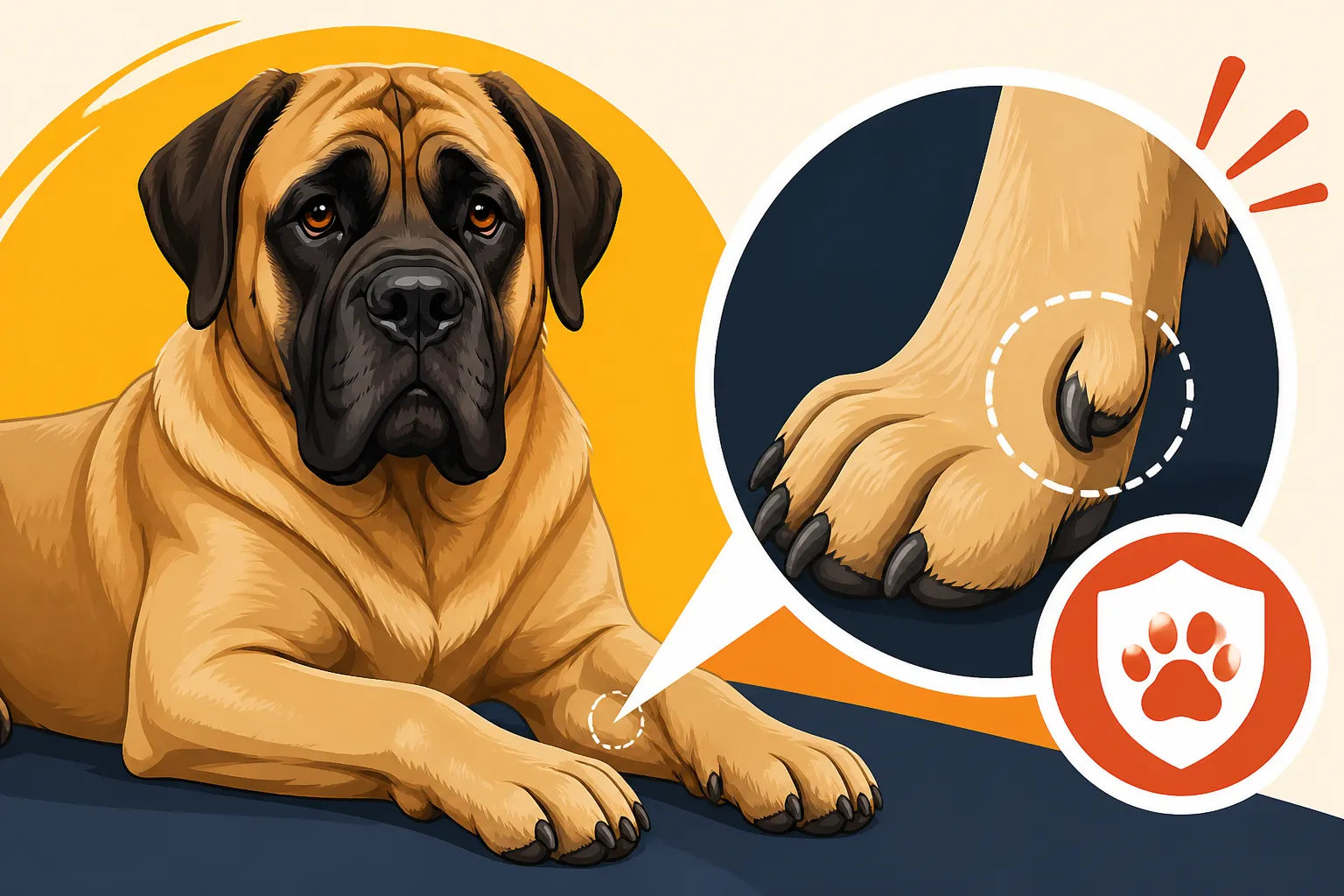
Dewclaws are essentially a vestigial digit, much like a thumb or big toe that doesn't quite reach the ground. On the front legs of a Mastiff, they are a normal part of their anatomy, comprised of bone and muscle, and often have a strong connection to the leg. They sit higher up on the leg, usually on the inner side, and don't make contact with the ground when your Mastiff walks. This lack of ground contact is precisely what makes them unique in terms of care. Unlike the nails on the paw pads that get some natural wear from walking on various surfaces, dewclaws rarely experience this kind of friction.
However, it's worth noting that some Mastiffs might also have dewclaws on their rear legs. These are often referred to as "double dewclaws" or "hind dewclaws." Unlike front dewclaws, which are typically well-attached, rear dewclaws can sometimes be less firmly attached, almost floating, with only skin connecting them to the leg. This distinction is crucial because the less attached a dewclaw is, the higher the risk of it getting snagged and torn. Many breeds have their rear dewclaws removed shortly after birth to prevent such injuries, though for Mastiffs, front dewclaws are typically left intact.
The Risks Associated with Neglected Dewclaws in Mastiffs
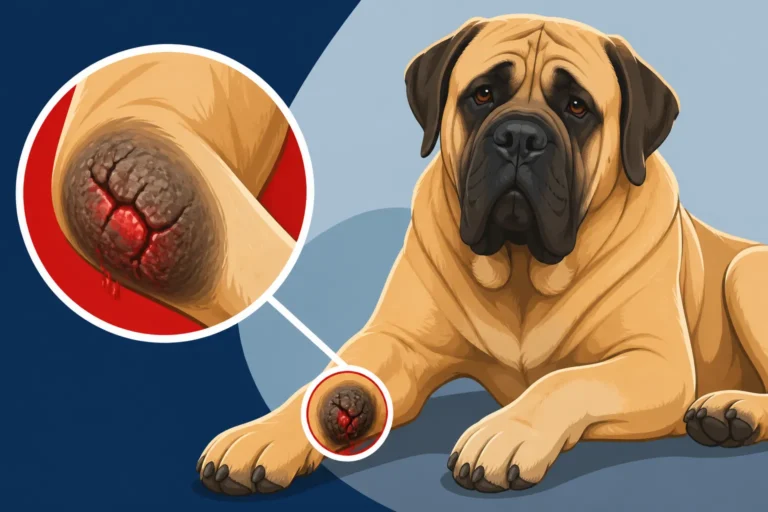
The biggest problem with dewclaws not making ground contact is that their nails don't wear down naturally. This means they can grow unchecked, curving around and eventually growing into the pad of the leg. Imagine a nail constantly digging into your skin – that's the painful reality for a Mastiff with ingrown dewclaws. This isn't just uncomfortable; it can lead to severe infections, abscesses, and chronic pain, impacting your Mastiff's willingness to walk or put weight on the affected leg.
Beyond ingrown nails, the position of dewclaws makes them highly susceptible to snagging and tearing. Picture your two-hundred-pound Mastiff lumbering through tall grass, jumping off the porch, or even just scratching themselves. That dewclaw can easily catch on carpeting, furniture, branches, or even on another part of its own body. A partial tear can be incredibly painful and bleed profusely, while a full avulsion (when the dewclaw is completely torn off) is a significant injury that requires immediate veterinary attention. Due to their immense size, what might be a minor inconvenience for a smaller dog becomes a much more serious and complicated injury for a Mastiff. The amount of force involved when a Mastiff moves, even casually, can turn a simple snag into a deeply distressing and expensive emergency. You’ll want to review What a Mastiff's Weight Does to Every Line on the Vet Invoice to get a sense of the impact here.
Proactive Care for Your Mastiff's Dewclaws: A Must, Not an Option
Considering the risks, it's clear that dewclaw care isn't something to ignore. For a Mastiff, it's an essential part of their grooming routine, just as important as keeping their other nails trim or cleaning their facial folds. Neglecting this small task can lead to significant discomfort for your dog and unexpected vet bills for you. It truly is one of those 'an ounce of prevention' situations.
The Regular Trimming Schedule
Because Mastiff dewclaws don't wear down naturally, they need to be trimmed more frequently than the nails on their main paws. While regular paw nails might get some wear from walking on pavement or hard ground, dewclaws do not. A good rule of thumb is to check and trim your Mastiff's dewclaws every 1-2 weeks. This might seem often, but it's much easier to take off a tiny bit more frequently than to deal with overgrown, curled nails that are difficult and painful to cut back. This frequent trimming also helps keep the quick (the blood vessel and nerve within the nail) receded, making future trims easier and safer.
When it comes to tools, you have a few options. Scissor-style clippers are common and effective for Mastiffs, as are guillotine-style clippers, though the sheer thickness of a Mastiff's nail might make scissor-style feel more robust. Many owners of giant breeds, however, swear by a rotary tool like a Dremel. This allows you to gradually grind down the nail, offering more control and reducing the risk of cutting into the quick, which can be a real challenge with dark nails. You can find a good selection of quality clippers or a reliable Dremel on online retailers like Chewy or Amazon. No matter your choice, ensure the tool is sharp and sturdy enough for strong, thick Mastiff nails. For more specific advice on this, you might want to look at Whether a Dremel Suits a Mastiff's Nails and Whether Two People Are Needed to Trim a Mastiff's Nails. Remember, teaching your Mastiff to tolerate nail trims from a young age is crucial, especially given their eventual size and strength.
Spotting Trouble: Signs of Dewclaw Issues
Even with diligent care, accidents can happen, or you might miss a trim. It’s important to know the signs that your Mastiff's dewclaws are becoming a problem. One of the most common indicators is your dog licking, chewing, or biting at their dewclaw or the skin around it. This is a clear signal of discomfort or irritation. You might also notice limping, especially after activity, or a reluctance to put full weight on the affected leg. If the dewclaw has become ingrown, you'll see redness, swelling, or even pus around where the nail is pressing into the skin.
Inspect your Mastiff's dewclaws regularly, perhaps when they are relaxing on their orthopedic bed after a meal. Look for any breaks, cracks, or chips in the nail itself. Check for swelling or tenderness around the base of the dewclaw. If the skin is broken, bleeding, or weeping, an infection is likely brewing. Mastiffs are known for their stoic nature, often hiding pain until it's quite advanced, so even subtle signs like a slight change in gait or general grumpiness can indicate an issue. Don't underestimate these small cues; a swift response can prevent a minor irritation from escalating into a full-blown emergency. Keeping all their nails short, including dewclaws, also contributes to their overall comfort and traction, which is vital for a breed like the Mastiff on Traction: Why a Mastiff Cannot Live on Bare Hardwood.
Preventing Injuries and Managing Accidents
While regular trimming is your first line of defense, a truly comprehensive approach to dewclaw care involves thinking about their environment and knowing how to react when an injury inevitably occurs. Your Mastiff's immense size and powerful build mean that even seemingly minor environmental factors can contribute to dewclaw problems.
Environmental Considerations
The surfaces your Mastiff walks and plays on can significantly impact dewclaw health. Rough terrain, dense brush, or areas with thick undergrowth can easily snag a dewclaw. If your Mastiff enjoys outdoor adventures, it’s a good idea to routinely check their paws and dewclaws after returning home. Even indoor environments pose risks. Loose carpeting, uneven transitions between flooring types, or even a raised threshold can catch a dewclaw as your Mastiff moves around the house. Consider What Bare Floors Do to a Growing Mastiff and how traction issues can exacerbate sudden movements that might lead to a snag. Providing ample soft bedding in all areas where your Mastiff rests can help prevent awkward positions that might put undue pressure on or expose dewclaws to accidental trauma.
Furthermore, consider the type of exercise and play your Mastiff engages in. While they aren't typically high-flying, agile dogs, a sudden twist or turn during play with another dog, or a clumsy stumble, can result in a dewclaw injury. Supervision during play is key, and if you have other dogs, ensure their play styles are compatible to minimize accidental collisions. Remember that even a relatively short walk or play session can pose a risk if the environment isn't safe. You want to make sure you're proactive in protecting these vulnerable nails, understanding that even gentle giants can get themselves into trouble.
When to Seek Veterinary Attention
Some dewclaw issues are manageable at home, like a very slight snag that causes minimal bleeding, but others absolutely require professional veterinary care. If your Mastiff has a deeply torn or completely avulsed dewclaw, where the nail is hanging or completely detached, it's a veterinary emergency. These injuries are incredibly painful, prone to infection, and often require sedation or local anesthesia for proper cleaning, trimming, and bandaging. You might also need antibiotics to prevent infection. Don't try to pull off a partially attached dewclaw yourself; this could cause further pain and damage.
Persistent lameness, swelling, or severe redness around the dewclaw that doesn't improve within a day or two, even after initial cleaning, also warrants a vet visit. This could indicate a deep infection, potentially requiring oral antibiotics or even surgical draining of an abscess. If your Mastiff is trying to chew or lick the area excessively and won't let you inspect it, that's another clear sign they need professional help. Moving a large, injured Mastiff can be a challenge, so be prepared with a plan, perhaps revisiting ideas from How a Clinic Moves a Collapsed Mastiff. In cases of recurrent dewclaw injuries, your veterinarian might discuss the option of surgical removal of the dewclaw, which can be a permanent solution to prevent future trauma. Just like with their regular diet, providing a balanced, nutritious food from quality brands like Ollie can contribute to overall nail strength and skin health, which can aid in recovery from any injury.
| Dewclaw Issue | Key Signs | Recommended Action |
|---|---|---|
| Overgrown/Ingrown | Nail curving into pad, redness, swelling, licking | Regular trimming (every 1-2 weeks), vet if infected |
| Snagged/Cracked | Minor bleeding, slight tenderness, licking | Clean, gentle trim, monitor for infection |
| Partially Torn | Hanging nail, significant bleeding, severe pain | Immediate Vet Visit for assessment and treatment |
| Fully Avulsed | Dewclaw completely ripped off, profuse bleeding | Immediate Vet Visit for cleaning and bandaging |
| Infection | Pus, foul odor, persistent swelling, redness | Vet visit for antibiotics/treatment |
Disclaimer
This article is for general informational purposes only and does not constitute professional advice. Laws, prices and regulations vary by location and change over time. Consult a qualified professional for guidance on your specific situation.