Whether a Mastiff Has a Doggy Odor
One of the most common worries for new Mastiff owners, or even seasoned ones, is whether their gentle giant will come with an undeniable "doggy odor." It's a valid concern, especially when you're inviting a creature that can easily weigh over 150 pounds into your home. The truth is, like any dog, a Mastiff can develop an odor, but it's rarely a defining characteristic of the breed itself. More often than not, a persistent smell points to specific underlying issues that are completely manageable, and it's certainly not something you have to just live with. This guide will walk you through the various reasons your Mastiff might develop a noticeable scent and, more importantly, what you can do about it.
The Unique Anatomy That Can Trap Odor
Mastiffs are magnificent dogs, but their distinctive features, while beautiful, can sometimes contribute to a predisposition for certain smells if not managed properly. We're talking about those adorable wrinkles, those impressive jowls, and their surprisingly dense coat.
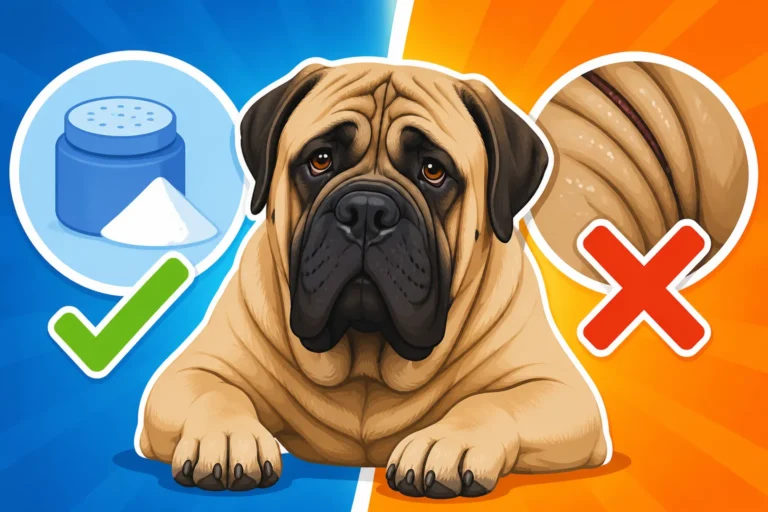
Let's start with the wrinkles and skin folds. Mastiffs have a fair amount of loose skin, especially around their faces, necks, and sometimes even their bodies. These folds create warm, moist environments where bacteria and yeast can thrive, leading to a less-than-pleasant aroma. Think about it: food particles can get trapped in the lip folds after a meal, moisture from drinking can linger in neck wrinkles, and dirt or sweat can accumulate in any fold on their massive frame. Without regular cleaning, these areas can quickly become hotbeds for mild infections or simply stale, yeasty smells. It's a common challenge, and something every Mastiff owner quickly learns to manage. The Wrinkles and Folds a Mastiff Owner Cleans Every Week is not just good hygiene, it's essential preventive care for comfort and smell.
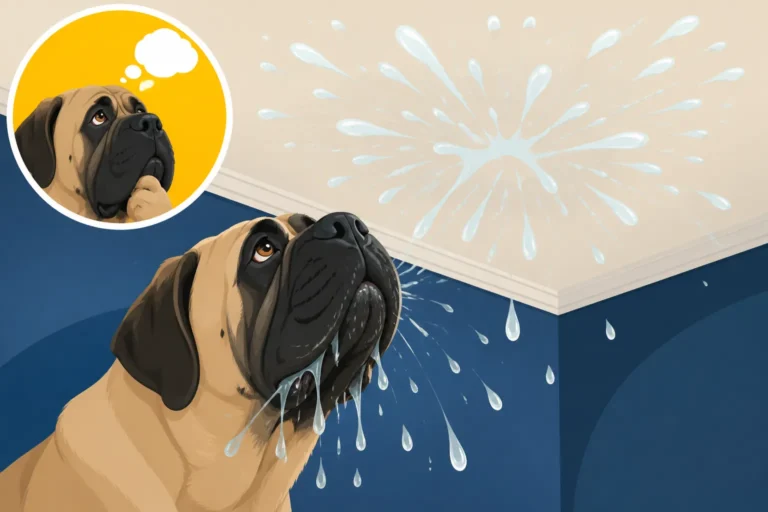
Then there are those famous Mastiff jowls and the accompanying drool. Oh, the drool! While not all Mastiffs are Niagara Falls, many are generous with their slobber. Drool, when it dries on their fur, on your furniture, or on them after a good shake, can leave behind a distinct scent. It's not necessarily an unpleasant smell on its own, but stale drool can certainly build up, creating a sticky, sometimes sour aroma, especially if it gets ingrained in their bedding or favorite napping spots. This isn't just a minor inconvenience; it's a part of life with a Mastiff and requires a proactive approach to cleanliness. Managing this isn't about stopping the drool – which is impossible – but about managing its aftermath and staying on top of cleaning. What Drool Cleanup Costs a Mastiff Owner is a factor many don't consider until they're living with it daily.
Finally, while Mastiffs have a relatively short coat, it's quite dense. This density, combined with their sheer size, means that if they get wet and aren't thoroughly dried, moisture can linger close to their skin, encouraging that "wet dog" smell to persist long after the rain has stopped. Their large size also means they have more surface area for skin oils and environmental dirt to accumulate. It’s not that their coat causes odor, but rather that it can hold onto scents more effectively if grooming isn't consistent. Regular brushing, even for a short-coated dog, can help distribute natural oils and remove loose hair and trapped dirt, which contributes to a fresher scent.
Dietary and Health Factors Behind Odor
When your Mastiff starts to develop a "doggy odor" that seems to come from within, it's often a sign that something is amiss internally. Diet, allergies, and various health conditions can all manifest as changes in your dog's smell, moving beyond just surface dirt or drool.
A poor diet, or one that simply doesn't agree with your individual Mastiff, can be a major culprit. Just like in humans, what goes in impacts what comes out, and how healthy their skin and coat are. If your Mastiff is on a diet high in fillers, low-quality ingredients, or something they are mildly allergic or intolerant to, it can lead to skin irritation, excessive oil production, or even digestive upset that can produce gas or an overall yeasty smell from their skin. Sometimes, a change to a higher-quality food, or trying a different protein source, can make a world of difference. Many owners explore options, from specialized kibble available at places like Chewy, to more fresh food options like Ollie, noting improvements in coat health and a reduction in unwanted odors. It's truly amazing how a well-balanced, appropriate diet can impact their overall scent. How Much a Mastiff Eats in a Month becomes less of a concern when you realize the benefits of feeding good quality food.
Allergies are another significant factor. Mastiffs, like many breeds, can suffer from environmental or food allergies. When an allergy flares up, it often affects the skin, leading to itching, redness, inflammation, and sometimes secondary bacterial or yeast infections. These infections are notorious for producing strong, often sweet or pungent odors. You might notice your Mastiff scratching more, licking their paws excessively, or developing red patches, all of which can be accompanied by an unfortunate smell. Addressing the root allergy with your vet, whether through dietary changes, medication, or environmental management, is key to resolving the odor.
Beyond allergies, several specific health issues can cause a Mastiff to smell.
- Ear infections: These are incredibly common in dogs with floppy ears, and Mastiffs are no exception. Bacteria and yeast can easily multiply in the warm, dark canal of their ears, leading to a strong, often yeasty or rotten smell. Regular ear cleaning and prompt veterinary attention for any signs of infection are crucial. Ear Infections in a Mastiff are not just smelly; they can be incredibly painful for your dog.
- Dental disease: Bad breath isn't just unpleasant; it's a sign of unhealthy teeth and gums. Plaque and tartar buildup can lead to gingivitis and tooth decay, producing a foul odor that can permeate your Mastiff's entire head area. Regular dental care, including brushing and professional cleanings, is vital. Given their size, brushing a Mastiff's teeth can be a task, but it’s an important one. Brushing the Teeth of a Mastiff That Outweighs You is a skill worth mastering.
- Skin infections (pyoderma, yeast infections): As mentioned with wrinkles, these can occur anywhere on the body, especially in areas of friction or moisture. Whether a Mastiff Gets Skin Fold Infections is a common question, and the answer is yes, they certainly can, leading to significant odor.
- Anal gland issues: These small glands on either side of a dog's anus produce a pungent, fishy-smelling liquid. If they become impacted or infected, they can leak, causing a truly awful odor that sticks to their fur and everything they touch. This often requires veterinary intervention to express or treat the glands.
- Hypothyroidism: Sometimes, a metabolic condition like Hypothyroidism in a Mastiff can affect their skin and coat health, leading to dry, flaky skin, poor coat quality, and sometimes a distinct smell due to secondary skin issues. This would be diagnosed and managed by a veterinarian.
Given the Mastiff's size, any vet visit, medication, or specialized food can come with a higher price tag. This is part of the reality of owning such a magnificent breed. What a Mastiff's Weight Does to Every Line on the Vet Invoice means early detection and prevention are not just about health, but also about managing costs.
Effective Grooming and Environmental Management
Even with the best diet and a clean bill of health, a Mastiff still needs consistent grooming and a clean living environment to stay fresh-smelling. These are your frontline defenses against "doggy odor."
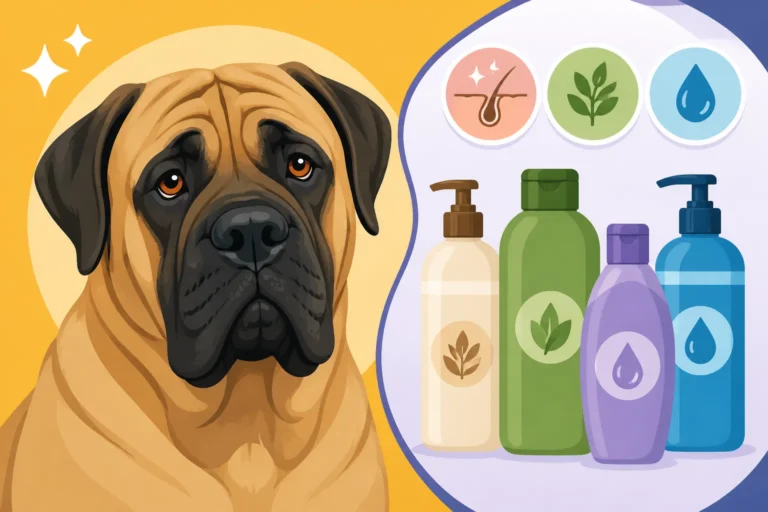
Regular bathing is a cornerstone of odor control. How often you bathe your Mastiff will depend on their lifestyle – a muddy romp in the park might necessitate an immediate bath, while a house-bound Mastiff might only need one every few weeks or months. The key is to use a dog-specific shampoo and, perhaps more importantly, to ensure they are completely dry afterwards. A damp coat, especially on such a large dog, is an open invitation for mildewy smells and potential skin issues. Bathing a Mastiff isn't a small feat; they're huge! Bathing a Mastiff You Cannot Lift Into a Tub is a very real challenge, often requiring outdoor setups, walk-in showers, or professional groomers with specialized equipment.
Beyond full baths, targeted cleaning is essential, particularly for those characteristic Mastiff wrinkles and folds. These areas need daily or every-other-day attention to prevent the buildup of moisture, food debris, and oils that lead to yeasty or sour smells. You can use gentle, unscented pet wipes or a damp cloth followed by a dry one. For any signs of redness or irritation, specialized medicated wipes (often available from your vet or places like Amazon) might be needed. How Often a Mastiff's Folds Need Cleaning really depends on your individual dog, but it's rarely a "set it and forget it" task.
Ear cleaning is another critical component. Even if your Mastiff isn't prone to infections, a quick wipe of the outer ear flap and visible canal with a vet-approved ear cleaner can prevent wax and dirt buildup, which can also contribute to odor. Just be gentle and never insert anything deep into the ear canal.
Finally, consider their living environment. A Mastiff spends a lot of time lounging, and their beds, blankets, and even your furniture can absorb their scent. Regular washing of all dog bedding is paramount. If your Mastiff has a favorite spot on the couch, consider using washable throws. Hard floors are easier to clean than carpets, which can trap odors. Even if your Mastiff seems clean, their large presence means their environment needs more frequent attention. Consider washable crate pads, blankets, and if they sleep on human beds, ensure that bedding gets laundered often. Maintaining a clean home environment goes hand-in-hand with maintaining a fresh-smelling Mastiff.
Here’s a quick overview of common odor sources and their management:
| Odor Source | Typical Smell | Common Causes | Management Strategy |
|---|---|---|---|
| Skin Folds | Yeasty, sour, musky | Moisture, trapped food/dirt, bacterial/yeast infections | Daily cleaning with pet wipes, thorough drying, vet check for infections |
| Drool/Jowls | Stale, slightly sour | Dried saliva, food debris | Regular wiping of jowls, clean water bowls, washable bedding |
| Ears | Yeasty, pungent, rotten | Wax buildup, bacterial/yeast infections | Weekly ear cleaning, prompt vet care for infections |
| Mouth/Breath | Foul, rotten, "fishy" | Dental disease, trapped food, stomach issues | Regular tooth brushing, dental chews, vet dental cleanings |
| Coat (general) | Musty, "wet dog", oily | Lack of bathing, incomplete drying, excessive oils, allergies | Regular bathing, thorough drying, regular brushing, appropriate diet |
| Anal Glands | Strong, fishy | Impaction, infection, leakage | Vet expression/treatment if issues arise |
| Internal (overall) | Yeasty, general "doggy" | Diet, allergies, underlying health conditions | High-quality diet, allergy management, vet check for systemic issues |
In conclusion, a healthy, well-cared-for Mastiff generally shouldn't have an offensive "doggy odor." If you notice a persistent smell, view it as a signal – a gentle nudge from your giant companion that something needs attention, whether it's a tweak to their grooming routine, a dietary adjustment, or a visit to the vet. Proactive care will keep your Mastiff smelling as sweet as their temperament.
Disclaimer
This article is for general informational purposes only and does not constitute professional advice. Laws, prices and regulations vary by location and change over time. Consult a qualified professional for guidance on your specific situation.