Whether a Mastiff’s Drool Gets Worse With Age
If you're a Mastiff owner, you know the drool struggle is real. Those majestic jowls can be charming, sure, but they can also turn your walls into abstract art and leave puddles where you least expect them. A common concern I hear from fellow Mastiff lovers is whether this slobbery situation gets worse as our gentle giants age. It's a valid worry, because dealing with a gallon of drool from a powerful young dog is one thing, but managing it from a senior who might already have mobility issues feels like a whole new challenge. This guide will help you understand the dynamics of Mastiff drool and whether you should expect an increase as your beloved companion enters their golden years.
Understanding Normal Mastiff Drool
First, let's establish what's "normal" in the world of Mastiff drool, because it’s inherently a part of their charm and unique physiology. These are not dainty, dry-mouthed breeds. Their sheer size and specific facial structure predispose them to a certain level of slobber that many other dogs simply don't experience.
The Anatomy Behind the Drool
A Mastiff's jowls are iconic, but they're also the primary reason for their drool. Unlike breeds with tighter lips, Mastiffs have loose, pendulous flews that don't form a tight seal around their mouths. When saliva is produced, it often collects in these folds and, with gravity or a simple head shake, makes its grand exit. It's not usually an issue of excessive saliva production, but rather ineffective containment. Think of it like a leaky bucket – the bucket isn't overfilling, it just can't hold all the water efficiently. You can learn more about The Anatomy Behind a Mastiff's Drool to truly appreciate the engineering behind the mess.
Beyond the jowls, their deep chests and often short snouts can also play a role. When they pant, especially after exertion or in warm weather, their mouths are wide open, and the sheer volume of air moving across moist surfaces can lead to increased visible drool. This isn't necessarily a sign of a problem, but rather a characteristic of their breed and how they regulate body temperature.
Factors Influencing Everyday Drool
Even in a young, healthy Mastiff, drooling isn't static. Several everyday factors can influence how much slobber you're wiping up. Food, for instance, is a huge trigger. The mere smell or sight of their meal can set off a cascade of saliva in anticipation. This is why you often see a significant increase in drool around meal times. Similarly, excitement, like greeting you after a long day or anticipating a walk, can get those salivary glands working overtime. It’s part of their enthusiastic nature.
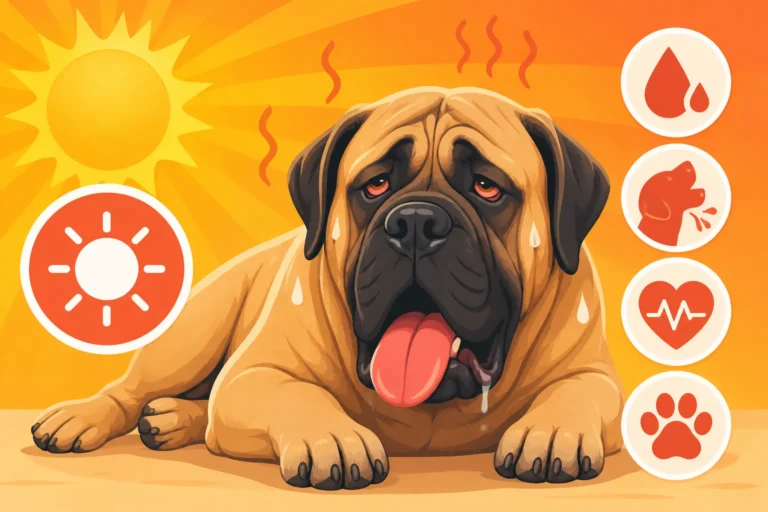
Temperature also plays a critical role. Mastiffs, with their massive bodies, can overheat easily. Panting is their primary way of cooling down, and increased panting often means increased drooling. If you live in a warmer climate or take your Mastiff for a walk on a slightly humid day, prepare for extra moisture. Stress or anxiety, such as during a vet visit or separation anxiety, can also cause them to drool more than usual. Understanding What Makes a Mastiff Drool More can help you differentiate between normal fluctuations and potential concerns.
Is Age a Factor in Increased Drooling?
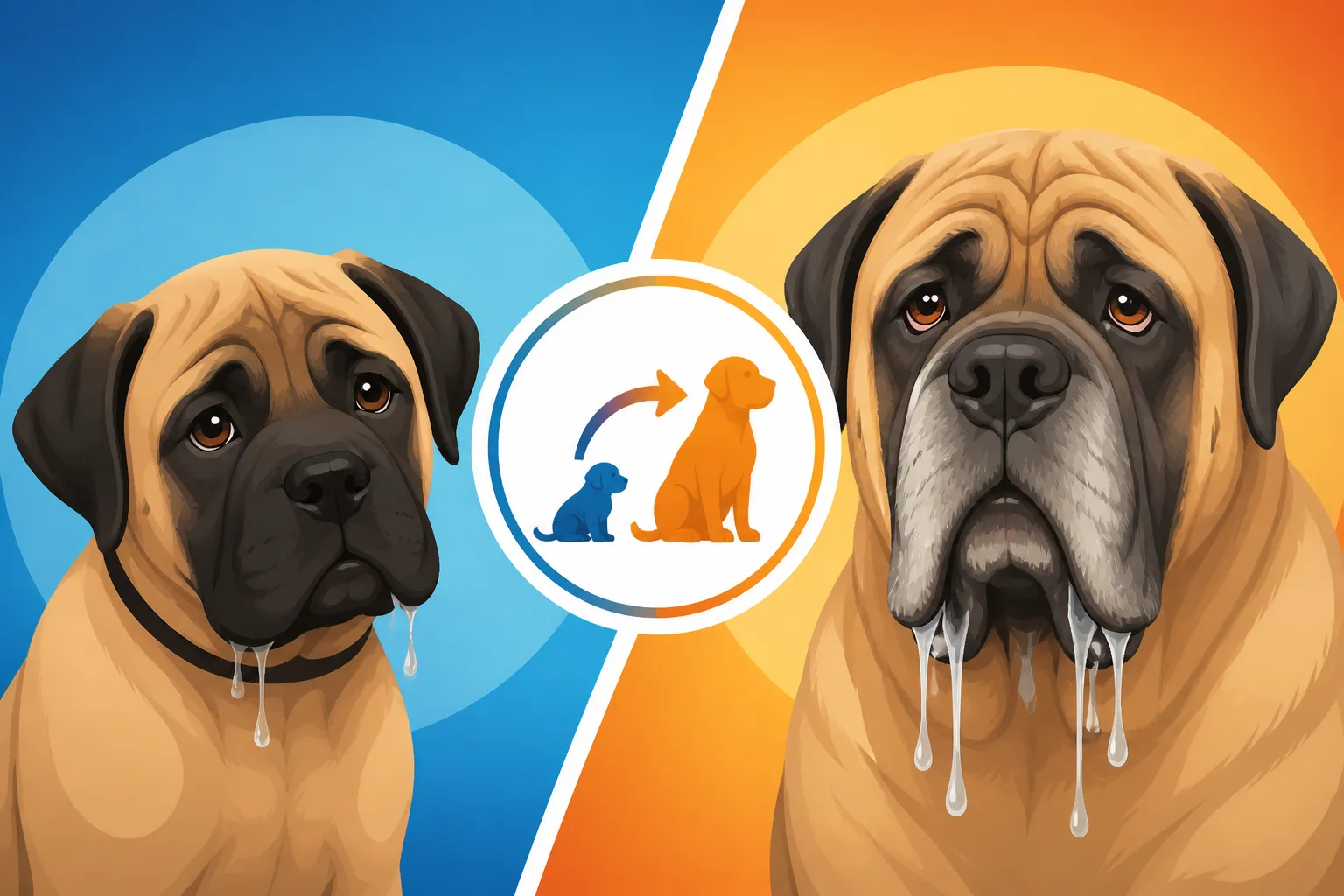
This is the million-dollar question for many Mastiff owners. Does getting older automatically mean more drool? Not necessarily in the way you might think, but age can certainly introduce new factors that contribute to an increase.
Common Age-Related Changes and Drool
As Mastiffs age, they can experience changes that indirectly lead to more visible drooling. One of the most common is dental disease. Just like us, older dogs can develop plaque, tartar, gum inflammation, and even painful broken teeth. These oral issues can cause discomfort and irritation, leading to increased saliva production. Imagine a persistent toothache – your mouth might water more in response to the irritation. If your senior Mastiff starts drooling more consistently, especially with bad breath or pawing at their mouth, a dental check-up is paramount. Brushing the Teeth of a Mastiff That Outweighs You might seem like a monumental task, but good oral hygiene, or regular professional cleanings, can make a huge difference.
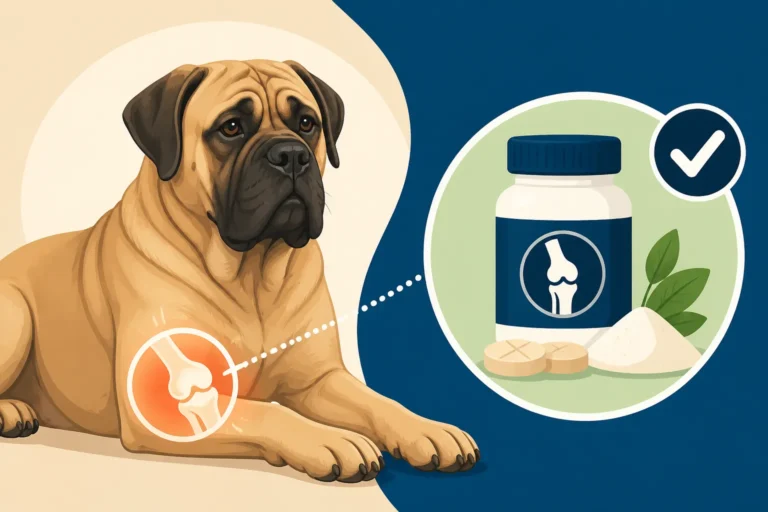
Another factor is general slowing down. Older Mastiffs often become less active and might lie around more. If they're resting with their heads in certain positions, gravity simply takes over, and any saliva that collects in their jowls is more likely to escape. This isn't an increase in saliva production, but rather an increase in its visibility as it's not being swallowed as frequently or as efficiently. Mobility issues, such as those discussed in Why an Old Mastiff Cannot Get Up, might mean they're not moving their head as much to clear accumulated saliva.
When Increased Drool Signals a Problem
While some increase in visible drool might be a normal part of aging for a Mastiff, a sudden or significant increase should always prompt a call to your veterinarian. This is especially true if the drool is accompanied by other symptoms. Beyond dental disease, there are several medical conditions that can manifest with increased drooling. Nausea, for example, can cause excessive salivation, much like when humans feel queasy. If your Mastiff is drooling heavily and also seems unwell, perhaps not eating their food from brands like Ollie or showing signs of gastrointestinal upset, it’s a warning sign.
More serious issues could include foreign bodies lodged in the mouth or throat, masses or tumors in the mouth or salivary glands, or even certain neurological conditions. Liver or kidney disease, though less common as a direct cause, can sometimes present with increased drooling as a secondary symptom. Toxins or irritants ingested can also cause excessive salivation. Pay close attention to the quality of the drool – is it clear, thick, foamy, or discolored? Any change, especially to bloody or unusually colored drool, is an emergency. Understanding When a Mastiff's Drool Signals Trouble can help you act quickly.
Managing Drool in an Aging Mastiff
So, whether it's a slight increase due to aging physiology or a sign of an underlying issue, what can you do to manage your senior Mastiff's drool and keep them comfortable (and your house a little cleaner)?
Adapting Your Home Environment
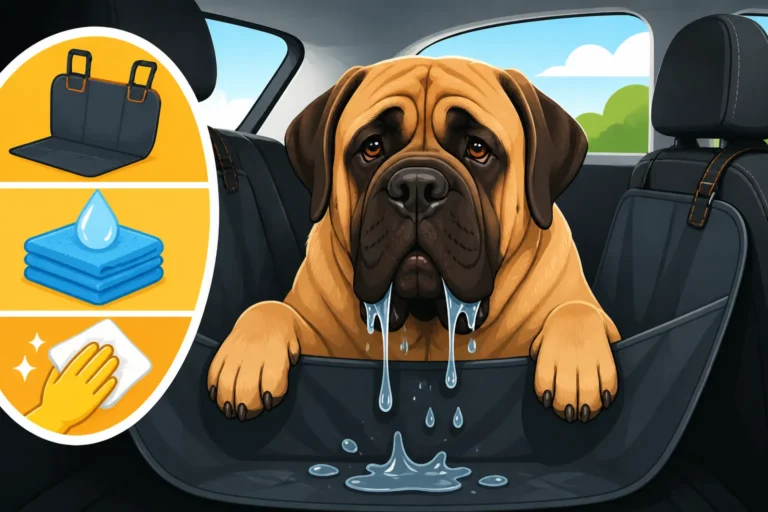
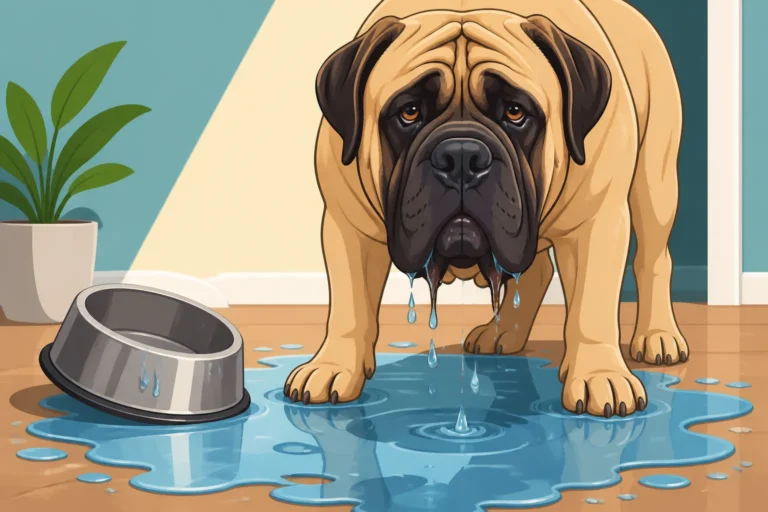
Making small adjustments around the house can go a long way. Strategic placement of towels is a Mastiff owner's secret weapon. Keep them handy near food and water bowls, by doorways, and on any furniture your Mastiff frequents. If you haven't already, invest in high-quality, absorbent towels – you'll go through a lot. Consider using extra-large water bowls from retailers like Chewy or Amazon to help contain the initial splash after a drink, and keep them on mats that can catch drips. Even then, you'll still have The Puddle a Mastiff Leaves After Drinking.
For floors, runners and rugs, particularly in high-traffic areas, not only provide better traction for aging joints but also act as drool sponges. If your Mastiff loves to rest in a particular spot, ensure they have a comfortable, washable bed with a waterproof liner. This makes clean-up much easier than trying to scrub drool out of upholstery. Think about the surfaces your Mastiff interacts with most; if it's painted walls they lean against, a semi-gloss paint can be wiped down more easily than a flat finish.
Routine Care and Veterinary Checks
Regular veterinary check-ups are absolutely crucial for aging Mastiffs, and these appointments are the perfect time to discuss any changes in drooling. Your vet can perform thorough oral exams to rule out dental disease, which is often a silent culprit behind increased drooling. They can also assess your Mastiff's overall health, checking for any systemic diseases that might be contributing. Early detection of issues like Whether a Mastiff Gets Skin Fold Infections, which can be exacerbated by constant moisture, is key.
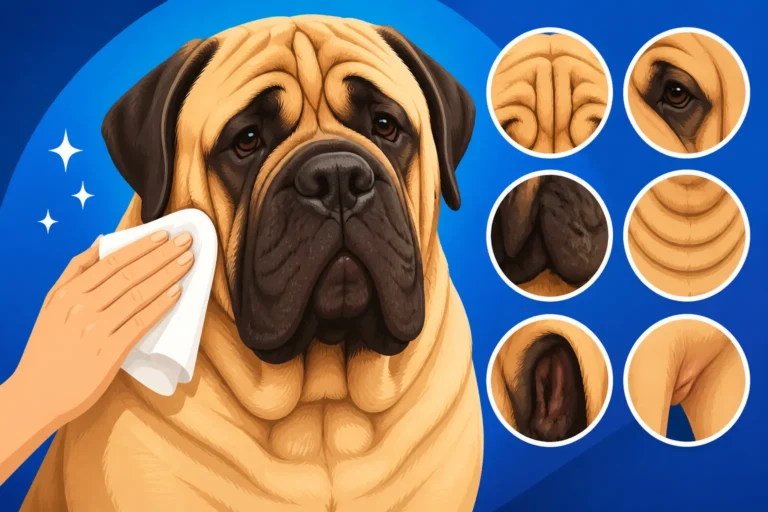
Daily cleaning of your Mastiff's jowls and facial folds is also vital. Use a soft, damp cloth to gently wipe away accumulated saliva and food debris. This prevents irritation, bacterial growth, and odors. Be diligent, because moisture trapped in those folds can lead to skin fold dermatitis. You might find How Often a Mastiff's Jowls Need Wiping to be more frequent than you initially thought. Beyond cleanliness, ensure your senior Mastiff stays well-hydrated. While it might seem counterintuitive to give more water to a drooling dog, good hydration is essential for overall health, especially for their kidneys. Just keep those towels handy for the resulting puddles!
Disclaimer
This article is for general informational purposes only and does not constitute professional advice. Laws, prices and regulations vary by location and change over time. Consult a qualified professional for guidance on your specific situation.