What Makes a Mastiff Drool More
If you share your home with a magnificent Mastiff, you know that drool is simply part of the package. But sometimes, it feels like the slobber situation goes from typical to utterly overwhelming, leaving you wondering if there's something specific making your gentle giant produce what seems like gallons of extra saliva. This guide is here to shed light on the many factors, both normal and concerning, that can increase your Mastiff's drooling, and what you can do to manage it.
Understanding the Natural Tendency: Why Mastiffs Are Droolers to Begin With
Before we dive into what makes them drool more, it’s important to acknowledge that Mastiffs are, by their very nature, predisposed to being slobbery companions. It’s not a flaw, but a characteristic deeply tied to their impressive physique. Many new Mastiff owners are genuinely surprised by the sheer volume of drool, even when they thought they were prepared. It’s one of those things you truly have to experience to understand.
The Unique Anatomy of a Mastiff's Mouth
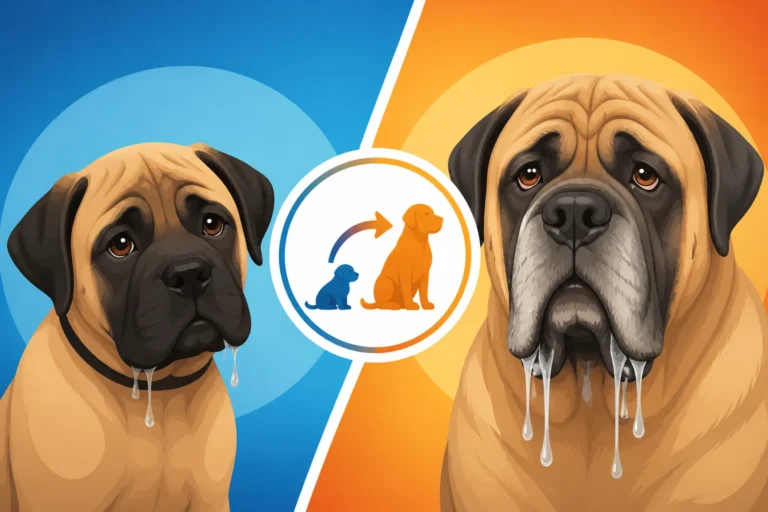
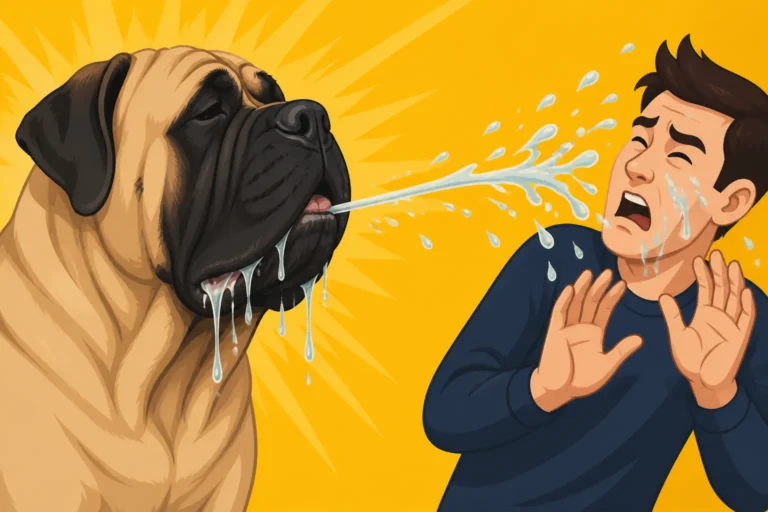
Take a good look at your Mastiff's magnificent head, especially their lips and jowls. Their breed standard often calls for a certain amount of loose skin and pendulous lips, which contribute significantly to their characteristic look. Unlike breeds with tight, dry mouths, a Mastiff's deep flews (the prominent upper lips) and often loose lower lips create natural pockets where saliva can collect. Because these folds aren't taut against their teeth, the saliva doesn't get reabsorbed or easily swallowed. Instead, it accumulates, and with a shake of that massive head, gravity takes over. That's why you often find yourself wiping down walls, furniture, and even ceilings! It’s simply The Anatomy Behind a Mastiff's Drool in action.
The Science Behind Saliva Production
Saliva is essential for dogs. It kickstarts digestion, helps keep the mouth clean by washing away food particles, and even contains enzymes that contribute to oral health. All dogs produce saliva, but in Mastiffs, the design of their mouth means it's less contained. When they pant to cool down, drink water, or even just relax, saliva is continuously produced. The sheer size of a Mastiff also means a proportionally larger salivary gland system compared to smaller breeds. More glands mean more potential for output. So, while other dogs might produce the same rate of saliva, a Mastiff's mouth architecture simply doesn't hold it in as effectively. This constant, uncontained production forms the baseline for what you experience daily, making any increase feel all the more noticeable.
Common Triggers That Exacerbate Drooling in Your Mastiff
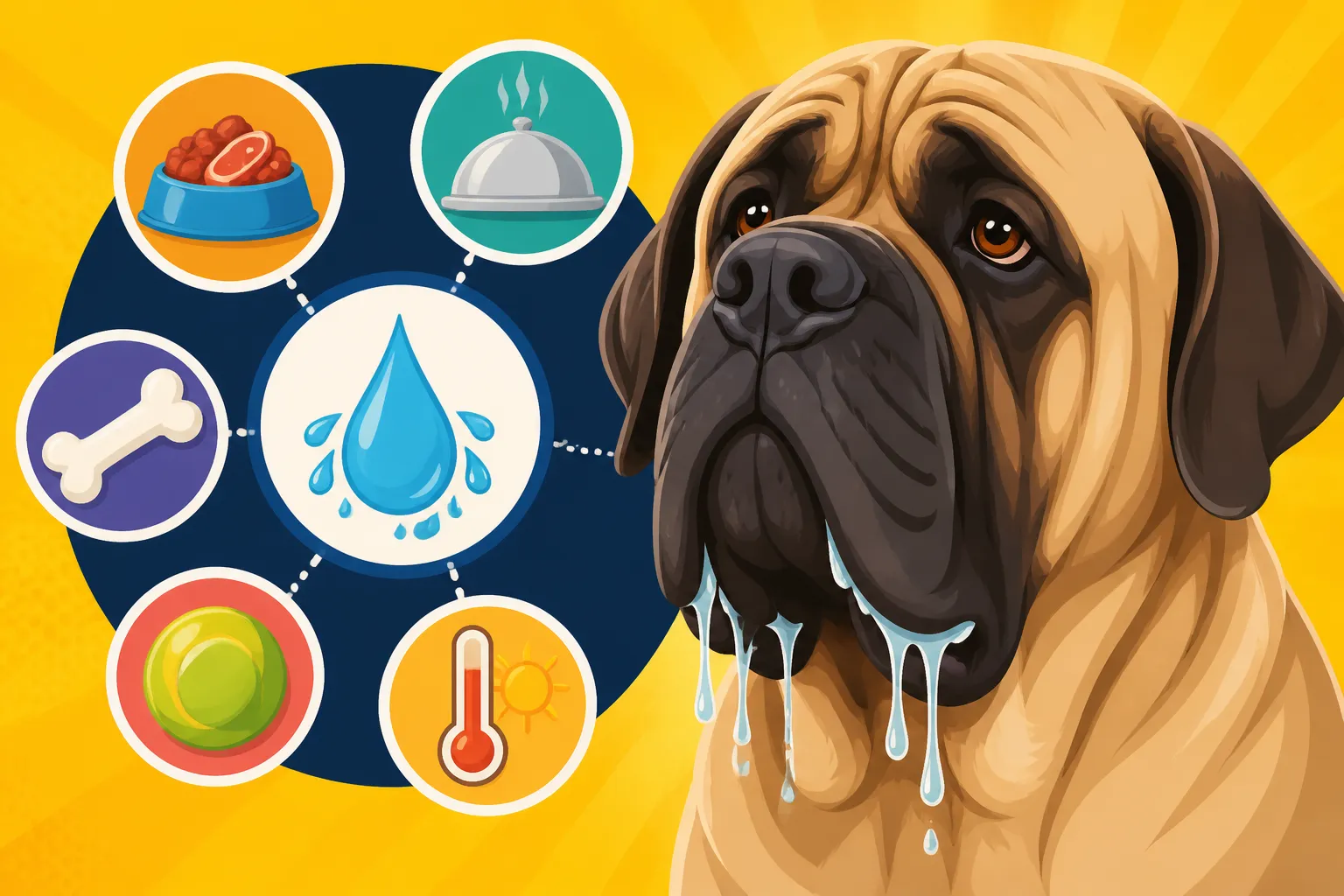
Once you've accepted the baseline level of drool, it's easy to spot when things escalate. Many common situations in a Mastiff's day can kick their salivary glands into overdrive. These aren't necessarily signs of a problem, but rather normal physiological responses that just happen to be more dramatic in a Mastiff.
The Excitement of Anticipation: Food and Play
Few things get a Mastiff's jowls working like the promise of a meal. The moment they hear the rustle of the food bag or the clinking of their bowl, their salivary glands often begin to produce copious amounts of saliva in anticipation. This is a normal, evolutionary response, preparing their digestive system for incoming food. Similarly, intense excitement, such as seeing their favorite human after a long absence, the jingling of keys for a walk, or the sight of a beloved toy, can also lead to an increase in drool. Their bodies are literally revving up, and for a Mastiff, that often manifests as a wetter chin. It's the doggy equivalent of our mouths watering, but with much less containment.
Heat, Humidity, and Physical Exertion
Mastiffs are big, heavy-coated dogs, and they struggle with heat. Unlike humans who sweat all over, dogs primarily cool themselves by panting. Increased panting leads to increased airflow over the wet surfaces of their mouth and tongue, which evaporates moisture and cools their blood. However, this also means significantly more saliva production. If your Mastiff is out on a warm day, or even just had a strenuous play session indoors, you can expect a flood of drool. Humid weather makes it even harder for them to cool down effectively through panting, so they pant harder and drool even more. This is why paying close attention to The Temperature at Which a Mastiff Should Stay Indoors is crucial to prevent overheating, which can be dangerous. Always ensure they have access to fresh water and shade, especially during warmer months.
Stress, Anxiety, and Environmental Changes
Just like humans might get a dry mouth when nervous, dogs can react to stress with increased salivation. A trip to the vet, a loud thunderstorm, fireworks, meeting new people, or being in an unfamiliar environment can all cause a Mastiff to become anxious, and one of their physical responses might be excessive drooling. Think of it as their body's way of coping with heightened emotions. Changes in routine, separation anxiety, or even perceived threats can also trigger this response. If you notice your Mastiff drooling more during specific stressful events, try to identify the source of their anxiety and work on desensitization or providing comfort. For example, a calming chew or a familiar blanket can sometimes make a difference in helping them feel more secure.
When Drooling Signals a Deeper Issue: Health and Other Concerns
While many instances of increased drooling are perfectly normal for a Mastiff, there are times when it can be a red flag for an underlying health problem. It's important to be observant and know when a vet visit might be necessary. This is where your intimate knowledge of your Mastiff's normal drool patterns becomes invaluable.
Oral and Dental Problems
Pain or irritation in the mouth is a very common cause of increased drooling in any dog, and Mastiffs are no exception. Imagine having a toothache or a sore gum – you'd likely produce more saliva too. Broken teeth, gum disease (gingivitis or periodontitis), foreign objects lodged in the mouth (like a stick splinter or bone fragment), oral tumors, or even severe mouth ulcers can all lead to excessive drooling. If you notice your Mastiff drooling more, especially if the drool is thicker, discolored, bloody, or accompanied by pawing at the mouth, reluctance to eat, or bad breath, it's time for a thorough oral examination by your vet. Regular dental check-ups are just as important for these big guys as they are for us.
Digestive Upset and Nausea
Nausea is another major culprit for increased drooling. If your Mastiff feels sick to their stomach, whether from eating something they shouldn't have, car sickness, an intestinal bug, or even a more serious condition like bloat, their body will often produce more saliva. This is thought to be a protective mechanism, helping to coat the esophagus and protect it from stomach acid if vomiting occurs. Look for other signs of nausea such as lip-licking, gulping, restlessness, unwillingness to eat, or actual vomiting. In a Mastiff, symptoms like these, particularly restlessness and a distended abdomen, could quickly escalate to a medical emergency like Bloat in the Deepest Chest of Any Breed: the Mastiff. If you suspect nausea, especially if accompanied by other concerning symptoms, a vet visit is imperative.
Medications, Toxins, and Other Ailments
Sometimes, medications can have side effects that include increased salivation. Certain drugs, particularly those affecting the nervous system or gastrointestinal tract, might temporarily increase drool. Always discuss any new medication's side effects with your vet. Far more critically, exposure to toxins can cause severe drooling. If your Mastiff has ingested something poisonous—from certain plants to household chemicals, or even some human foods that are toxic to dogs—excessive drooling, often foamy, can be an immediate sign. This is an emergency. Other less common but serious medical conditions, such as seizures (even mild ones), neurological disorders, or even certain metabolic diseases, can also manifest with increased salivation. Paying close attention to When a Mastiff's Drool Signals Trouble can literally be life-saving.
Practical Strategies for Managing Excessive Mastiff Drool
While you can't eliminate a Mastiff's natural drooling, you can certainly take steps to manage the "excessive" part and keep your home a little cleaner. It’s all about a proactive approach and understanding your dog's specific needs.
Dietary Adjustments and Hydration Habits
What goes into your Mastiff can sometimes affect what comes out (as drool!). Some dogs are more prone to drooling after certain foods, especially if they cause even a mild upset stomach. Ensuring your Mastiff is on a high-quality, easily digestible diet can help. Also, consider the type of treats you're offering. Chewy, strong-smelling treats might stimulate more salivation.
Hydration is key, but how your Mastiff drinks matters. Many Mastiffs practically dunk their entire head into the water bowl, leading to huge puddles and dripping jowls afterwards. While you can't stop them from drinking, you can try certain bowl designs. A slow-drinker bowl or a bowl with a narrower opening at the top might reduce the amount of water (and subsequent drool) that escapes their mouth. You can find options like these on sites like Amazon or Chewy. Additionally, consider how often your dog drinks. If they're gulping huge amounts at once, perhaps more frequent, smaller water breaks could help. Managing a Mastiff's Jowls After It Drinks is an ongoing battle, but small changes can make a difference.
Environmental Control and Routine Maintenance
Keeping your Mastiff comfortable can go a long way in reducing drooling related to heat or stress. Ensure they have a cool, quiet place to retreat to, especially on warm days. Cooling mats or even a fan can make a big difference for these large, heat-sensitive dogs. Reduce exposure to known stressors wherever possible.
On the maintenance side, regular cleaning is just a fact of Mastiff life. Keep plenty of towels handy – you'll need them! For wiping down jowls and faces, gentle, unscented wipes can be helpful. You can purchase these in bulk from pet supply retailers or online stores like Chewy. Don’t forget to clean those jowls after drinking and eating to minimize The Staining a Mastiff's Drool Leaves on your floors and furniture. Many owners strategically place washable throw rugs or blankets in high-traffic drool zones. For their facial folds, a quick wipe with a clean, damp cloth can prevent irritation, as trapped moisture and food particles can lead to skin fold infections. Knowing How Often a Mastiff's Jowls Need Wiping depends on your individual dog, but a few times a day is not uncommon.
Knowing When to Call the Vet
This is perhaps the most crucial strategy. If your Mastiff's drooling suddenly increases significantly, changes in consistency (becomes foamy, bloody, or very thick), is accompanied by other symptoms like lethargy, loss of appetite, vomiting, pawing at the mouth, swelling, or changes in behavior, do not hesitate. Call your veterinarian immediately. Many of the serious causes of excessive drooling require prompt medical attention. A quick phone call can often help determine if it's something minor you can monitor at home, or if an emergency visit is necessary. Remember, with a dog as large and stoic as a Mastiff, sometimes the signs of discomfort can be subtle until a condition is quite advanced.
| Drooling Factor | Common Signs | Management Strategy | When to Call the Vet |
|---|---|---|---|
| Natural Anatomy | Constant, generally clear, dripping saliva | Regular wiping, strategically placed towels | N/A (normal breed characteristic) |
| Excitement/Anticipation | Increased drool before meals, walks, play | Manage expectations, immediate post-excitement wipe | If accompanied by anxiety or refusal to eat |
| Heat/Overexertion | Heavy panting, increased drool, seeking shade | Cool environment, limited exercise in heat, fresh water | If showing signs of overheating (heavy panting, weakness, dark gums, collapse) |
| Stress/Anxiety | Increased drool with trembling, hiding, pacing | Identify stressor, create calm space, training/desensitization | If severe or prolonged, leading to other health issues |
| Oral/Dental Issues | Foul breath, pawing at mouth, difficulty eating, bloody/thick drool | Regular dental checks, oral hygiene | Immediately, especially if sudden onset or severe pain |
| Nausea/Digestive Upset | Lip-licking, gulping, lethargy, vomiting, refusal to eat | Bland diet, identify dietary triggers | Immediately, especially if signs of bloat (distended abdomen, unproductive retching) |
| Toxin Ingestion | Sudden, severe drooling (often foamy), vomiting, tremors, weakness | Identify potential toxins, secure household items | Emergency – Call vet/poison control immediately |
Disclaimer
This article is for general informational purposes only and does not constitute professional advice. Laws, prices and regulations vary by location and change over time. Consult a qualified professional for guidance on your specific situation.