Signs a Mastiff Is Overheating
The sheer size and incredible loyalty of a Mastiff can sometimes make us forget just how vulnerable they are to certain environmental factors. One of the biggest silent threats, especially during warmer months or even just strenuous activity, is overheating. It's a terrifying scenario for any Mastiff owner to witness their gentle giant struggling, and recognizing the signs of heatstroke early can literally mean the difference between life and death. This guide will walk you through understanding why Mastiffs are particularly susceptible, how to spot the early warning signs, and what crucial steps to take to keep your beloved companion safe.
Why Mastiffs Are So Prone to Overheating
It's easy to look at a Mastiff and think they're built like tanks, capable of anything. And while they are robust in many ways, their unique physical characteristics actually put them at a much higher risk for overheating compared to many other breeds. Understanding these inherent vulnerabilities is the first step in being a responsible Mastiff owner.
Their Sheer Bulk and Body Mass
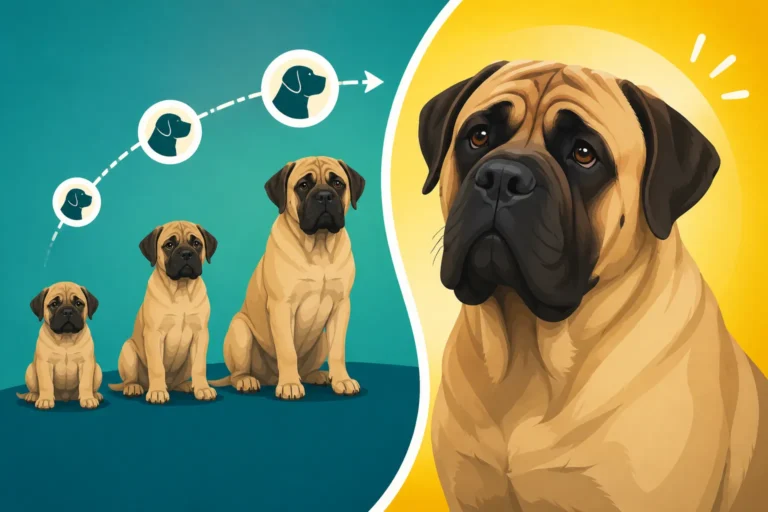
Imagine trying to cool down a small car versus a large truck. The Mastiff is definitely the large truck in this analogy. Their massive body mass, often weighing upwards of 150-200 pounds or more, generates and retains an incredible amount of heat. Unlike smaller dogs that have a larger surface area relative to their volume, allowing for more efficient heat dissipation, a Mastiff’s compact bulk means heat gets trapped deep within their tissues. This isn't just about insulation; it's about the sheer metabolic heat produced by such a large amount of muscle and tissue, which then has a harder time escaping the body. This is a critical factor when considering Why Bulk Makes a Mastiff Overheat.
Even on a moderately warm day, or during what might seem like light exercise for a smaller dog, a Mastiff can quickly become internally hot. Their bodies simply aren't designed for rapid cooling when they get going. This makes them particularly susceptible to heat accumulation, turning even a casual stroll into a potential hazard if the conditions aren't right. It's not a matter of fitness; it's a matter of physics and physiology.
Their Brachycephalic Flat Face and Airway Obstructions
Take a close look at your Mastiff's face – that characteristic short snout and wrinkled brow are adorable, right? Unfortunately, these same features are a major contributor to their overheating risk. Mastiffs are a brachycephalic breed, meaning they have a relatively short and broad head. This squished facial structure results in constricted airways. Their soft palates are often too long, their nostrils can be narrowed (stenotic nares), and their tracheas can be narrower than those of longer-snouted breeds.
Dogs primarily cool themselves by panting, which involves rapid, shallow breathing that evaporates moisture from their tongues and respiratory tracts. This evaporative cooling acts much like sweating does for humans. However, with obstructed airways, a Mastiff has to work much harder to move air across those moist surfaces. They are less efficient at panting, meaning they can't cool down as effectively or as quickly. This inherent inefficiency makes them prone to overheating even when they are just sitting still in warm conditions. For them, every breath is a bit more of a struggle than it is for a dog with a long, open airway. This can be especially dangerous when considering Why Anesthesia Is Riskier in a Mastiff, as respiratory issues can be compounded.
Dense Coats and Inefficient Cooling
While a Mastiff's coat is generally short, it can be surprisingly dense, providing another layer of insulation that works against them in warm weather. While it might seem counterintuitive that a short-haired dog would be prone to overheating due to its coat, it's the density and underlying fat layers that contribute to retaining heat. They don't have the same type of double coat as, say, a Newfoundland, which is designed to shed efficiently and create air pockets for cooling, but their fur still traps a significant amount of heat close to their body.
Furthermore, Mastiffs, like all dogs, don't sweat through their skin in the same way humans do. Their sweat glands are primarily found on their paw pads, which are largely ineffective for cooling their massive bodies. This means their primary mechanism for shedding heat is panting, which, as we've discussed, is already compromised by their brachycephalic features. So, you have a dog that generates a lot of internal heat, has an insulating coat, and is inefficient at panting away that heat. It's a perfect storm for heatstroke. This is why How Much Cooling a Mastiff Household Needs is often a major consideration for owners.
Early Warning Signs of Overheating You Cannot Miss
Spotting the signs of overheating early is absolutely vital for a Mastiff. These aren't just minor discomforts; they are indicators that your dog's body temperature is rising to dangerous levels. Don't wait for dramatic symptoms; learn to recognize the subtle changes that can save their life.
Excessive Panting and Increased Heart Rate
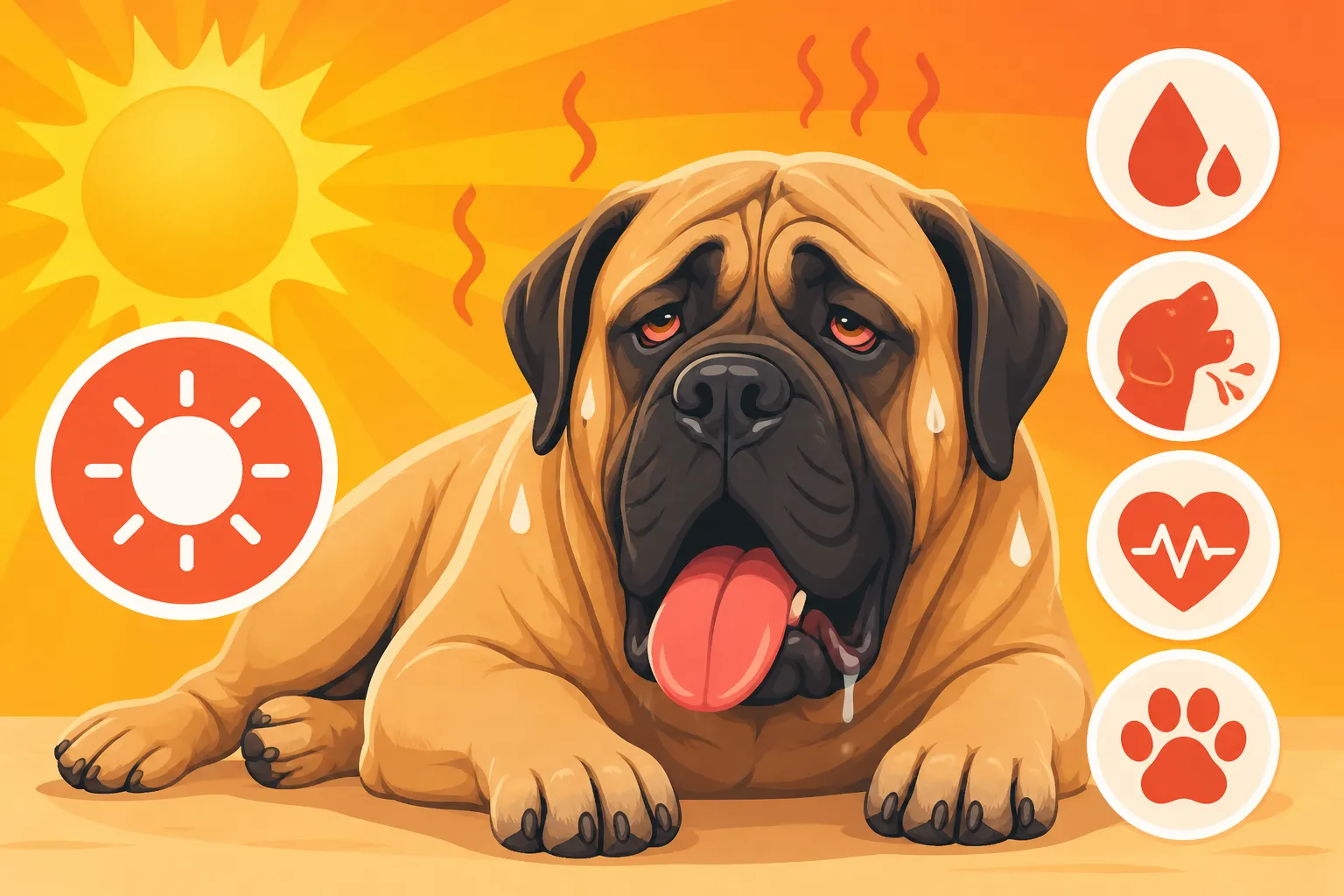
One of the first and most obvious signs that your Mastiff is getting too hot is an escalation in their panting. Of course, all dogs pant, especially after some activity or on a warm day. But for a Mastiff that's overheating, the panting will be noticeably more intense, rapid, and often quite shallow. It might sound labored, almost like they're struggling to catch their breath. They'll be breathing much faster than usual, even if they're not actively exercising. This isn't just a cooling mechanism working; it's a sign their body is working overtime to try and cool down, and potentially failing.
Along with the excessive panting, you might also notice their heart rate is significantly elevated. You can often feel this by gently placing your hand on their chest behind their elbow, or by checking their pulse in their inner thigh. A racing heart, combined with rapid, forceful panting, is a clear signal that their system is under immense stress. Their gums might also appear brighter red than normal as blood rushes to the surface in an attempt to dissipate heat. If you see this kind of agitated, rapid breathing, especially coupled with a bright red tongue or gums, it's time to act immediately.
Drooling More Than Usual (Yes, Even for a Mastiff!)
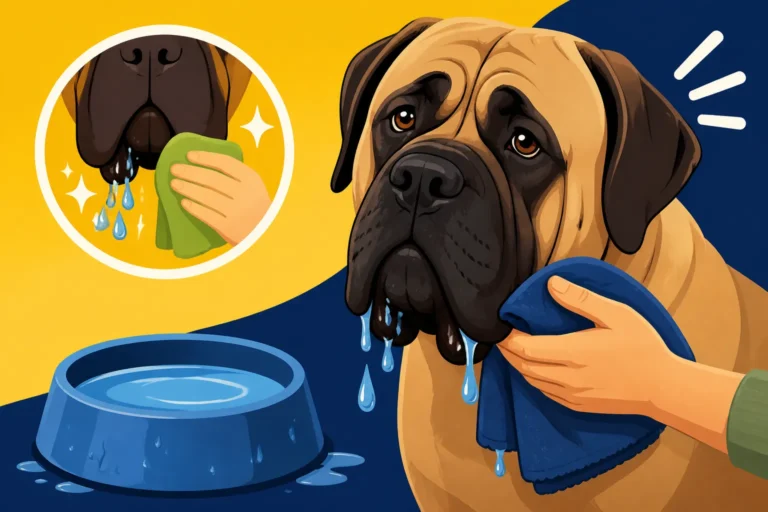
Now, let's be realistic: a Mastiff is probably going to drool. It's part of their charm (or, let's be honest, part of the cleanup routine!). So, when we talk about increased drooling as a sign of overheating, we're talking about a level beyond their normal, majestic slobber. If your Mastiff is truly overheating, the drool won't just be a few strings; it will be profuse, watery, and perhaps even foamy. Their jowls might be soaking wet, and they might be shaking their heads even more than usual to fling the excess.
This excessive drooling is another desperate attempt by their body to cool down. The evaporation of saliva from their mouth and tongue helps, but when their system is overwhelmed, the body simply produces more and more in a futile effort. It’s a sign that their regular panting isn’t enough. Don't dismiss it as "just a Mastiff being a Mastiff" if it's notably more than their typical drool. This symptom, when combined with rapid panting, is a strong indicator that things are becoming critical. Consider checking What Makes a Mastiff Drool More for context, but recognize the severity when combined with other heat signs.
Changes in Energy and Behavior
Your Mastiff's behavior can offer critical clues. A dog that's starting to overheat will often become lethargic and seek out cool spots. They might refuse to move, lie down suddenly during a walk, or even seem disoriented. They might ignore commands that they normally obey instantly, or appear confused about their surroundings. Some Mastiffs might become anxious or restless, pacing or trying to find a patch of shade or cool tile, seemingly unable to settle.
A subtle but important sign is a lack of responsiveness. If you call their name and they usually respond with a tail wag or a glance, but now they just seem glazed over or uninterested, that's a red flag. They might seem weaker than usual, unsteady on their feet, or just generally "off." These behavioral changes indicate that their central nervous system is being affected by the rising body temperature. Any deviation from their normal demeanor, especially after being exposed to heat or exercise, should be taken very seriously. This is their way of telling you they're in distress, even if they can't voice it.
Advanced Symptoms: When It Becomes a Medical Emergency
When a Mastiff's body temperature continues to climb unchecked, the situation rapidly escalates from discomfort to a life-threatening emergency. Recognizing these advanced symptoms means you need to get veterinary help immediately, as organ damage can occur very quickly.
Vomiting, Diarrhea, and Gastrointestinal Distress
As internal temperatures rise to critical levels, the body starts to shut down non-essential functions and divert resources. The gastrointestinal system is one of the first to show signs of distress. Overheating can lead to damage to the lining of the intestines, causing acute vomiting and severe diarrhea. This isn't just about discomfort; it indicates that the body's internal systems are failing to cope. The vomit might contain bile, undigested food, or even blood, and the diarrhea can be watery, bloody, or have a dark, tarry appearance.
These symptoms further exacerbate dehydration, creating a dangerous cycle that makes it even harder for the dog to cool down. If your Mastiff is vomiting or experiencing diarrhea in conjunction with other heat-related signs, it’s no longer a matter of simply cooling them down at home; they need urgent professional medical intervention. This level of gastrointestinal upset signals significant internal damage that requires veterinary assessment and treatment.
Stumbling, Disorientation, and Weakness
When a Mastiff is severely overheating, their neurological function begins to suffer. You might observe them stumbling, staggering as if drunk, or even collapsing. They may become completely disoriented, bumping into objects, or staring blankly into space. Their movements will be uncoordinated, and they might struggle to stand or walk. Muscle tremors or seizures can also occur in severe cases, indicating significant neurological compromise.
This profound weakness and disorientation are clear signs that the brain and central nervous system are being impacted by the high body temperature. At this point, irreversible damage to vital organs, including the brain, kidneys, and liver, is a very real possibility. A Mastiff in this state is experiencing a full-blown medical emergency and needs immediate veterinary care. Every second counts, as prolonged high temperatures can lead to permanent disability or death. Getting them to an emergency vet should be your absolute top priority.
Gums Turning Pale, Bright Red, or Bluish
Checking your Mastiff's gums is a quick and effective way to assess their circulation and oxygenation, which are directly impacted by overheating. In the early stages of overheating, their gums might appear bright red as blood rushes to the surface in an attempt to cool. However, as the situation worsens, the color can change dramatically and become much more alarming.
If the gums turn pale or white, it indicates a severe drop in blood pressure or shock, meaning blood isn't circulating effectively. This is incredibly serious. Conversely, if the gums take on a bluish or purplish tinge, known as cyanosis, it means your Mastiff isn't getting enough oxygen, which is often a critical sign of respiratory failure due to heat stress. Either of these changes—pale, white, or blue gums—signals a life-threatening emergency. Press your finger gently on their gum line; if the color doesn't return to normal within 1-2 seconds (capillary refill time), it's another dire sign. Don't hesitate; this is when you absolutely need to be on your way to the nearest emergency clinic.
| Symptom Category | Early Warning Signs | Advanced/Critical Signs |
|---|---|---|
| Respiratory | Excessive, rapid, labored panting | Shallow, gasping breaths; noisy breathing |
| Oral/Facial | Profuse, watery drooling; bright red gums | Foamy saliva; pale, white, or bluish gums; dry, sticky gums |
| Behavioral/Motor | Lethargy, seeking shade, restlessness | Stumbling, disorientation, collapse, seizures, unresponsiveness |
| Gastrointestinal | None initially, maybe mild nausea | Vomiting (possibly bloody), severe diarrhea (possibly bloody) |
| Overall | Increased heart rate, general discomfort | Extreme weakness, body temperature over 104°F (40°C) |
Immediate Actions to Take When Your Mastiff Shows Signs
When you suspect your Mastiff is overheating, time is of the essence. Quick, decisive action can make a profound difference in their outcome. These steps are crucial to stabilizing your dog while you prepare for professional help.
Moving to a Cooler Environment and Offering Water
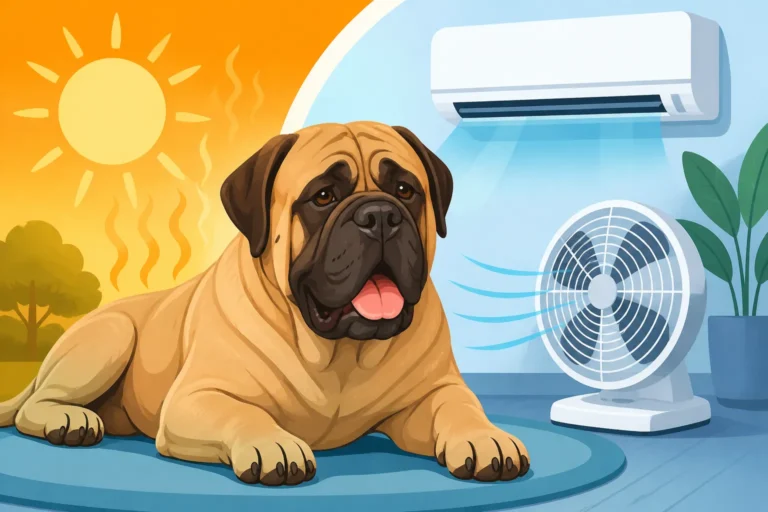
The very first thing you must do is get your Mastiff out of the heat source immediately. If you're outside, move them into the shade, inside a cool building, or into an air-conditioned car. If they're in the house, guide them to the coolest room, perhaps one with tile or linoleum flooring, or turn on the air conditioning or a fan. Getting them away from the heat is paramount to stopping their internal temperature from rising further.
Once in a cooler spot, offer them fresh, cool water. Not ice-cold, as that can cause stomach upset, but refreshingly cool. Don't force them to drink, but make it readily available. A large, sturdy bowl from brands like Chewy or Amazon can encourage them to lap up some hydration. Even if they only take a few sips, it can help. If they refuse to drink, don't waste time trying to make them; focus on external cooling. The goal here is to reduce heat exposure and offer a means of rehydration, if they're willing. Remember, if they are disoriented or vomiting, do not force water, as it can be aspirated.
Applying Cool Water and Monitoring Temperature
While getting to a vet, or even before, you need to actively help lower their body temperature. The best way to do this is by applying cool (not ice-cold) water to their body, focusing on areas with good blood flow. Use a hose on a gentle setting, wet towels, or even a sponge. Concentrate on their armpits, groin, belly, paw pads, and the underside of their neck. These areas have major blood vessels close to the surface, allowing for more efficient heat exchange. You want to get their fur wet, but not soaked to the point where the water insulates rather than cools.
Crucially, you need to monitor their temperature. If you have a rectal thermometer, use it. Your goal is to bring their temperature down to between 102.5°F and 103°F (39.2°C and 39.4°C). Once it reaches this range, stop active cooling with water to prevent over-cooling (hypothermia), which can be just as dangerous as overheating. Continue to monitor their temperature every few minutes after stopping the water application. It's important to remember that active cooling is a temporary measure to stabilize them; it does not replace veterinary care. Which Cooling Gear Works on a Mastiff might include some helpful tools for this process.
When to Head to the Emergency Vet, No Questions Asked
Any time your Mastiff shows more than mild, transient signs of overheating, a trip to the emergency veterinarian is non-negotiable. If you observe any of the advanced symptoms—vomiting, diarrhea, severe lethargy, disorientation, staggering, collapse, seizures, or gums that are pale, white, or blue—you must go immediately. Do not delay to try and cool them down further at home once these severe signs are present. The critical window for preventing irreversible organ damage is very small.
Call ahead to the veterinary clinic if possible to let them know you're coming and that you have a suspected heatstroke case. This allows them to prepare for your arrival. Even if you've managed to bring their temperature down, internal damage might have occurred that isn't immediately apparent. A veterinarian needs to assess them for organ damage, administer intravenous fluids, and provide supportive care. A Mastiff is simply too large and too prone to complications for "wait and see" when it comes to heatstroke. This is often when you realize Why a Mastiff Needs a Referral Hospital for Surgery or intensive care.
Preventing Overheating: Proactive Steps for Mastiff Owners
The best treatment for overheating is prevention. Being proactive and understanding your Mastiff's unique needs will ensure they stay safe and comfortable, even when the mercury rises. It's about constant vigilance and intelligent management of their environment and activity.
Timing Walks and Avoiding Peak Heat Hours
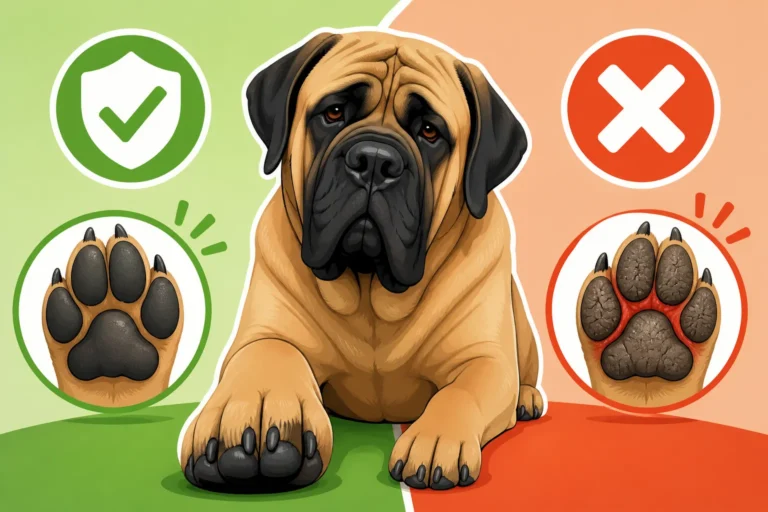
One of the simplest yet most effective ways to prevent overheating is to adjust your daily routine to avoid the hottest parts of the day. During warm weather, this means scheduling walks and outdoor playtime for early mornings or late evenings. Before 8 AM and after 7 PM are typically the coolest periods, when the sun is less intense and the ambient temperature has dropped. Feel the pavement with your hand; if it's too hot for your bare palm for five seconds, it's too hot for your Mastiff's paw pads, and their whole body will absorb that heat.
Even on overcast days, humidity can be a huge factor for Mastiffs, making it feel much hotter than the thermometer suggests. On really stifling days, consider foregoing a traditional walk altogether and opting for indoor play in an air-conditioned space, or a short potty break directly into a shaded yard. A brief outing is better than risking a full-blown emergency. Remember, a Mastiff does not need extensive exercise daily, so prioritizing their safety over a long walk is always the right choice. The Minutes a Mastiff Has in a Warm Car is also a good indicator of how quickly things can go wrong.
Ensuring Ample Water and Shade Access
Constant access to fresh, cool water and shade is non-negotiable for a Mastiff, especially outdoors. If your Mastiff spends any time in the yard, they must have a shaded area where they can retreat from direct sunlight at all times of the day. A sturdy dog house is good, but often a large, open shade structure or a covered patio is better, as it allows for better airflow. Also, ensure they have multiple water sources in different locations, not just one bowl that can be accidentally tipped over or quickly emptied.
These water bowls should be heavy and tip-resistant, and the water should be refreshed frequently throughout the day with cool water. You might even consider adding a few ice cubes to their water bowl to keep it cooler longer, especially on a very warm day. Indoors, make sure water is always available. Hydration is key to their body's ability to regulate temperature, even if their panting mechanism is less efficient. You could even explore fresh food options like Ollie that have higher moisture content, helping with hydration as part of their regular diet, though always check with your vet for dietary changes.
Considering Cooling Aids and Environmental Controls
Beyond timing walks and providing water, there are various cooling aids and environmental controls that can help keep your Mastiff comfortable and safe. Indoors, air conditioning is often the single most effective tool. If you don't have AC, strategic use of fans (even floor fans pointed at their favorite resting spots) can improve airflow and evaporation. Cooling mats, which contain a gel that activates with pressure, can be excellent for providing a cool spot to lie down. You can find many options for these on sites like Amazon.
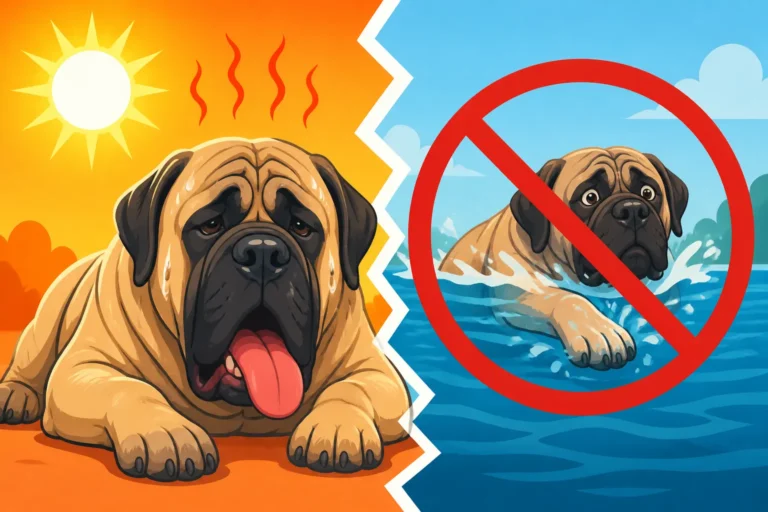
Outdoors, a kiddie pool with a few inches of cool water can be a godsend. Many Mastiffs enjoy wading, and the cool water on their paws and belly can help reduce their core temperature. Just ensure the pool is sturdy enough for a giant breed and that they can easily get in and out. For walks in moderate heat, consider a cooling vest or bandanna that you can soak in cool water. These can provide temporary relief, but remember they are aids, not solutions for extreme heat. Being prepared with these tools is part of What a Mastiff Needs Every Day in warmer climates.
Disclaimer
This article is for general informational purposes only and does not constitute professional advice. Laws, prices and regulations vary by location and change over time. Consult a qualified professional for guidance on your specific situation.