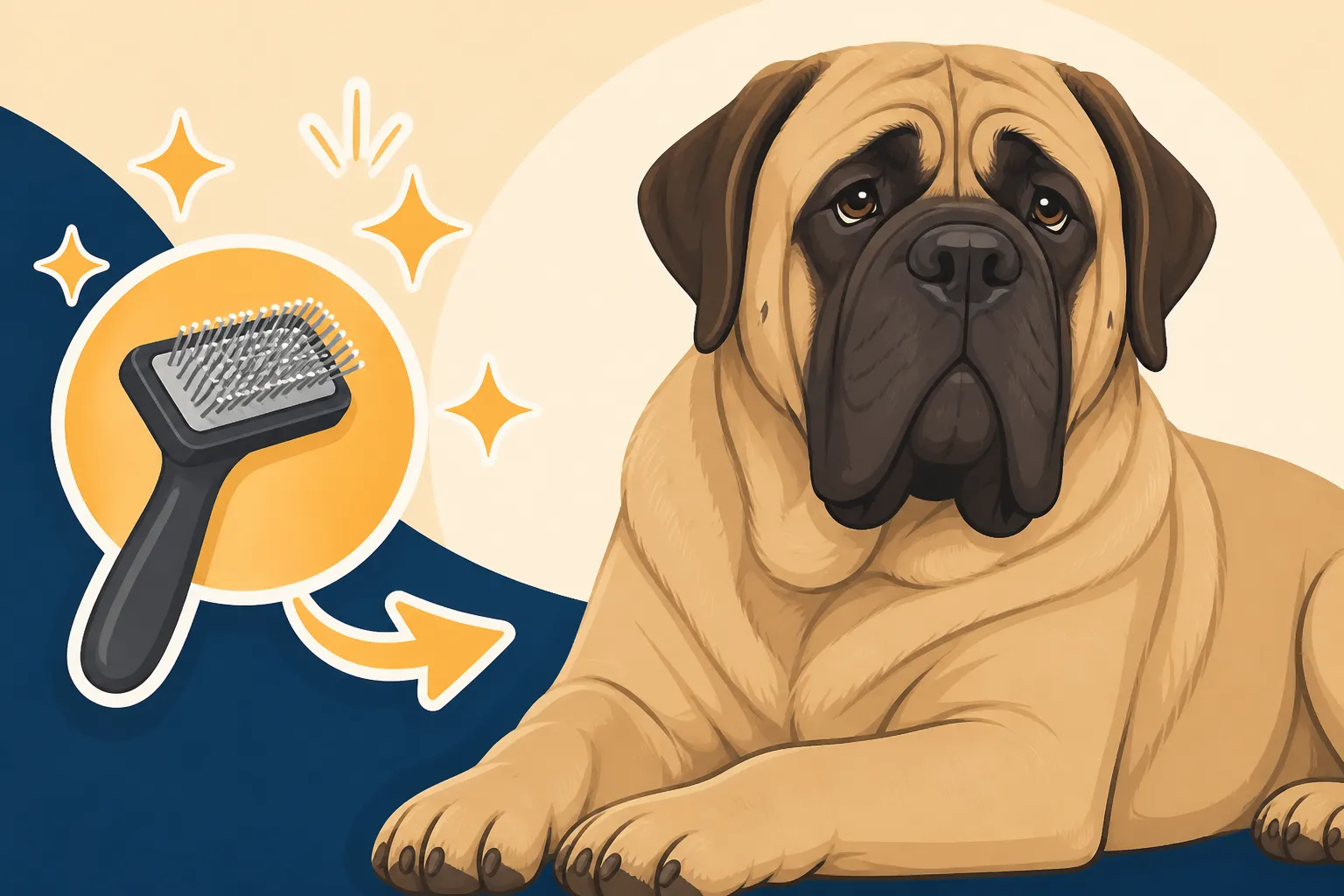
How Little Brushing a Mastiff’s Coat Needs
Ah, the majestic Mastiff! You see that short, seemingly easy-care coat and think, "This will be a breeze, right?" Well, bless your heart, if only it were always that simple! While it’s true that a Mastiff's grooming regimen for brushing is far less demanding than, say, a fluffy Newfoundland, thinking their coat care is entirely hands-off can lead to some surprises – mostly involving rogue tumbleweeds of dog hair. This guide is here to walk you through the realistic expectations of grooming your Mastiff’s coat, focusing on what little brushing it actually needs and what other coat care considerations truly matter for these magnificent giants.
Understanding the Mastiff Coat
When you first lay eyes on a Mastiff, their sheer size and those wonderfully expressive wrinkles often dominate your attention. Their coat, by comparison, seems almost an afterthought – short, sleek, and generally un-fussy. But there's more to it than meets the eye, and understanding its characteristics is key to appreciating its grooming needs, or lack thereof, when it comes to brushing.
The Anatomy of a Mastiff's Short, Dense Coat
A Mastiff’s coat is officially described as short and dense, lying close to the body. It feels quite coarse to the touch, especially compared to some of the softer-coated breeds. This isn’t a delicate silk you’re running your hand over; it’s a protective, robust covering designed for durability. Imagine a finely woven, yet sturdy, blanket rather than a fluffy duvet. This density, while contributing to its tough exterior, is also what makes their shedding somewhat unique. It's not typically long, visible strands you find, but rather a constant, almost imperceptible release of short, stiff hairs that can weave themselves into carpets and upholstery with surprising tenacity. Because the hairs are short and fine, they don’t always clump together like longer dog hair might; instead, they embed themselves, sometimes making them harder to remove than the fluff from a double-coated breed. This particular characteristic means that while brushing might not be a daily marathon, managing the shedding itself is a consistent effort.
The undercoat is usually not pronounced, which is why they aren't considered a "double-coated" breed in the traditional sense, but they do have enough density to provide some insulation. This also means that when they do shed, particularly during seasonal changes, that dense layer needs a bit of encouragement to release. Without regular, even if minimal, intervention, those shed hairs can sit in the coat, causing skin irritation or just waiting for the perfect opportunity to leap onto your favorite dark pants. It’s this underlying density and the specific texture of their short hair that dictates the most effective tools and frequency for their grooming, often leading owners to realize that "short hair" doesn't automatically equal "no shedding" or "no grooming."
Seasonal Shedding Cycles and What to Expect
While a Mastiff's coat is generally considered low-maintenance, that doesn't mean they don't shed. Oh, they absolutely do! Like most dogs, Mastiffs experience seasonal shedding, often more noticeably in spring and fall. In the spring, they shed their thicker winter coat to prepare for warmer weather, and in the fall, they shed their lighter summer coat to make way for a denser winter one. During these peak shedding periods, you might be surprised by the sheer volume of short, stiff hairs that seem to materialize out of nowhere. It's a bit like living in a snow globe, but instead of snow, it's fine Mastiff hair. This is when your minimal brushing efforts will need to ramp up just a little.
Outside of these two main "blow-out" seasons, Mastiffs tend to shed moderately year-round. It’s not the dramatic, visible shedding of a long-haired breed that leaves enormous clumps on the floor, but rather a steady, subtle rain of individual hairs. These hairs are notorious for embedding themselves into fabrics – carpets, sofas, car seats, you name it. It can be quite frustrating to vacuum only to find more hairs appearing moments later. This continuous shedding means that while intense daily brushing isn't required, a consistent, weekly (or bi-weekly) routine can make a world of difference in managing the hair in your home and keeping your Mastiff's coat healthy. Regular attention helps remove dead hair before it becomes embedded, making clean-up easier and potentially reducing allergens for sensitive family members. You might find that even just a few minutes with the right tool once a week keeps things much more manageable than trying to tackle a month's worth of shed hair all at once. For more on this, you might find Whether a Mastiff Sheds illuminating.
Minimal Brushing Needs, Maximum Impact
Okay, so we've established that Mastiffs do shed. But what about the actual brushing part? The good news is, you won't be spending hours with a comb and brush, meticulously detangling knots like you would with a Collie. Their short coat simply doesn't get tangled in the same way. However, "minimal" doesn't mean "never." The brushing you do perform serves a vital purpose beyond just tidiness.
The "How Often" of Brushing a Mastiff
For most of the year, outside of the heavy shedding seasons, brushing your Mastiff once or twice a week is usually perfectly adequate. These sessions don't need to be long; 10-15 minutes can often do the trick. The goal isn't just to remove loose hair, though that's certainly a benefit. Regular brushing helps to distribute natural skin oils, keeping the coat shiny and healthy. It also stimulates circulation in the skin, which promotes new hair growth and overall skin health. Think of it as a mini-massage for your giant companion. During peak shedding times, you might want to increase this to two or three times a week, or even every other day, especially if you want to stay on top of the hair in your home. This increased frequency can significantly reduce the amount of hair floating around and embedding itself into your furniture.
The key here is consistency, not intensity. A few minutes regularly is far more effective than a massive, infrequent grooming overhaul. Mastiffs generally enjoy the attention that comes with brushing, making it a great bonding activity. It also allows you to regularly check their skin for any lumps, bumps, dry patches, or irritation that might otherwise go unnoticed on such a large dog. This proactive approach can catch potential issues like skin infections or parasites early, before they become more serious problems.
Beyond Brushing: The Role of Diet and Skin Health in Coat Quality
You can brush all you want, but if your Mastiff's diet isn't up to par, their coat will likely reflect it. A dull, dry, or excessively shedding coat can often be a symptom of a nutritional imbalance or deficiency. High-quality dog food, rich in essential fatty acids like Omega-3 and Omega-6, is crucial for maintaining healthy skin and a lustrous coat. These fatty acids help reduce inflammation, moisturize the skin from within, and promote a strong hair shaft, which means less breakage and healthier shedding. Many premium dog food brands, easily found on platforms like Chewy or through specialized options like Ollie, prioritize these nutrients. It’s worth looking into a formula specifically designed for large breeds or those with sensitive skin.
Beyond diet, underlying skin health issues can also impact coat quality and shedding. Conditions such as allergies, hypothyroidism, or even parasites can lead to excessive shedding, dry skin, hot spots, or a brittle coat. If you notice a sudden, dramatic change in your Mastiff's coat – excessive hair loss, patchiness, dullness, or flaky skin – it's always best to consult your veterinarian. Brushing alone won't fix these deeper issues, but a healthy diet and good overall health management certainly will. Consider how Hypothyroidism in a Mastiff can affect their coat, or how to address issues like Whether a Mastiff Gets Hot Spots, which can be exacerbated by poor coat health. Sometimes, a healthy coat is the first indicator that everything else inside is working as it should.
Essential Tools for the Mastiff's Low-Maintenance Coat
Even with minimal brushing needs, having the right tools makes the process more effective and enjoyable for both you and your Mastiff. You don't need a whole arsenal of brushes, but a few key items will be invaluable. Trying to use a delicate bristle brush meant for a toy breed on a Mastiff is like bringing a spoon to a snowball fight – utterly ineffective.
Deshedding Tools vs. Everyday Brushes
For a Mastiff's short, dense coat, not all brushes are created equal. You'll likely want to differentiate between tools for everyday maintenance and those for tackling heavier shedding.
- Rubber Curry Brush (or ZoomGroom-style brush): This is often a Mastiff owner's best friend for daily or weekly grooming. These brushes have soft rubber nubs that are fantastic for massaging the skin, stimulating circulation, and gently removing loose hair. They're excellent for bringing out natural oils for a shiny coat. They're also wonderfully effective at grabbing those short, embedded hairs. You can often use these wet during bath time to really work the shampoo in and loosen dead hair. Brands like Kong's ZoomGroom are popular and widely available on platforms like Amazon.
- Slicker Brush (soft pin): While generally associated with longer-haired breeds, a soft-pin slicker brush can be useful for removing fine, loose hairs, especially on more sensitive areas or if your Mastiff has slightly thicker fur. Choose one with coated tips to prevent scratching their skin.
- Deshedding Tool (e.g., FURminator for short-haired dogs): During seasonal shedding, a dedicated deshedding tool can be incredibly effective. These tools are designed to reach through the topcoat and gently pull out loose undercoat hair without cutting the guard hairs. However, use these sparingly and with a very light hand, as overusing them or pressing too hard can irritate the skin or damage the coat. Once a week during shedding season, for a short period, is usually plenty. Using a deshedding tool like this means less hair ending up on your furniture and floors.
- Hound Glove: This is a simple grooming mitt with a textured surface, often made of rubber or silicone. It's fantastic for a quick run-over, especially if your Mastiff is sensitive to other brushes. It provides a nice massage and can pick up a surprising amount of loose hair.
Here’s a quick comparison of popular tools:
| Tool Type | Best For | Frequency | Notes |
|---|---|---|---|
| Rubber Curry Brush | Everyday shedding, distributing oils, massage | 1-2 times/week, can be daily | Gentle, good for skin, effective on short hair. Great for bonding. |
| Soft Slicker Brush | Removing fine, loose hair | As needed, usually 1 time/week | Use with care to avoid scratching skin, choose coated tips. |
| Deshedding Tool | Heavy seasonal shedding, removing undercoat | 1 time/week during shedding seasons only | Use gently and sparingly to prevent irritation. Very effective at reducing shed volume. |
| Grooming Mitt/Glove | Quick touch-ups, sensitive dogs | Daily or as needed | Easy to use, good for bonding, picks up loose hair. |
Choosing the right brush suits a Mastiff's coat type and makes the grooming experience much better for everyone.
Other Grooming Essentials for Coat Health
While brushes handle the bulk of coat maintenance, a Mastiff's overall coat health isn't just about brushing. Other essentials play a significant role:
- Shampoo and Conditioner: Even with a short coat, regular baths are necessary, though not too frequent (every 4-6 weeks or as needed). Choose a mild, pH-balanced dog shampoo that won't strip natural oils from their skin. Sometimes, a conditioner can add moisture and shine, especially for Mastiffs prone to dry skin. For Mastiffs with sensitive skin or allergies, your vet might recommend a medicated shampoo. Remember, bathing a Mastiff is a Herculean task – it’s not like washing a Chihuahua! You’ll need a sturdy setup, potentially a walk-in shower or an outdoor washing station. For more tips on this, read Where a Mastiff Can Actually Be Washed.
- Moisturizing Sprays or Wipes: For in-between baths or for Mastiffs with dry skin, a moisturizing spray or grooming wipe can hydrate the coat and reduce static. These are also handy for a quick freshen-up if your Mastiff has been particularly slobbery or rolled in something questionable. You can find excellent options for these on Chewy or Amazon, often formulated with soothing ingredients like aloe or oatmeal.
- Skin Fold Wipes: Mastiffs are known for their magnificent wrinkles and folds, especially around their face and jowls. These folds can trap moisture, food debris, and dirt, leading to irritation or skin fold infections if not cleaned regularly. While not directly related to brushing the main coat, healthy skin in the folds prevents secondary issues that can affect overall skin and coat health. Using specific wipes or a damp cloth to clean these areas daily or every few days is crucial. Check out The Wrinkles and Folds a Mastiff Owner Cleans Every Week for a deeper dive into this essential task. Ignoring these areas can cause significant discomfort and impact your Mastiff's overall well-being.
- Fish Oil Supplements: As mentioned earlier, dietary supplements, particularly those rich in Omega-3 fatty acids like fish oil, can dramatically improve coat health from the inside out. They contribute to a shinier coat, reduce shedding, and alleviate dry, itchy skin. Always discuss supplements with your vet before adding them to your Mastiff's routine, but for many, a good quality fish oil is a game-changer for skin and coat.
The Reality of Shedding in a Mastiff Household
While we can talk about "minimal brushing," the reality of owning a Mastiff means accepting a certain level of hair in your life. It’s not just about what comes off with a brush; it’s about what escapes into the environment. Managing this is a continuous dance, and sometimes, those short, stubborn hairs can feel like they have a mind of their own.
Managing Mastiff Hair in Your Home
Despite their short coats, Mastiffs are effective shedding machines. Those fine, stiff hairs tend to stick to everything and embed themselves deep into carpets, upholstery, and clothing. It's a different kind of shedding battle than with a long-haired dog, but a battle it is nonetheless! Here’s how to maintain some semblance of a hair-free home:
- Invest in a Good Vacuum: This is non-negotiable. Look for models specifically designed for pet hair, often with strong suction and specialized attachments. Regular vacuuming, often daily or every other day, will be your primary defense. Robotic vacuums can be a lifesaver for maintaining floors, constantly picking up surface hair before it can become too embedded.
- Sticky Rollers and Lint Brushes: Keep these strategically placed around your home – near the front door, by your favorite chair, in your car. They are invaluable for quick touch-ups on clothes and furniture before you head out the door or have guests over. You might even want to keep a supply bundle from Amazon on hand.
- Washable Covers: For furniture that your Mastiff loves (which is usually all of it), invest in durable, washable slipcovers. This makes cleaning much easier, as you can simply toss the covers in the laundry. Dark-colored throws can also help camouflage hair between washes, if you don't mind the aesthetic.
- Designated Dog Beds: Provide comfortable, easily washable dog beds in multiple rooms. This not only gives your Mastiff a cozy spot but also helps contain some of their shedding to specific areas, making clean-up more focused. Look for beds with removable, machine-washable covers, which you can find on Chewy.
- Regular Dusting and Wiping: Those short hairs don't just land on the floor; they can become airborne and settle on surfaces. Regular dusting with a damp cloth can pick up a surprising amount of hair from tables, shelves, and electronics.
It's about establishing a routine that works for your household, rather than expecting perfection. Accepting that your home will always have a certain amount of Mastiff glitter is part of the charm of owning one.
When "Low Maintenance" Isn't Quite Low Enough: Recognizing Issues
While a Mastiff's coat typically requires minimal brushing, there are times when "minimal" feels like "constant," or when the coat itself looks unhealthy despite your best efforts. Recognizing when something is amiss is crucial for your Mastiff's well-being.
- Excessive Shedding: If your Mastiff is shedding far more than usual, even outside of seasonal changes, or if they are developing bald spots, it's a red flag. This could indicate allergies, nutritional deficiencies, parasites, stress, or an underlying medical condition like What Degenerative Myelopathy Does to a Mastiff (though this typically presents with neurological symptoms, extreme stress from illness can affect coat), or other systemic diseases.
- Dull, Dry, or Brittle Coat: A healthy Mastiff coat should have a natural sheen. If it looks dull, dry, flaky, or feels brittle to the touch, it suggests an issue. This might be a simple case of needing a better diet (perhaps a change in their food or adding supplements like those offered by Ollie), or it could point to skin infections, hormonal imbalances, or environmental dryness.
- Redness, Rashes, or Bumps: Any visible skin irritation, persistent scratching, chewing, or licking of the coat could signal allergies, fleas, mites, fungal infections, or hot spots. Given a Mastiff’s size, these can sometimes be hard to spot until they’re quite advanced.
- Unusual Odor: While all dogs have a natural scent, a persistently strong, unpleasant "doggy odor" that isn't resolved by bathing might indicate a skin infection (especially in those delightful folds, as explored in Whether a Mastiff's Fold Smells Yeasty), yeast overgrowth, or other health problems.
If you observe any of these signs, don't just reach for more brushes or different shampoos. It’s time for a visit to the veterinarian. They can help diagnose the root cause of the coat or skin problem and recommend the appropriate treatment, which might range from dietary changes to medication or specialized topical treatments. A healthy Mastiff has a healthy coat, and changes in their coat are often their way of telling you something isn't quite right. Your diligence in noticing these subtle cues can make all the difference in catching and treating problems early.
Disclaimer
This article is for general informational purposes only and does not constitute professional advice. Laws, prices and regulations vary by location and change over time. Consult a qualified professional for guidance on your specific situation.