Nails, Teeth and Ears on a Mastiff That Will Not Be Lifted
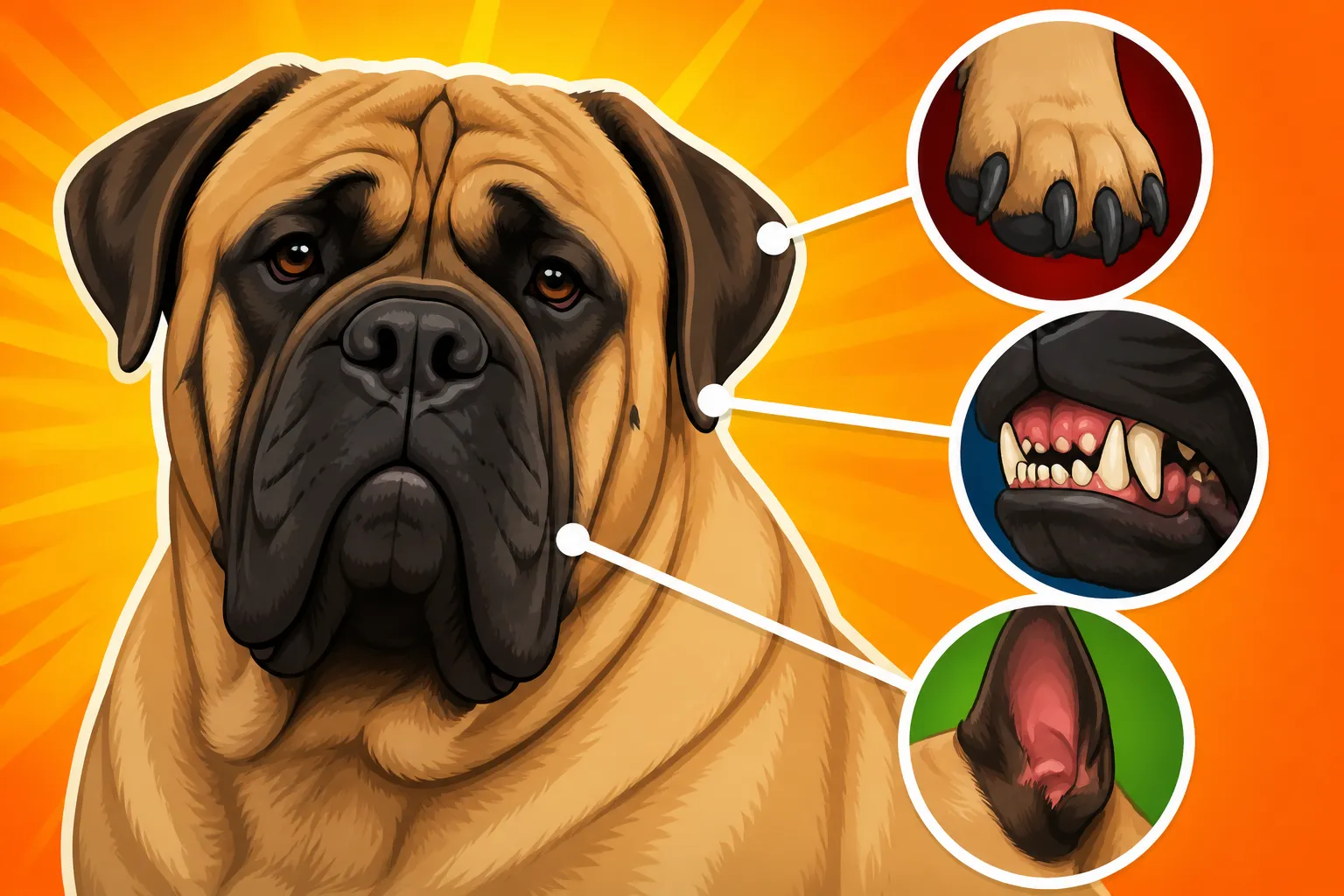
Anyone who has ever lived with a Mastiff knows the unique blend of joy and sheer logistical challenge they present. When it comes to basic care like trimming nails, cleaning teeth, or checking ears, the reality of a dog that can easily outweigh a grown human sets in. You can't just pick them up and wrestle them into position like a smaller dog, and their sheer bulk means even routine tasks become a carefully choreographed event. This guide aims to walk you through the practical, often humorous, and always patient methods required to keep your magnificent Mastiff healthy from head to paw.
Tackling Those Mastiff Nails: A Battle of Wills and Weight
Let's be honest, getting near a Mastiff's paws with clippers or a Dremel can feel like approaching a sleeping dragon. Their size alone makes it a daunting task, and if they're not thrilled about the process, their dead weight can be utterly unmovable. But keeping those claws short is non-negotiable for their health and your sanity.
Why Short Nails are Non-Negotiable for a Giant Breed
Imagine walking around all day in shoes that are two sizes too small, pushing your toes back with every step. That's essentially what long nails do to a Mastiff. Their substantial weight means every inch of their locomotion puts immense pressure on their joints and bones. Long nails force their toes to splay and push their paw pads up, altering their natural gait and causing undue stress on their wrist, elbow, and shoulder joints, not to mention their hips and spine. Over time, this constant improper alignment can contribute to or worsen conditions like arthritis, hip dysplasia, and elbow dysplasia, which are already concerns for such a large breed. The Shifting Lameness of a Growing Mastiff
Beyond joint health, long nails significantly reduce traction, especially on smooth surfaces like hardwood or tile floors. You've probably seen your big lug slip and slide, struggling to get purchase. This isn't just clumsy; it's dangerous. A sudden slip can lead to sprains, strains, or even more serious injuries like torn cruciate ligaments, which are incredibly difficult to recover from in a dog of their size. Whether a Mastiff Tears a Cruciate Ligament Short nails allow their paw pads to make full contact with the ground, providing the grip they need for stability. Think of it as ensuring their 'footwear' is always perfectly fitted and providing maximum safety.
The Sheer Challenge of Trimming a Mastiff's Nails
The challenges of Mastiff nail care begin with their formidable size. A Mastiff who decides they don't want their nails trimmed becomes a two-hundred-pound, low-slung, immovable object. This isn't usually aggression, but pure stubbornness and the discomfort of an unfamiliar or unpleasant sensation. Trying to physically overpower them is often futile and can damage your relationship, making future sessions even harder. Many owners find themselves trying to maneuver their Mastiff into a comfortable position, only for the dog to plant their feet and become a solid, heavy block that no amount of coaxing or pulling can budge.
Then there's the "quick"—the sensitive, blood-filled part of the nail. Many Mastiffs have dark nails, making the quick notoriously hard to see. A quicked nail is painful, bleeds a surprising amount, and can be traumatizing for both dog and owner. One bad experience can set you back months in building trust around paw handling. This fear, coupled with their sheer bulk, often leads owners to put off trims, allowing nails to grow even longer and exacerbating the problems they were trying to avoid. It’s a vicious cycle that many giant breed owners understand all too well. This is why patience, a calm demeanor, and a strategic approach are paramount.
Tools and Techniques for Mastiff Nail Care
Choosing the right tools is the first step in successful Mastiff nail care. For clippers, you need heavy-duty, guillotine-style or scissor-style clippers designed for large breeds. Flimsy clippers will bend, not cut, and can crack the nail, causing pain. Ensure the blades are sharp; dull blades crush rather than slice cleanly. The "Dremel," or a rotary tool designed for pet nails, is often a game-changer for Mastiff owners. Grinding down the nail, rather than clipping, allows for more control and significantly reduces the risk of quicking, especially with dark nails. It's a slower process, but many Mastiffs tolerate the vibration and sound better than the sudden pressure of clippers, especially if introduced gently with lots of praise and treats. Whether a Dremel Suits a Mastiff's Nails
Regardless of your chosen tool, a consistent routine and positive reinforcement are your best friends. Start by simply touching their paws, then tapping the clippers or turning on the Dremel, always followed by a high-value treat. Gradually work up to short sessions, trimming just one or two nails at a time if that's all your Mastiff will tolerate, then stopping on a positive note. Enlist the help of another person if possible, one to distract with treats and praise, and the other to handle the paws. For Mastiffs who remain deeply reluctant, professional help is invaluable. Many veterinary clinics and specialized groomers have hydraulic grooming tables that can raise and lower the dog safely, or they are skilled in handling large, sometimes uncooperative, clients. Don't be ashamed to seek professional assistance; it's often safer and less stressful for everyone involved. How a Clinic Moves a Collapsed Mastiff
The Dental Dilemma: Keeping a Mastiff's Mouth Healthy
A Mastiff's mouth is a formidable cavern, capable of delivering quite a lot of affection (and drool). But beneath those impressive jowls and strong jaws lies a common health concern that often gets overlooked: dental disease.
The Importance of Oral Hygiene for Overall Mastiff Health
Just like in humans, a Mastiff's oral health is inextricably linked to their overall well-being. Periodontal disease, which affects the gums and structures supporting the teeth, is one of the most common ailments in dogs. It starts with plaque building up on the teeth, which then hardens into tartar. This leads to inflamed gums (gingivitis), and if left unchecked, can progress to severe infections, bone loss, and tooth decay. The pain from advanced dental disease can be excruciating, impacting your Mastiff's ability to eat comfortably, leading to weight loss or a reluctance to chew. You might notice them favoring one side of their mouth or dropping food.
Beyond local pain, the bacteria from severe dental infections don't stay confined to the mouth. They can enter the bloodstream and travel to vital organs like the heart, kidneys, and liver, potentially causing serious systemic health issues. This connection underscores why maintaining good oral hygiene isn't just about fresh breath—it's about prolonging your Mastiff's healthy lifespan. Regular dental care can prevent these painful and dangerous complications, contributing to their comfort and vitality for years to come.
Brushing Your Mastiff's Teeth: The Art of Gentle Persuasion
Brushing a Mastiff's teeth can feel like trying to clean inside a bear trap, especially if they aren't accustomed to it. The sheer size of their mouth, combined with their strong will, can make it a challenging endeavor. The key is to start early, ideally when they are puppies, to desensitize them to mouth handling. Even if you're starting with an adult Mastiff, patience and positive reinforcement are your most powerful tools. Don't go in with a full-sized toothbrush on day one. Begin by simply touching their muzzle, then lifting their lips, gradually introducing your finger wrapped in a gauze pad with a little dog-specific toothpaste (never human toothpaste!).
Once they're comfortable with your fingers in their mouth, you can introduce a toothbrush. Look for toothbrushes designed for large breeds, sometimes with longer handles or angled heads, or even a finger brush that slips over your finger for better control. Aim for short, positive sessions, focusing on the outside surfaces of the teeth, as these are where plaque tends to accumulate most. Lots of praise, gentle strokes, and high-value treats are essential. If you can only manage a few teeth at a time, that's a win! Consistency, even for short durations, is far more effective than infrequent, stressful struggles. Remember, you're building a habit, and a Mastiff's cooperation is earned, not demanded. Brushing the Teeth of a Mastiff That Outweighs You
Beyond the Brush: Other Dental Care Options
While brushing is the gold standard, it's not the only arrow in your dental care quiver, especially for a Mastiff. Veterinary dental cleanings are crucial. These involve a thorough cleaning, scaling, and polishing of the teeth under anesthesia, removing tartar above and below the gumline. While any anesthesia carries risks, particularly for a giant breed like a Mastiff Why Anesthesia Is Riskier in a Mastiff, the benefits of a clean, healthy mouth often outweigh the risks, especially if appropriate pre-anesthetic bloodwork and monitoring are performed. Discuss this with your vet to understand the timing and safety protocols for your individual dog.
Between professional cleanings, various products can help maintain oral health. Dental chews and treats can be beneficial, but choose wisely. Look for products that are approved by the Veterinary Oral Health Council (VOHC) for plaque and tartar control, as these have undergone testing for efficacy. Brands like Greenies (widely available on platforms like Amazon and Chewy) are often VOHC-approved. Be mindful of your Mastiff's chewing style; some might destroy a dental chew too quickly for it to be effective, or they might ingest large pieces that could pose a choking hazard. Always supervise. Water additives containing enzymes or anti-plaque ingredients can also offer a supplemental layer of protection by reducing bacteria in the mouth. Finally, some specially formulated dental diets have kibble designed to scrub teeth as the dog chews. Combining these methods provides a multi-pronged approach to keeping your Mastiff's magnificent maw healthy.
Ear Care for a Mastiff: Preventing Problems in Those Flaps
A Mastiff's adorable, soft, floppy ears are unfortunately a perfect habitat for all sorts of trouble. Their unique anatomy means they require specific attention to stay healthy.
Why Mastiff Ears are Prone to Issues
The Mastiff's characteristic drop ears, or pendulous ears, are beautiful but inherently prone to problems. Unlike upright ears that allow for ample airflow, a Mastiff's ears hang down, effectively sealing off the ear canal from the outside world. This creates a warm, dark, and often moist environment – the ideal breeding ground for bacteria and yeast to flourish. Moisture can get trapped inside after baths, swims, or even just humid weather, further exacerbating the issue. Over time, this can lead to chronic ear infections, a common and frustrating ailment for many Mastiff owners.
Furthermore, these ears tend to produce more wax and debris, which can accumulate deep within the canal without proper cleaning. This buildup not only provides more fuel for microbial growth but can also block air circulation even further, creating a vicious cycle. Foreign bodies, such as grass seeds or small bits of plant matter, can also easily become lodged in the ear canal and go unnoticed until an infection takes hold. Recognizing this anatomical predisposition is the first step in understanding why regular, proactive ear care is so vital for your gentle giant. Ear Infections in a Mastiff
Routine Ear Cleaning: A Step-by-Step Approach
Regular ear cleaning is your best defense against ear infections. Aim for a weekly check and cleaning, or more often if your Mastiff is prone to issues or has been swimming. Start with a good quality, vet-approved ear cleaning solution – avoid anything harsh like hydrogen peroxide or rubbing alcohol, which can irritate sensitive ear canals. You'll also need plenty of cotton balls or cotton rounds. Avoid cotton swabs (Q-tips) for cleaning inside the ear canal, as they can push debris further in and potentially damage the eardrum.
To clean:
- Gather your supplies: Ear cleaner, cotton balls, and a towel. A second person to help steady your Mastiff and offer treats can be immensely helpful.
- Lift the ear flap: Gently hold your Mastiff's ear flap up, exposing the opening of the ear canal.
- Apply cleaner: Carefully squeeze the ear cleaning solution into the ear canal until it's full. Don't be shy; you need enough to flush it out.
- Massage the base: Gently massage the base of the ear for 20-30 seconds. You'll often hear a squishing sound, which means the cleaner is breaking up debris.
- Allow head shaking: Let your Mastiff shake their head! This helps dislodge debris from deeper in the canal. Stand back and protect yourself and your surroundings with a towel.
- Wipe clean: Use a fresh cotton ball to gently wipe out any visible dirt, wax, and excess solution from the outer ear and the folds of the ear flap. Continue with fresh cotton balls until no more debris is visible.
- Reward: Always end with praise and a high-value treat to make it a positive experience.
Consistency and a gentle approach will make this a routine your Mastiff learns to tolerate, if not enjoy. Whether a Mastiff's Ears Need Cleaning
Recognizing and Addressing Ear Problems
Even with the best preventative care, ear problems can still arise. Knowing the signs of an ear infection is crucial for early intervention. Look out for these indicators:
- Persistent scratching or pawing at the ear: This is often the first and most obvious sign of discomfort.
- Excessive head shaking: Your Mastiff might repeatedly shake their head, trying to dislodge whatever is bothering them.
- Redness or swelling: The inside of the ear flap or the opening of the ear canal may appear red, inflamed, or swollen.
- Unpleasant odor: A strong, yeasty, or foul smell emanating from the ear is a clear sign of infection.
- Discharge: You might notice a dark, waxy, brown, or pus-like discharge from the ear.
- Pain or sensitivity: Your Mastiff may cry out, pull away, or even snap if you try to touch their ear.
- Reluctance to eat or play: In severe cases, pain can affect their general demeanor.
If you observe any of these symptoms, it's time for a trip to the veterinarian. Do not attempt to treat an ear infection at home with over-the-counter remedies without a diagnosis. Your vet needs to determine if it's a bacterial, yeast, or mixed infection, or if there's a foreign body or other underlying issue. They will likely take a swab and examine it under a microscope to prescribe the correct medication. Early detection and appropriate treatment are key to resolving ear infections quickly and preventing them from becoming chronic or more serious.
Handling the Unliftable: Strategies for Giant Breed Care
Let's face it, one of the biggest challenges of owning a Mastiff is their sheer size and weight. When it comes to routine care like nail trims, dental exams, or ear cleaning, you can't just pick them up and place them where you want. This requires different strategies, focusing on training, specialized tools, and a calm approach.
The Power of Positive Reinforcement and Early Training
The foundation of successful care for an unliftable Mastiff is laid during puppyhood. From the moment you bring your Mastiff puppy home, you should be engaging in gentle handling exercises. This means touching their paws, wiggling their toes, lifting their ear flaps, and gently opening their mouth, always paired with praise and high-value treats. The goal is to make these interactions a normal, positive part of their day, long before they develop an aversion or become too heavy to physically manage. Teaching a Mastiff Before It Outweighs You
For an adult Mastiff who isn't keen on grooming, patience and desensitization are key. Break down each task into tiny, manageable steps. If they hate their paws touched, start by just touching their shoulder, rewarding them, then moving to their leg, then their paw. Don't rush. The moment they show any discomfort, back off slightly and reset. Use very high-value rewards – maybe a smear of peanut butter on a lick mat, or a favorite cheesy treat from Chewy. Build trust gradually, making every session short and positive. The aim is to create a positive association with the care, so they learn to tolerate it, knowing good things happen when they cooperate. Their cooperation, not your strength, is what will get the job done.
Utilizing Specialized Equipment and Professional Help
Sometimes, even with the best training, you need an extra hand, or more accurately, specialized equipment. For Mastiffs who are difficult to manage for nail trims or examinations, veterinary clinics often have hydraulic lift tables. These tables can be lowered to the ground for the Mastiff to step onto, then gently raised to a comfortable working height for the staff, eliminating the need for lifting. Some professional groomers specializing in large breeds also invest in this type of equipment. Don't hesitate to call around and ask if local clinics or groomers have facilities designed to accommodate giant breeds. Whether a Groomer Has a Table Rated for a Mastiff
For at-home assistance, consider a sling or a sturdy harness with handles, like those available on Amazon, especially if your Mastiff has mobility issues or just needs a little extra support to stand still. While you won't be lifting them completely, these tools can help steady them or provide leverage for certain tasks. Moreover, enlisting professional help is a sign of responsible pet ownership, not failure. Many vet technicians are incredibly skilled at handling large, reluctant dogs for procedures like nail trims, using gentle restraint techniques and distraction to make the experience as stress-free as possible. It's an investment in your Mastiff's health and your own peace of mind.
Creating a Calm and Safe Environment for Care
The environment in which you attempt these care routines significantly impacts your Mastiff's cooperation. A calm, quiet, and familiar space is always best. Avoid high-traffic areas of your home or times when there's a lot of commotion. Ensure the floor provides good traction, especially for nail trims or paw handling, as a slipping Mastiff is a stressed Mastiff. Lay down a non-slip mat or rug if you're working on hard floors.
Minimize distractions. Turn off the TV, put away noisy toys, and ensure other pets aren't underfoot. Keep your own energy calm and confident; your Mastiff will pick up on your anxiety. Short, consistent sessions are always better than one long, grueling battle. If you sense your Mastiff is becoming overly stressed or agitated, it's better to stop, try again later, or even spread the task out over several days. The goal is to build positive associations, not create fear. By providing a safe, predictable, and low-stress environment, you increase the chances of a cooperative and successful grooming experience, fostering a stronger bond between you and your magnificent companion.
Overview of Mastiff Hygiene Care Approaches
| Care Task | Primary Challenge | Recommended Approach | Key Tools/Products | Professional Help Considerations |
|---|---|---|---|---|
| Nail Trimming | Bulk, stubbornness, dark nails, quicking risk | Consistent desensitization, positive reinforcement | Heavy-duty clippers, Dremel/rotary tool, high-value treats | Veterinary tech or groomer experienced with giant breeds, hydraulic table |
| Dental Care | Large mouth, reluctance, systemic health risks | Early introduction, daily brushing, dental aids | Dog-specific toothpaste, large breed toothbrush/finger brush, VOHC-approved dental chews (e.g., Greenies on Chewy or Amazon), water additives | Annual veterinary dental cleanings under anesthesia (pre-anesthetic bloodwork crucial) |
| Ear Cleaning | Drop-ear anatomy, moisture, infection risk | Weekly routine cleaning, recognizing infection signs | Vet-approved ear cleaner, cotton balls/rounds, towel | Veterinary diagnosis and treatment for infections |
| General Approach | Unliftable size, potential fear/anxiety | Patience, positive reinforcement, environmental control | Slings/harnesses (for support), non-slip mats, calm space | Any task where physical management is difficult or dog is overly stressed |
Disclaimer
This article is for general informational purposes only and does not constitute professional advice. Laws, prices and regulations vary by location and change over time. Consult a qualified professional for guidance on your specific situation.