Whether a Rescue Mastiff Trusts Again
It’s a heart-wrenching thought for anyone opening their home to a rescue Mastiff: after everything they’ve been through, can this magnificent, often sensitive dog ever truly learn to trust again? Many people worry about the emotional scars a rescue carries, questioning if they can ever heal enough to form a deep, loving bond. This guide will gently explore the journey of a rescue Mastiff, offering insights into how they build trust, what common challenges might arise, and how you, as a patient and empathetic owner, can foster a profound and secure connection.
Understanding the Rescue Mastiff's Past and Present
Bringing a rescue Mastiff into your home is an act of profound compassion, but it also comes with a unique set of questions. Unlike a puppy raised from eight weeks, a rescue dog carries a history, and understanding that history – or at least acknowledging its existence – is the first step towards building a bridge of trust.
The Weight of Prior Experiences
Every rescue Mastiff is an individual, and their past experiences are as varied as their beautiful brindle, fawn, or apricot coats. Some may have been simply surrendered due to a family's inability to care for a giant breed as it grew, a painful but not necessarily abusive past. Others might have experienced severe neglect, where basic needs like food, shelter, and medical care were inconsistent or non-existent. Then there are the stories of abandonment, multiple rehomings, or even outright abuse, which can leave deeper psychological scars.
Imagine a Mastiff who has lived his life chained in a yard, rarely interacting with humans beyond receiving a bowl of food. Or one who has been shuttled between several homes, each time feeling the instability of a new place and new faces. These experiences teach a dog that their world is unpredictable, that people might not always be kind, or that their environment is constantly changing. For a dog as intrinsically sensitive as a Mastiff, these memories can manifest as shyness, fear, or even a quiet withdrawal. It's perfectly normal for new owners to feel overwhelmed by the unknown, wondering if they can ever truly erase or overcome what came before. Rest assured, while you can't erase history, you can certainly write a beautiful, trust-filled future.
The Initial Adjustment Period
When a rescue Mastiff first arrives in your home, they are entering a completely foreign environment. This is often referred to as the "honeymoon phase," but it's important to understand that during this time, your Mastiff isn't truly settled. They are likely overwhelmed, processing a multitude of new sights, sounds, and smells. Their body language might be subdued, they might be overly eager to please, or they might simply be very quiet and observant. This initial period is less about forming deep bonds and more about basic survival and assessment on the dog's part. They are learning the lay of the land, figuring out where the food comes from, where to relieve themselves, and who these new people are.
This phase can last anywhere from a few days to several weeks, and sometimes even months for particularly traumatized or shy individuals. During this time, a Mastiff might not show their true personality. They might be too fearful to express joy or too guarded to ask for affection. It's a delicate balance of providing safety and routine without overwhelming them. A new owner might feel frustrated, expecting an immediate bond, but patience is absolutely key here. This is the foundation-laying stage, where every quiet moment of calm, every consistent meal, and every gentle interaction slowly chips away at their past anxieties, paving the way for trust to blossom. For sensitive giant breeds like the Mastiff, this period is especially crucial as they often need more time to process change.
Rebuilding Trust: A Journey, Not a Race
The process of rebuilding trust with a rescue Mastiff is rarely linear. There will be days of progress, and perhaps days of setbacks. It’s a marathon, not a sprint, and your unwavering commitment to their emotional well-being will be the most powerful tool you possess.
Creating a Safe and Predictable Environment
One of the most profound gifts you can offer a rescue Mastiff is predictability. Imagine having lived in chaos, and suddenly finding a world where things happen in a consistent, understandable order. This consistency builds security. Establish a routine for feeding, walks, potty breaks, and quiet time. Mastiffs thrive on routine. A designated safe space, like a comfortable dog bed in a quiet corner or a properly sized crate, can become their sanctuary. This isn't a place of punishment, but a haven where they can retreat when feeling overwhelmed or simply want to nap undisturbed.
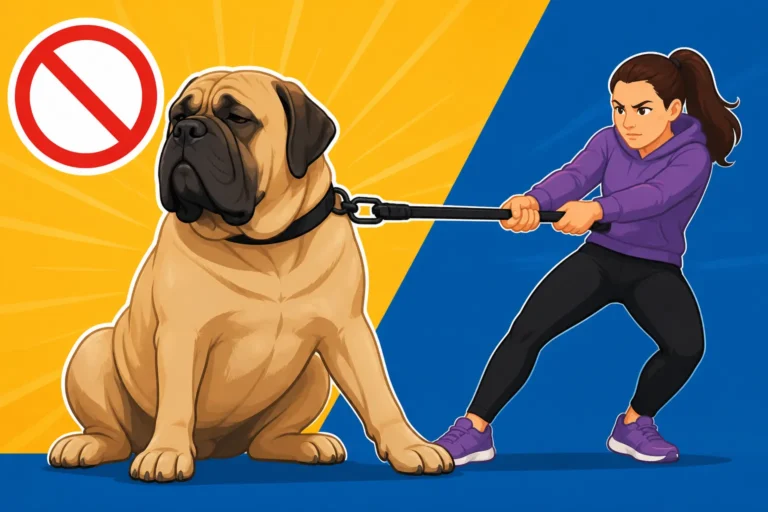
Gentle handling is paramount. Avoid sudden movements, loud noises, or forceful interactions. Speak in a calm, soothing tone. Even simple acts like approaching them slowly, offering an outstretched hand, and allowing them to initiate contact can make a huge difference. Think about the physical space too. For a giant breed, slippery floors can be terrifying and physically dangerous. Consider adding runners or rugs, easily found on Amazon, to create secure pathways. This small change reduces anxiety and the risk of injury, showing your Mastiff that you're looking out for their comfort and safety.
Positive Reinforcement and Gentle Communication
For a Mastiff to trust you, they need to associate you with good things, not fear or discomfort. Positive reinforcement is the cornerstone of this process. This means rewarding desired behaviors with treats, praise, or gentle affection. Did they calmly lie down near you? A quiet "Good dog" and a soft scratch behind the ears. Did they come when called? A tasty, high-value treat. Avoid any form of punishment, harsh words, or physical correction. Whether Positive Training Alone Works on a Mastiff is often a question that arises, and for a sensitive breed with a potentially traumatic past, positive reinforcement is not just effective, it's essential for healing.
Mastiffs are incredibly attuned to human emotions and body language. Your calm demeanor communicates safety, while frustration or anger can quickly erode the fragile trust you're trying to build. Clear, consistent verbal cues, paired with gentle gestures, help them understand what you're asking. Many owners find guidance from online training resources invaluable, especially when dealing with the unique challenges of a rescue. Resources like BAXTER & Bella offer comprehensive, positive-based programs that can walk you through building confidence and teaching basic manners without resorting to harsh methods that could trigger past trauma. This allows you to communicate effectively and kindly, solidifying your role as a benevolent leader.
The Role of Patience and Consistency
This is where the rubber truly meets the road. Building trust isn't a quick fix; it's an ongoing commitment. Some Mastiffs may take weeks, others months, and a few even a year or more to fully let down their guard. There will be moments of doubt for you, the owner. You might wonder if you're doing enough, or if they'll ever truly open up. It's okay to feel that way.
The key is unwavering consistency. Every day, showing up for them with kindness, providing routine, and offering patience, reinforces the message that they are safe and loved. There might be setbacks – a sudden loud noise, an unfamiliar visitor, or a memory triggered by something unseen – that cause them to retreat. Don't take it personally. Acknowledge their fear, gently reassure them, and continue with your consistent, positive approach. Remember, Whether a Mastiff Remembers a Bad Experience is a valid concern; their memory is long, which makes your consistent good experiences even more vital. They need to accumulate far more positive memories than negative ones to truly overcome their past.
Recognizing and Responding to Trust Signals
Knowing what to look for, and how to respond, can deepen the bond you share with your rescue Mastiff. Their communication might be subtle at first, but with practice, you'll learn to read their unique language.
Subtle Cues of Growing Trust
Mastiffs, particularly those who have experienced trauma, often don't express trust in boisterous ways. You might not get an immediate, exuberant greeting. Instead, look for the quiet, understated signs:
- Relaxed Body Language: A soft gaze, a relaxed mouth, a loosely wagging tail (or even just a relaxed tail held neutral), and a body that isn't stiff or tense.
- Initiating Contact: Leaning against you, nudging your hand for pets, or even just choosing to lie down in the same room as you rather than retreating to their safe space. This is a huge step for a formerly guarded dog.
- Eye Contact: Soft, prolonged eye contact, rather than darting eyes or a hard stare. It shows they feel safe enough to truly look at you.
- Seeking Comfort: Coming to you after a startling noise, or seeking reassurance when something new or slightly frightening occurs. This is a clear indicator that they see you as their protector.
- Play Bows or Gentle Play: Even if it's just a brief, awkward play bow, it shows a willingness to engage and feel joy.
- Responding to Their Name: Not just hearing it, but actively turning to you with recognition and a willingness to engage.
These subtle gestures are immensely rewarding and signify that your Mastiff is starting to feel secure enough to express their true self. Celebrate these small victories, as they represent monumental shifts in their emotional landscape. Observing How a Mastiff Judges a Stranger at the Door can also offer clues to their comfort levels in different situations.
Addressing Fear and Anxiety
Despite your best efforts, your rescue Mastiff will likely exhibit fear or anxiety at times. Identifying their triggers is crucial. Is it certain sounds, specific types of people (men, children), unfamiliar objects, or being left alone? Once you know the triggers, you can begin to work on counter-conditioning and desensitization.
Counter-conditioning means changing their emotional response to a trigger. If they're afraid of the mail carrier, you might pair the sight of the mail carrier (from a distance, where they're not overwhelmed) with high-value treats. The goal is for them to associate the trigger with something positive. Desensitization means gradually exposing them to the trigger at a low intensity, slowly increasing the intensity as they become more comfortable. Never force them into a situation that terrifies them. This will only erode trust. If their fear is severe, leading to aggression or panic attacks, seeking guidance from a professional dog trainer or a veterinary behaviorist is highly recommended. Whether a Mastiff Needs a Professional Trainer is often yes in these situations, as their immense size means even mild fear can become a significant challenge if not managed correctly. Remember, Whether a Shy Mastiff Puppy Grows Out of It is rarely the case without intervention; adult rescue Mastiffs will need active support to overcome ingrained fears.
| Sign of Distrust/Anxiety (Early Stage) | Sign of Growing Trust (Later Stage) |
|---|---|
| Avoiding eye contact, looking away | Soft, sustained eye contact |
| Tucked tail, lowered body | Relaxed tail, neutral or gentle wag |
| Hiding, retreating to a safe space | Choosing to rest near you, in same room |
| Stiff body, lip licking, yawning (stress) | Loose, fluid movements, relaxed posture |
| Growling, snapping (fear-based) | Gentle nuzzles, seeking attention |
| Refusing food, turning nose away | Eagerly taking treats, eating normally |
| Urinating/defecating indoors (stress) | Consistent potty habits outdoors |
| Barking excessively at novel stimuli | Observant but calm during new encounters |
Long-Term Bonding and Lifelong Companionship
The journey of trust with a rescue Mastiff is continuous, evolving from initial acceptance to a profound, unbreakable bond that enriches both your lives.
Deepening the Connection Through Shared Activities
Once your Mastiff has settled in and shown signs of burgeoning trust, you can actively deepen your connection through shared, positive experiences. These don't need to be strenuous activities; Mastiffs are not endurance athletes. Gentle walks around the neighborhood, allowing them to sniff and explore at their own pace, are wonderful. Quiet playtime with soft toys, gentle tugs, or even just rolling a ball can be incredibly bonding. Grooming sessions, if approached with patience and positive association, can become a cherished time of connection. Scent Work as a Mastiff's Low Impact Sport is another fantastic option for Mastiffs, engaging their minds and natural abilities without putting strain on their joints.
Consider enrolling in a positive reinforcement obedience class, or continuing with online programs like BAXTER & Bella. These structured environments provide mental stimulation and further solidify your communication, all while strengthening your bond. Remember, The Age a Mastiff Finally Matures is often later than other breeds, meaning ongoing gentle training and mental enrichment are beneficial for a long time. Simple acts, like sitting quietly together while you read or watch TV, with your Mastiff resting a heavy head on your lap, can become the most meaningful expressions of trust and companionship.
Navigating New Experiences and Challenges
Life is full of unexpected twists, and a rescue Mastiff, especially one with a sensitive past, will need your continued guidance through new experiences. Introducing new people, even trusted friends and family, should always be done slowly and with careful supervision. Allow your Mastiff to approach at their own pace, never forcing interactions. Advise visitors to ignore the dog at first, letting the Mastiff initiate contact. Socializing a Mastiff Puppy Before It Gets Heavy is important, but for an adult rescue, continued careful socialization is equally vital.
Vet visits, which can be stressful for any dog, require extra preparation. Practice cooperative care at home, rewarding your Mastiff for allowing you to touch their paws, ears, and mouth. Discuss their history with your veterinarian so they can be extra gentle and use positive handling techniques. Unexpected loud noises, changes in routine, or even just a new piece of furniture can temporarily unsettle a rescue Mastiff. Your role is to remain calm, offer reassurance, and maintain your established routine as much as possible. With your steady presence, they will learn that even when things are new or a little scary, they can always count on you.
The Unconditional Love of a Rescued Mastiff
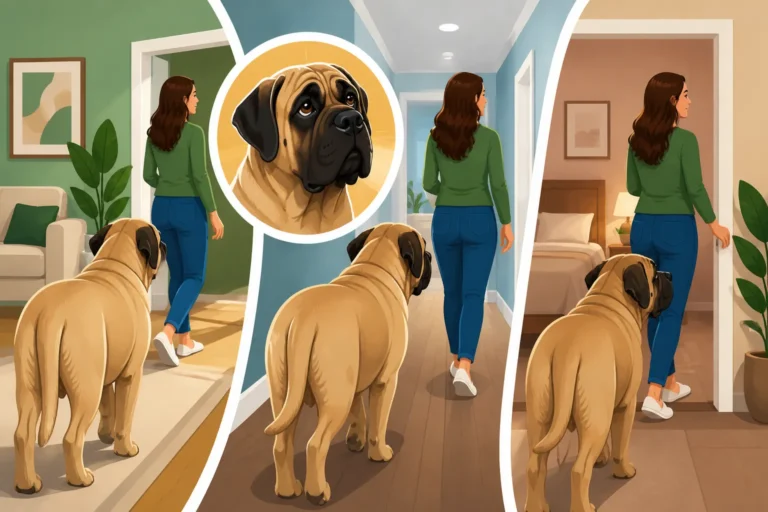
The reward for your patience and dedication in rehabbing a rescue Mastiff is truly immeasurable. There is a unique depth to the bond formed with a dog who has known hardship and found solace and love in your home. Their trust, once earned, feels like a sacred gift. They become incredibly loyal, often acting as a shadow, following you from room to room. Their quiet presence becomes a comforting anchor in your life.
The transformation you witness – from a shy, fearful dog to a confident, affectionate companion – is profound. You'll see their personality blossom, their unique quirks emerge, and their joy become palpable. This isn't just about giving a dog a home; it's about giving them a new life, a chance to truly be a dog, free from fear. The unconditional love of a rescued Mastiff is a powerful reminder of resilience, empathy, and the incredible capacity for healing, both theirs and yours. They teach us patience, understanding, and the quiet dignity of simply being loved for who they are.
Disclaimer
This article is for general informational purposes only and does not constitute professional advice. Laws, prices and regulations vary by location and change over time. Consult a qualified professional for guidance on your specific situation.