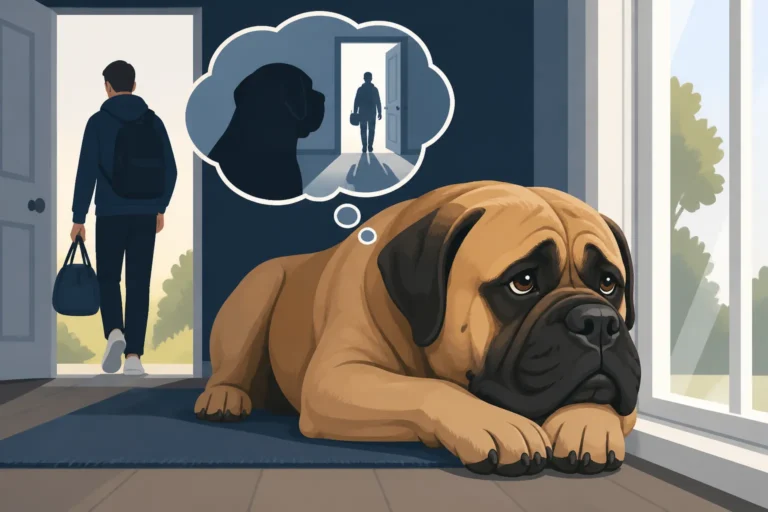
Whether a Mastiff Grieves a Lost Companion
Losing a beloved companion, whether human or animal, is one of the most heartbreaking experiences we face, and if you've ever watched your Mastiff after such a loss, you've probably wondered if they truly understand and grieve. The answer, from countless owners and a growing body of scientific understanding, is a resounding yes; this guide will explore how Mastiffs experience and express grief, and crucially, how you can help your gentle giant through this profoundly difficult time.
Understanding Canine Grief: It's More Than Just Sadness
The concept of grief in animals used to be dismissed by some, but anyone who has lived closely with a dog, especially a deeply bonded breed like a Mastiff, knows instinctively that their pets experience complex emotions. When a companion is gone, whether it's a fellow dog, a cat, or a human family member, a Mastiff doesn't just notice their absence; they can genuinely mourn. This isn't just about missing a playmate or a source of food; it's about the disruption of their social structure, the loss of a familiar presence, and the emotional void left behind.
The Social Bonds of a Mastiff
Mastiffs are renowned for their devoted and affectionate nature, forming incredibly strong bonds with their families, both two-legged and four-legged. They are not independent loners; rather, they thrive on companionship and routine. When another pet in the household passes away, it's not just a casual acquaintance that's gone. For many Mastiffs, that other animal was a constant presence, a scent, a sound, a routine partner, and a source of comfort or even playful irritation. Their world has quite literally shifted. They often bond deeply with specific individuals or other pets, and this intensity of connection means the void left by a loss can feel immense. You might have seen firsthand Whether a Mastiff Bonds to One Person and this extends to their animal companions too.
How Grief Manifests Physically and Emotionally
Grief in Mastiffs isn't a miniature version of human grief, but it shares many recognizable elements. They might not intellectualize the concept of death, but they certainly react to the profound absence. Their world is heavily influenced by scent and routine, and when a familiar scent vanishes, and daily rituals are broken, it creates significant stress and confusion. Think about how a Mastiff, being The Sensitivity Nobody Expects in a Two Hundred Pound Mastiff, can pick up on your subtle moods. Imagine how acutely they register the absence of a housemate they've shared their entire life with. This emotional distress can then manifest in a range of behaviors and even physical symptoms, making it a very real experience for them. It’s a period where their usually steadfast nature can waver dramatically.
Recognizing the Subtle Signs of Grief in Your Mastiff
Identifying grief in a Mastiff can sometimes be tricky because their usual demeanor is often calm and deliberate. They aren't always expressive in the same way a smaller, more excitable breed might be. However, there are distinct changes you might observe if your gentle giant is mourning. These signs can sometimes be mistaken for other ailments, so close observation and understanding of your Mastiff's typical behavior are crucial.
Behavioral Changes to Watch For
One of the most common ways Mastiffs show grief is through changes in their routine and behavior. They might become withdrawn, losing interest in activities they once loved. Perhaps they stop greeting you at the door with their usual enthusiasm, or they no longer initiate playtime. Some Mastiffs will become noticeably quieter, their deep barks less frequent, their playful grumbles absent. You might find them spending more time alone, perhaps seeking out the favorite napping spot of their lost companion, or even sleeping more than usual. This can look like depression, and in many ways, it is. They may also exhibit signs similar to Separation Anxiety in a Mastiff, even if you are still present, because the loss of their specific companion creates a new kind of void.
Here are some specific behavioral shifts:
- Changes in Appetite: They might eat less, or even refuse food entirely for a day or two. Conversely, some dogs might eat more out of anxiety, though this is less common with Mastiffs.
- Lethargy and Apathy: A noticeable drop in energy levels, less desire to go for walks (even their customary Why a Mastiff Only Needs One Hour a Day), or a general disinterest in their surroundings.
- Seeking or Avoiding Attention: Some Mastiffs become clingier, needing constant reassurance and physical contact. Others might retreat, preferring to be left alone, which can be particularly unsettling for an owner accustomed to their affectionate presence.
- Vocalization Changes: While Mastiffs aren't typically excessive barkers, a grieving Mastiff might whine more, sigh deeply, or even let out a mournful howl.
- Disrupted Sleep Patterns: Restlessness at night, or sleeping more deeply and soundlessly than usual during the day.
- House-soiling: In rare cases, a typically house-trained Mastiff might have accidents indoors, a sign of extreme stress or disorientation.
- Searching Behavior: They may wander the house, sniff at empty beds, or stand at windows, seemingly looking for their missing friend.
Physical Manifestations of Stress
Beyond behavioral changes, grief can also take a physical toll on your Mastiff. Stress directly impacts their physical health, just as it does in humans. You might notice subtle changes that indicate underlying distress.
- Weight Loss: If appetite loss is prolonged, weight loss can quickly follow. Given the Mastiff's massive frame, even a small percentage of weight loss can be significant.
- Dull Coat or Skin Issues: Stress can manifest in a less lustrous coat, or even trigger or worsen skin conditions.
- Changes in Hydration: They might drink less water, leading to mild dehydration, which is especially concerning for such large dogs.
- Restlessness or Pacing: Sometimes, the internal turmoil can make them unable to settle, leading to pacing or an inability to find a comfortable resting spot.
- Immune System Impact: Prolonged stress can weaken their immune system, making them more susceptible to illness. This is a subtle but important consideration, especially for older Mastiffs who are Caring for a Mastiff Past Five.
It's vital to remember that some of these symptoms could also point to a medical issue. If any symptoms are severe, persist for an extended period, or if you're ever in doubt, a visit to your veterinarian is always the first and best step.
| Sign of Grief | Description | Common Onset | Duration (Typical) |
|---|---|---|---|
| Loss of Appetite | Refusal of food or significantly reduced intake. | Immediate | Days to a few weeks |
| Lethargy | Reduced energy, increased sleeping, disinterest in play or walks. | Immediate | Weeks to months |
| Withdrawal | Seeking solitude, avoiding interaction with family. | Days after loss | Variable, can be long |
| Clinginess | Increased need for physical closeness, following owner constantly. | Days after loss | Weeks |
| Searching | Wandering, sniffing specific spots, standing at windows/doors expectantly. | Immediate | Days to a few weeks |
| Vocalizations | Increased whining, sighing, or mournful sounds. | Days after loss | Intermittent |
| Disrupted Sleep | Restlessness at night, or sleeping excessively during the day. | Immediate | Weeks |
Practical Ways to Support Your Grieving Mastiff
Watching your big, loving Mastiff hurting is incredibly difficult, and it's natural to want to do everything you can to ease their pain. While there's no magic cure for grief, there are many proactive steps you can take to provide comfort, stability, and support during this challenging time. Consistency and patience are your greatest tools here.
Maintaining Routine and Structure
Even though your Mastiff's world has been rocked, maintaining as much of their regular routine as possible can provide a sense of security and normalcy. Dogs thrive on predictability, and giants like Mastiffs, with their deliberate natures, especially benefit from knowing what to expect. Keep meal times, walk times, and bedtime consistent. This doesn't mean you can't be flexible if they're not up to a full walk, but try to offer the usual schedule. This structure helps anchor them when everything else feels adrift. Remember What a Mastiff Needs Every Day goes beyond just food and water; it includes mental and emotional stimulation through routine.
- Consistent Feeding: Offer food at the usual times. If they're not eating, don't leave it down all day, but offer smaller, more appealing portions more frequently.
- Regular Walks: Even if they're less enthusiastic, consistent, gentle walks provide exercise and mental stimulation. Avoid forcing them, but encourage participation.
- Familiar Playtimes: Offer their favorite toys and try to engage them in gentle play, even if it's just for a few minutes. Don't be discouraged if they don't immediately respond.
Providing Comfort and Affection
Your Mastiff needs your presence and comfort more than ever. Being present and available for snuggles, gentle strokes, and quiet companionship can make a world of difference. Many Mastiffs will lean into you, seeking that physical reassurance. This is a time to indulge that need.
- Physical Touch: Lots of petting, gentle massages, and leaning against them can be incredibly soothing. They draw comfort from your touch and scent.
- Quiet Presence: Sometimes, just sitting near them, reading a book, or watching TV quietly, lets them know they're not alone without demanding interaction.
- Special Treats: A little extra something special in their bowl or a favorite chew toy can provide a small boost of enjoyment and comfort. This is where you might find solutions on a platform like Amazon, where you can find durable chew toys or even a new, extra-large, orthopedic bed for added comfort.
Encouraging Engagement and Gentle Distraction
While you don't want to overwhelm a grieving Mastiff, gentle encouragement to engage with the world can be helpful. Short bursts of positive interaction can remind them that good things still exist.
- Puzzle Toys: These can provide mental stimulation and distraction, engaging their minds without requiring much physical exertion.
- Scent Games: Hiding treats around the house for them to sniff out can be a low-impact activity that taps into their natural instincts.
- Social Interaction (Carefully): While some Mastiffs might shy away from new people or dogs during grief, controlled, positive interactions with familiar, calm individuals can be beneficial. Avoid busy dog parks or overwhelming social situations.
- Training Refreshers: Gentle, short training sessions using positive reinforcement can provide mental focus and reaffirm your bond. If you used a program like BAXTER & Bella for puppy training, revisiting some of those positive exercises can be grounding. Remember, Mastiffs are deliberate learners; What Actually Motivates a Mastiff is often food and praise, so use plenty of both.
Addressing the Missing Companion's Belongings
This can be a sensitive topic for owners, but it's important to consider how your Mastiff reacts to the scent of their lost companion.
- Remove or Retain? Some experts suggest gradually removing the deceased pet's bed, toys, and bowls to prevent the grieving dog from constantly searching or being distressed by the scent. Others advise keeping some items for a while, as the familiar scent can be a comfort. Observe your Mastiff's reaction. Are they constantly searching the bed? Do they seem stressed by its presence? Or do they derive comfort from lying on it? There's no single right answer, and it might be a gradual process.
- Cleaning: If you do decide to keep some items, ensure they are clean to prevent any lingering unpleasant odors that might add to your Mastiff's distress.
Knowing When to Seek Professional Help and Considering a New Companion
Grief is a process, and there's no set timeline for how long it takes. Some Mastiffs may seem to recover quickly, while others might take months, or even a year, to truly move forward. Knowing when your Mastiff's grief has become prolonged or debilitating is important for their well-being.
Recognizing Persistent or Severe Grief
While some behavioral changes are normal during grief, there are red flags that suggest your Mastiff needs professional intervention. If you see these signs, don't hesitate to reach out to your veterinarian.
- Prolonged Refusal to Eat or Drink: More than a day or two of significantly reduced intake, especially of water, is a serious concern for a large breed like a Mastiff.
- Extreme Weight Loss: If your Mastiff is visibly losing weight, it's time for a vet check.
- Severe Depression: Complete apathy, no interest in anything, withdrawal into themselves for weeks on end.
- Aggression or Fear: While rare, some grieving dogs might become uncharacteristically fearful or even show aggression if they feel their world is too unstable or they're overwhelmed.
- Self-Harm or Obsessive Behaviors: Licking paws excessively, tail chasing, or other repetitive stress behaviors.
- Lack of Improvement Over Time: If weeks turn into months with no signs of improvement, or if symptoms worsen.
Your veterinarian can rule out any underlying medical conditions, and they can also offer advice on supportive care, which might include medications for anxiety or appetite stimulants in severe cases. They may also refer you to a veterinary behaviorist who specializes in animal grief and behavioral issues. This is particularly important for a breed as large and strong as a Mastiff, where behavioral issues can be difficult to manage without professional guidance.
The Question of a New Companion
Bringing a new dog into the home after a loss is a deeply personal decision, and there's no right or wrong answer or perfect timeline. For some, it feels too soon, while for others, the empty space feels too large to bear.
- Consider Your Mastiff's Readiness: Is your Mastiff showing signs of moving forward? Have they regained interest in life? Are they less withdrawn? Introducing a new dog while your Mastiff is still deep in mourning might not be helpful, and could even cause more stress or jealousy.
- Consider Your Own Readiness: You are grieving too. Are you emotionally ready to welcome a new furry friend, with all the joy and challenges that entails? It's unfair to a new puppy or dog if you're not fully present.
- Timing: There's no magic number of weeks or months. Some people wait a few months, some wait a year, others wait longer. Pay attention to your feelings and your Mastiff's cues. Rushing into it can create more problems than it solves.
- The Right Match: If you do decide to get a new companion, consider the personality and energy level of the new dog. A high-energy puppy might be too much for an older, grieving Mastiff, while a calm, gentle adult dog might be a better fit. Remember The Age a Mastiff Finally Matures and how that might influence their tolerance for a boisterous newcomer. If your Mastiff is getting on in years (considering Six to Ten Years Is What a Mastiff Gets is their typical lifespan), they might appreciate a calmer companion.
- Introducing Gradually: When the time comes, introductions should always be done slowly and carefully, preferably on neutral territory first, to set everyone up for success.
Ultimately, your Mastiff depends on you for comfort and guidance through loss. By understanding their grief, providing consistent support, and knowing when to seek help, you can help your loyal friend navigate this difficult chapter and eventually find joy in life again.
Disclaimer
This article is for general informational purposes only and does not constitute professional advice. Laws, prices and regulations vary by location and change over time. Consult a qualified professional for guidance on your specific situation.