Whether Positive Training Alone Works on a Mastiff
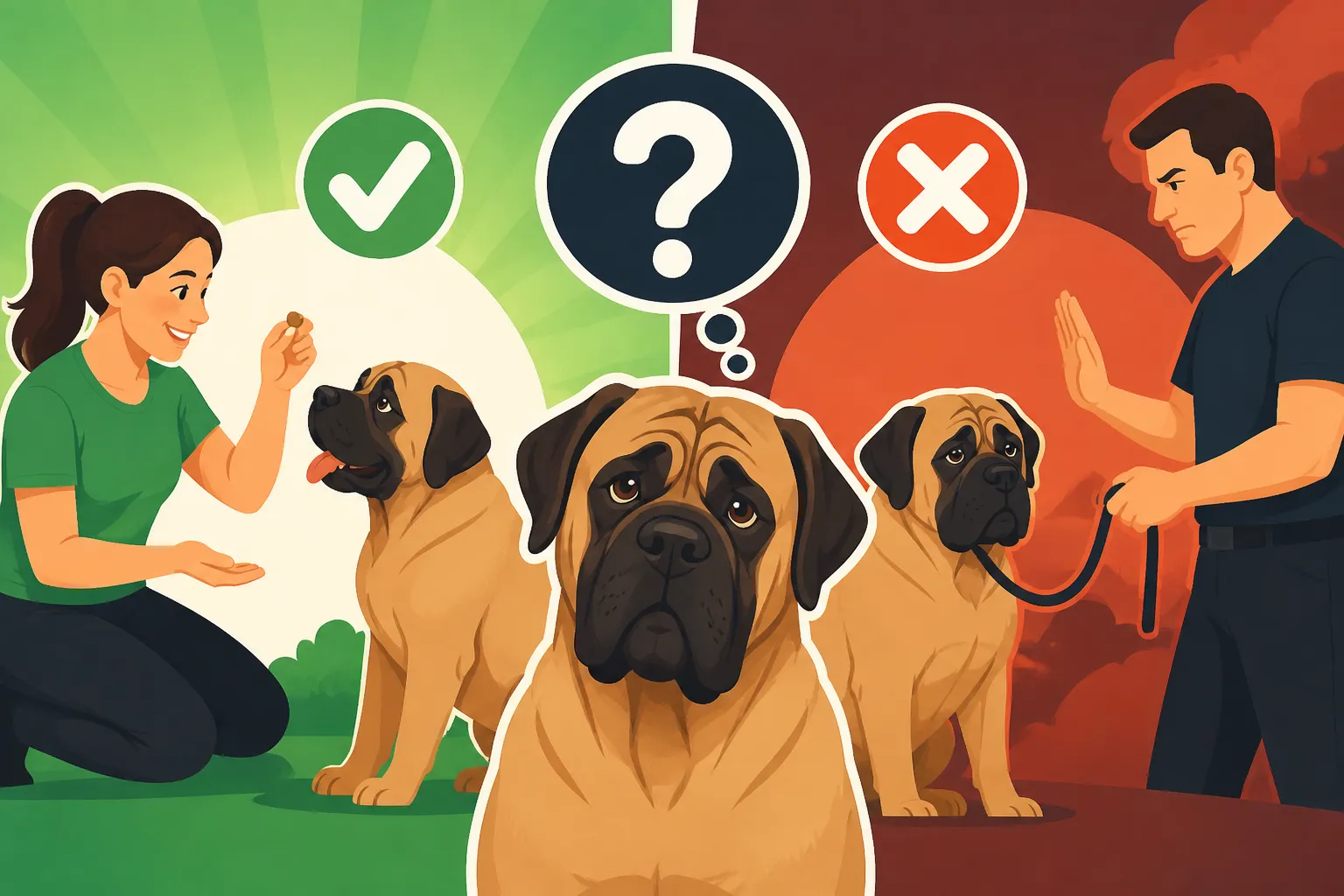
It's a question many Mastiff owners, or those considering bringing one of these magnificent giants into their lives, often ponder: can you truly rely solely on positive reinforcement to train a dog that can easily outweigh a grown human? The sheer size and sometimes deliberate nature of a Mastiff can make traditional, harsher methods seem like the only way to gain control, leading to a lot of frustration and doubt. But let me tell you, not only is positive training possible with a Mastiffs, it's often the most effective and humane approach for these sensitive souls, and this guide will show you how.
Understanding the Mastiff Mindset
Before we even talk about specific training techniques, it’s crucial to understand the unique personality of a Mastiff. These aren't your typical high-drive, eager-to-please working dogs that live for the next command. Mastiffs are thinkers, observers, and deeply sensitive companions, and once you grasp that, their "stubbornness" starts to look a lot more like thoughtful consideration or a plea for gentle guidance.
The Myth of the "Stubborn" Mastiff
Many people label Mastiffs as stubborn, especially when they plant their feet and refuse to move, or take their sweet time responding to a cue. It’s easy to feel like you're battling a two-hundred-pound block of concrete. But often, this isn't defiance; it's a combination of their innate deliberateness and a natural inclination to conserve energy. They will weigh their options, assess the request, and decide if it's truly worth the effort, especially if the motivation isn't clear or appealing. A harsh reprimand or physical correction will often shut them down entirely, rather than spurring them to action. Instead of calling them stubborn, consider them discerning and sometimes cautious. They don't react impulsively to commands like some breeds; they process. This careful nature means that force is rarely productive and often counterproductive. If you've ever found yourself thinking, "Why won't my Mastiff just do it?" you're not alone, but the answer often lies in their thoughtful, rather than defiant, approach to the world. A Mastiff needs to understand why they should comply, and feel good about doing so.
Mastiffs are also prone to what some call "selective hearing," particularly when there are interesting smells or sights. However, with consistent positive reinforcement, you can build a strong enough relationship and motivation that even a fleeting distraction won't completely derail their focus. It's about making the reward for listening to you more enticing than whatever else is capturing their attention in that moment. Understanding that their physical bulk means everything takes more effort for them—from standing up to turning around—also helps explain their slower, more deliberate movements. Pushing them to be fast when their body isn't designed for it will only cause frustration for both of you. Instead, we adapt our expectations to their natural pace. This patience is a cornerstone of successfully working with these wonderful giants.
Sensitivity and Trust: Keys to Their Heart
Beneath that formidable exterior, Mastiffs are incredibly sensitive dogs. They bond deeply with their families and thrive on gentle leadership and clear, consistent communication. Yelling, harsh jerks on the leash, or any form of physical punishment can easily damage their trust and lead to a Mastiff that becomes withdrawn, fearful, or even subtly resistant. They may [Remember a Bad Experience] for a long time. It's not uncommon for a Mastiff to simply shut down if they feel unfairly treated or scared, making future training attempts even harder. Their size means any negative interaction can be genuinely frightening for them, and they are not quick to forget. A gentle touch, a calm voice, and consistent praise go a far longer way in building the rapport needed for effective training.
Building trust with a Mastiff involves respecting their physical boundaries and emotional capacity. They are not dogs that should be pushed or coerced; they need to be invited and encouraged. Positive reinforcement, with its focus on rewarding desired behaviors, strengthens this bond by creating positive associations with learning and with you, their handler. When a Mastiff trusts you implicitly, they are far more likely to engage and comply, not out of fear, but out of a desire to please and a clear understanding of what is expected. This deep emotional connection is what truly makes a Mastiff trainable, despite their imposing physical presence. They are [Genuinely Sensitive], and this forms the bedrock of their personality and their training success.
Principles of Positive Reinforcement for Giants
So, how does this translate into practical training? Positive reinforcement means rewarding behaviors you want to see repeated. For a Mastiff, this isn't just about handing out treats; it's about making learning a joyful, engaging, and rewarding experience that respects their unique qualities.
Food, Praise, and Play: What Motivates a Mastiff
The good news is that Mastiffs are usually very food motivated! High-value treats are often the golden ticket, especially in the initial stages of teaching a new command or working in distracting environments. Think small pieces of cooked chicken, cheese, or specialized training treats. These aren't just bribes; they are tangible rewards that clearly communicate to your Mastiff that they did something right. Once the behavior is learned, you can start phasing out the food rewards, or making them intermittent, and rely more on other motivators. However, even well-trained adult Mastiffs appreciate a tasty reward for a job well done. You can find a huge variety of training treats and puzzle toys on platforms like Amazon that can make training sessions more exciting and engaging.
Beyond food, Mastiffs respond wonderfully to sincere verbal praise ("Good boy!" "Yes!"), gentle petting, and even a favorite toy. The key is to find what your individual Mastiff values most. Some Mastiffs live for a vigorous ear rub, while others might prefer a quick game of tug or a quiet moment of attention. Observing your dog's reactions will tell you a lot about their preferred rewards. For example, my old boy, Winston, would do almost anything for a piece of string cheese, but a squeaky toy barely registered with him. Understanding What Actually Motivates a Mastiff is essential for making training sessions effective and enjoyable for both of you.
Consistency and Patience: The Long Game
With a Mastiff, consistency isn't just important; it's absolutely non-negotiable. Their deliberate nature means they take time to process and internalize commands. Every family member needs to use the same cues, the same hand signals, and demand the same level of performance, every single time. Inconsistency will only confuse your Mastiff and slow down the learning process significantly. Imagine if sometimes "sit" meant just lowering their rear a little, and other times it meant a full, proper sit. Your Mastiff would spend more time trying to figure out what you want than actually learning the command. Establishing clear, unwavering expectations from day one will make a world of difference.
Patience is perhaps the most crucial tool in your positive reinforcement toolkit when working with a Mastiff. These dogs aren't going to learn a new trick in five minutes, and trying to rush them will only lead to frustration for everyone. Be prepared for slow progress, occasional setbacks, and moments where you feel like you're getting nowhere. Celebrate every small victory, no matter how tiny, and remember that building a solid foundation takes time. Short Sessions Suit a Mastiff far better than long, drawn-out drills, as they can get bored or tired. Keep training sessions brief, fun, and end on a positive note, even if it means just successfully getting one simple command right. This sustained, gentle approach will yield far greater results and a happier, more confident Mastiff in the long run.
Practical Applications and Common Challenges
Now, let's talk about how these principles apply to some of the common behaviors and challenges Mastiff owners face. Their size naturally amplifies certain issues, so a thoughtful, positive approach is absolutely critical.
Addressing Leash Manners and Reluctance
One of the most frequently discussed challenges with a Mastiff is leash walking. A two-hundred-pound dog pulling on the leash isn't just annoying; it's a serious safety hazard. The key here is to start early and be incredibly consistent. Positive reinforcement means rewarding loose-leash walking, even for just a step or two, repeatedly. Every time your Mastiff walks beside you without tension on the leash, mark that behavior with a "Yes!" and a high-value treat. You'll literally shape the behavior, gradually extending the distance they walk politely. Tools like front-clip harnesses can be incredibly helpful in managing How Much Force a Mastiff Can Apply on a Leash without causing pain or discomfort, making it easier to reinforce good habits.
Another common Mastiff trait is planting their feet and refusing to budge. This can happen anywhere—mid-walk, at a doorway, or when getting into a car. Yelling or trying to drag them will likely escalate the situation and damage your bond. Instead, use positive reinforcement to encourage movement. Lure them with a treat, make a fun sound, or simply wait them out, rewarding the very first sign of movement. For instance, if your Mastiff is refusing to go through a doorway, try tossing a treat a foot past the threshold, then another, slowly building up their confidence and association of moving forward with good things. For those really tough moments, having an accessible training resource, such as the online programs from BAXTER & Bella, can provide fresh ideas and strategies for tackling specific issues like this with positive methods. This avoids the physical struggle and reinforces their trust in your guidance.
| Challenge | Positive Reinforcement Strategy | Key Reward Types | Equipment/Tools |
|---|---|---|---|
| Leash Pulling | Reward loose leash for short durations, gradually extending. | High-value treats, verbal praise | Front-clip harness, treat pouch |
| Refusal to Move | Lure with treats, reward smallest forward motion, patience. | High-value treats, enthusiastic praise | Long leash for safety, encouraging words |
| Jumping on Guests | Reward "four paws on the floor" calmly, ignore jumping attempts. | Moderate treats, calm praise, gentle petting | Leash management, baby gate, designated "place" mat |
| Counter Surfing | Reward "leave it" or "off" from a distance, manage environment. | High-value treats for successful "leave it" | Barriers, empty counters, secure food storage |
| Demand Barking | Ignore barking, reward quiet behavior, teach "speak" on cue. | Calm praise, attention, chew toy | Management of triggers, consistent ignoring |
| Reluctance to Enter Car | Use treats to make car a positive place, reward stepping in. | Favorite treats, happy tone | Vehicle ramp (if needed), non-slip mat |
Managing Unwanted Behaviors Gently
Mastiffs are generally gentle giants, but certain unwanted behaviors can arise, especially if they haven't been adequately socialized or understood. Behaviors like jumping up, counter surfing, or excessive barking (though Mastiffs are generally quiet) should also be addressed with positive reinforcement. Instead of punishing them for jumping, for example, teach them to keep "four paws on the floor" and reward that behavior. When they jump, calmly turn your back or step away, removing the attention they're seeking. Only engage and reward when they're calm and on the ground. This teaches them that calm behavior gets them what they want.
For a Mastiff, redirection can also be a powerful positive training tool. If your Mastiff is mouthing inappropriately, redirect them to a chew toy or a bone and praise them for engaging with the appropriate item. This isn't ignoring the behavior; it's actively guiding them toward a desirable alternative and rewarding them for it. Remember, Mastiffs thrive on clarity and positive associations. By consistently rewarding the right choices and gently guiding them away from unwanted ones, you're building a strong, positive behavioral foundation that respects their sensitive nature and leverages their desire to please their beloved family. It's not about making them obey through fear, but about fostering cooperation through understanding and reward.
When to Seek Professional Help
While positive reinforcement is highly effective, there are times when even the most dedicated Mastiff owner needs an extra hand. Don't view seeking professional guidance as a failure; it's a responsible step towards ensuring your Mastiff lives its best, most well-adjusted life.
Recognizing the Limits of DIY Training
Let's be real, Mastiffs are big. Their sheer size and strength mean that even a minor behavioral issue can become a significant challenge, or even a safety concern, if not addressed effectively. If you've been diligently applying positive reinforcement techniques but aren't seeing the progress you hoped for—or if a behavior is worsening—it might be time to call in a professional. Perhaps your Mastiff is still Stopping a Mastiff That Plants Itself and Will Not Move despite all your efforts, or maybe they're showing a level of anxiety or reactivity that you feel ill-equipped to handle alone. Sometimes, what seems like stubbornness can actually be rooted in fear, a lack of confidence, or even an underlying physical discomfort. An experienced trainer can help identify these root causes.
Another instance where professional help is invaluable is when you're dealing with issues that might have safety implications, such as aggression towards other dogs or people, or severe separation anxiety. These complex behaviors require a nuanced understanding of canine psychology and behavior modification that most owners simply don't have. A professional can provide an objective assessment, develop a tailored training plan, and teach you the advanced skills you need to navigate these challenges safely and effectively. Remember, the goal is always to create a happy, well-adjusted Mastiff, and sometimes that requires a team effort. Don't hesitate to reach out if you feel overwhelmed or stuck.
Finding the Right Trainer for Your Giant
When searching for a professional trainer, it is absolutely essential to find one who specializes in and exclusively uses positive reinforcement methods. Avoid anyone who suggests choke chains, prong collars, e-collars, or any form of aversive training, especially with a sensitive breed like a Mastiff. These methods can cause lasting psychological damage and exacerbate behavioral issues. Look for trainers who are certified by reputable organizations and who have experience working with giant breeds. A good trainer will focus on teaching you, the owner, how to effectively communicate with and motivate your Mastiff using rewards-based strategies. You want someone who understands Whether a Mastiff Needs a Professional Trainer and can empower you to be the best handler for your dog.
It's also beneficial to find a trainer who has a good understanding of Mastiff temperament, or at least extensive experience with large, often deliberate breeds. They should be able to offer solutions that are practical for a dog of your Mastiff's size and strength, and not just generic training advice. Ask for references, watch them interact with dogs, and make sure their philosophy aligns with your desire for a gentle, effective approach. Whether a Group Class Suits a Mastiff depends on the individual dog and the class structure, but private sessions can often be more beneficial for specific behavioral challenges or for shy Mastiffs. Investing in the right professional help is an investment in your Mastiff's long-term well-being and your peace of mind, ensuring that the positive foundation you build together is solid and enduring.
Disclaimer
This article is for general informational purposes only and does not constitute professional advice. Laws, prices and regulations vary by location and change over time. Consult a qualified professional for guidance on your specific situation.