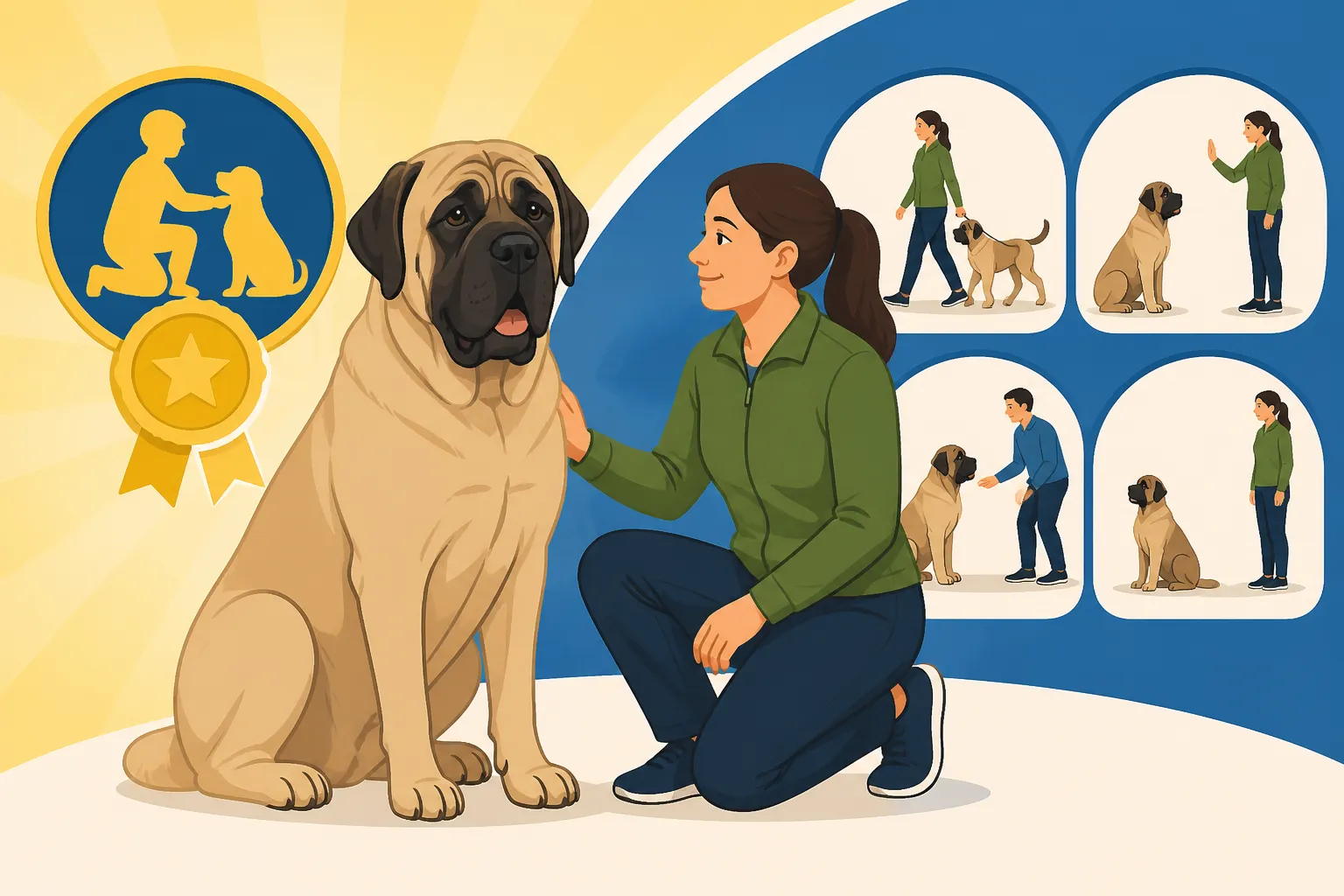
Getting a Mastiff Through the Canine Good Citizen Test
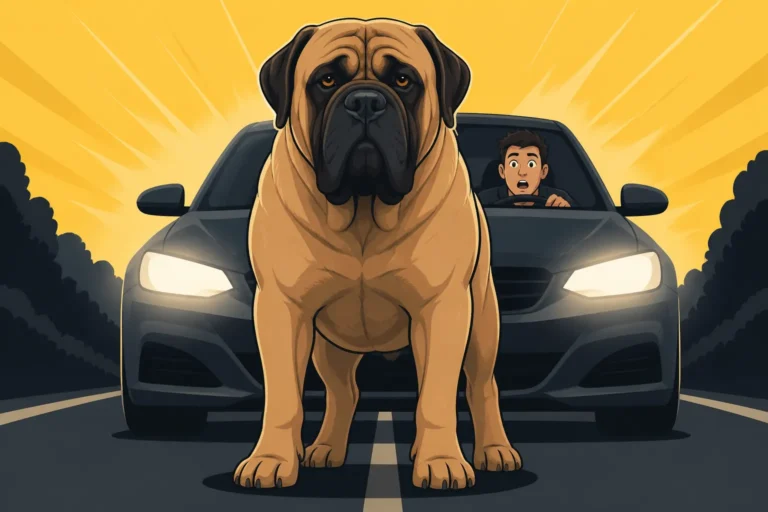
Bringing a Mastiff, that magnificent, loyal, and often wonderfully stubborn giant, through something like the Canine Good Citizen (CGC) test can feel like a truly monumental task. You might be picturing your gentle giant accidentally bowling over the test administrator or simply planting all two hundred pounds on the floor and refusing to move. But don't let those worries deter you! This guide is here to break down how to confidently prepare your Mastiff for the CGC test, celebrating their unique strengths and navigating their delightful quirks to achieve success.
Understanding the Canine Good Citizen Test and Its Value for a Mastiff
The American Kennel Club's Canine Good Citizen program is a fantastic initiative designed to reward dogs who have good manners at home and in the community. For a Mastiff owner, it's more than just a certificate; it's a testament to your hard work in training one of the largest and most powerful breeds, demonstrating that they are truly well-adjusted members of society. Many owners find it a stepping stone for therapy dog work or just proving to themselves and others that their big dog isn't a menace, but a gentle soul.
What the CGC Test Actually Covers
The CGC test has ten specific items, and each one assesses a different aspect of your dog's manners and your ability to control them in a real-world setting. It's not about complex tricks; it's about practical, everyday behaviors. Think about walking politely on a leash past other dogs, sitting calmly for a friendly stranger, or staying put when you step away for a moment. These are all things that make living with a Mastiff much more enjoyable and less stressful, both for you and for those you encounter. You'll often find that the skills required translate directly into better daily interactions, whether you're at the vet or just enjoying a walk in the park. Whether a Mastiff Can Be Walked by One Person is a common concern, and mastering these skills helps immensely.
Why CGC Matters So Much for a Giant Breed
Let's be honest, a Mastiff commands attention just by walking into a room. Their sheer size can be intimidating to people who don't know the breed, and unfortunately, this can sometimes lead to unfair assumptions. Passing the CGC test provides tangible proof that your Mastiff is not only gentle but also responsive to your commands. It builds confidence in your dog, knowing they can navigate new environments calmly, and it builds confidence in you as their handler. Imagine being able to take your Mastiff to more public places or having guests feel completely at ease knowing your big pal is impeccably behaved. It can even sometimes help with securing housing or insurance, as it shows a commitment to responsible ownership.
Preparing Your Mastiff for Canine Good Citizen Success
Getting your Mastiff ready for the CGC test is a journey that starts long before the actual evaluation day. It's all about consistent, positive reinforcement training and careful socialization from puppyhood. Remember, a Mastiff's mind isn't always as quick as some other breeds, but they are incredibly intelligent and want to please you once they understand what's being asked. Patience is truly a virtue here.
Laying the Foundation: Early Training and Socialization
The sooner you start, the better. Even a young Mastiff puppy, while still small enough to manage, should be introduced to basic obedience. Commands like "sit," "stay," "come," and "leave it" are the bedrock of the CGC test. You'll want to work on these consistently in short, fun sessions, using high-value treats and praise. For those first few months, a good online training program, like one from BAXTER & Bella, can be a lifesaver, allowing you to learn and practice in the comfort of your home, especially before your Mastiff puppy has had all their vaccinations and can safely venture out. This is crucial for their mental development and sets the stage for more advanced work. Socializing a Mastiff Puppy Before It Gets Heavy is incredibly important, so don't overlook it.
Beyond commands, socialization is paramount. A well-socialized Mastiff is a confident Mastiff. Introduce your puppy to a wide variety of people, sights, sounds, and other friendly dogs. This helps them learn to respond calmly rather than with fear or overexcitement when faced with new situations – a skill absolutely vital for the CGC test's "friendly stranger" and "reaction to other dogs" components.
Breaking Down the Ten Test Items for Your Mastiff
Let's look at the specific items and how you can tailor your training for your Mastiff's unique characteristics.
| CGC Test Item | Mastiff-Specific Considerations | Training Tip |
|---|---|---|
| 1. Accepting a Friendly Stranger | Mastiffs are naturally wary but usually polite. The challenge might be them leaning or wanting to solicit pets, sometimes enthusiastically. Their size can be intimidating to the stranger. | Practice having friends approach slowly, talk calmly, and offer a gentle stroke on the shoulder. Reward calm acceptance. Emphasize "four on the floor." |
| 2. Sitting Politely for Petting | Again, the leaning. A Mastiff might just flop into a sit rather than a crisp, quick one. Their sheer size means a pet from a stranger often involves bending down. | Practice "sit" with a clear hand signal and verbal cue. Have various people pet them briefly while they sit, always rewarding with a treat for staying put and not jumping or leaning excessively. Ensure your Mastiff understands the difference between a sit and a "sploot." |
| 3. Appearance and Grooming | While not a beauty contest, the dog must appear healthy and willing to be examined. This is where ear cleaning, paw handling, and brushing (even for their short coat) come into play. | Handle your Mastiff's paws, ears, and mouth regularly. Use positive reinforcement to make nail trims, brushing, and basic health checks a pleasant experience. A desensitization protocol starting from puppyhood will save you headaches (and backaches!) later. The Wrinkles and Folds a Mastiff Owner Cleans Every Week means this is a regular part of your life anyway. |
| 4. Out for a Walk (Loose Leash) | This is a big one. A Mastiff can easily pull an adult off their feet. Their deliberate pace can also be mistaken for stubbornness. | Start early with leash training. Use a front-clip harness or head halter for better control. Practice walking in a quiet area, gradually introducing distractions. Reward every step on a loose leash. If your Mastiff stops, wait patiently or use a lure, rather than pulling. A Mastiff Does Not Pull You Over, It Simply Stops is a common frustration, so practice passing distractions without halting. |
| 5. Walking Through a Crowd | Again, size is the factor. Their natural tendency to "herd" or stick close might make them weave. | Practice in mildly crowded, safe areas like pet-friendly stores during off-peak hours. Keep your Mastiff close to your side with a "heel" or "with me" command, rewarding them for maintaining position and ignoring people. |
| 6. Sit & Down on Command / Stay Place | Mastiffs often have a good "sit" and "down," but the "stay" can be challenging due to their independent streak or sudden desire to lean on you. | Build duration and distance gradually. Start with just a few seconds and a step away, increasing slowly. Make "stay" a rewarding game. Use a sturdy mat or dog bed as their "place." For a Mastiff, a solid, comfortable bed is essential to encourage them to stay. Look for orthopedic beds on Amazon designed for giant breeds. |
| 7. Coming When Called (Recall) | Vital for any dog, but a Mastiff's attention span can be short if something more interesting catches their eye. | Practice "come" in a quiet, enclosed area with high-value rewards. Make it a joyful, positive experience every single time. Never use "come" to do something unpleasant (like end a fun game). Gradually introduce distractions. What Actually Motivates a Mastiff is usually food, so use those delicious treats! |
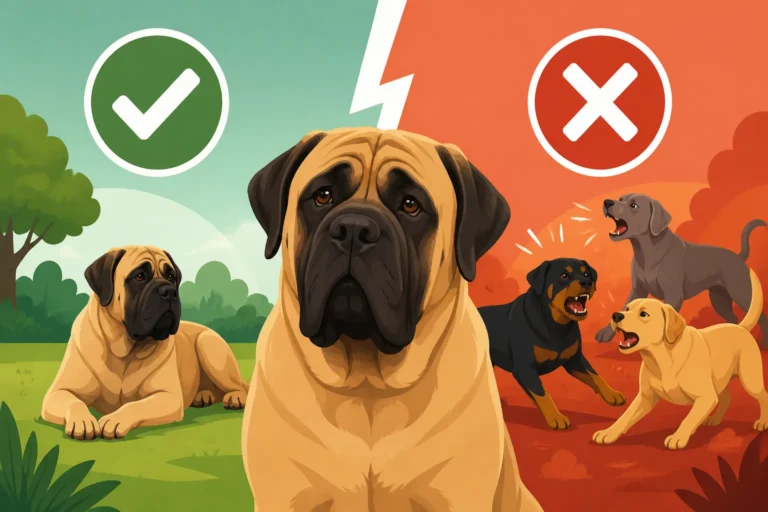
| 8. Reaction to Another Dog | Mastiffs generally aren't dog-aggressive, but their play style can be overwhelming to smaller dogs, or they might just want to investigate. | Practice parallel walking with a calm, known dog from a distance, rewarding your Mastiff for ignoring them. Slowly decrease the distance as they remain calm. The goal is polite indifference, not active interaction. |
| 9. Reaction to Distraction | Unexpected loud noises, dropped objects, a person running – Mastiffs can be startled, or they might just gaze intently. | Expose your Mastiff to various safe, mild distractions during training sessions. Drop keys, clap hands, walk with an umbrella. Reward calm or quick recovery. For a true surprise, focus on redirecting their attention back to you. |
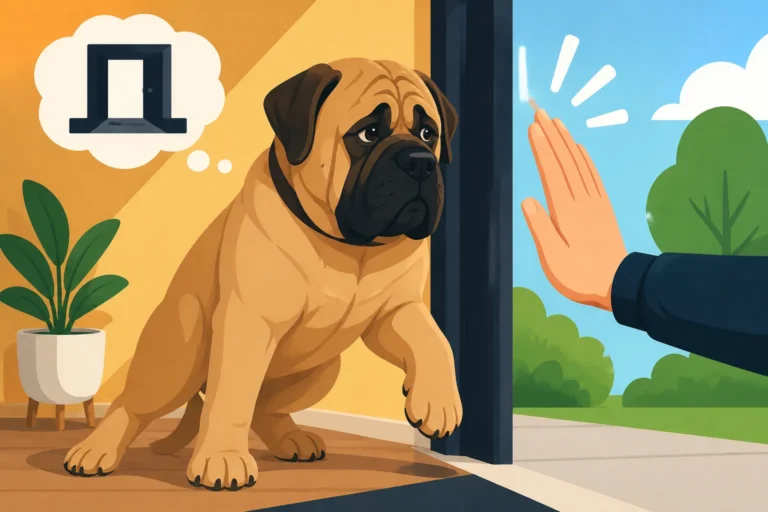
| 10. Supervised Separation | This test requires the dog to be tied up for three minutes while the owner goes out of sight. Many Mastiffs are velcro dogs, and this can be a tough one. | Start with very short periods of separation in a secure area, gradually increasing duration. Ensure they have a comfortable bed or mat. Practice this at home first, making sure they are comfortable being alone for short bursts. Some Mastiffs might whine or try to follow initially. Patience and positive association with their "stay place" are key. |
Navigating Specific CGC Challenges with a Mastiff
While every dog is an individual, Mastiffs share some common traits that can present unique hurdles during CGC preparation. Understanding these and having strategies in place will make your training much smoother.
Addressing the "Mastiff Lean" and Polite Greetings
Ah, the Mastiff lean. It's an endearing trait to us owners, but to a stranger, having two hundred pounds of dog gently (or not so gently) pressing into them can be startling. For the "friendly stranger" and "polite petting" portions of the CGC, you need your Mastiff to keep all four paws on the ground.
One effective strategy is to practice the "auto-sit" where your Mastiff sits automatically when you stop walking. This naturally keeps their center of gravity lower and makes them less likely to lean or jump. When a stranger approaches, give a clear "sit" command and reward heavily when they comply. You can also teach a "four on the floor" cue that means no jumping, no leaning. Practice with different friends and family members, having them approach and briefly pet your Mastiff while you reward calm behavior. It’s all about clear communication and consistency. The Sensitivity Nobody Expects in a Two Hundred Pound Mastiff means they respond well to gentle, consistent guidance.
Overcoming the "Stone Dog" Syndrome
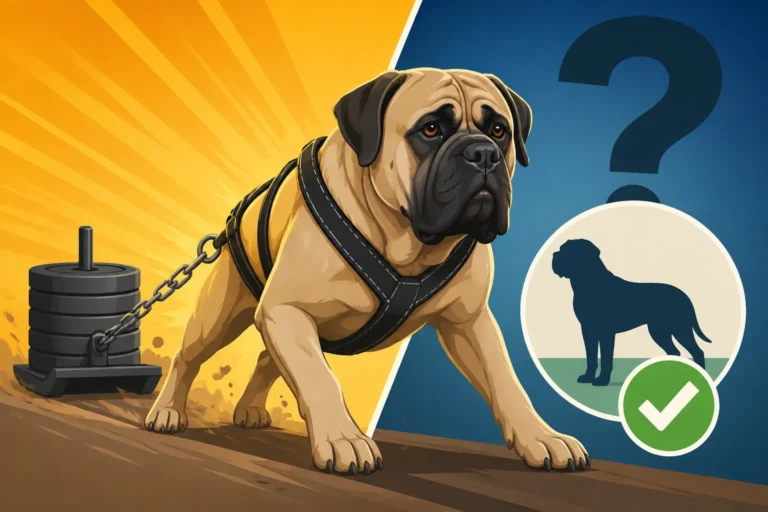
Anyone who owns a Mastiff knows that when they decide they're done moving, they can become a two-hundred-pound statue. This "stone dog" syndrome, where a Mastiff plants itself and refuses to budge, can be challenging during the "loose leash walking" or "walking through a crowd" sections. For the CGC, you can't drag your dog.
The key here is motivation and gentle persuasion, not force. First, ensure your Mastiff isn't in pain or genuinely afraid – sometimes a freeze is a signal of discomfort. If they're just being stubborn, try changing direction with a cheerful tone. If they halt, often just waiting them out patiently can work. A really high-value treat (think cooked chicken or cheese) can often break the spell. Lure them forward with the treat at nose level. Sometimes, a confident, encouraging word and a slight shift in your body language is all it takes. Remember, Why a Mastiff Lies Down and Refuses to Move is often a calculated decision, not malicious defiance.
Managing a Mastiff's Deliberate Nature
Mastiffs are not known for their lightning-fast reflexes or eager-to-please, bounce-off-the-walls energy. They are deliberate, thoughtful creatures. This can make commands like "sit" or "down" seem slow, and a "come" can feel like a leisurely stroll. The CGC test doesn't demand speed, but it does require responsiveness.
To train for this, keep your training sessions positive, short, and frequent. Use clear, consistent cues. Give your Mastiff a moment to process what you're asking before repeating the command. Reward any movement in the right direction. If they are slow to sit, reward the start of the sit. If they are slow to come, reward the first step they take towards you. Building a strong positive association with each command will encourage them to respond more readily. Whether Positive Training Alone Works on a Mastiff is absolutely true, as harsh methods will only make them shut down.
The Benefits of CGC Beyond the Test
Passing the Canine Good Citizen test is a fantastic accomplishment, but the true value lies in the journey and the skills you and your Mastiff gain along the way. These aren't just parlor tricks; they are practical life skills that foster a stronger bond and lead to a more harmonious household.
Enhanced Communication and Trust
Training for the CGC requires you to learn how your Mastiff thinks, how they react to different situations, and what truly motivates them. This deepens your understanding of each other. You learn to read their body language, anticipate their needs, and communicate your expectations clearly. In return, your Mastiff learns to trust your guidance and feel secure in new or challenging environments. This mutual respect is the foundation of a truly great relationship with your giant companion. It's often said that The First Year With a Mastiff Puppy That Doubles in Size is critical for establishing this bond.
Greater Confidence for Both Handler and Dog
There's an undeniable boost in confidence that comes with successfully training a Mastiff to CGC standards. As a handler, you'll feel more in control and less anxious about taking your Mastiff out and about. Knowing they will respond politely to strangers and other dogs, and that you can manage them in various situations, is liberating. For your Mastiff, mastering these skills builds their own confidence. They learn that new experiences aren't scary, and that listening to you brings good things. This confidence can reduce stress and anxiety in your dog, leading to a calmer, happier Mastiff.
Opening Doors to New Activities
A CGC certification can be a fantastic springboard for other activities you might want to explore with your Mastiff. Many therapy dog organizations require a CGC as a prerequisite for their programs. Imagine the joy your gentle giant could bring to hospital patients or nursing home residents! It can also be beneficial if you're interested in obedience competitions (though perhaps not agility for this breed!), or even just more pet-friendly venues that appreciate well-behaved dogs. It's a formal recognition of your Mastiff's good nature and your dedication as an owner. While agility might be wrong for a Mastiff, Scent Work as a Mastiff's Low Impact Sport is an excellent alternative that engages their minds.
In conclusion, getting your Mastiff through the Canine Good Citizen test is a rewarding endeavor that is entirely achievable with patience, consistency, and a deep understanding of your wonderful giant. It strengthens your bond, enhances your life together, and celebrates the incredible nature of the Mastiff breed.
Disclaimer
This article is for general informational purposes only and does not constitute professional advice. Laws, prices and regulations vary by location and change over time. Consult a qualified professional for guidance on your specific situation.