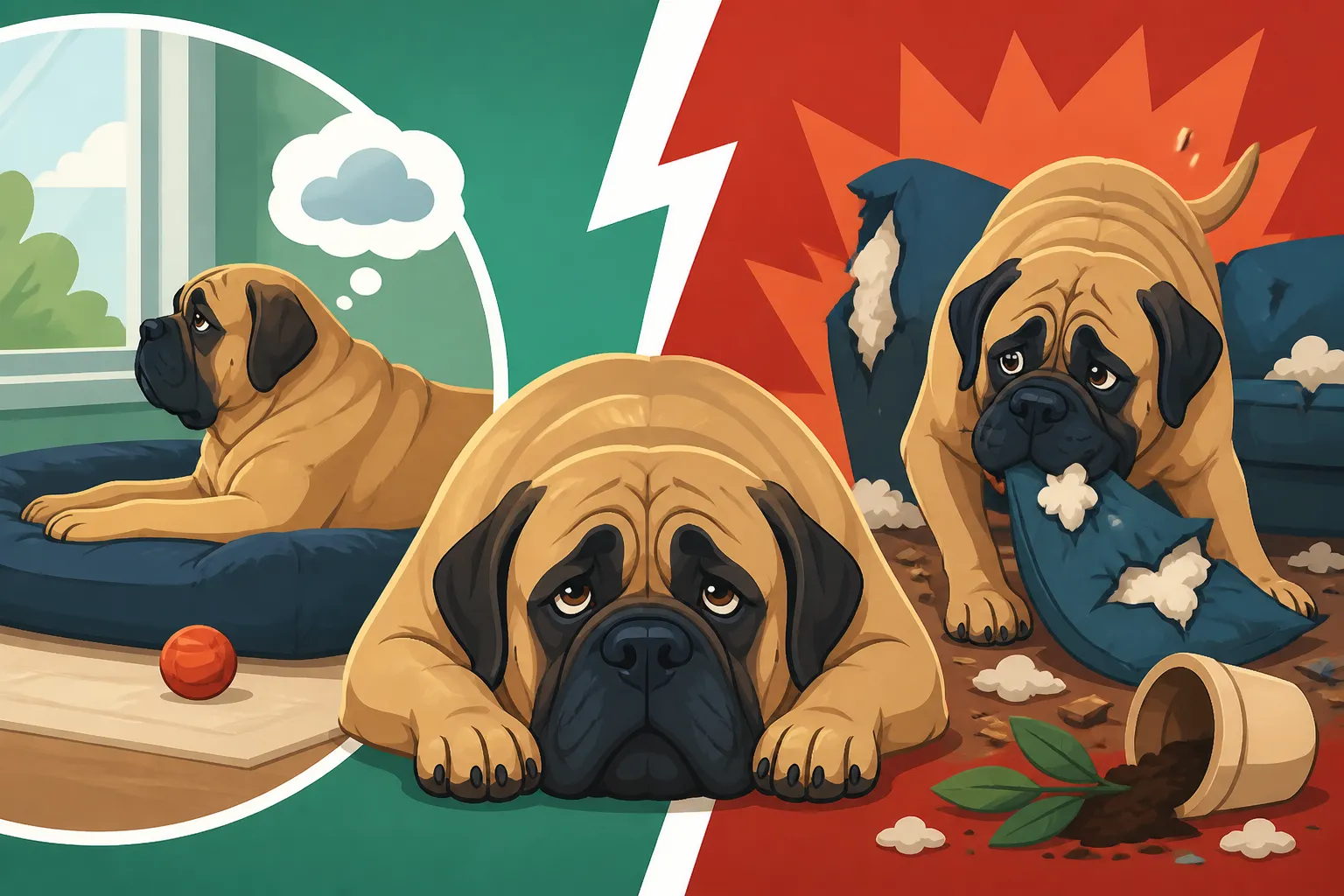
Whether a Bored Mastiff Is Destructive
One of the biggest worries for any Mastiff owner, or someone considering bringing one of these gentle giants into their home, is undoubtedly the potential for destruction. You’ve probably heard the horror stories about a dog tearing up a sofa or chewing through a doorframe, and when that dog weighs 200 pounds, the mental image is certainly enough to make you pause. The truth is, a bored Mastiff can be incredibly destructive, but it's rarely out of malice and almost always a cry for help. This guide will delve into why Mastiffs might resort to destructive behaviors, what those behaviors look like, and most importantly, how to prevent and manage them.
The Myth Versus the Reality of Mastiff Destruction
It’s easy to look at a Mastiff’s imposing size and assume they must have endless energy, or conversely, that they are so laid-back they’d never cause trouble. Both assumptions can lead to misunderstandings about their needs and, ultimately, to destructive behaviors.
Why Mastiff Owners Worry About Destruction
Let’s be honest, the scale of a Mastiff means that any misstep on their part quickly becomes a grand-scale event. If a Chihuahua chews a sock, it’s a minor annoyance. If a Mastiff decides to disembowel a sofa, you’re looking at a significant investment gone in a matter of minutes. The sheer physical presence and power of these dogs mean that when they do get into trouble, the results are almost always dramatic and costly. This isn’t a breed known for frantic, high-energy zoomies that tear through a house, but rather a more deliberate, methodical kind of chaos when boredom or anxiety sets in. Owners often worry about their large paws impacting furniture or their heavy bodies causing accidental damage, so deliberate destruction is a whole other level of concern.
The worry isn't just about property. It's also about the dog's well-being. A destructive Mastiff isn't a happy Mastiff. Understanding that their size amplifies the impact of their actions makes prevention all the more crucial, because repairing a chewed coffee table is one thing, but replacing an entire doorway or a chunk of drywall is another. Validating this concern is important: you're not imagining things; the potential for big damage is very real with a dog of this stature.
How Boredom Manifests in a Mastiff
Unlike some terrier breeds who might run circles and bark incessantly when bored, a Mastiff's boredom often manifests in a more internal, yet equally impactful, way. They might not be tearing through the house at 100 miles an hour, but they can slowly and methodically dismantle things. Think less hurricane, more persistent, focused excavation. Common manifestations include obsessive chewing, digging (especially outdoors), inappropriate elimination (even if house-trained), or unusual vocalization.
A Mastiff who feels under-stimulated might pace restlessly, even if slowly, or become withdrawn and sluggish, which can then burst into a destructive episode. Their sensitive nature means they truly thrive on companionship and mental engagement. The Sensitivity Nobody Expects in a Two Hundred Pound Mastiff If they’re left alone for long stretches with nothing to do, or if their days lack routine and interaction, that gentle giant can quickly turn into a furry wrecking ball. They aren't trying to be naughty; they're simply trying to entertain themselves, relieve stress, or get your attention in the only way they know how.
Common Destructive Behaviors and Their Roots in Boredom
Understanding what destructive behaviors look like and why they happen is the first step in addressing them. For a Mastiff, these actions are usually a symptom of an underlying unmet need.
The Chewer's Predicament: Sofas, Doors, and Everything in Between
Chewing is a natural dog behavior. Puppies chew to explore their world and relieve teething pain, and adult dogs chew for stress relief, entertainment, and to keep their jaws strong. However, for a bored Mastiff, chewing can become an obsessive, destructive habit. Imagine a dog with the jaw strength to crush bones turning their attention to your antique dining room chair leg or the corner of your drywall. The damage isn't just cosmetic; it can be structural.
Without appropriate outlets, a Mastiff might target items like sofa cushions, remote controls, shoes, or even doorframes. This isn't out of spite; it's often because they lack mental stimulation or have pent-up energy that needs to be released in a physical way. They might also chew out of anxiety if left alone for too long. The scale of a Mastiff's mouth means that even a few minutes of unsupervised chewing can lead to irreversible damage. They’re not just gnawing a tiny hole; they’re often taking out large chunks. Providing robust, appropriate chew toys is paramount, but it’s only one piece of the puzzle.
Digging and Other Outdoor Escapades
While digging might not be an indoor issue for all Mastiffs, those with access to a yard can certainly transform your pristine lawn into a lunar landscape. They might dig to escape boredom, to create a cooler spot to lie in on a warm day, to bury treasures (often food or toys), or simply because digging feels good and provides an outlet for mental and physical energy. Given their size, a Mastiff can dig a sizable hole in a surprisingly short amount of time.
This behavior can stem from a lack of adequate exercise or mental stimulation. If a Mastiff is left in a yard all day with no interaction or enrichment, digging becomes a self-reinforcing activity. It can also be a sign of separation anxiety if they are trying to "dig their way out" to find their human companions. It's crucial to evaluate why your Mastiff might be digging rather than just trying to punish the act itself. Is the yard boring? Is the dog lonely? Are they trying to regulate their body temperature? These questions can guide your solution.
Inappropriate Elimination and Vocalization as Cry for Help
It can be incredibly frustrating when a previously house-trained Mastiff starts having accidents indoors. While this should always prompt a veterinary check-up to rule out medical issues, if your vet gives them a clean bill of health, inappropriate elimination can often be a sign of stress, anxiety, or profound boredom. A Mastiff who is left alone for too long and feels neglected might eliminate inside as a way to cope or to signal distress. It’s not about being "bad"; it’s about being overwhelmed or under-stimulated.
Similarly, vocalization like excessive barking, whining, or howling, especially when left alone, can be a symptom of boredom or separation anxiety. Mastiffs are generally known for being a relatively quiet breed. How Rarely a Mastiff Barks If your usually placid Mastiff is suddenly filling the house with mournful howls or insistent barks, it’s a strong indicator that their emotional or mental needs are not being met. These vocalizations are often a desperate plea for attention, interaction, or comfort. They need to know they're not alone and that their human companions will return.
Preventing Boredom-Induced Destruction in Your Mastiff
The good news is that most boredom-induced destructive behaviors can be prevented with proactive management and understanding your Mastiff’s unique needs. It's about providing outlets before they create their own.
The Power of Mental Stimulation and Enrichment
While Mastiffs aren't built for marathons, their brains are highly intelligent and need regular workouts. Mental stimulation is often more tiring and satisfying for them than physical exertion. Think of it like this: a Mastiff would rather solve a puzzle than run five miles. Puzzle toys are fantastic for this—fill them with kibble or healthy treats and let your Mastiff "work" for their meal. Brands like Kong offer durable options, and you can find a huge variety of interactive feeder toys on platforms like Amazon that can keep their minds engaged for extended periods.
Beyond toys, consider incorporating scent work or simple "find it" games around the house or yard. Hiding treats and encouraging them to sniff them out taps into their natural instincts and provides a wonderful mental challenge without much physical strain. Regularly rotating their toys also keeps things fresh and interesting, preventing them from becoming bored with the same old objects. Even short, daily sessions of mental enrichment can make a world of difference in preventing destructive behaviors. Scent Work as a Mastiff's Low Impact Sport
Structured Training and Consistent Routines
Consistent training isn't just about obedience; it's a vital form of mental exercise and builds a strong, trusting bond between you and your Mastiff. Even 10-15 minute daily training sessions can provide immense mental stimulation. Practicing basic commands, teaching new tricks, or even working on advanced obedience skills can be incredibly engaging for them. They thrive on routine and knowing what to expect, which reduces anxiety and thus, destructive tendencies.
Positive reinforcement methods work best with their sensitive nature. Whether Positive Training Alone Works on a Mastiff Avoid harsh corrections, which can make a Mastiff shut down or become more anxious. Platforms like BAXTER & Bella offer online puppy and dog training programs that can provide structured guidance, helping you establish routines and teach new skills effectively from home. Consistency in training also reinforces their place in the family unit, making them feel secure and valued, which is crucial for such a people-oriented breed. It’s a way of communicating and building confidence. Teaching a Mastiff Before It Outweighs You
Appropriate Physical Activity and Social Interaction
While Mastiffs don't need to be jogging partners, they absolutely need regular, appropriate physical activity to stay healthy and content. A couple of moderate walks a day, lasting around 20-30 minutes each, are usually sufficient for an adult Mastiff. Why One Hour a Day Is Enough for a Mastiff Controlled playtime in a securely fenced yard can also be beneficial, allowing them to stretch their legs and explore. Remember, forced or excessive exercise, especially in growing puppies, can be detrimental to their developing joints, so moderation is key. The Mastiff Puppy You Are Not Allowed to Exercise
Socialization is another critical component. While Mastiffs are often reserved with strangers, proper exposure to various people, places, and calm, well-mannered dogs from a young age helps them develop into well-adjusted adults. Supervised playdates with compatible canine friends, or simply accompanying you on errands where they can observe the world calmly, provides valuable mental and social stimulation. Socializing a Mastiff Puppy Before It Gets Heavy For a Mastiff, just being in the same room as their beloved humans, getting occasional pets and attention, can be a form of vital social interaction that prevents boredom.
Managing Existing Destructive Habits
If your Mastiff has already developed destructive habits, don't despair! With patience, consistency, and the right strategies, these behaviors can be managed and redirected. It's about modifying the environment and teaching better coping mechanisms.
Creating a Safe and Enriched Environment
The first step is "Mastiff-proofing" your home. This means removing tempting items from their reach. Put shoes away, secure garbage cans, move fragile decorations, and consider baby gates to restrict access to certain rooms when you can’t supervise. Provide plenty of appropriate, durable chew toys that are safe for a Mastiff's powerful jaws. Toys specifically designed for strong chewers, often available on Amazon, are a good investment.
If you must leave your Mastiff alone, even for short periods, consider using a large, comfortable crate. If introduced positively, a crate can become a safe den for your dog, reducing the opportunities for destructive behavior. Whether a Mastiff Puppy Should Be Crated Ensure the crate is large enough for them to stand, turn around, and lie down comfortably. Fill it with a comfy bed and a safe, engaging chew toy. Supervision is key; when you’re home, restrict access to areas where they might get into trouble, and redirect any attempts at inappropriate chewing immediately to a proper toy.
When Professional Help Is Needed
Sometimes, boredom and destructive behavior can be intertwined with deeper issues like separation anxiety, fear, or other behavioral disorders. If you've tried various methods and are still struggling, it's a sign that professional help might be necessary. A certified professional dog trainer or a veterinary behaviorist can observe your Mastiff's behavior, identify underlying triggers, and help develop a tailored management plan.
They can offer guidance on behavior modification techniques, environmental enrichment strategies, and, if necessary, discuss medication in conjunction with behavior therapy for severe anxiety. Remember, punishment rarely works and can often exacerbate anxiety and fear, leading to more destructive behaviors. Why Harsh Correction Ruins a Mastiff The goal is to understand and address the root cause, teaching your Mastiff healthier ways to cope and express themselves. It's a journey, but one well worth taking for the health and happiness of your beloved giant.
Here's a quick overview of destructive behaviors and how to tackle them:
| Destructive Behavior | Common Root Causes (Boredom-Related) | Prevention & Management Strategies |
|---|---|---|
| Chewing | Lack of mental stimulation, stress, anxiety | Provide durable chew toys (e.g., Kong), redirect to appropriate items, supervise closely, Mastiff-proof home. |
| Digging | Lack of outdoor stimulation, escaping, seeking comfort | Offer designated digging area, increase outdoor play/walks, provide shade/cool spots, secure yard. |
| Inappropriate Elimination | Separation anxiety, stress, lack of stimulation, medical issue | Rule out medical causes, establish consistent routine, increase interaction, positive crate training, consult vet behaviorist. |
| Excessive Vocalization | Loneliness, anxiety, lack of attention, under-stimulation | Increase interactive play, mental exercise, teach "quiet" command, do not reinforce barking, seek professional advice for separation anxiety. |
A bored Mastiff isn't acting out of spite; they're simply communicating that their needs aren't being met. By understanding their unique temperament and providing ample mental stimulation, appropriate physical exercise, consistent training, and loving companionship, you can ensure your gentle giant lives a fulfilling life, free from the urge to redecorate your home with their teeth.
Disclaimer
This article is for general informational purposes only and does not constitute professional advice. Laws, prices and regulations vary by location and change over time. Consult a qualified professional for guidance on your specific situation.