Whether Mastiff Premiums Climb After Four
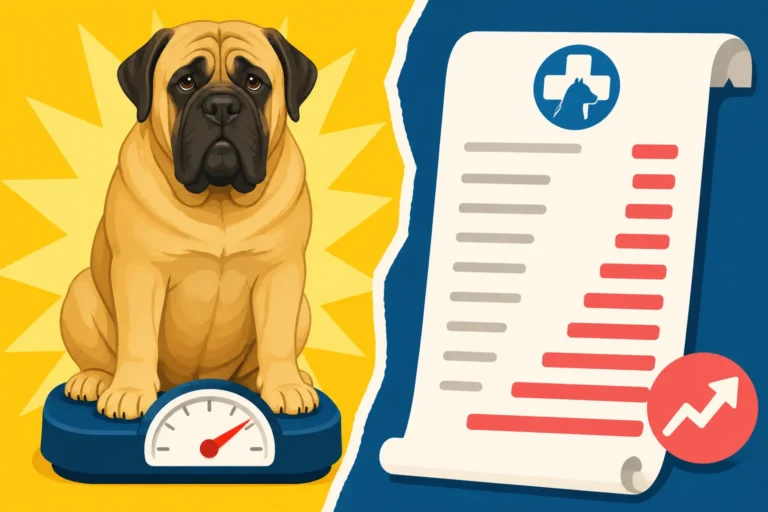
It's a common, sinking feeling many Mastiff owners experience as their beloved giant dog moves past the puppy stage and into adulthood: that annual notice from the pet insurance company. Suddenly, the premiums aren't quite what they used to be, and you're left wondering if it's just bad luck or if there's a pattern. This guide will delve into why pet insurance premiums for Mastiffs often see a significant climb once they hit the four-year mark and what you can expect as your gentle giant ages.
The Reality of Age-Based Premiums for Mastiffs
Let's be honest, nobody gets a Mastiff expecting them to live forever, but we certainly hope for a good, long life. The reality, though, is that their impressive size comes with a heartbreakingly shorter lifespan compared to many other breeds. This inherent truth is something pet insurance companies factor into their calculations from day one, and it becomes particularly impactful as your Mastiff enters their middle years.
Why Age is a Major Factor in Pet Insurance
Insurance, at its core, is about managing risk. For pet insurance, that risk is the likelihood of your dog needing veterinary care, and more importantly, expensive veterinary care. As a Mastiff ages, the probability of them developing health issues—some minor, some major, many chronic—significantly increases. Think about it from the insurer's perspective: a healthy, rambunctious two-year-old Mastiff is far less likely to present a major claim than a six-year-old who might be battling arthritis or an emerging heart condition.
The actuarial science behind these premiums isn't arbitrary; it's based on extensive data concerning breed-specific health trends and average lifespans. Since Mastiffs, unfortunately, have a shorter average lifespan than many smaller breeds, they reach what's considered "senior" status earlier. This means they spend a larger percentage of their insured life in those higher-risk years. So, while it feels frustrating to see those numbers tick up, it's a reflection of the increased likelihood of claims as your Mastiff matures and their body begins to show the wear and tear of being a massive, heavy dog. This doesn't mean you're a bad owner or that your dog is unhealthy; it simply means the statistical risk for the insurer has changed.
The "Sweet Spot" and the Shift After Four
Many Mastiff owners observe a relatively stable premium during their dog's early adult years, perhaps from two to around four years old. This is often the "sweet spot" where they're past the highest puppy accident risk but haven't yet entered the peak zone for chronic, age-related illnesses. However, as your Mastiff approaches and then passes their fourth birthday, that notice from the insurance company often brings a noticeable increase. This isn't just a random bump; it's a critical turning point in a giant breed's life.
Around four or five, Mastiffs are often considered mature adults, but it's also when some of the more serious health issues start to silently develop or overtly manifest. This period marks a shift in the type of claims an insurer anticipates. Instead of covering a swallowed toy or a minor injury from exuberant play, they begin to factor in the potential for diagnoses like arthritis, certain cancers, or heart conditions. The shift can feel abrupt, leaving you scrambling to understand why your once-affordable policy has suddenly become a significant monthly expense. It’s a challenging reality, but understanding why it happens can help you better prepare and plan.
Specific Health Concerns Driving Mastiff Premium Increases
The sheer size and genetic predispositions of the Mastiff breed mean they are unfortunately prone to certain health conditions that become more prevalent, and therefore more costly to insure, as they age. It's not just about a few extra vet visits; it's about the potential for expensive diagnostics, long-term medications, and specialized surgeries.
Orthopedic Issues and Their Impact
One of the most significant drivers of rising premiums for Mastiffs is the prevalence of orthopedic problems. These gentle giants put immense stress on their joints, and conditions like hip and elbow dysplasia are unfortunately common. You might have carefully selected a puppy from health-tested parents, cleared for The Four CHIC Tests a Mastiff Breeder Must Clear, and still find yourself facing these issues. Elbow Dysplasia Affects One Mastiff in Seven, and while genetic factors play a huge role, the sheer weight of a Mastiff only exacerbates these conditions over time.
Even if your Mastiff was cleared by the OFA or PennHIP in their youth, the degenerative nature of these conditions often means that symptoms, pain, and the need for interventions become more apparent around that four-year mark. Arthritis, a common companion to dysplasia, can also start to set in early for these big dogs. Managing these conditions often involves a combination of pain medication, anti-inflammatories, joint supplements, and sometimes even surgery, all of which represent significant costs that insurance companies account for. A policy taken out for a young, seemingly healthy Mastiff might have low premiums because the immediate risk of these long-term issues is lower, but as the dog ages and the risk escalates, so do the costs.
Other Common Ailments and Chronic Conditions
Beyond orthopedic challenges, Mastiffs are susceptible to a range of other health concerns that become more common with age, directly influencing insurance premiums. Heart conditions, such as dilated cardiomyopathy, can develop silently for years before manifesting with clinical signs, often in middle age. While a Mastiff might be lively at three, by five or six, the heart could be working harder than it should.
Certain cancers, too, become a larger concern. Like many large and giant breeds, Mastiffs have a higher incidence of various cancers as they age, including osteosarcoma, lymphoma, and mast cell tumors. Diagnosing and treating cancer involves costly procedures like biopsies, chemotherapy, radiation, or extensive surgeries, all of which are factored into the increasing risk pool for older dogs.
And we can't forget about Bloat in the Deepest Chest of Any Breed: the Mastiff. While bloat can strike at any age, the risk can sometimes increase with age, especially if previous episodes have occurred or if other health issues compromise overall vitality. The emergency surgery required for a twisted stomach is one of the most expensive veterinary procedures, and insurance providers are well aware of this breed-specific risk when calculating premiums. It's a terrifying prospect for any Mastiff owner, and the potential cost of such an emergency is a huge variable in insurance pricing.
Strategies for Managing Rising Mastiff Insurance Costs
Seeing those premium notices go up can be disheartening, but it doesn't mean you're without options. There are proactive steps you can take to manage these rising costs and ensure your Mastiff still has the coverage they need without breaking the bank.
Reviewing Your Policy Annually
Think of your pet insurance policy like any other insurance: it's not a "set it and forget it" kind of deal, especially with a breed like the Mastiff. As your dog ages and their health profile changes, so should your approach to their policy. Don't just pay the increased premium without a second thought. Take the time each year to thoroughly review your current coverage, deductible, and reimbursement level. What made sense when your Mastiff was a boisterous two-year-old might not be the most economical or comprehensive option when they're a more sedate, potentially ailment-prone six-year-old.
It's a smart move to shop around. While your current provider might have been competitive initially, other companies might offer better rates or more flexible plans for older dogs. Look at reputable providers like Healthy Paws, who are known for their comprehensive accident and illness coverage. You might find that switching, even with an older dog, could save you money or provide better benefits for specific concerns your Mastiff might be developing. Remember, continuous coverage is key to avoiding pre-existing condition exclusions, so make sure any transition is seamless.
Adjusting Deductibles and Reimbursement Levels
One of the most direct ways to influence your monthly premium is by adjusting the structure of your policy itself. Most pet insurance plans offer flexibility with deductibles and reimbursement percentages, and leveraging these can help offset the age-related increases.
- Increasing Your Deductible: This means you pay more out-of-pocket before your insurance kicks in. For instance, moving from a $250 deductible to a $500 or even $750 deductible can significantly lower your monthly premium. This strategy works best if you have a robust emergency fund specifically for your Mastiff's medical needs. You're essentially taking on more of the initial financial risk yourself in exchange for a lower recurring payment.
- Lowering Your Reimbursement Level: Policies often offer options like 90%, 80%, or 70% reimbursement. Choosing a lower percentage, say 70% instead of 90%, will also reduce your premium. Again, this requires you to cover a larger portion of the vet bill yourself, but it can make the monthly cost more manageable.
Carefully consider your financial situation and your Mastiff's health history when making these adjustments. While a higher deductible or lower reimbursement can save you money each month, ensure you can comfortably cover the larger portion of a potential large vet bill should an emergency strike. It's a delicate balance between monthly savings and preparedness for the unexpected.
The Role of a "Pet Savings Fund"
For many Mastiff owners, a purely insurance-based approach can feel financially overwhelming as premiums climb. This is where a hybrid approach, combining pet insurance with a dedicated pet savings fund, can be incredibly effective. Think of pet insurance as your safety net for catastrophic, high-cost events like emergency surgeries or extensive cancer treatments, which can easily run into the thousands. For smaller, routine costs or those that fall within a higher deductible, your savings fund steps in.
You could set up an automatic transfer each month into a separate savings account, perhaps earmarking a portion of what you would have spent on a higher premium if you chose a policy with a higher deductible. This fund can cover annual check-ups, routine medications, or even unexpected minor injuries that might not meet your insurance deductible. Many owners find value in streamlining other pet expenses to free up funds for this account; for example, ordering food and supplies through services like Chewy can sometimes offer discounts and convenience, allowing you to reallocate those savings. This approach gives you flexibility and a cushion for both insured and uninsured expenses, empowering you to make the best decisions for your Mastiff's health without constant financial stress.
What to Expect as Your Mastiff Becomes a Senior
The journey with a Mastiff is precious and, unfortunately, often shorter than we'd like. As they transition into their senior years, typically starting around five or six for these giant breeds, the landscape of pet insurance and veterinary care continues to evolve.
When Premiums Hit Their Peak
Pet insurance premiums generally continue their upward trend as your Mastiff progresses through middle age and into their senior years. While there might not be a single "peak" age that applies to every dog, you can often expect the most significant increases between ages five and eight. After this point, some insurers may cap their increases or offer different types of policies for very senior dogs. It's worth noting that if your Mastiff develops a chronic condition that requires ongoing medication or monitoring—such as Arthritis in a Mastiff at Four or a heart condition—those will become "pre-existing conditions" if you ever try to switch insurers. This is why maintaining continuous coverage is so incredibly important; even with rising premiums, the alternative of having no coverage for a chronic, costly issue can be far more financially devastating.
The increases are a reflection of the cumulative health risks. An eight-year-old Mastiff, even one in excellent health, carries a statistically higher risk for a sudden health crisis or the exacerbation of existing conditions. Knowing Why a Mastiff Is Old at Five can help you mentally prepare for these changes in insurance costs and adapt your budget accordingly.
Considering Alternatives or Supplemental Care
As your Mastiff enters their golden years, you might find yourself re-evaluating your pet insurance strategy. For very senior Mastiffs, if premiums become prohibitively high, some owners explore alternatives. This could mean transitioning from comprehensive accident and illness coverage to an accident-only plan, which typically has lower premiums but covers significantly less. Another option might be a wellness plan, which focuses on routine care, but typically doesn't cover major illnesses or emergencies.
However, moving away from full coverage is a big decision that requires careful thought and a very strong financial safety net. The reality is that older Mastiffs are more likely to need extensive care, not less. For many, maintaining some level of accident and illness coverage, perhaps with adjusted deductibles, remains the wisest choice. Regardless of your insurance choices, proactive and preventative care becomes even more critical. Investing in high-quality senior dog food, potentially from brands like Ollie that offer customized plans, ensuring appropriate joint supplements, and maintaining regular veterinary check-ups are paramount. Your vet can often catch nascent issues early, which can sometimes lead to less costly interventions down the line. Caring for An Old Mastiff That Cannot Get Up requires careful planning, and financial preparedness is a huge part of that.
Here's a quick overview of how age can influence common pet insurance factors for your Mastiff:
| Factor | Young Mastiff (0-3 years) | Middle-Aged Mastiff (4-7 years) | Senior Mastiff (8+ years) |
|---|---|---|---|
| Premium Cost | Generally lowest | Noticeably climbing | Highest |
| Expected Claims | Accidents, minor injuries, puppy issues | Orthopedic issues, chronic disease onset | Chronic disease management, organ failure, cancer |
| Coverage Focus | Broad accident/illness | Increasingly focused on chronic care | Often specialized or high-deductible options |
| Preventative Care | Essential for healthy growth | Critical for early detection of issues | Paramount for quality of life |
| Risk Assessment | Lower statistical risk | Higher risk due to age-related conditions | Highest statistical risk of major claims |
This article is for general informational purposes only and does not constitute professional advice. Laws, prices and regulations vary by location and change over time. Consult a qualified professional for guidance on your specific situation.