Why Anesthesia Is Riskier in a Mastiff
Bringing a Mastiff in for any procedure requiring anesthesia can be an incredibly nerve-wracking experience. These gentle giants, with their immense size and unique physiology, face a different set of challenges under sedation compared to smaller breeds, making even routine surgeries feel like a high-stakes gamble. This guide aims to shed light on why anesthesia carries elevated risks for Mastiffs and what you and your veterinary team can do to ensure the safest possible outcome for your cherished companion.
The Unique Challenges of Mastiff Physiology and Anesthesia
When it comes to anesthesia, a Mastiff isn't just a big dog; they're a different kind of dog, and their sheer scale amplifies concerns that might be minor in a smaller canine. Their body mass, respiratory quirks, and cardiovascular system all contribute to a complex picture that demands careful consideration from any veterinary professional.
Massive Size and Dosing Concerns
One of the most immediate and obvious challenges with a Mastiff is their weight. We're talking about dogs that can easily tip the scales at 150 to over 200 pounds, sometimes even more. This isn't just about giving a bigger dose; it's about the intricate pharmacokinetics of drugs in such a large system. Anesthetic drugs are typically dosed based on weight, but in Mastiffs, it's crucial to consider lean body mass rather than just total scale weight. Fat tissue doesn't metabolize drugs the same way lean muscle does, and an overweight Mastiff might receive an excessive dose if calculations aren't adjusted, leading to prolonged recovery or deeper sedation than intended. Conversely, underdosing could mean the dog isn't adequately anesthetized, risking awareness during surgery, which is unthinkable.
The distribution and metabolism of anesthetic agents are significantly impacted by their large volume of distribution. This means the drugs spread out over a much larger area, which can affect how quickly they take effect and how long they stay in the system. For instance, drugs that are fat-soluble might accumulate in adipose tissue and release slowly, leading to a much longer wake-up time. This requires an experienced hand to calibrate dosages precisely, often using lower-end weight-based calculations and titrating drugs to effect, rather than just blindly following a chart. You can learn more about this by reading our article on Why a Mastiff Is Dosed by Lean Weight and Not Scale Weight A delicate balance is necessary to ensure proper sedation without overwhelming their system.
Respiratory System Vulnerabilities
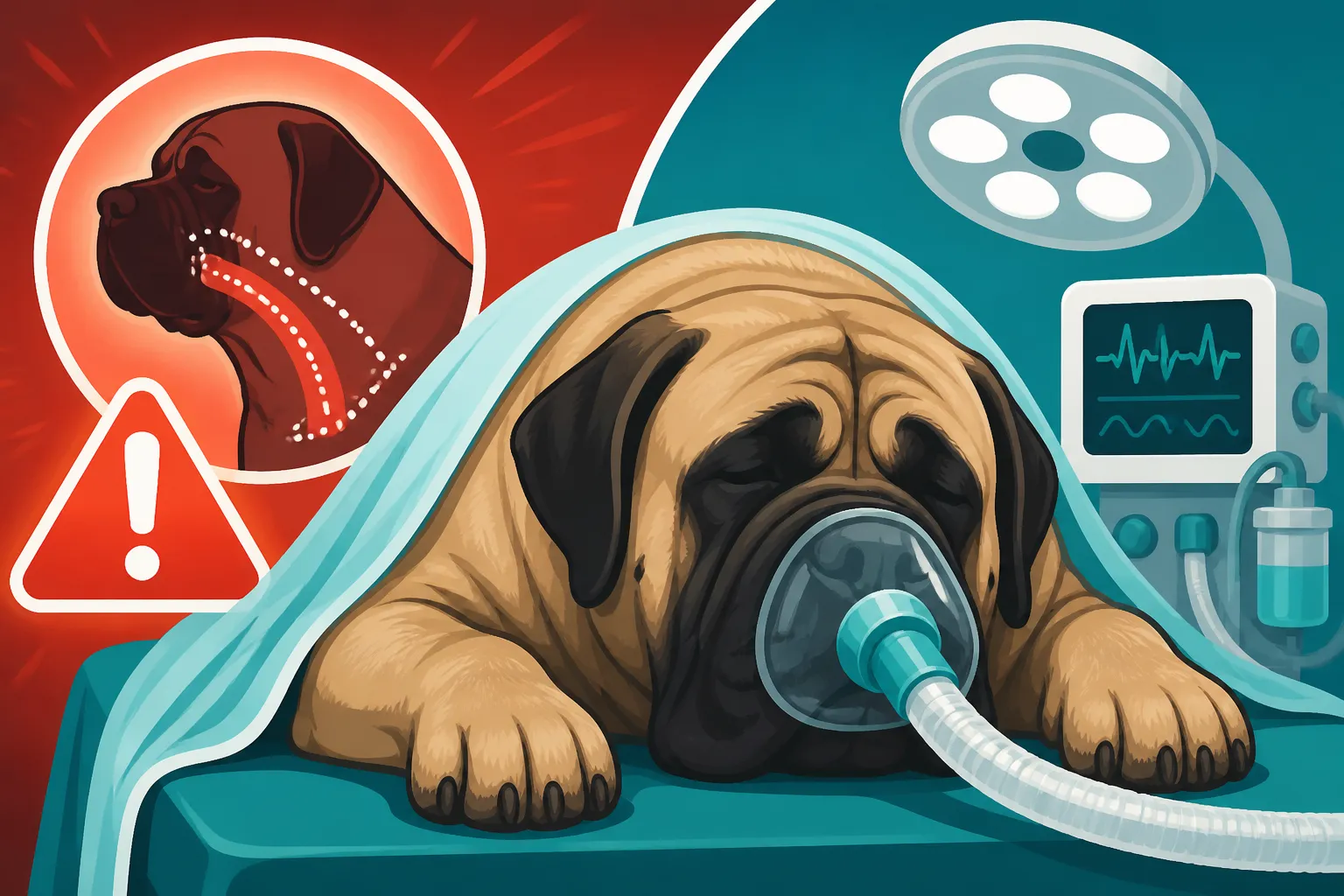
While Mastiffs aren't typically classified as brachycephalic (short-nosed) like Bulldogs or Pugs, their massive heads and loose facial skin can still present airway challenges. The sheer volume of soft tissue in their throats and around their larynx means that their airways can be more prone to obstruction, especially when muscle tone is relaxed under anesthesia. This makes intubation—inserting a tube into the windpipe to maintain an open airway and deliver anesthetic gas—a critical step that requires skill and often larger-than-standard equipment.
Beyond just the physical airway, Mastiffs can have respiratory patterns that differ from smaller dogs. Their deep chests mean that their lungs move a significant volume of air, but their overall respiratory drive and efficiency can sometimes be compromised, especially if they have underlying conditions. Monitoring their breathing closely, ensuring adequate oxygenation, and being ready to provide assisted ventilation are paramount. Even a slight decrease in oxygen saturation during anesthesia can have much more severe consequences for a dog of this size, particularly concerning vital organs like the heart and brain.
Cardiac and Circulatory System Strain
The cardiovascular system of a Mastiff works incredibly hard just to support their massive body. This inherent strain means that any underlying heart conditions can be significantly exacerbated by anesthetic drugs, which often affect blood pressure and heart rate. While they may not be as prone to certain congenital heart defects as some other breeds, Mastiffs are not immune to issues like dilated cardiomyopathy (DCM) or other cardiac irregularities. It's a sobering thought that a giant heart must pump blood through such a vast network of vessels. Checking Whether a Mastiff Gets Dilated Cardiomyopathy is a crucial step for pre-anesthetic evaluation.
Anesthetic agents can cause a drop in blood pressure, and in a Mastiff, managing this can be more challenging. Their large blood volume means that even a small percentage loss, if not properly compensated for, can lead to significant issues. Vets must be prepared to administer intravenous fluids aggressively and, if necessary, use medications to support blood pressure. The goal is to maintain stable circulation to all organs throughout the entire procedure, which is a meticulous task requiring constant monitoring and immediate intervention when fluctuations occur. This continuous vigilance is essential to prevent complications such as kidney damage or other organ dysfunction during and after anesthesia.
Pre-Anesthetic Protocols: Minimizing Risks from the Start
The cornerstone of safe anesthesia for any Mastiff lies in a thorough and proactive pre-anesthetic protocol. It's not about cutting corners; it's about investing in every possible diagnostic tool and planning strategy to catch potential issues before they become problems.
Comprehensive Pre-Operative Screening
You wouldn't want to go into surgery without a full workup, and neither should your Mastiff. Comprehensive pre-operative screening is absolutely non-negotiable for these magnificent dogs. This includes a full panel of blood tests to assess organ function (liver and kidneys are critical for metabolizing and eliminating anesthetic drugs), blood cell counts to check for anemia or infection, and electrolyte levels to ensure proper fluid balance. Your vet will also likely recommend a urinalysis. These tests provide a baseline and can flag any hidden issues that might increase anesthetic risk. For instance, even a slight elevation in liver enzymes could indicate a need to adjust drug choices.
Beyond basic bloodwork, chest X-rays are often recommended to evaluate heart and lung health. A Mastiff's enormous chest can hide abnormalities that might not be evident from a physical exam alone. An electrocardiogram (ECG) is also highly advisable, especially for older Mastiffs or those with a history of murmurs or any cardiac signs. This helps identify arrhythmias or other heart conditions that could pose a significant risk under anesthesia. Discussions around Whether a Mastiff Needs a Cardiac Exam are not just for breeding dogs but for any Mastiff facing a medical procedure. The investment in these diagnostics upfront is minimal compared to the potential costs and heartbreak of an anesthetic complication.
Tailored Anesthesia Plans
Generic anesthesia protocols simply won't cut it for a Mastiff. A tailored anesthesia plan is essential, crafted specifically for your dog's age, health status, and the type of procedure being performed. This often involves a multimodal approach, using a combination of different drugs at lower doses to achieve the desired effect while minimizing side effects. For example, a sedative might be used with an opioid for pain control, followed by an inhalant anesthetic, rather than relying on one heavy-hitting drug. This "balanced anesthesia" approach helps to support vital organ function and provides better pain relief during and after surgery.
Your vet should discuss their specific drug choices with you, explaining why certain agents are preferred for Mastiffs. Some clinics might even have a board-certified veterinary anesthesiologist on staff or available for consultation, particularly for complex cases or dogs with significant pre-existing conditions. While this might add to the overall cost, the expertise can be invaluable. Don't be afraid to ask about their experience with giant breeds and their specific protocols. Preparing for this level of care might make you think about What a Mastiff's Weight Does to Every Line on the Vet Invoice, but prioritizing safety is always worth it.
Monitoring and Management During the Procedure
Once your Mastiff is under anesthesia, the real work of constant vigilance begins. The period during the procedure is critical, and the level of monitoring provided can make all the difference in detecting and addressing issues immediately.
Advanced Monitoring Equipment
Gone are the days when a vet simply checked a dog's pulse by hand. For a Mastiff, advanced monitoring equipment is absolutely essential. This typically includes continuous ECG to track heart rhythm, blood pressure cuffs to ensure adequate perfusion to vital organs, pulse oximetry to measure oxygen saturation in the blood, and capnography to monitor carbon dioxide levels in exhaled breath, which is a direct indicator of ventilation. Some clinics might also use a multiparameter monitor that tracks core body temperature. Each of these parameters provides a critical piece of the puzzle, allowing the veterinary team to react swiftly to any changes.
The importance of this constant, detailed monitoring cannot be overstated. A sudden drop in blood pressure, an irregular heart rhythm, or a dip in oxygen levels could signal a serious problem that needs immediate attention. The larger the dog, the faster things can escalate, and the more profound the consequences can be. Having a dedicated veterinary technician whose sole job is to monitor the anesthetic patient throughout the entire procedure, rather than assisting with surgery, is a sign of a truly comprehensive approach to safety.
Temperature Regulation and Positioning
Mastiffs are prone to hypothermia (low body temperature) under anesthesia for several reasons. Their large surface area can lead to heat loss, but also, anesthetic drugs interfere with the body's natural temperature regulation. Hypothermia can slow down drug metabolism, prolonging recovery, and can also impact heart function and blood clotting. Therefore, maintaining core body temperature is crucial. This often involves using circulating warm water blankets, forced-air warming systems (like a Bair Hugger), or even warmed intravenous fluids.
Proper positioning during surgery is another often-overlooked aspect that is especially important for giant breeds. Lying immobile on a hard surgical table for an extended period can lead to nerve damage, muscle compartment syndrome, or pressure sores, especially over bony prominences. The veterinary team needs to ensure adequate padding and frequently adjust the Mastiff's position to prevent these complications. This attention to detail shows a deep understanding of giant breed physiology and goes a long way in ensuring comfort and preventing post-operative issues.
Post-Anesthesia Recovery: The Critical Hours
The moment your Mastiff starts to stir from anesthesia isn't the end of the risk; it's the beginning of another critical phase. The recovery period for a giant breed can be protracted and comes with its own set of potential complications.
Extended Recovery Period
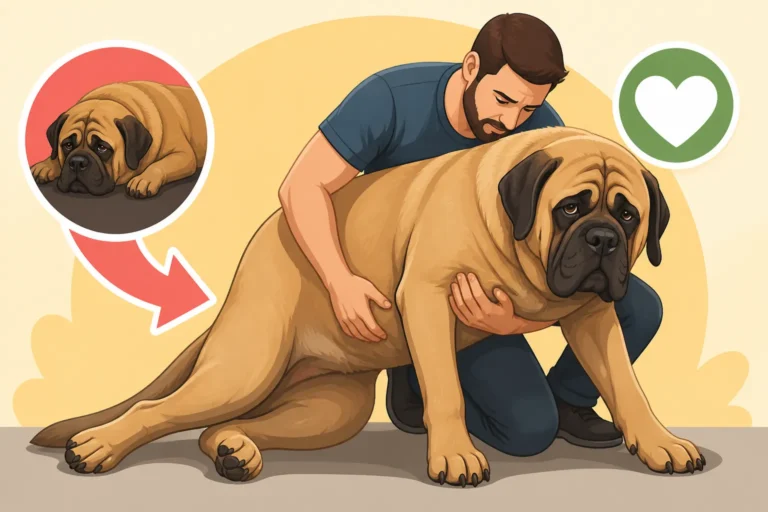
Unlike smaller dogs who might be up and wagging their tails relatively quickly, Mastiffs often have a much slower and more gradual awakening process. Their large body mass means that anesthetic drugs can take longer to metabolize and clear from their system, leading to a prolonged period of grogginess and incoordination. This isn't just a matter of patience; it's a safety concern. A large, disoriented Mastiff trying to stand can be a danger to themselves and to staff. They might stumble, fall, and injure themselves, particularly if they’ve had orthopedic surgery.
During this extended recovery, constant supervision is vital. The recovery area should be warm, quiet, and well-padded. Staff should be on hand to provide support, help them stay warm, and gently encourage them as they slowly regain full consciousness and coordination. Pain management is also critical during this phase. Adequate pain relief helps them recover more comfortably and can encourage them to move and get back to their normal selves more quickly. This is where a conversation about How Much Anesthetic a Two Hundred Pound Mastiff Takes often extends to recovery management.
Watch for Common Complications
Even with the most careful planning and monitoring, complications can arise during recovery. One of the most terrifying for Mastiff owners is bloat, or gastric dilatation-volvulus (GDV). While less common immediately post-anesthesia unless directly related to abdominal surgery, the stress and changes in body position can sometimes contribute to its onset. The symptoms of bloat can mimic other post-anesthetic grogginess, so the veterinary team must be acutely aware of the signs. For more details, consider reading Bloat in the Deepest Chest of Any Breed: the Mastiff.
Aspiration pneumonia is another concern, especially if your Mastiff was nauseous or regurgitated during or after anesthesia. Their sheer size means a larger volume of stomach contents, and if inhaled, this can lead to severe lung infection. Close monitoring of breathing, ensuring a clear airway, and swift action if vomiting occurs are all part of preventing this. Prolonged sedation, although generally not life-threatening, can delay discharge and require extended hospitalization. Vigilant post-operative care, including monitoring vital signs, checking surgical sites, and managing pain, is paramount to catch and address any issues promptly.
Specific Health Conditions that Elevate Anesthetic Risk
Mastiffs, like many giant breeds, are predisposed to certain health conditions that can significantly compound the risks associated with anesthesia. Being aware of these and addressing them preemptively is key to safe outcomes.
Gastric Dilatation-Volvulus GDV and Bloat
We've mentioned bloat, or GDV, already because it's a major concern for Mastiff owners. This life-threatening emergency, where the stomach fills with gas and can twist, almost always requires immediate surgery, and thus, emergency anesthesia. When a Mastiff presents with GDV, they are often in shock, with compromised cardiovascular function, making anesthesia incredibly high-risk. The body is already under immense stress, and adding anesthetic drugs to that equation demands the utmost skill and speed from the veterinary team.
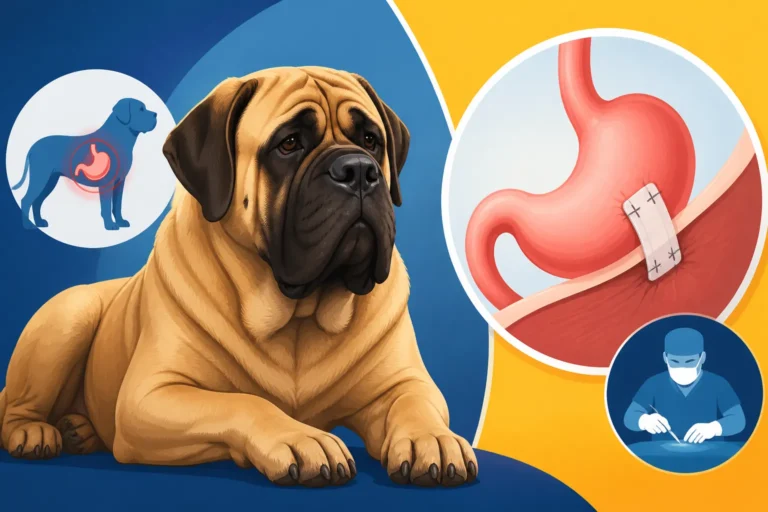
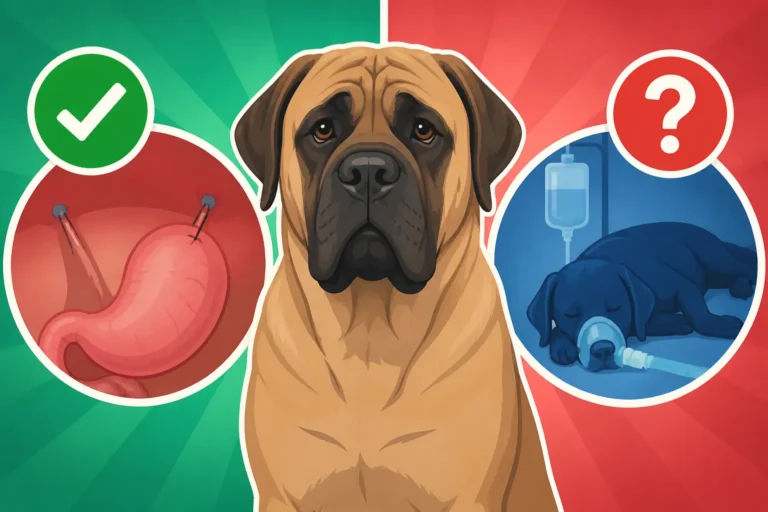
Many Mastiff owners opt for a prophylactic gastropexy, which is a surgery to permanently tack the stomach to the abdominal wall, preventing it from twisting. This is often done at the time of neuter or spay, or as a standalone procedure. While it doesn't prevent the stomach from filling with gas (dilatation), it does prevent the much more dangerous twisting (volvulus). Choosing to do this elective surgery under controlled conditions, when your Mastiff is otherwise healthy, is a much safer scenario than emergency surgery for active bloat. Knowing Whether a Mastiff Survives Bloat Surgery highlights the critical nature of this condition.
Joint Issues and Mobility Challenges
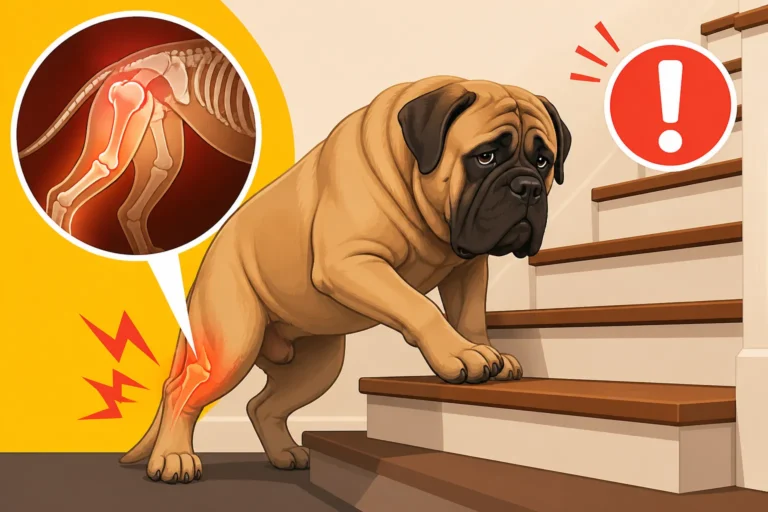
Mastiffs are renowned for their massive bones and impressive musculature, but this also means they are prone to significant joint issues, including hip and elbow dysplasia, as well as arthritis. These conditions can present unique challenges during anesthesia and recovery. Positioning a dog with severe hip dysplasia on a surgical table requires extra care to prevent exacerbating discomfort or injury. After surgery, pain management is paramount, not just for the surgical site but also for their pre-existing joint pain, which might feel worse after being immobile. You might be interested in The Age a Mastiff Is Certified by OFA to understand joint health assessments.
Their sheer weight also makes moving a post-operative Mastiff a monumental task. A dog already struggling with arthritis will find it even harder to stand and walk after anesthesia. This means the recovery area must be easily accessible, ideally at ground level, and have excellent traction to prevent slips and falls. Having specialized slings or lifting aids available is often necessary. The discomfort from joint pain can also make them more resistant to handling, complicating post-operative checks and medication administration.
Age-Related Factors
Just like people, older Mastiffs (generally considered "geriatric" around 5-6 years old, given their shorter lifespan) often have more underlying health issues that increase anesthetic risk. Their organs – heart, liver, kidneys – may not be as efficient as they once were, making them more sensitive to anesthetic drugs and slower to recover. A Mastiff past five is essentially in their senior years, and as such, extra precautions are absolutely necessary. Our article Caring for a Mastiff Past Five offers further insights into the specific needs of an aging Mastiff.
For geriatric Mastiffs, vets will often conduct even more extensive pre-anesthetic testing, including additional blood work specific to geriatric panels or even imaging if there are concerns about internal masses or organ enlargement. Anesthetic drug choices will be even more carefully selected to be gentle on aging organs, and the monitoring will be intensified. The recovery period might be even longer, and there's a higher chance of cognitive dysfunction or behavioral changes post-anesthesia. It's a delicate balance of providing necessary care while minimizing risk in these beloved seniors.
Partnering with Your Veterinary Team for Safe Anesthesia
Ensuring your Mastiff receives the safest anesthesia experience requires a strong partnership with a veterinary team that understands and respects the unique needs of giant breeds.
Choosing a Vet Experienced with Giant Breeds
This cannot be stressed enough: choose a veterinary practice that has extensive experience with giant breeds, especially Mastiffs. Don't be afraid to ask direct questions:
- How many Mastiffs or other giant breeds do you anesthetize in a typical month?
- What specific protocols do you use for giant breeds?
- What monitoring equipment do you have, and who is responsible for monitoring during the procedure?
- Do you have extra-large recovery kennels or a dedicated recovery area?
- What kind of lifting aids do you have for large, recovering patients?
A clinic that regularly handles 200-pound dogs will have the specialized equipment, trained staff, and specific protocols necessary to manage these gentle giants safely. They'll have larger intubation tubes, appropriate blood pressure cuffs, and staff who are physically capable of assisting a massive, wobbly dog. If you're struggling to find such a facility locally, it might be worth exploring referral to a specialist veterinary hospital. It could mean the difference between a smooth procedure and a stressful, complicated one.
Understanding the Costs and Value of Safety
Let's be realistic: providing advanced anesthetic care for a Mastiff costs more. The drugs are often more expensive because larger quantities are needed. The specialized monitoring equipment requires investment and maintenance. The longer recovery times demand more dedicated staff hours. All of this translates to a higher bill, and it can sometimes feel overwhelming. It's simply a fact that The Mastiff's Short Life Buys the Biggest Bills, and anesthesia is a prime example of where these costs accumulate.
However, viewing these costs as an investment in your Mastiff's safety and well-being is crucial. Cutting corners on pre-anesthetic diagnostics or advanced monitoring to save a few dollars can have devastating consequences. This is also where pet insurance can be a lifesaver. Providers like Healthy Paws can help offset the significant costs of major surgeries or emergency procedures requiring anesthesia, ensuring you can make decisions based on your pet's health, not just your wallet. Planning ahead with pet insurance is a practical way to prepare for these inevitable expenses. Ask your vet about typical costs for Whether a Mastiff Needs Pre Anesthetic Bloodwork, and factor that into your financial planning.
| Anesthesia Consideration | Standard Breed (e.g., Beagle) | Giant Breed (e.g., Mastiff) |
|---|---|---|
| Drug Dosing | Primarily weight-based | Lean body mass, careful titration, lower end of range |
| Airway Management | Generally straightforward | Potential for soft tissue obstruction, larger intubation equipment |
| Cardiovascular | Less baseline strain | Higher baseline strain, greater risk of hypotension, existing conditions more impactful |
| Monitoring | Basic vital signs sufficient | Advanced multi-parameter monitoring essential (ECG, BP, capnography, pulse ox) |
| Temperature Mgmt. | Less prone to severe hypothermia | High risk of hypothermia, active warming measures crucial |
| Positioning | Less risk of pressure sores | Significant risk of nerve damage, muscle injury, robust padding & repositioning needed |
| Recovery Time | Often quicker, less sedated | Significantly prolonged, increased disorientation, higher fall risk |
| Complications | Standard risks | Increased risk of bloat, aspiration, extended sedation |
| Staffing | Standard tech-to-patient ratio | Dedicated, experienced monitor, multiple staff for handling |
| Equipment | Standard sizes | Extra-large intubation tubes, blood pressure cuffs, recovery beds, lifting aids |
Disclaimer
The information provided in this article is intended for educational purposes only and should not be considered a substitute for professional veterinary advice. Always consult with a qualified veterinarian regarding any health concerns or before making any decisions about your Mastiff's medical care, especially concerning anesthesia.